How to Fix a Lionel Locomotive That Slips and Won't Pull: Complete 2026 Repair Guide
November 23, 2026
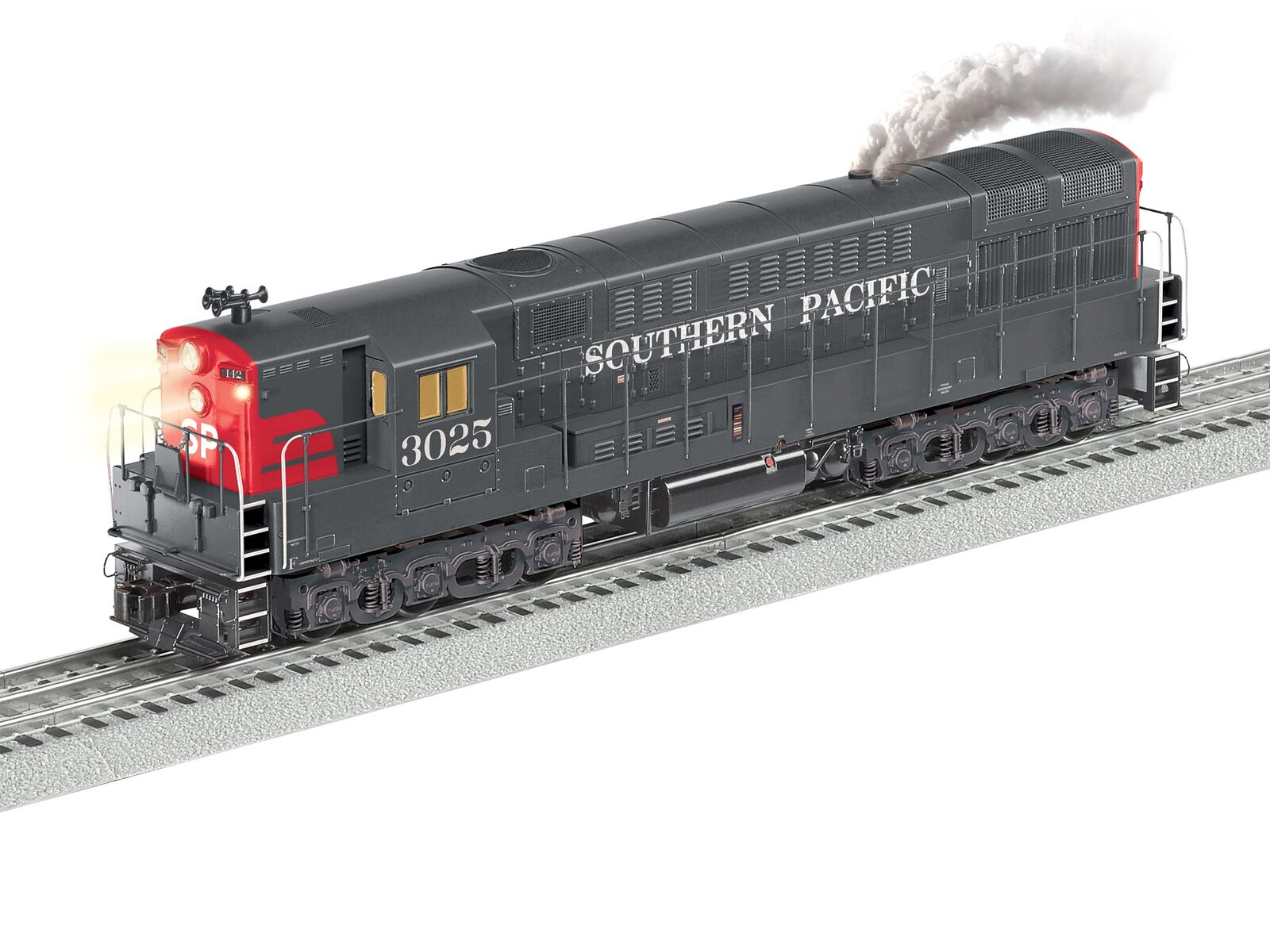
The motor is running and the wheels are spinning, but the train is not going anywhere. Or your engine pulls fine on the flat and then slows, spins its wheels and stalls halfway up a grade. A Lionel locomotive that slips and will not pull its train almost always has one of six causes, and most take only a few minutes to fix. This guide walks through each one, starting with the most common.
First, make sure it is really slipping. Watch the drivers or wheels. If they spin while the engine stands still or crawls, it is losing traction. If the wheels stop turning and the engine stalls, the problem is power or the motor instead; see our guide to trains that stall on switches and dead spots.
1. Worn, Cracked or Missing Traction Tires
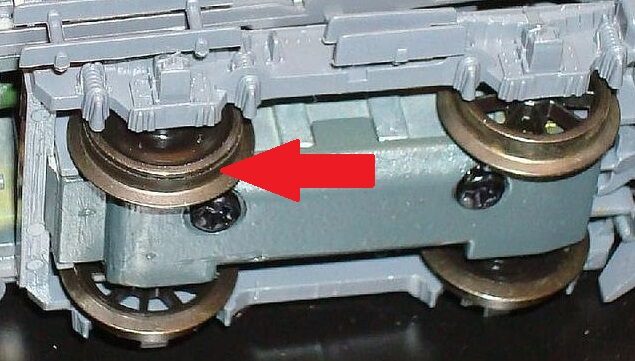
Many modern Lionel and MTH locomotives have rubber traction tires on one or more drive wheels. They grip the rails and give a lightweight engine its pulling power. Over time they wear smooth, crack, stretch, slide out of their groove or fall off entirely, and pulling power drops fast.
How to check: with the power off, look at every powered wheel. A good tire sits flat and even in its groove. Replace it if it is cracked, shiny and hard, loose, twisted, bulging out of the groove or missing.
How to replace a traction tire:
- Get the correct replacement tire for your locomotive from the manufacturer's parts service or a parts dealer. Tires come in different sizes, so match your engine's model.
- Pry the old tire off with a small flat screwdriver or hobby pick, taking care not to scratch the wheel.
- Clean the groove with a cotton swab and a little isopropyl alcohol so the new tire seats on bare metal, and let it dry.
- Stretch the new tire over the wheel and work it into the groove all the way around. Some modelers soak tires in warm water first to make them more pliable.
- Check that it sits flat with no twists. A twisted or high spot makes the engine bump once per wheel turn.
Never oil traction tires or the wheels they sit on. Oil makes rubber slippery and can break it down.
2. Dirty Wheels and Track
Grime builds up on rails and wheel treads as a thin black film, and a film of dirt or oil on the rails cuts traction just like ice on a road. It is the most common cause of slipping on engines without traction tires, and it makes everything worse on engines with them.
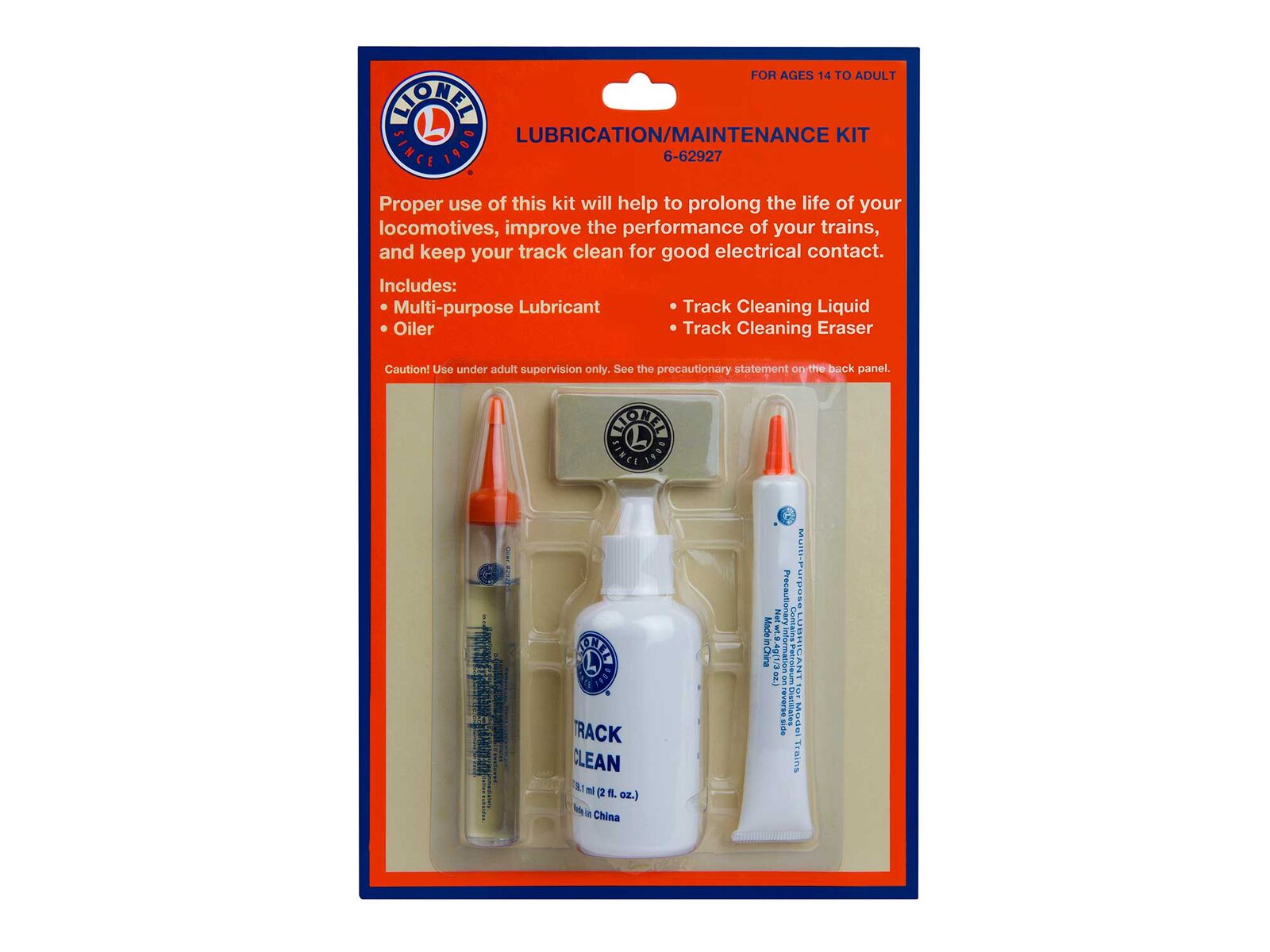
- Clean the rails with a track cleaning eraser or a lint-free cloth and track cleaning fluid. Lionel's maintenance kit includes both.
- Clean the wheel treads and traction tires with a lint-free cloth or swab. A swab lightly dampened with isopropyl alcohol works for metal treads.
- Look for over-oiling: oil on the rails or wheels usually means someone has been oiling too much. Wipe it off and lubricate only gears and bearings, sparingly.
Our Lionel cleaning guide covers wheels, trucks and track step by step.
3. The Train Is Too Long or Too Heavy
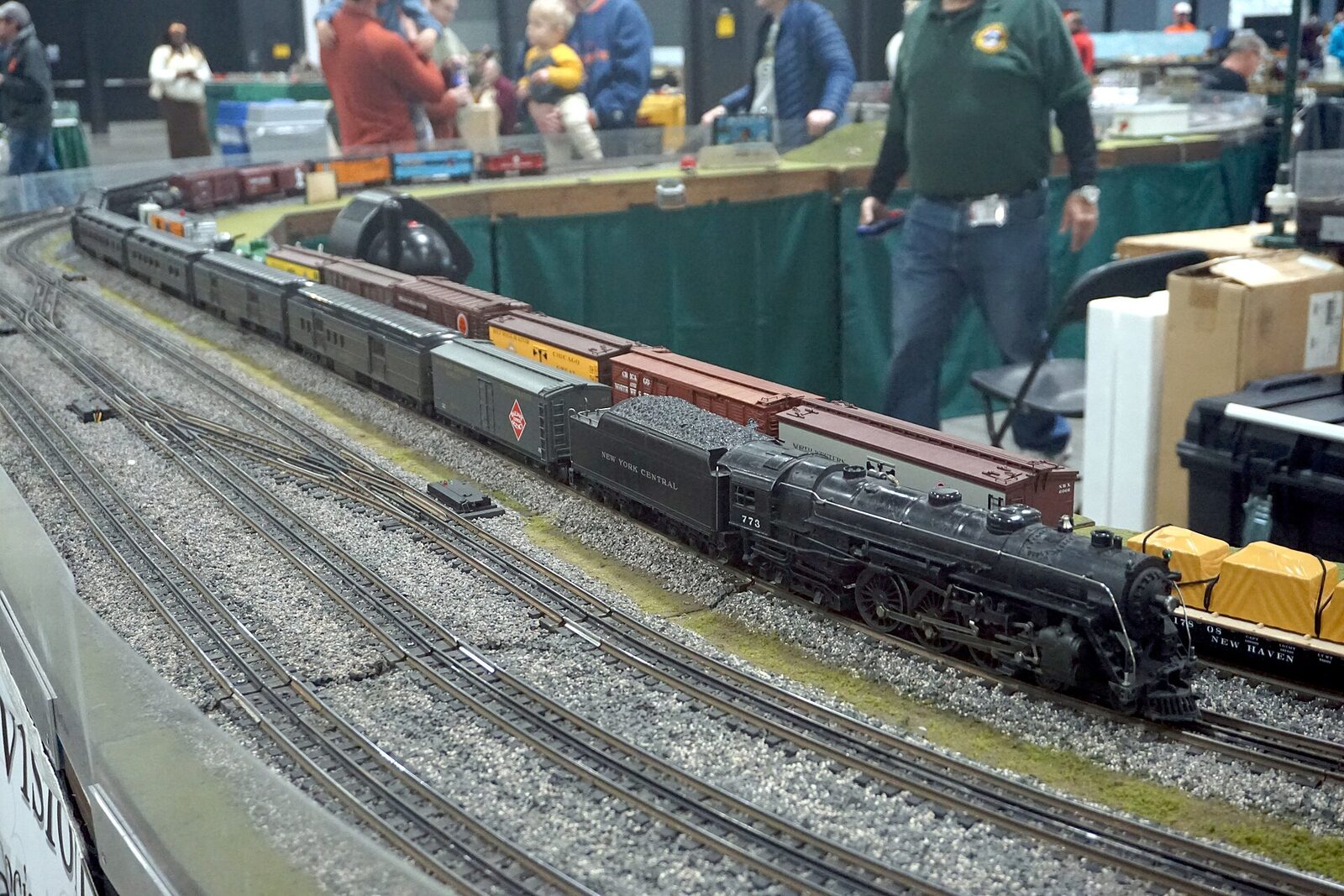
Every engine has a limit. A small LionChief 0-8-0 or switcher from a starter set is not built to pull the same train as a die-cast LEGACY engine with multiple motors. If slipping started when you added cars, take some off and see where the engine is comfortable.
- Find the binding car. One car with stiff trucks or a dry axle can drag like five. Roll each car by hand on level track; any car that stops quickly needs its trucks cleaned and a tiny drop of oil on each axle end.
- Double-head heavy trains. Two locomotives share the load. Command-control engines can be run together in a lashup.
- Consider weight. Traction comes from weight on the powered wheels. Some operators add stick-on weights inside a light plastic-bodied engine, over the powered wheels, but do not overdo it or you overwork the motor.
4. Grades That Are Too Steep
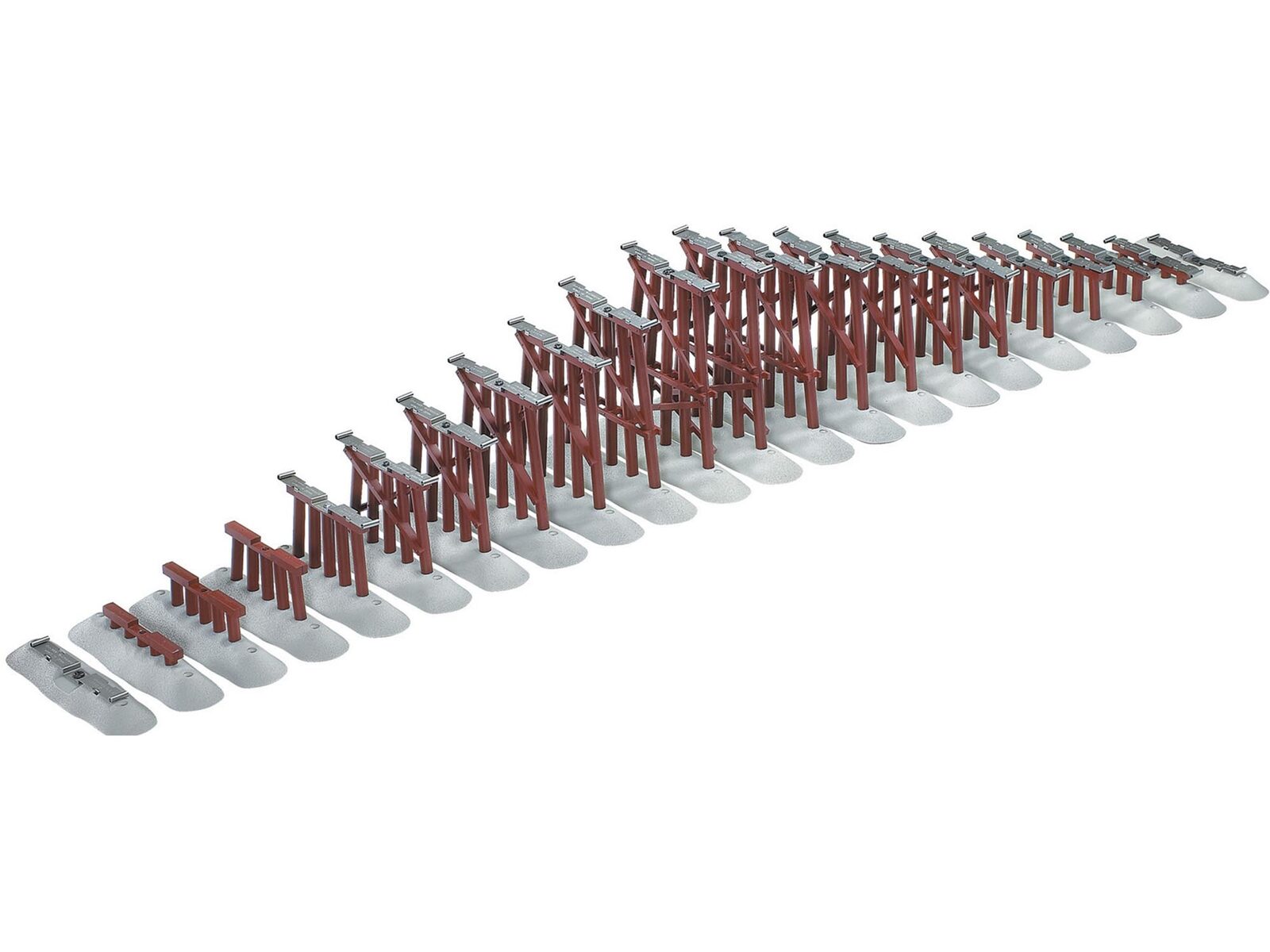
Climbing a grade takes far more pull than running on the flat, so a train that runs fine around the loop may slip on the hill. O-gauge operators generally aim for about a 2 percent grade, and many trains struggle above roughly 3 to 4 percent. A curve on a grade adds even more drag.
- Measure your grade: rise divided by run. A 1-inch rise over 50 inches of track is a 2 percent grade.
- Lengthen the climb or lower the top to ease a steep grade.
- Avoid tight curves on the steepest part, and give trains a level stretch before the climb.
- Run shorter trains, or double-head, on layouts with grades.
Our guide to building grades covers planning a climb your trains can handle.

5. Postwar Engines and Magne-Traction
Many postwar Lionel engines use Magne-Traction instead of rubber tires: magnetized wheels or axles that pull the engine down onto steel rails for extra grip. If an older engine slips:
- Make sure the track has steel rails. Magne-Traction relies on magnetism, so it does little on rail that is not magnetic.
- Clean the wheels and rails thoroughly; dirt and old oil defeat Magne-Traction too.
- Remember that a 70-year-old engine may not grip as well as it once did, so ask a little less of it.
Pulling an old set out of storage? Our guide to getting old Lionel trains running again covers the full revival. Buying one used? See how to test a Lionel locomotive before you buy.
6. Mechanical Problems That Look Like Slipping
- A slipping gear or loose drive part: if the motor races but the wheels barely turn, or you hear grinding, the drivetrain may be slipping internally. Our noisy locomotive guide covers gear problems.
- Wheels lifting off the rail: a bent frame, bad truck or derailed driver means some wheels are not touching the track, so the engine has less grip.
- Uneven traction tires: a high or twisted tire can lift the wheels next to it.
Quick Checklist
- Confirm the wheels are spinning, not stalling.
- Inspect traction tires; replace cracked, hard, loose or missing ones.
- Clean the rails, wheel treads and tires; remove any oil.
- Shorten the train and find any binding cars.
- Check your grade, ideally around 2 percent.
- On postwar engines, confirm steel rails and clean the Magne-Traction wheels.
- Look for internal gear slip or wheels lifting off the rail.
Frequently Asked Questions
Why do my Lionel locomotive's wheels spin but the train doesn't move?
The most common causes are worn or missing traction tires, dirty or oily track and wheels, a train that is too heavy for the engine, or a grade that is too steep.
How do I know if my traction tires need replacing?
Replace them if they are cracked, hard and shiny, stretched, loose in the groove, twisted or missing. A good tire sits flat and even all the way around the wheel.
Can I oil my locomotive's wheels to fix slipping?
No. Oil on wheels, rails or traction tires makes slipping worse. Clean it off and lubricate only gears and bearings, sparingly.
What grade can a Lionel train climb?
O-gauge operators generally aim for about 2 percent, and many trains struggle above roughly 3 to 4 percent, especially with long trains or curves on the grade.
What is Lionel Magne-Traction?
A postwar Lionel feature that uses magnetized wheels or axles to grip steel rails for better pulling power. It needs steel rails and clean wheels to work well.
Newsletter
Weekly O-gauge tips & reviews
New reviews, layout ideas, and hobby news, straight to your inbox.