How to Get Old Lionel Trains Running Again After Years in Storage: Complete 2026 Guide
November 10, 2026
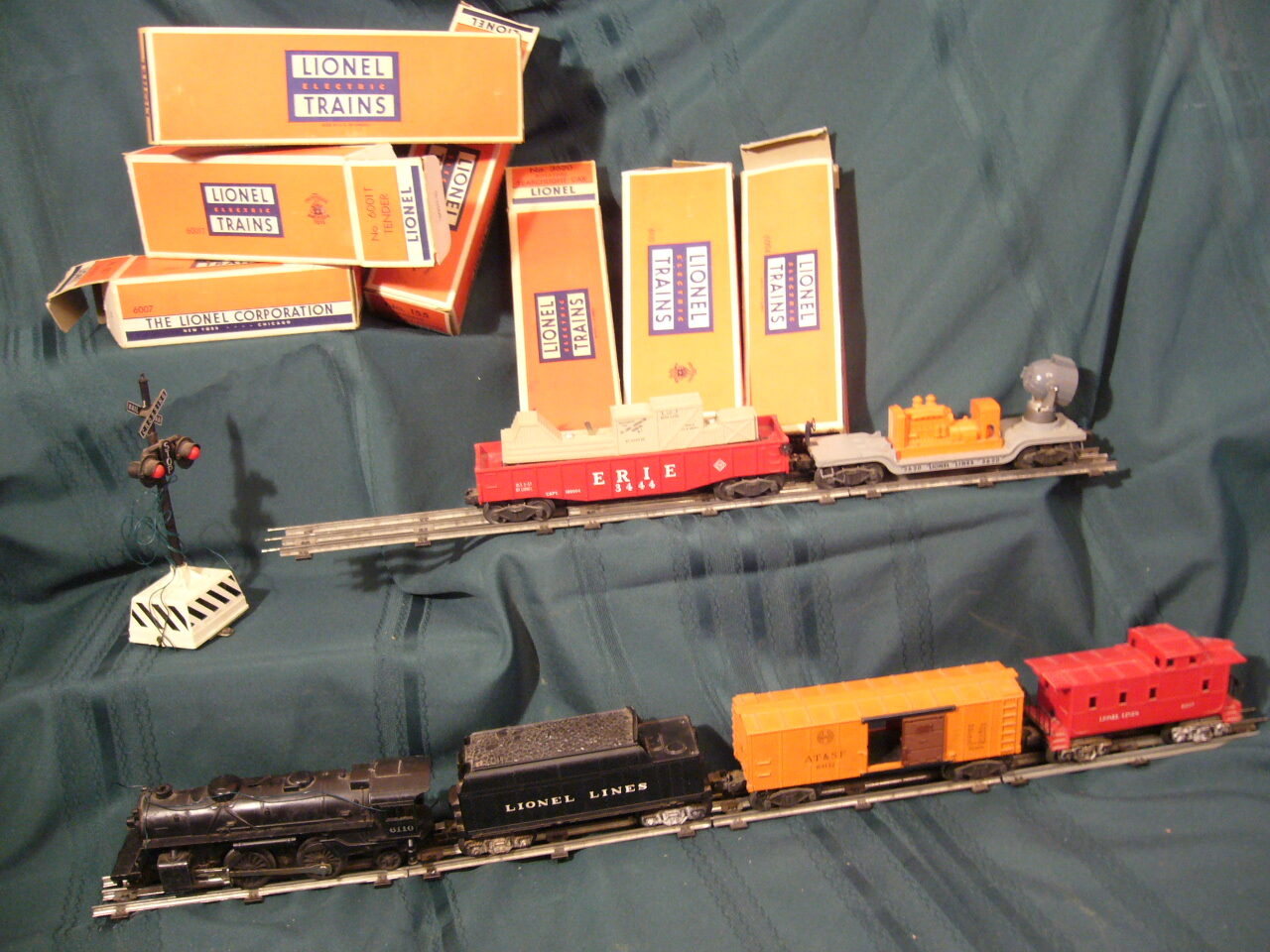
Every November, a lot of Lionel trains come down from the attic. Maybe it is your own set from childhood, maybe it is a parent's or grandparent's, and the plan is to have it running around the tree by Christmas. Trains that sat for years usually need a little work first, and a few minutes of checking can save a motor, a transformer, or worse. This guide walks through seven steps to get stored Lionel trains, postwar or modern, running again safely.
Before You Start: What You Need
- A clean, well-lit work surface and a soft towel to set trains on
- Cotton swabs and isopropyl alcohol for wheels and rollers
- A fine abrasive pad or track cleaning eraser for the rails
- Light hobby oil and hobby grease that are safe for plastic (not WD-40)
- A small screwdriver set
- Optionally, a multimeter for checking track and wiring
One rule above all: do not plug in an old transformer until you have looked at it (step 1).
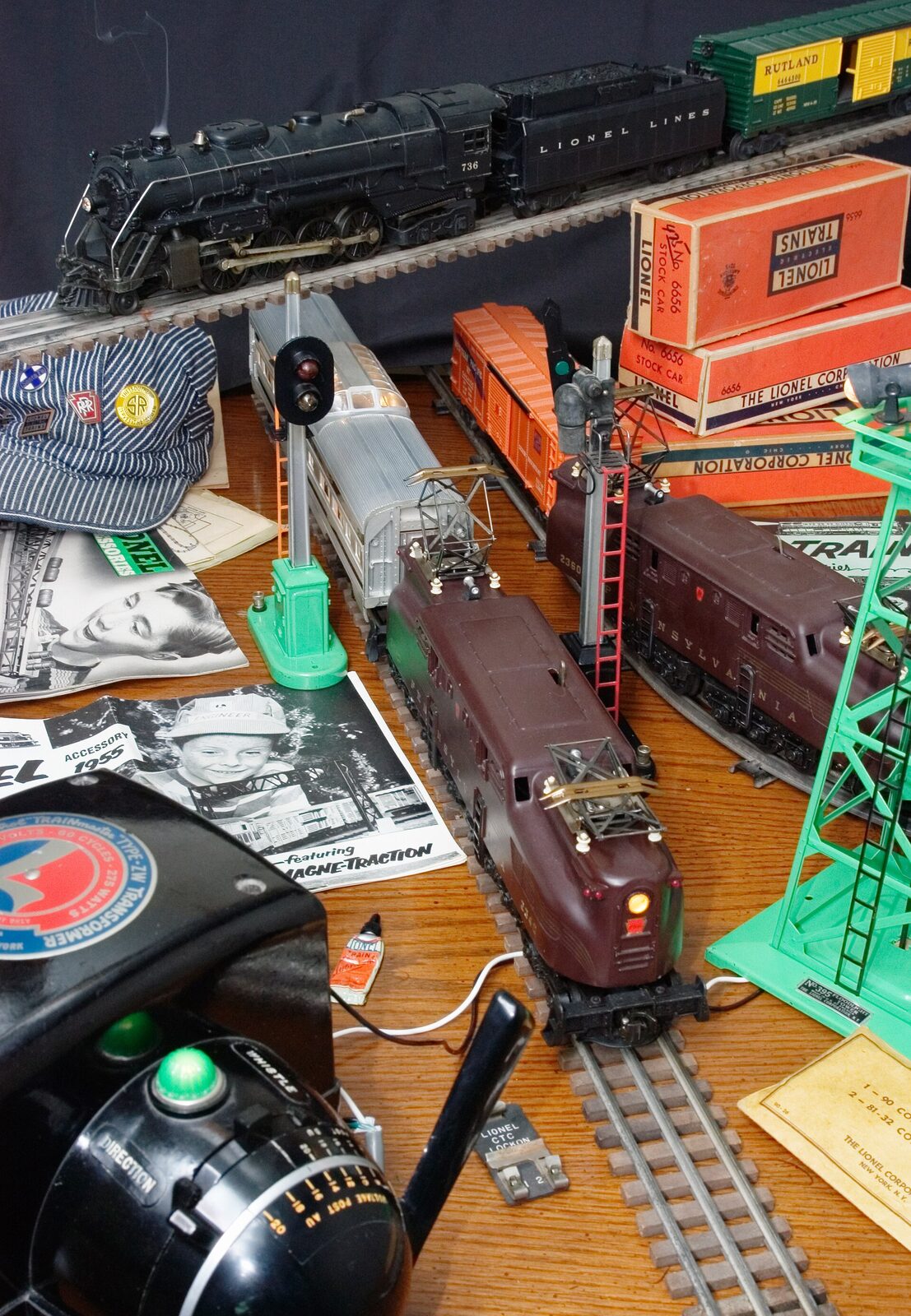
Step 1: Inspect the Transformer First
The transformer is the one part of an old set that can be a safety hazard. Postwar Lionel transformers are 60 to 75 years old, and their original power cords often dry out, crack or crumble.
- Check the power cord along its full length. Cracked, stiff or crumbling insulation, exposed wire or a damaged plug means the cord must be replaced before use.
- Check the case and binding posts for cracks, loose terminals or signs of overheating such as melted plastic or scorch marks.
- Smell it. A burnt smell when you first power it up means unplug it and have it serviced.
If you are not comfortable with any of this, have the transformer checked by a train repair shop, or run the set with a modern transformer or power supply instead. Old transformers also have slow internal breakers, which is why many operators add a fast-acting breaker. Our ZW history and restoration guide covers servicing in more detail.
Step 2: Unpack and Look Everything Over
Unpack gently, especially if the trains are in their original boxes, and check each piece:
- Broken or missing parts: handrails, couplers, headlight lenses, smoke stacks
- Rust on wheels, axles, frames and track
- Battery corrosion in remotes. Modern LionChief remotes left with batteries inside can corrode; remove old batteries and clean the contacts.
- Cracked or hardened traction tires on modern locomotives, which can lift wheels or slip
Write down what each piece is. If you think the trains may be valuable, check before cleaning or repairing anything (see the last step).
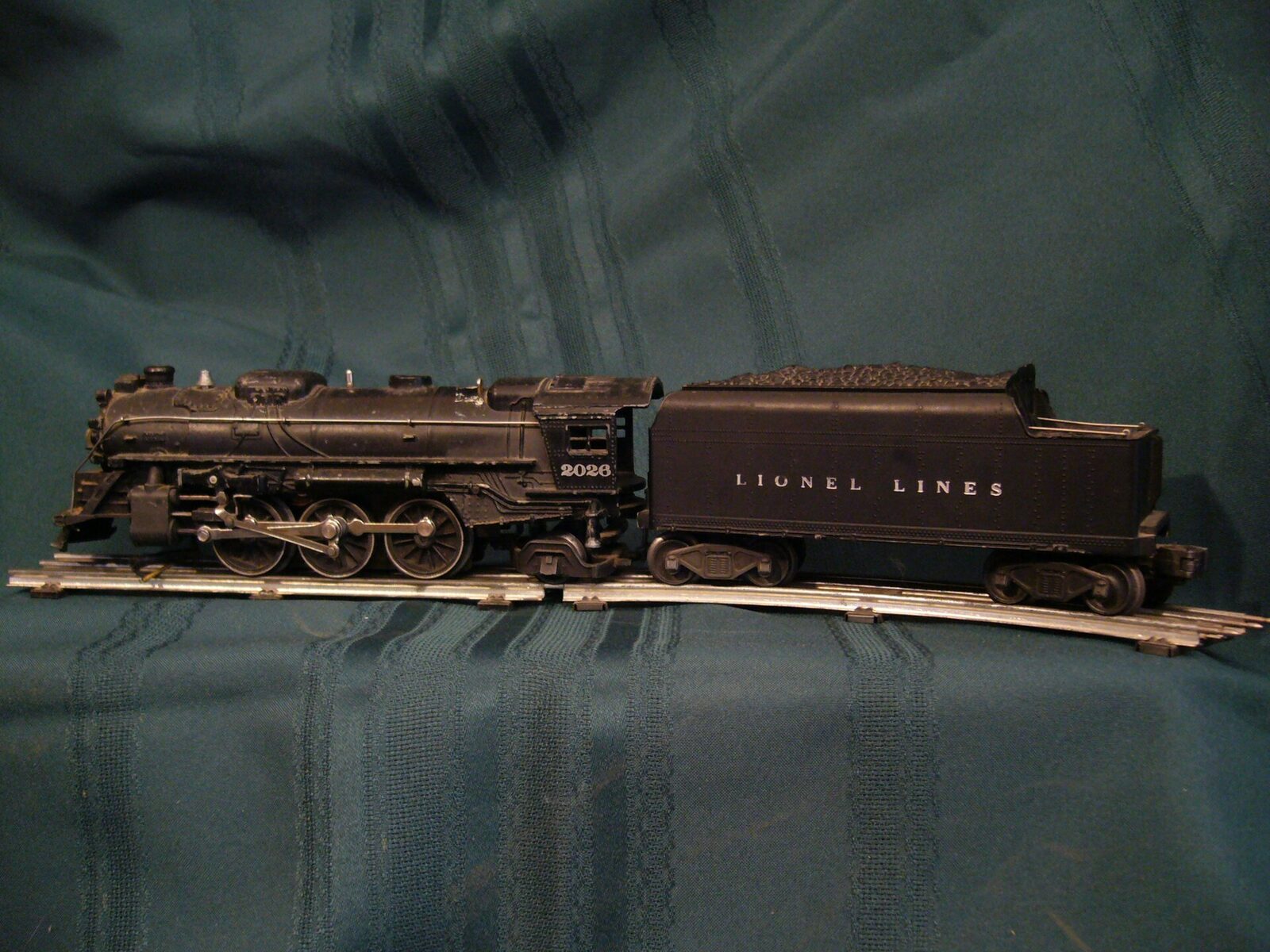
Step 3: Clean the Track
Stored track usually has oxidation or light rust on the rails, and dirty rails are the most common reason an old train stutters or will not move.
- Tubular track: rub the tops of all three rails with a fine abrasive pad or track cleaning eraser, then wipe with a cloth. Check that each track pin fits snugly; loose pins cause poor connections and bumpy joints. Replace any section with heavy rust or broken ties.
- FasTrack: wipe the rails with a track cleaner or isopropyl alcohol on a cloth and make sure each joint clicks fully together.
Step 4: Clean Wheels and Pickup Rollers
Locomotives pick up power through their wheels and center-rail pickup rollers, and both collect grime in storage. Clean the wheel treads and rollers with cotton swabs and isopropyl alcohol until the swabs come away clean, and make sure each roller spins freely. Our pickup roller repair guide covers sticky or worn rollers, and our Lionel cleaning guide covers the rest of the train.

Step 5: Clean and Re-Lubricate the Motor and Gears
This is the step that matters most for trains that sat for years. Old oil and grease thicken and harden over time, and dried grease can make a motor labor, run slowly or not turn at all.
- Remove the shell if you are comfortable doing so, or have a repair shop do it.
- Clean old, hardened grease off the gears with a swab or soft brush.
- Grease the gears lightly with hobby grease.
- Oil the axles, motor bearings and side rods with one small drop each of light hobby oil. Too much oil attracts dirt and can reach the motor's electrical parts.
- Check motor brushes on older motors. Worn brushes are a common reason a motor runs weakly; see our motor brush repair guide.
Smoke units: most postwar Lionel steam engines were designed for smoke pellets, while modern engines use liquid smoke fluid. Check which system yours has before adding anything, and never overfill.
Step 6: Test on a Short Loop at Low Power
Set up a small loop of clean track and bring the voltage up slowly.
- Start low and watch, listen and smell. Smooth running with a little hesitation at first is normal for a train that has sat.
- If the motor hums but the train does not move, turn the power off right away. A stalled motor under power can overheat. Recheck the gears for hardened grease and the wheels for binding.
- If a postwar engine buzzes and will not move or will not change direction, the E-unit reversing switch may be dirty or stuck. Cycle the power a few times, then see our reverse unit repair guide.
- Run it in for a few minutes in each direction at moderate speed to spread the fresh lubrication.
If the train still will not run after all this, our train won't run troubleshooting guide goes deeper.
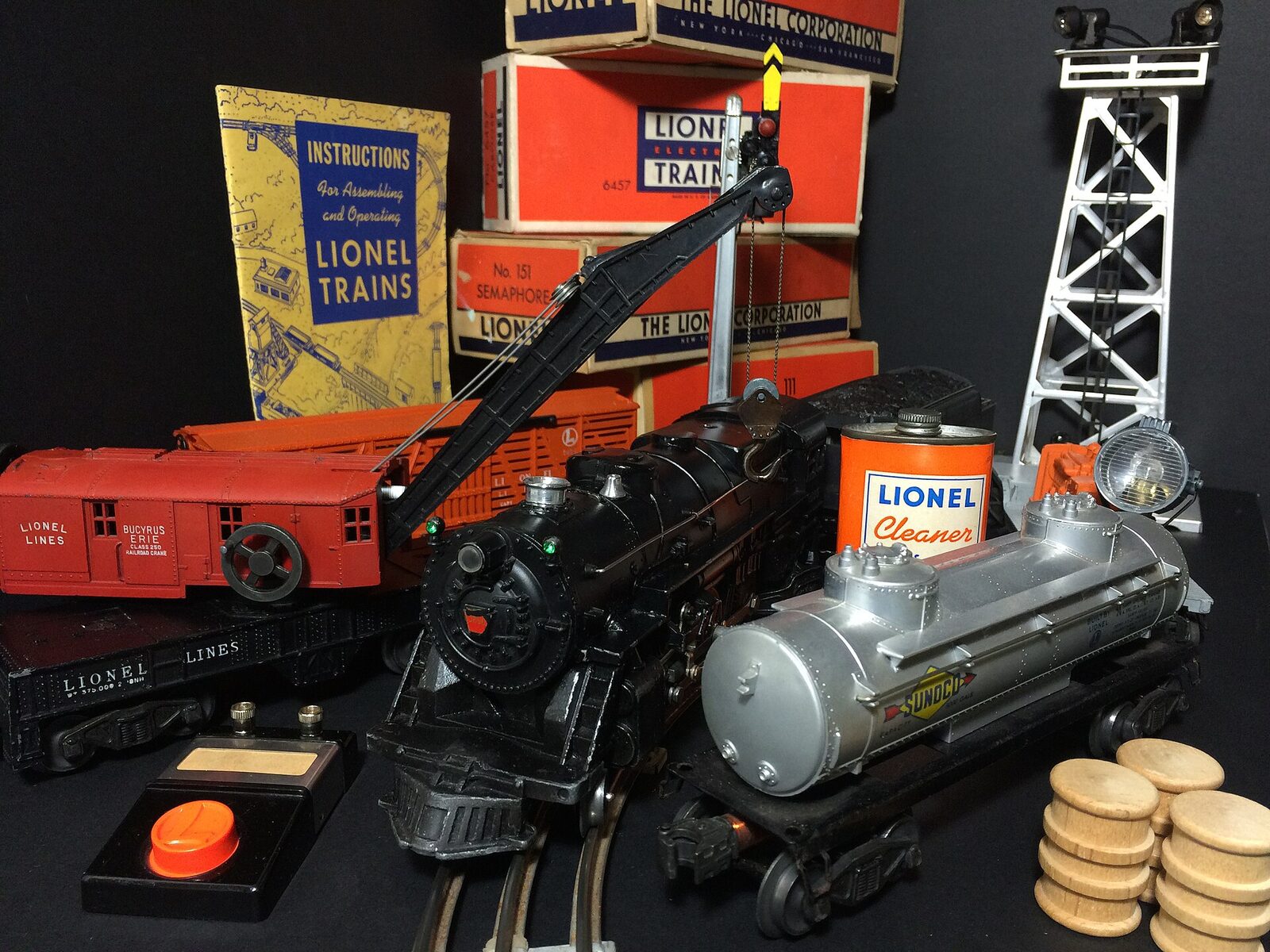
Step 7: Find Out What It Is Worth Before Restoring
Before repainting, replacing parts or scrubbing with strong cleaners, find out what you have. Original paint, original parts and original boxes, instruction sheets and paperwork all add collector value, and a well-meant restoration can cut a valuable piece's value sharply. Keep the boxes even if they are worn. Our Lionel train value guide explains how to identify and value what you found.
Quick Checklist
- Inspect the transformer cord, case and terminals before plugging in.
- Unpack carefully; check for damage, rust and battery corrosion.
- Clean all rails and check track pins or joints.
- Clean wheels and pickup rollers with isopropyl alcohol.
- Remove hardened grease, re-grease gears and oil axles sparingly.
- Test on a short loop at low voltage; stop if the motor hums without moving.
- Check value before any restoration, and keep the boxes.
Frequently Asked Questions
Is it safe to plug in an old Lionel transformer?
Only after inspecting it. Cracked or crumbling power cords, damaged cases and loose terminals are hazards. If in doubt, have it serviced or use a modern transformer.
Why won't my old Lionel train run after years in storage?
The usual causes are dirty or rusty track, dirty wheels and pickup rollers, hardened grease in the gears, worn motor brushes or a stuck E-unit on postwar engines.
What oil should I use on old Lionel trains?
Light hobby oil for axles and bearings and hobby grease for gears, both safe for plastic. Avoid WD-40 and household oils, and use small amounts.
Should I clean or restore old Lionel trains before selling them?
Check their value first. Light cleaning is usually fine, but repainting or replacing original parts can lower collector value. Original boxes add value, so keep them.
Can I put smoke fluid in a postwar Lionel engine?
Most postwar Lionel steam engines were designed for smoke pellets. Check which system your engine has before adding modern smoke fluid.
Newsletter
Weekly O-gauge tips & reviews
New reviews, layout ideas, and hobby news — straight to your inbox.