How to Clean Lionel Trains: Complete 2026 Maintenance Guide
August 31, 2026
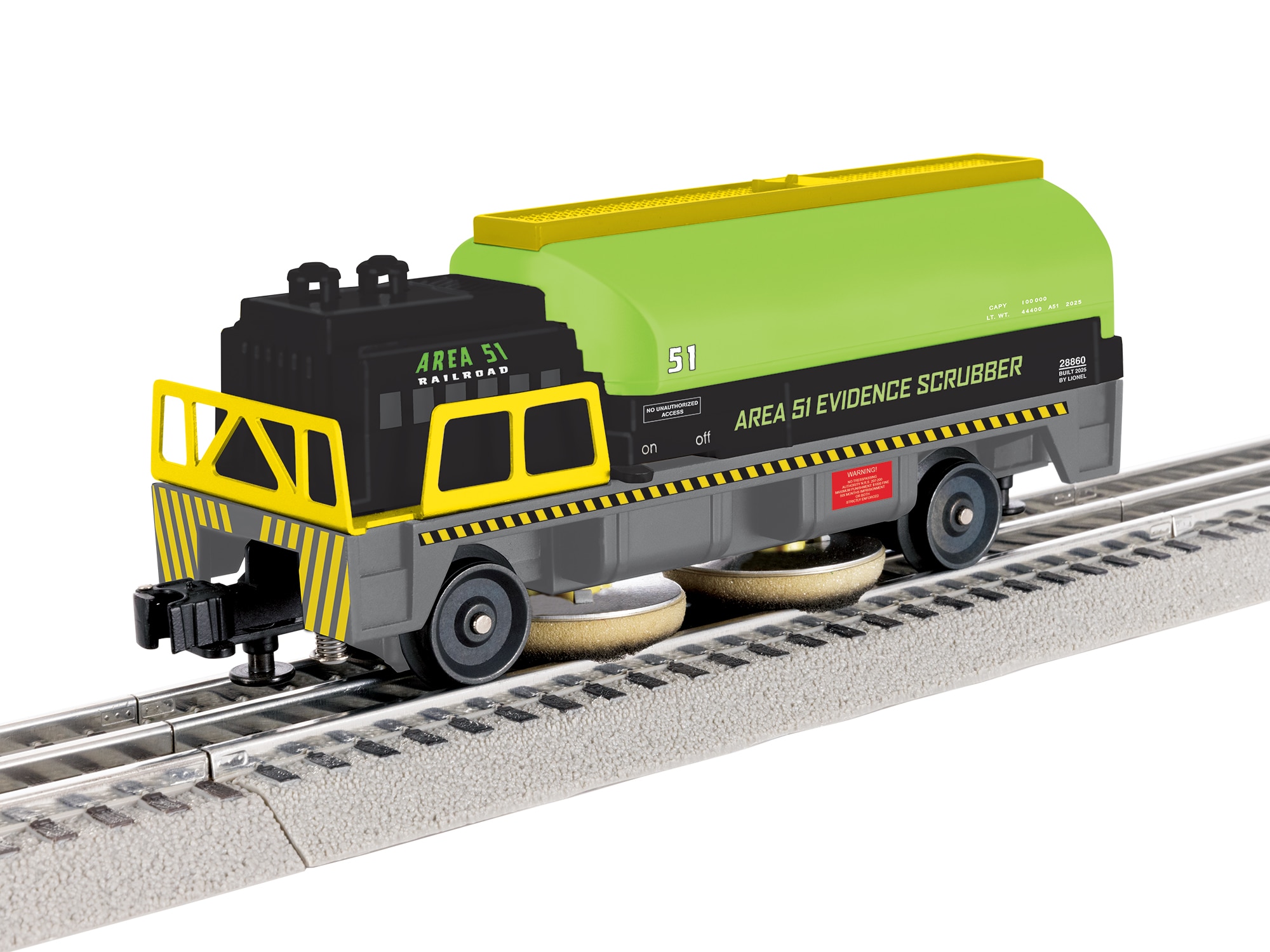
How do you clean Lionel trains properly? Regular cleaning is the single most important maintenance any O-gauge hobbyist can do — clean track and clean locomotives are the difference between reliable operation and constant frustration with stalling, sound dropouts, and derailments. Fortunately, cleaning is straightforward, requires minimal specialized equipment, and takes only 15-30 minutes for a typical layout when done regularly.
This complete 2026 maintenance guide walks through every aspect of cleaning Lionel trains: what to clean, how often, what supplies you need, step-by-step cleaning procedures for track and locomotives, common mistakes to avoid, and how to prevent dirt buildup in the first place.
Why Cleaning Matters
Dirty track and dirty locomotives cause the majority of operational problems:
Stalling: Dirty track prevents reliable power transfer to locomotive wheels. Locomotive loses power intermittently, especially at low speeds.
Sound dropouts: LionChief and LEGACY command signals travel through the outer rails. Dirty track disrupts signal reliability.
Uncoupling: Dirty couplers stick and fail to release properly.
Derailment: Dirt buildup at rail joints can create bumps that derail small wheelsets.
Motor wear: Dirty wheels transfer contamination to motor bearings and gear trains, accelerating internal wear.
Regular cleaning prevents all of these problems.
What to Clean
Every O-gauge layout has five cleaning categories:
Track surfaces: The tops of the running rails where wheels contact. This is the single most important cleaning surface.
Locomotive wheels: The wheels that contact the rails. Wheel cleanliness matters as much as track cleanliness.
Locomotive body and detail: Dust and dirt accumulation on the locomotive body degrades appearance and can contaminate moving parts.
Rolling stock wheels: Passenger and freight car wheels transfer dirt from track to elsewhere. Clean wheels stay on track better.
Motor internals: Deeper cleaning of motor brushes, gear trains, and bearings for pieces with significant operating hours.
How Often to Clean
Cleaning frequency depends on layout usage and environment:
Heavy use (weekly operating sessions): Clean track monthly. Clean locomotive wheels every 2-3 operating sessions.
Moderate use (bi-weekly sessions): Clean track every 2-3 months. Clean wheels every 5-10 operating sessions.
Light use (occasional operation): Clean track and wheels before each operating session or every 30-60 days of storage.
Deep cleaning (motor internals): Every 100-300 operating hours or when performance visibly degrades.
Supplies You Need
Basic cleaning kit:
Track cleaner: Lionel Track Cleaning Fluid, LGB Track Cleaner, or GooGone Automotive. $8-$15 per bottle.
Isopropyl alcohol (91%+): Universal cleaner for wheels and light track cleaning. $5-$10 per bottle.
Cotton swabs: Precision cleaning tool for tight spaces. $3-$5 per pack.
Clean rags (lint-free): Old cotton t-shirts work well. Or dedicated microfiber cleaning cloths.
Track cleaning car: Lionel Track Cleaning Car (SKU 2528860) or similar. Cleans automatically during normal operation. $75-$150.
Small brush: Soft brush for locomotive body dust removal.
Compressed air (canned): For blowing dust out of hard-to-reach areas.
Lubricant: Lionel light lubricant for gear trains and bearings. $8-$15.
Step-by-Step Track Cleaning
The most important routine cleaning task:
Step 1: Remove all locomotives and rolling stock from the track.
Step 2: Vacuum loose dust and debris from track and roadbed area using a low-suction vacuum attachment.
Step 3: Dampen a lint-free cloth with track cleaner or isopropyl alcohol (do not saturate).
Step 4: Wipe the tops of both running rails along the entire layout. Apply moderate pressure. Watch for visible dirt transfer to the cloth.
Step 5: Rotate the cloth to clean sections as it gets dirty. Change cloths when saturated with dirt.
Step 6: Clean rail joints specifically — dirt accumulates at electrical connections.
Step 7: Allow track to fully dry (5-10 minutes) before returning locomotives.
Step 8: Run a locomotive slowly around the entire loop to verify smooth operation.
Step-by-Step Locomotive Wheel Cleaning
Equally important as track cleaning:
Step 1: Remove the locomotive from the track and place upside down on a soft cloth.
Step 2: Dampen a cotton swab with isopropyl alcohol.
Step 3: Rotate each wheel by hand while pressing the swab against the wheel tread. Rotate wheel through full 360° cycle.
Step 4: Change swabs as they collect dirt. Continue until swab comes off clean.
Step 5: Repeat for all powered wheels. Truck-mounted wheels (in trucks) require rotating through multiple rotations for complete cleaning.
Step 6: Return locomotive to track. Test operation.
Note: Alternative method — some hobbyists use track cleaner on wheels via a track section connected to power. The wheel rotates against the cleaner-soaked cloth as the locomotive attempts to move.
Using a Track Cleaning Car
Track cleaning cars automate track cleaning during normal operation. Highly recommended for regular operators:
Setup: Charge cleaning pad with track cleaner or alcohol. Place car in consist behind locomotive. Run consist around loop.
Frequency: Run cleaning car for 5-10 loops at the start of operating sessions. The cleaning pad wipes track as the consist runs.
Pad maintenance: Replace cleaning pad when visibly saturated with dirt (every 5-10 operating sessions).
Track cleaning car options: Lionel Track Cleaning Car (SKU 2528860) is Lionel's current-production option. Aftermarket options from Bright Boy, MTH, and others also work.
Step-by-Step Body and Detail Cleaning
Less frequent but important:
Step 1: Remove locomotive from track and place on soft cloth.
Step 2: Use soft brush to sweep dust from body surfaces, running board, cab windows, and detail parts.
Step 3: For stubborn dust, use canned compressed air to blow debris from crevices.
Step 4: For sticky residue or fingerprints, dampen soft cloth with mild soap and water solution. Never apply water directly to locomotive.
Step 5: Immediately dry with soft cloth. Never leave moisture on the locomotive.
Step 6: Check for loose detail parts. Reattach any parts that have loosened during cleaning.
Step-by-Step Motor Internal Cleaning
Deeper maintenance for high-hour locomotives:
Step 1: Consult the specific locomotive service manual before disassembly. Different models have different access procedures.
Step 2: Remove locomotive body per manual instructions. Note position of any wiring and small parts.
Step 3: Use compressed air to blow dust from motor housing.
Step 4: Inspect motor brushes. Replace if worn (see our motor brush repair guide).
Step 5: Apply light lubrication to gear trains and bearings. Use only Lionel light lubricant — never household oils.
Step 6: Reassemble locomotive per manual.
Step 7: Test operation before returning to layout.
Common Cleaning Mistakes
Over-cleaning. Excessive alcohol or cleaner can damage paint, decals, and detail parts. Use moderate amounts.
Wrong cleaners. Never use household solvents (ammonia, bleach, gasoline). Use only train-specific cleaners or isopropyl alcohol.
Wet cleaning of electronics. Never allow water or cleaner into locomotive electronics compartments.
Cleaning powered track. Always disconnect power before cleaning track. Cleaner + electrical current is dangerous.
Skipping wheel cleaning. Clean track without clean wheels is only half the job. Both must be clean for reliable operation.
Rough scrubbing. Aggressive scrubbing damages track finish. Use moderate pressure with clean cloths.
Neglecting rail joints. Dirt at rail joints causes intermittent electrical connections. Clean joints specifically.
Preventing Dirt Buildup
Minimize cleaning frequency through prevention:
Cover layouts: When not in use, cover the layout with a sheet or dedicated dust cover. Prevents dust accumulation.
Control environmental dust: Vacuum layout room regularly. Minimize dust sources (avoid running fans that stir dust).
Clean locomotives after use: Wipe locomotive wheels briefly after each operating session. Prevents dirt from setting.
Store rolling stock covered: Rolling stock stored in cases stays clean. Rolling stock stored on the layout accumulates dust.
Maintain climate: Stable temperature and humidity minimize condensation on rails, which attracts and holds dirt.
When to Seek Professional Service
Send to Lionel service or authorized service dealer when:
Deep internal cleaning exceeds home skill level or requires locomotive-specific tools.
Motor rebuild after extensive operating hours or specific mechanical problems.
Warranty-covered issues where DIY work would void warranty.
Damage assessment after physical impact or environmental damage.
Professional cleaning typically costs $50-$150 per locomotive depending on scope.
Frequently Asked Questions
How often should I clean my Lionel track?
Depends on usage. Heavy operators: monthly. Moderate use: every 2-3 months. Light use: before each operating session. Signs it's time to clean: locomotive stalling, sound dropouts, dirty appearance.
Can I use rubbing alcohol on Lionel track?
Yes. 91% isopropyl alcohol is a common track cleaner. Apply moderately to a soft cloth, wipe rail tops. Allow to dry before running locomotives.
Do I really need a track cleaning car?
Not required but highly convenient. Track cleaning cars automate cleaning during normal operation. For layouts with meaningful trackage (over 20 feet), the time savings and consistency justify the $75-$150 investment.
How do I clean Lionel wheels without removing the locomotive?
Some hobbyists use a track section connected to power. Place cleaner-dampened cloth over the rail tops. Set locomotive on the cleaning section. Apply low power. Wheels rotate against the cloth and clean.
What lubricant should I use on Lionel gears?
Lionel light lubricant (available from Lionel dealers) is designed for O-gauge gear trains. Alternative: high-quality light machine oil like Labelle 106 or Lionel Aristo-Craft lubricant. Never use household oils (WD-40, cooking oil, engine oil).
Verdict
Regular cleaning is the highest-return maintenance any O-gauge hobbyist can do. 15-30 minutes of monthly track and wheel cleaning prevents most operational problems and dramatically extends locomotive life. Basic supplies (alcohol, cotton swabs, cleaner, cloths) cost $25-$50 total. Add a track cleaning car for automated cleaning during operation. For related maintenance, see our motor brush repair guide, our best track cleaning cars, and our Lionel troubleshooting guide.
Newsletter
Weekly O-gauge tips & reviews
New reviews, layout ideas, and hobby news — straight to your inbox.