How to Test a Lionel Locomotive Before Buying Used: Complete 2026 Inspection Guide
June 22, 2026
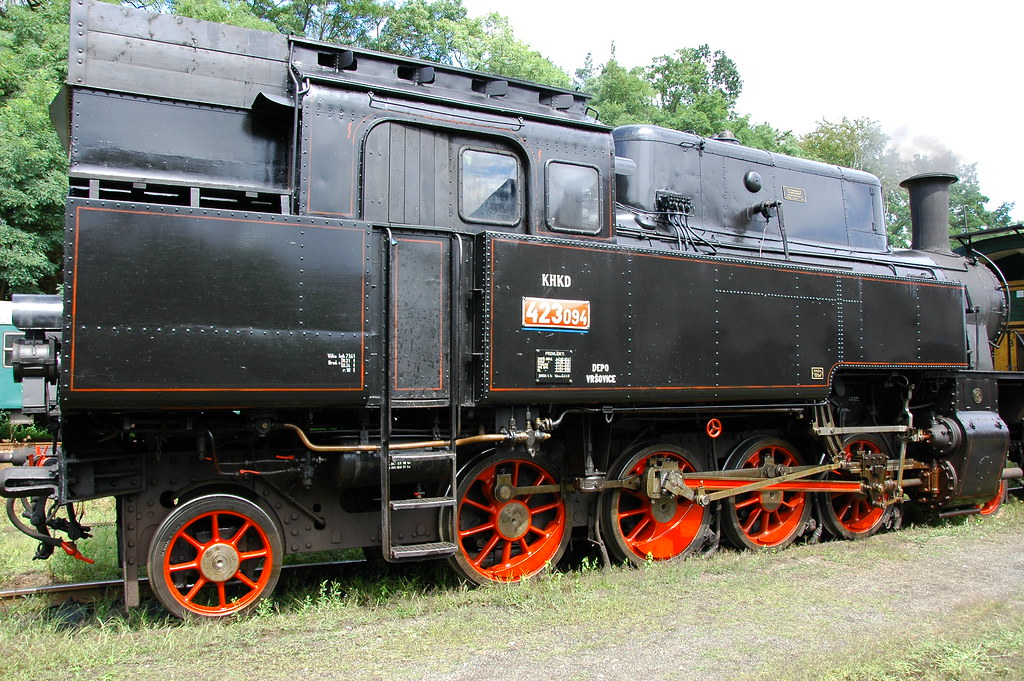
How do you test a Lionel locomotive before buying it used? A 5-minute inspection at the train show table or at a dealer's showroom can save you hundreds of dollars in unexpected repairs. This vibetrains.com guide walks you through the complete inspection checklist for buying used Lionel — visual checks, electrical tests, mechanical verification, and the diagnostic steps that protect you from buying a broken locomotive.
Quick Answer: Used Lionel Inspection Checklist
Before buying any used Lionel locomotive, check in this order. 1. Visual condition — paint, decals, damage, original parts. 2. Wheel and roller condition — wear, dirt, alignment. 3. Power-on test — does the locomotive run when placed on powered track? 4. Sound and smoke — do the electronic features work? 5. Motor and gear sounds — listen for grinding or unusual noises. 6. Original box and paperwork — adds 20-50% to value if present. The complete inspection takes 5-10 minutes per locomotive — well worth the time before parting with $200-$2,000+.
Step 1: Visual Condition Inspection
Start with the eyes. Hold the locomotive in good light and inspect from multiple angles. Paint condition: original factory paint should be consistent, glossy or semi-gloss as appropriate, with no brush marks visible under magnification. Check for repaints (see our counterfeit detection guide). Decals and lettering: factory lettering should be crisp but with slight period-appropriate imperfections. Too-perfect lettering on a piece advertised as postwar is a red flag. Damage: chips, cracks, missing detail parts, broken handrails, deformed pilots. Some honest wear is acceptable on used locomotives; major damage is reason to walk away.
Step 2: Component and Parts Inspection
Check that the locomotive is complete and consistent. All detail parts present: handrails, headlight lenses, smoke stack, whistle, bell. Missing parts are expensive to replace. Parts from the same era: postwar locomotives should have postwar couplers and trucks; modern locomotives should have modern. Frankenpieces (mixed-era parts) signal restoration or repair history. Original screws and fasteners: replacement screws are usually identifiable by finish. Multiple replacement screws suggest the locomotive has been opened repeatedly for repair work.
Step 3: Wheel and Pickup Roller Inspection
Turn the locomotive over and inspect the underside. Wheels: should be clean, properly aligned, free of excessive carbon buildup, and without visible wear pattern. Worn wheels indicate heavy use. Dirty wheels suggest poor maintenance — sometimes cleanable, sometimes a sign of deeper issues. Pickup rollers (the center-rail contacts): should rotate freely, sit at proper depth, and not show excessive wear. Worn rollers cause intermittent power pickup — a common cause of stalling locomotives. Drive rods and side rods on steam locomotives: should move smoothly when wheels are turned by hand; binding suggests mechanical issues.
Step 4: Power-On Test
The most important test. If the seller has a powered test track, ask to run the locomotive. If they don't, consider whether you want to risk buying without operational verification — most reputable dealers have test track for exactly this reason. Place the locomotive on powered track. Headlight should illuminate immediately on power. Slow throttle increase: locomotive should start smoothly without jerking or stalling. Forward and reverse: both directions should work cleanly. Smooth running at multiple speeds: low, medium, and high throttle should all produce smooth running. Stop and restart: from a stopped position, the locomotive should start cleanly without binding.
Step 5: Sound and Smoke Test
For locomotives with electronic features, verify each works. Bell and whistle/horn: should sound clearly without distortion. Smoke unit: should produce visible smoke within 30-60 seconds of power-on if fluid is in the unit (ask the seller if smoke fluid is current). Additional sound effects: crew talk, station announcements, brake squeal — test each via the LionChief app or LEGACY cab. Sound volume: should be consistent without intermittent dropouts or static. Failed electronic features are expensive to repair on modern Lionel; verify before buying.
Step 6: Motor and Gear Sound Inspection
Listen carefully while the locomotive runs. Normal sound: a smooth hum at speed, with the gear mesh sound but no grinding. Grinding or whining: indicates motor brush wear, gear damage, or lubrication issues. Expensive to repair. Clicking or knocking: usually indicates a damaged gear tooth or misaligned drive component. Intermittent stops: dirty wheels, worn pickup rollers, or motor brush issues. Smoke from the motor: emergency — power off immediately. A locomotive with motor smoke needs major repair.
Step 7: Inspect the Original Box and Paperwork
Original packaging matters. Original box: should match the era (postwar boxes look different from modern boxes), contain the proper foam inserts, and bear the correct model number. Reproduction boxes are common on the market — disclose-required but often not disclosed. Original paperwork: instruction manual, warranty card, sometimes a serialized authenticity card for premium pieces. Complete paperwork adds 10-20% to value. Receipt: original purchase receipt is rare on older pieces but valuable for in-warranty modern Lionel.
Step 8: Verify the Model Number and Era
Confirm the locomotive is what the seller claims. Find the model number on the underside, cab, or rivet plate. Cross-reference with Greenberg's Guide to Lionel Trains or our Lionel identification guide. Match production-year features to the era — does the construction, electronics, and paint scheme match what the catalog says about that model and year? Mismatches suggest restoration, repaint, or misrepresentation.
What to Pay for Used Lionel
Reference current market values before negotiating. For postwar Lionel: most pieces in C-7 condition trade in the $75-$400 range; premium pieces ($500-$1,500); rare variations ($1,500-$5,000+). For modern Lionel: LionChief sets at 60-80% of MSRP; LEGACY locomotives at 50-70% of MSRP after 5+ years; Vision Line at 70-85% if in C-8+ condition. For complete value guidance, see our Lionel value guide. Don't pay above market — the train will come around again.
Warning Signs That Should Stop the Sale
Walk away if you see: motor smoke or burning smell during test runs, visible internal damage through the smoke stack or open cab, obvious repaints sold as original, price significantly below market without clear explanation, seller unwilling to allow test running, broken or missing critical electronics on a piece sold as fully functional, excessive wear pattern suggesting hard use, or any seller hostility when you request inspection. Trust your gut — there's always another locomotive.
Buying Used Lionel Online
For online purchases (eBay, Trainz, dealer websites), you can't do hands-on inspection. Compensate with: detailed photos from multiple angles (request more if listed photos are inadequate), seller reputation — buy from established dealers with return policies, condition descriptions using TCA grading scale, operational guarantees from the seller covering at least 30 days, and return policy in writing before payment. For trusted online dealers, see our where to buy O-gauge trains guide.
Frequently Asked Questions
How do I know if a Lionel locomotive runs well? Place it on powered track, gradually increase throttle, listen for smooth running without grinding or stalling, verify forward and reverse operation, and test sound and smoke features. The complete operational test takes 3-5 minutes.
What should I look for when buying used Lionel? Original finish (no repaints), complete with all original parts, smooth running on test track, working electronics (sound, smoke, headlight), original box and paperwork, and pricing aligned with current market.
Can I return a used Lionel locomotive if it doesn't work? Depends on the seller. Established dealers (Trainz, Mario's, Charles Ro) offer return policies — typically 30 days with proof of issue. Private sales at train shows are usually final. eBay has buyer protection but it takes time and effort to invoke.
How much should used Lionel cost? Postwar Lionel in C-7 condition typically runs $75-$400; modern Lionel typically 50-70% of original MSRP after 5+ years. For specific pieces, see our Lionel value guide.
Is it safe to buy Lionel on eBay? Yes if you buy from established sellers with long feedback histories, request detailed photos before bidding, understand the return policy, and avoid prices that seem too good to be true. For details, see our counterfeit detection guide.
Final Word
Testing a Lionel locomotive before buying used is the single best way to avoid expensive disappointments. The 5-10 minute inspection checklist in this guide protects you across every major risk: cosmetic misrepresentation, mechanical problems, electronic failures, and pricing above market. Take the time at the show table, the dealer showroom, or by requesting detailed photos online. The Lionel community is full of honest sellers and quality locomotives — but the bad ones exist too, and the inspection is your defense. For broader buying context, see our where to buy O-gauge trains guide.
Newsletter
Weekly O-gauge tips & reviews
New reviews, layout ideas, and hobby news — straight to your inbox.