How to Fix a Noisy Lionel Locomotive (Grinding, Squealing, Clicking): Complete 2026 Repair Guide
November 17, 2026
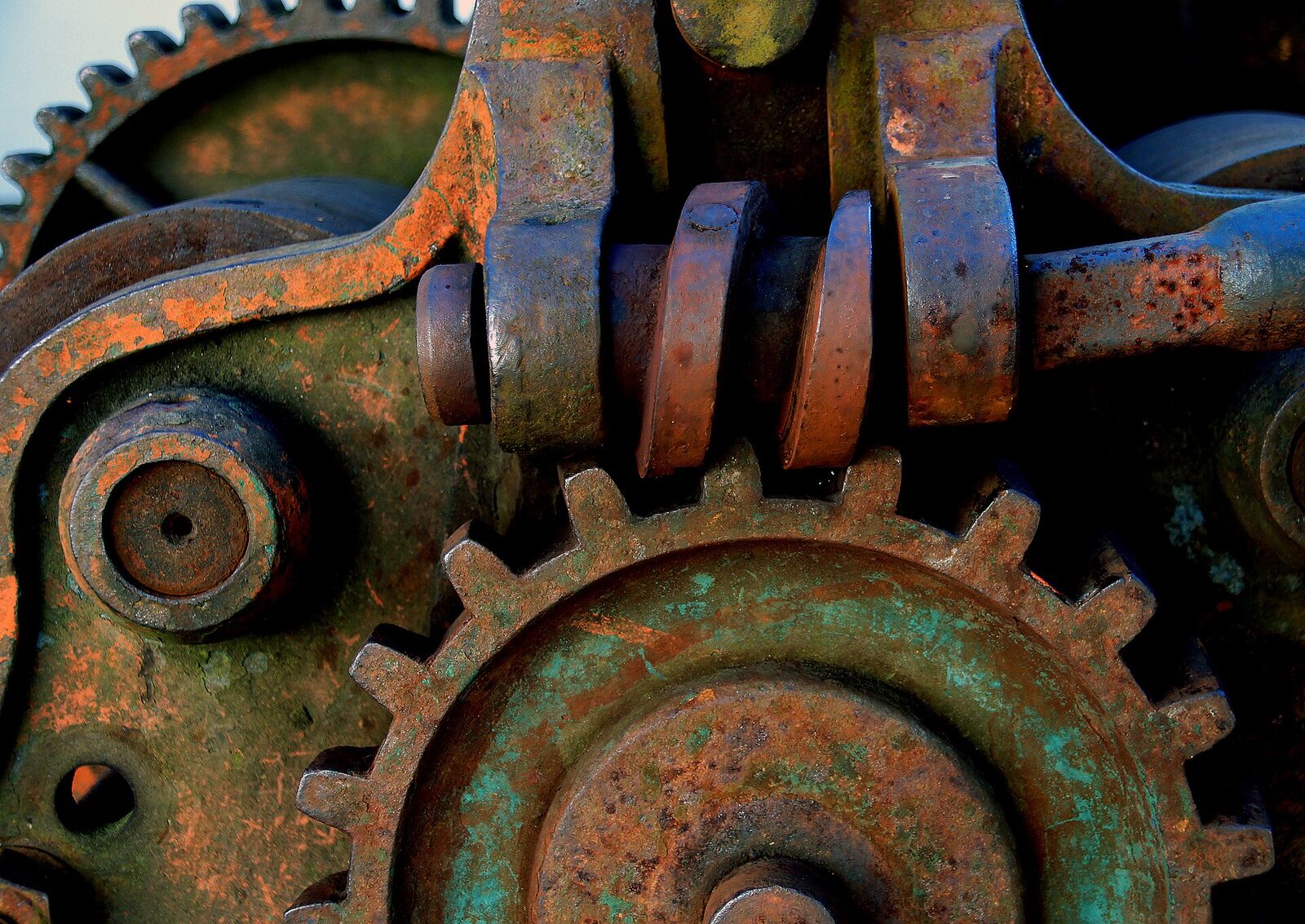
A Lionel locomotive that used to purr now grinds, squeals or ticks as it goes around the layout. Noise is one of the best diagnostic tools you have, because each kind of sound points to a different part. This guide sorts locomotive noises by what they sound like, explains the likely cause of each, and walks through the fix, along with the warning signs that mean you should stop running the engine until it is repaired.
Stop right away if the noise comes with a burning smell, smoke from anywhere other than the smoke unit, a sudden loss of speed, or the engine stalling. Running a binding drivetrain can overheat the motor and strip gears.
Before You Start
- Listen on a test loop. Run the engine slowly in both directions on clean track and note when the noise happens: all the time, only under load, only at speed, or once per wheel turn.
- Check with power off. On engines without worm drives, you can roll the engine gently by hand to feel for binding. Many modern Lionel and MTH engines use worm-gear drives that do not roll freely by hand. Do not force them, or you can damage the gears.
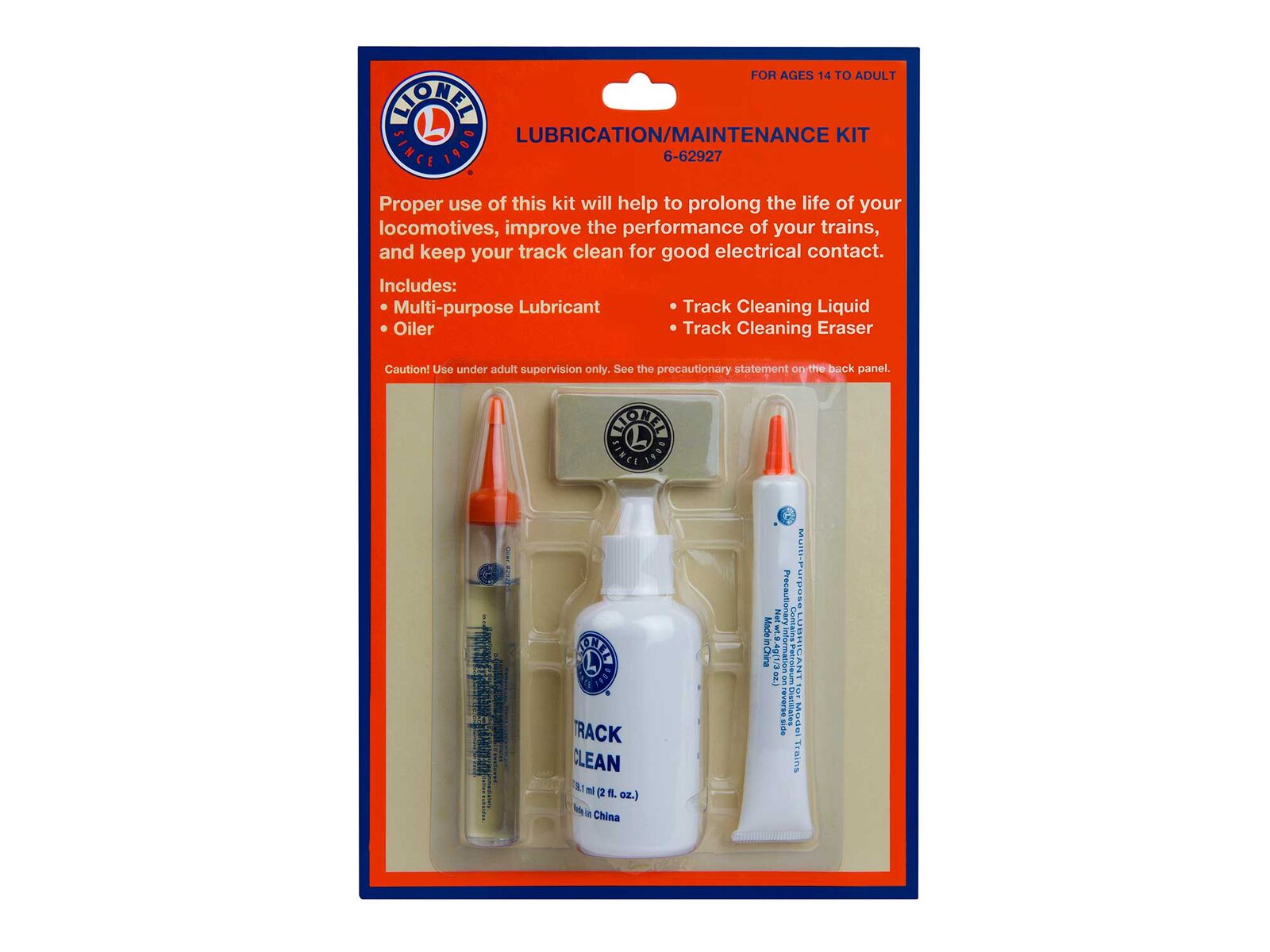
- Have the right lubricants. Light hobby oil for bearings and axles, hobby grease for gears, both safe for plastic. Never use WD-40 or household oils.

Grinding: Dry, Dirty or Damaged Gears
A steady grinding or growling that gets louder with speed almost always comes from the gears.
- Dry gears. Gear grease wears away and dries out over time. Remove the shell, clean the old grease off the gears with a swab or soft brush, and apply a thin coat of fresh hobby grease.
- Old, hardened grease. On engines that sat for years, old lubricant turns into a sticky varnish that makes gears labor and grind. Clean it out completely before re-greasing. Our guide to reviving stored trains covers this in detail.
- Debris in the gears. Ballast, carpet fibers, pet hair and tinsel get wound around axles and into gearboxes. Pick it out with tweezers and check every axle.
- Damaged teeth. If grinding continues after cleaning and lubrication, or you hear a crunch, look for chipped or stripped gear teeth or a worn worm gear. Damaged gears need replacement, which is often a job for a Lionel service provider.
- Too much oil on the gears. Oil flings off gears and attracts dirt; gears want grease. Wipe off excess oil and grease them properly.
Squealing or Whining: Dry Bearings and Motor Wear
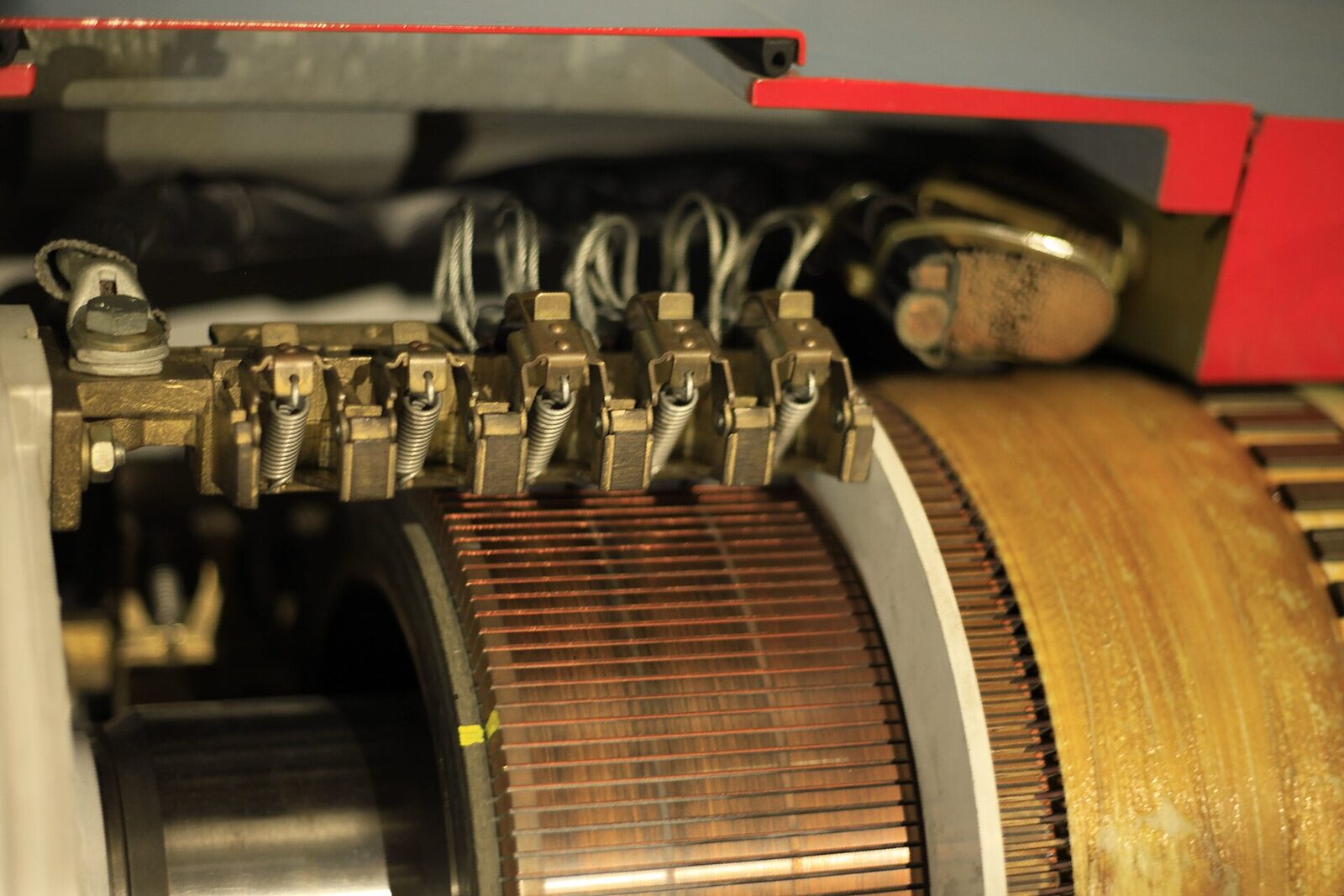
A high-pitched squeal or whine usually comes from a dry bearing or the motor itself.
- Motor bearings. Put one small drop of light oil on each motor bearing. Too much oil can reach the commutator and brushes and cause new problems.
- Axle bearings. Oil each driver and truck axle where it rides in the frame, one small drop each.
- Worn motor brushes. On older motors with replaceable brushes, worn brushes can squeal or spark and make the engine run weakly. See our motor brush repair guide.
- Something rubbing. A flywheel, wire or loose part rubbing against the motor or frame makes a scraping whine. Look for shiny wear marks inside the shell.
Clicking or Ticking: Once Per Wheel Turn
A rhythmic click that keeps time with the wheels points to something on the running gear.
- Debris on a gear or wheel. A single bit of ballast or dried grease on a gear tooth or wheel tread will click once per revolution. Clean it off.
- A cracked or chipped gear tooth. Like debris, but it will not clean away. The gear needs replacement.
- Loose or binding side rods. On steam engines, check the side rod and main rod screws and crankpins. A loose screw clicks; a bent rod binds and clunks. Tighten loose screws gently and have bent rods straightened or replaced.
- Traction tires. A stretched, twisted or partly loose traction tire makes a bump once per revolution. Replace it.
- Pickup rollers. A dry or worn pickup roller can tick or chatter as it rolls. Our pickup roller guide covers cleaning and replacement.
Squeaks From Tenders and Rolling Stock
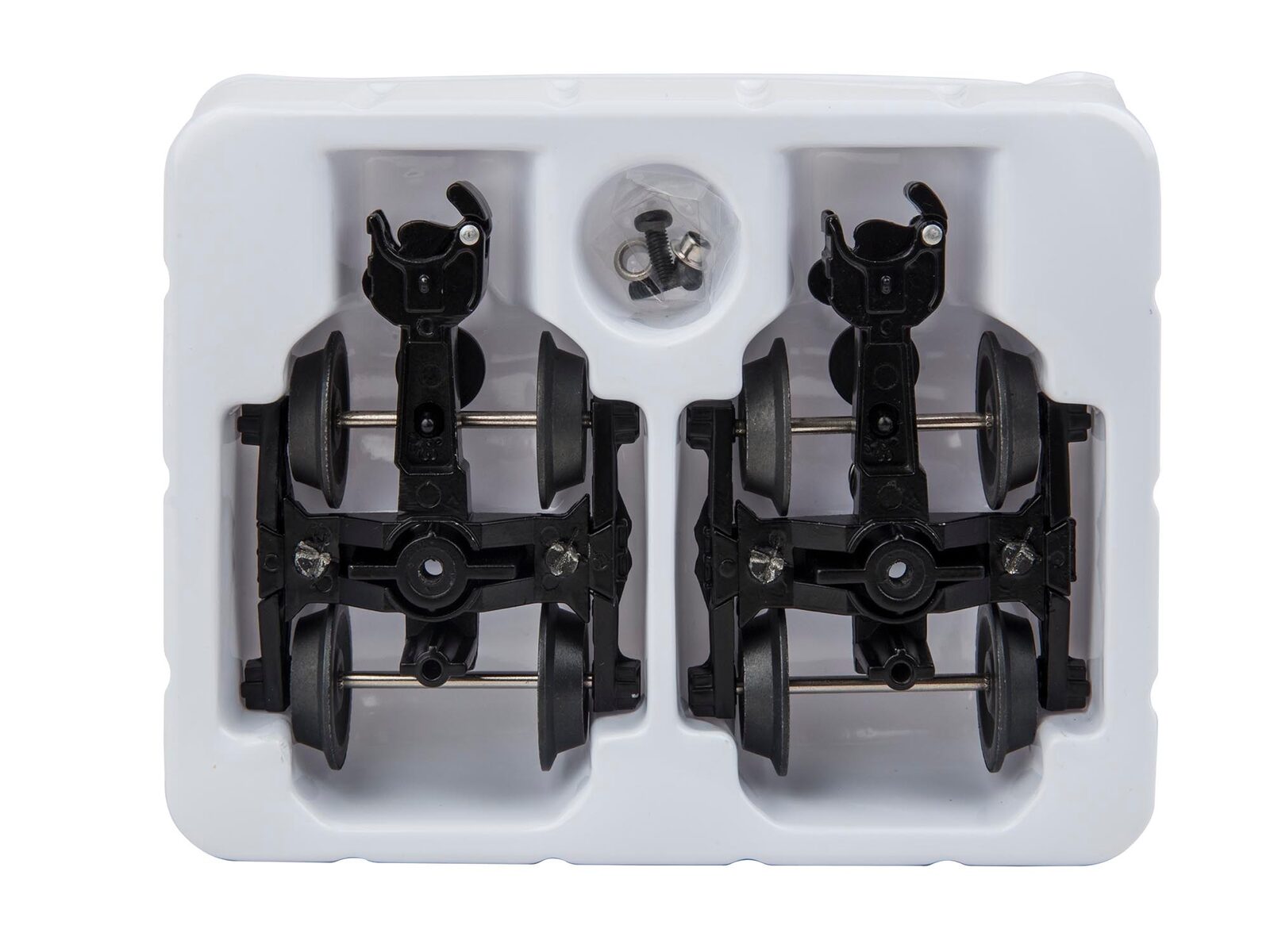
Sometimes the locomotive is innocent. A squeak that follows the train can come from a tender or car:
- Put a tiny drop of light oil where each axle meets its truck.
- Check that each truck swivels freely and is not rubbing on the car body.
- Clean dirty wheel treads, which can also cause noise and poor running. Our Lionel cleaning guide covers wheels and trucks.
Buzzing, Humming and Speaker Crackle
- Buzzing from a postwar engine sitting in neutral: the E-unit reversing switch or the transformer can buzz. A loud, persistent buzz is worth checking; see our reverse unit repair guide.
- Crackle or popping from the speaker: sound systems cut out and restart when the engine briefly loses power, so dirty track, wheels or rollers often show up as audio crackle. Clean them first. A rattle at certain volumes can mean a loose speaker or shell screw.
When to Send It Out
If the noise survives cleaning and lubrication, or you find damaged gears, bent rods or a motor that runs hot, have it serviced. Lionel lists out-of-warranty service providers on its website, and many local train shops do repairs. For newer engines still under warranty, contact the manufacturer before opening the shell.
Quick Checklist
- Stop immediately if there is a burning smell, unexpected smoke or stalling.
- Note when the noise happens: always, under load, at speed or once per wheel turn.
- Clean out old grease and debris; grease gears, oil bearings and axles sparingly.
- Check motor brushes on older motors.
- Inspect side rods, crankpins and traction tires on steam engines.
- Oil tender and car axles if the squeak follows the train.
- Clean track, wheels and rollers if the speaker crackles.
- Send it out for damaged gears, bent rods or a hot motor.
Frequently Asked Questions
Why is my Lionel locomotive grinding?
Usually dry or dirty gears, old hardened grease, or debris in the gearbox. Clean the gears and apply fresh hobby grease. If the grinding continues, a gear may be damaged.
Why does my train squeal?
A dry motor bearing or axle is the most common cause. One small drop of light hobby oil on each bearing usually fixes it.
What causes a clicking noise once per wheel turn?
Debris on a gear or wheel, a cracked gear tooth, a loose side rod screw on a steam engine, or a damaged traction tire.
Should I use WD-40 on my Lionel train?
No. Use light hobby oil for bearings and axles and hobby grease for gears, both safe for plastic parts.
Can I turn the wheels by hand to check for binding?
On engines without worm drives, gently, with the power off. Many modern engines use worm-gear drives that do not roll freely by hand, and forcing them can damage the gears.
Newsletter
Weekly O-gauge tips & reviews
New reviews, layout ideas, and hobby news, straight to your inbox.