How to Fix a Lionel Reverse Unit That Won't Reverse: Complete 2026 Repair Guide
November 2, 2026
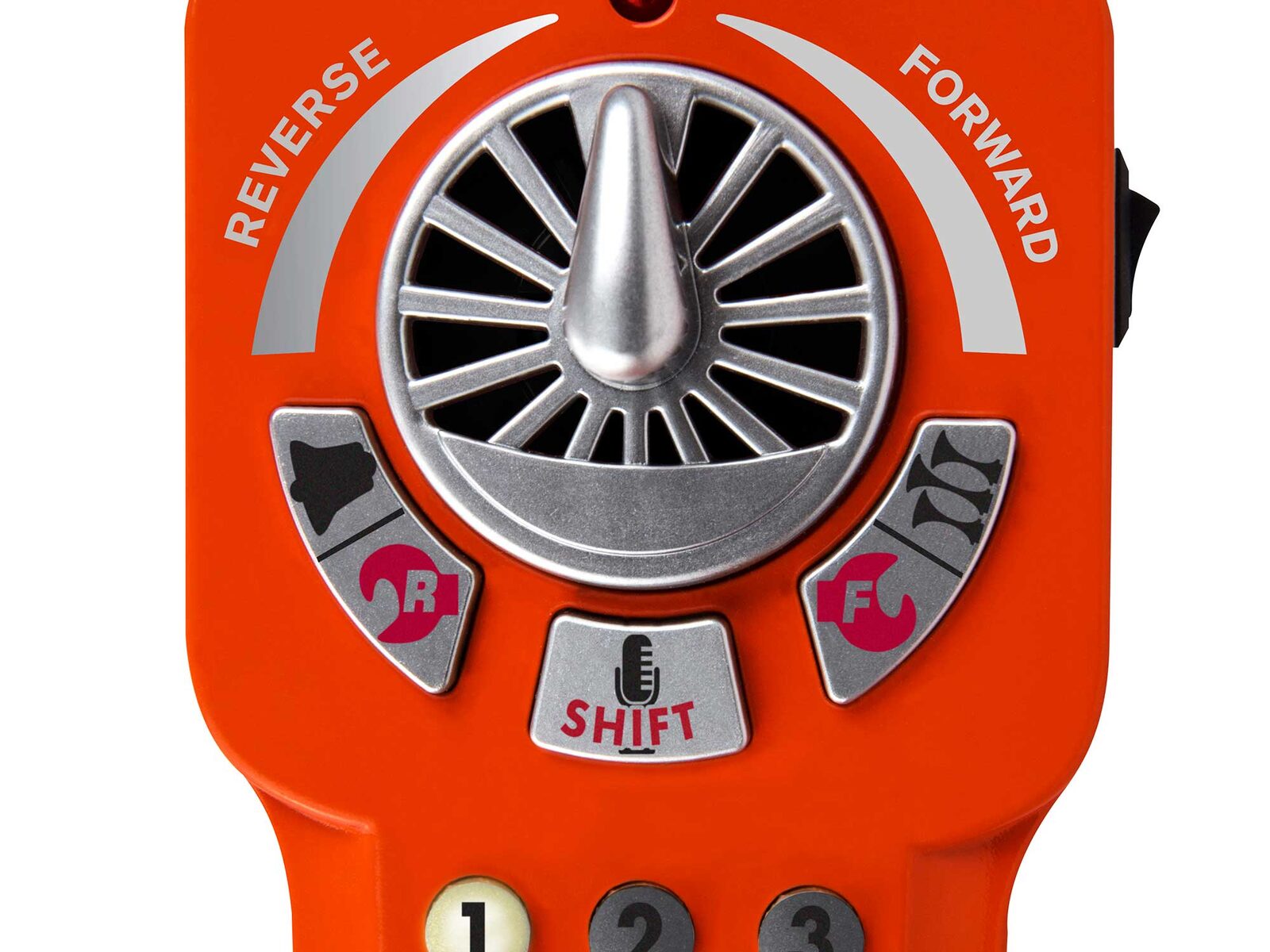
A Lionel locomotive that won't reverse (stuck in forward, stuck in reverse, or cycling incorrectly) is one of the most frustrating electrical problems in O-gauge railroading. The locomotive runs, the lights work, but you can't change direction. The underlying failures are specific to the locomotive's reverse unit (E-unit on postwar, electronic reverser on modern). This complete 2026 guide walks through diagnosing and fixing Lionel reverse unit problems: the specific failure modes for postwar E-units and modern electronic reversers, step-by-step repair, and the critical differences between era-specific approaches.
How Lionel Reversing Works
Reversing systems differ dramatically by era:
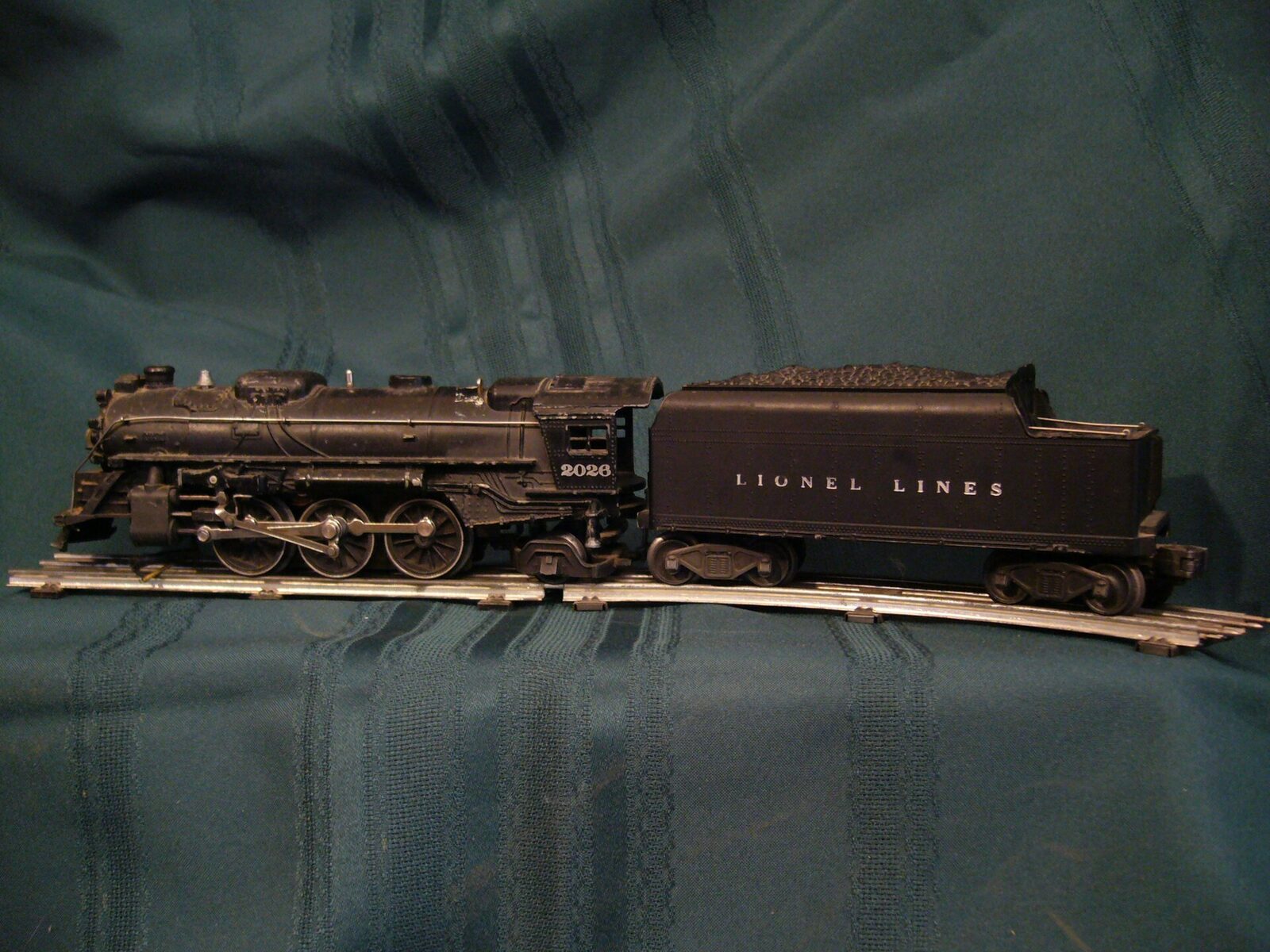
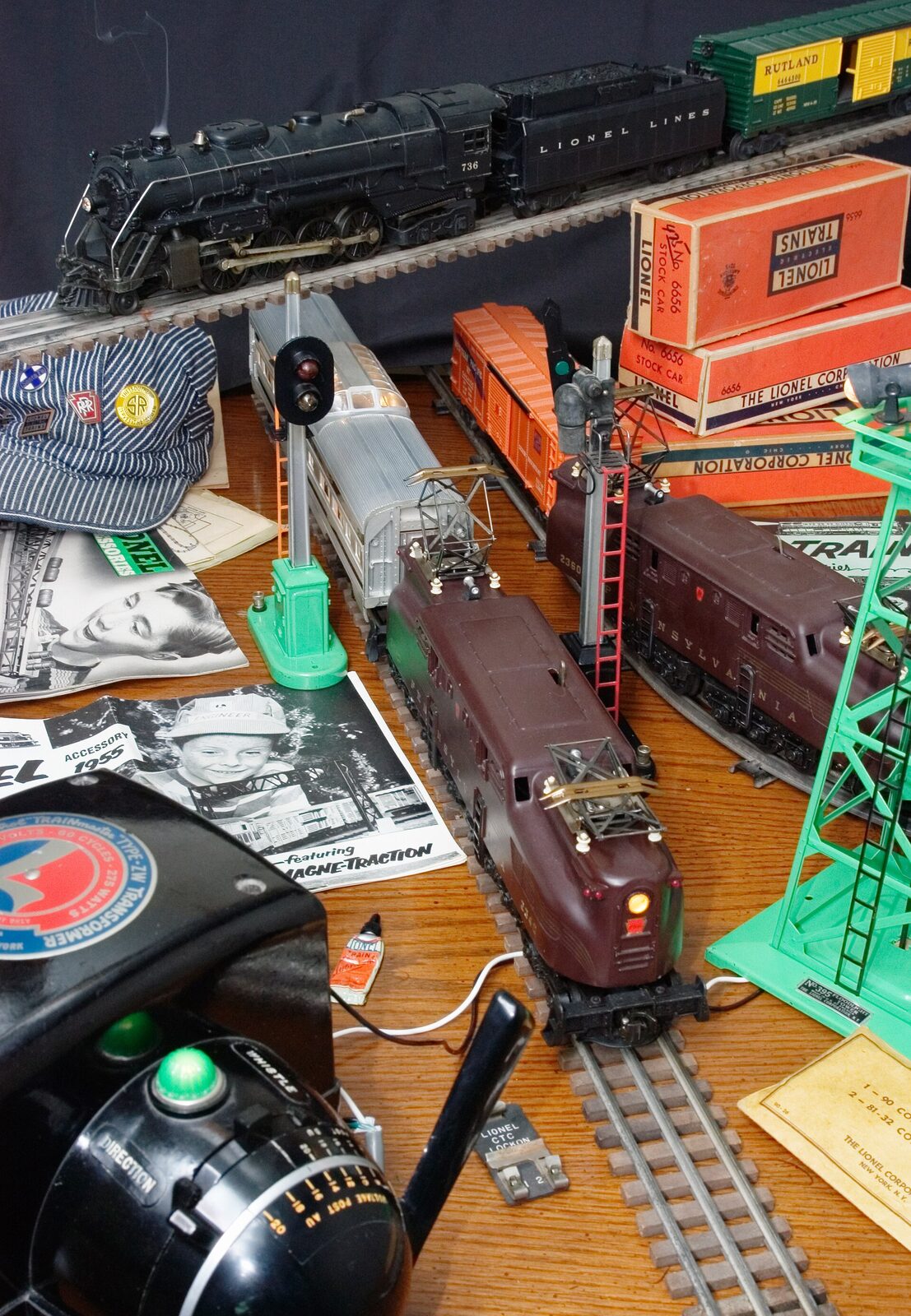
Postwar E-unit (1946-1969): Mechanical reversing drum rotated by electromagnet. Pressing track power on triggers the drum to cycle through directions (forward/neutral/reverse/neutral). Classic Lionel reverser design.
MPC/early modern (1970s-1990s): Updated E-unit designs with similar mechanical principles but modern materials.
LionChief Bluetooth 5.0 (current): Electronic direction control via Bluetooth command. No mechanical reverser.
TMCC/LEGACY (modern): Electronic direction control via command system. Programmable direction behavior.
Vision Line (current): Electronic direction control with Vision Line specific features.
Common Reverse Unit Failures
Postwar E-unit Failures
Carbon buildup on contacts: Most common. 60+ years of operation accumulate carbon on E-unit contact drums. Causes erratic cycling.
Stuck drum: Mechanical drum doesn't rotate smoothly. Causes failure to change direction.
Weak electromagnet: Electromagnet loses magnetic force over time. Causes failure to trigger drum rotation.
Broken spring: Drum return spring breaks. Drum stuck in wrong position.
Contact wear: E-unit contacts wear with repeated operation. Causes poor electrical contact in specific drum positions.
Modern Electronic Reverser Failures
Command system settings: LEGACY/TMCC direction setting incorrect. Not actual failure, just configuration.
Firmware issue: LEGACY firmware occasionally has direction control issues.
Capacitor failure: Electronic reversers can develop capacitor failures affecting direction switching.
Driver IC failure: Rare but possible, driver IC on reverser board fails.
Step 1: Identify the Specific Failure Mode
Postwar locomotive:
- Locomotive won't reverse at all → Stuck drum, electromagnet failure
- Locomotive cycles incorrectly → Carbon buildup, drum timing
- Locomotive sometimes reverses, sometimes doesn't → Carbon buildup, worn contacts
- Locomotive stuck in neutral → Drum in wrong position
- Locomotive stuck in one direction → Drum frozen in that position
Modern locomotive:
- Won't reverse at all → Command system setting, electronic failure
- Reverses erratically → Firmware issue, electronic degradation
- Direction change at wrong times → Programming or firmware issue
- Normal operation after reset → Transient command system issue
Step 2: Postwar E-unit Repair
Most postwar reverse unit problems resolve with cleaning:
Materials Needed
- Isopropyl alcohol (90%+)
- Cotton swabs
- Fine abrasive (600+ grit) for severe cases only
- Light machine oil
- Compressed air
- Small screwdrivers
- Replacement contacts (if needed)
Process
Step 1: Access the E-unit. Remove locomotive shell. Locate E-unit (typically mounted on top of motor assembly).
Step 2: Visual inspection. Note position of drum, condition of contacts, spring condition.
Step 3: Clean contacts. Alcohol-soaked cotton swab on all contact surfaces. Rotate drum by hand to access all positions. Clean each contact surface.
Step 4: Clean drum. Alcohol on drum surface. Rotate drum through all positions during cleaning.
Step 5: Light sanding (severe cases only). 600+ grit paper on drum contact surfaces. Light touch only. Alcohol wipe after.
Step 6: Lubricate drum pivot. One drop of light machine oil on drum pivot axle. Avoid oil on contact surfaces.
Step 7: Verify spring tension. Drum return spring should pull drum back to neutral position when electromagnet releases. Replace spring if broken or weak.
Step 8: Test operation. Reassemble locomotive. Test reversing cycle on track.
Time: 30-60 minutes per locomotive.
Step 3: Postwar Electromagnet Issues
If cleaning doesn't resolve, inspect electromagnet:
Visual inspection: Electromagnet coil visible on E-unit. Check for burn marks, damage, broken wires.
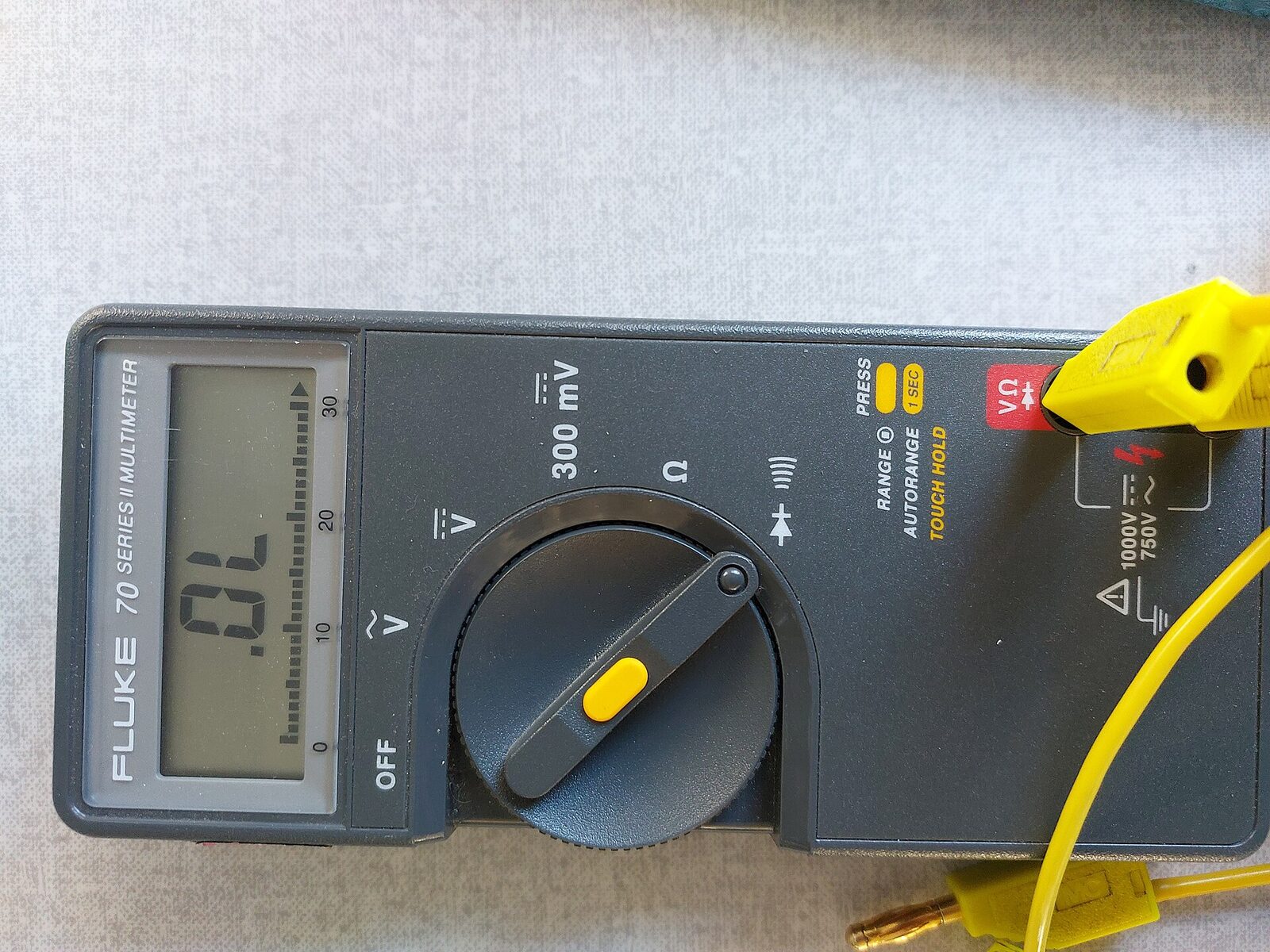
Continuity test: Multimeter across electromagnet terminals. Open circuit indicates failed electromagnet.
Replacement: Lionel parts program and specialty parts dealers carry replacement electromagnets. $15-$35 per unit.
Installation: Remove failed electromagnet, install replacement with same orientation, verify operation.
Step 4: Modern Electronic Reverser Troubleshooting
Command System Settings First
LionChief Bluetooth: Verify direction control in LionChief app. Toggle app controls to reset.
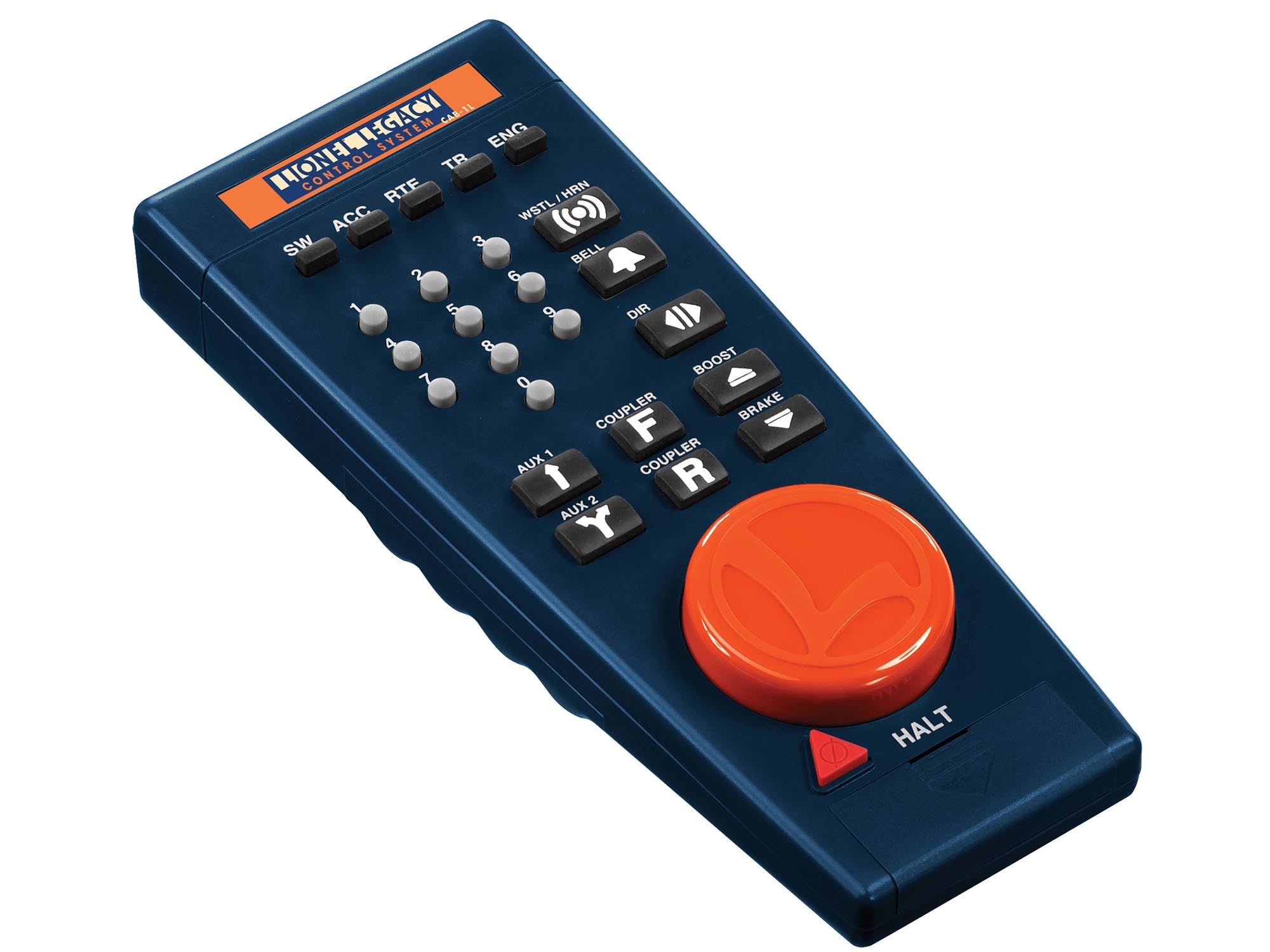
TMCC: Verify TMCC direction command via CAB-1 or CAB-1L. Base and controller IDs correct.
LEGACY: Verify LEGACY direction command via CAB-2 or LEGACY app. Momentum settings not blocking direction change.
Reset locomotive: Power cycle locomotive. Many electronic direction issues resolve with reset.
Firmware reset (LEGACY): Programming sequence to reset LEGACY to factory defaults. Specific sequence per locomotive model.
Electronic Reverser Component Issues
Visual inspection: Access reverser circuit board. Visible damage, burn marks, loose components identify failure.
Capacitor inspection: Visible bulging or leaking capacitors on reverser board indicate failure. Specialist repair needed.
Driver IC inspection: IC chip failure visible as burn marks or physical damage. Replacement requires circuit board work.
Authorized service: Modern electronic reverser repair typically requires authorized Lionel service for warranty preservation and proper component replacement.
Specific Symptoms and Diagnoses
"Postwar locomotive moves then reverses on its own": Partial E-unit failure. Carbon buildup or electromagnet degradation. Clean E-unit.
"Postwar locomotive stuck in forward": Drum frozen in forward position. Cleaning should resolve. If not, drum axle may be stuck.
"Modern LEGACY won't reverse at command": Command system setting first. Then firmware. Then service.
"LionChief sometimes reverses, sometimes doesn't": Command system intermittent, Bluetooth connection, battery, settings.
"Postwar reverses but very slowly": Drum partially stuck or electromagnet weak. Mechanical repair.
"Postwar makes clicking sound but doesn't reverse": Electromagnet energizing but drum not rotating. Mechanical binding or spring issue.
When to Call Lionel Service
- LEGACY electronic reverser internal repair
- Vision Line specific reverser work
- Postwar E-unit restoration where authenticity matters
- Firmware updates for LEGACY issues
- Warranty-period failures
- Complex component replacement
Lionel Customer Service: 732-635-5300. Authorized postwar and modern service centers available.
Preventive Maintenance
Postwar E-units:
- Annual cleaning with alcohol
- Light lubrication of drum axle
- Visual inspection of contacts and spring
- Replace springs every 10-15 years
Modern electronic reversers:
- Regular firmware updates via CAB-2 when available
- Verify command system settings periodically
- Clean track and pickup rollers (poor current delivery affects direction switching)
- Service after any derailment or impact damage
Frequently Asked Questions
How much does reverse unit repair cost?
Postwar DIY cleaning: $5-$15 in materials. Postwar E-unit replacement: $25-$75 in parts. Modern electronic reverser authorized service: $100-$300.
Can I replace a postwar E-unit with modern electronic?
Yes, through conversion kits. Changes locomotive character and value. Not recommended for collector-grade pieces.
Why does my LEGACY locomotive sometimes refuse to reverse?
Usually command system setting or firmware. Try reset first. Service if problem persists.
Does E-unit cleaning hurt postwar collector value?
No. Routine mechanical maintenance preserves functionality. Over-aggressive sanding of contacts does reduce value.
What's the easiest reverser troubleshooting step?
For modern: power cycle locomotive. For postwar: alcohol-swab E-unit contacts.
Verdict
Postwar reverse unit problems typically resolve through alcohol cleaning (60-70% of cases). Modern electronic reverser issues often resolve through command system reset and settings verification. Full component replacement is rare but available for persistent issues. For related repair guidance, see our pickup roller repair guide, our headlight repair guide, our horn/whistle repair guide, our coupler repair guide, and our postwar restoration guide.
Newsletter
Weekly O-gauge tips & reviews
New reviews, layout ideas, and hobby news — straight to your inbox.