How to Fix Lionel Pickup Rollers That Spark or Chatter: Complete 2026 Repair Guide
October 29, 2026
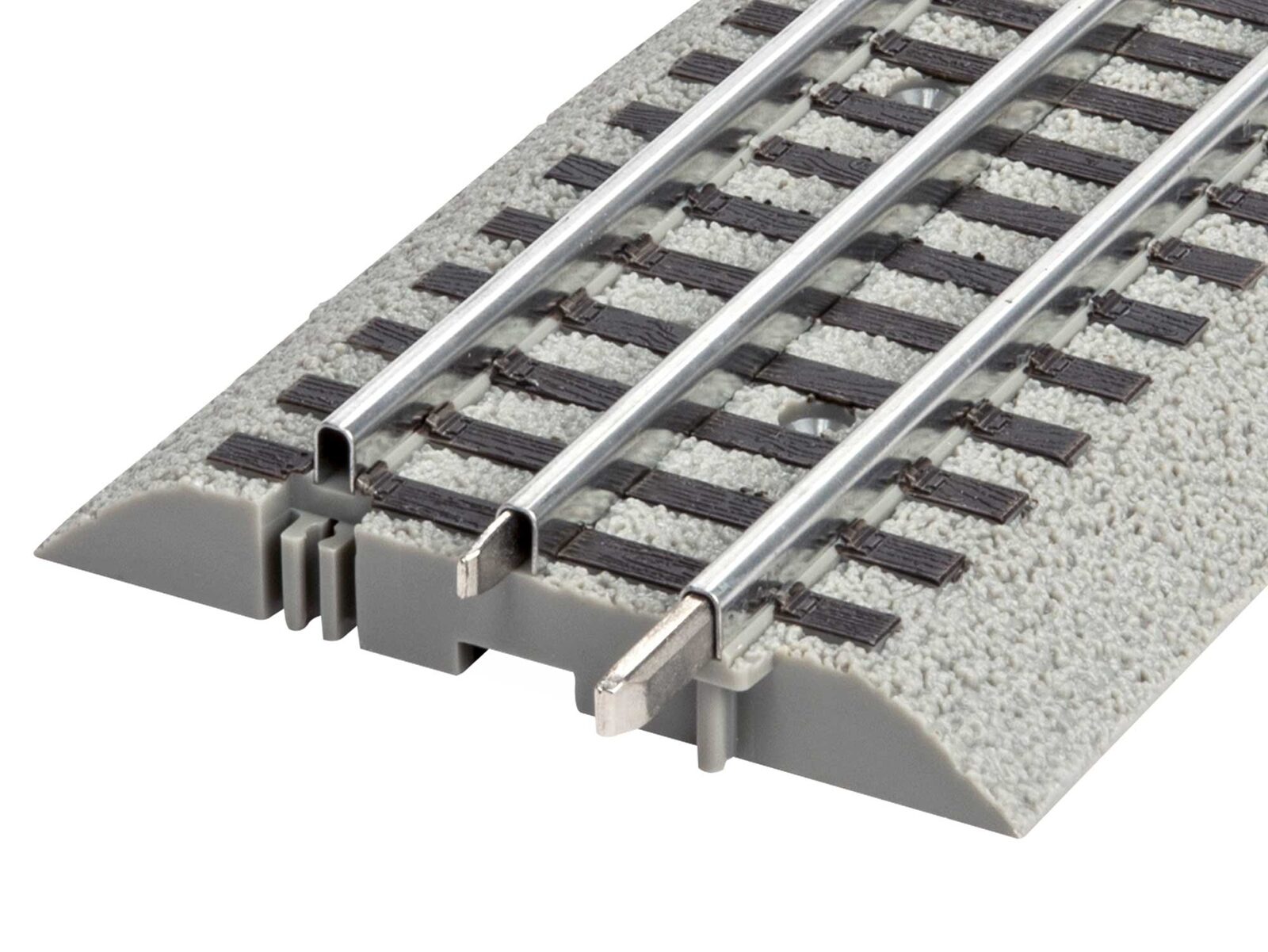
Pickup rollers that spark, chatter, or deliver intermittent power are one of the most common operational complaints on O-gauge Lionel equipment. The locomotive runs but hesitates. Lights flicker. Sound cuts out. You see visible sparking at the center rail. Sometimes it's a 30-second cleaning fix; sometimes it's component replacement. This complete 2026 guide walks through diagnosing and fixing Lionel pickup roller problems: the specific failure modes, the step-by-step repair for each, preventive maintenance, and the specific postwar vs modern considerations.
How Pickup Rollers Work
Lionel 3-rail O-gauge locomotives collect power from the center rail via pickup rollers mounted on the chassis. The pickup roller rolls along the center rail as the locomotive moves, delivering electrical current to the motor and electronics. Simple design but subject to specific failures.
Standard pickup roller components:
- Roller wheel (brass or steel)
- Roller axle
- Pickup roller bracket (holds roller in position)
- Spring tension (keeps roller pressed against center rail)
- Electrical lead (carries current from roller to locomotive electronics)
Common Pickup Roller Failures
Six specific failure modes:
Oxidation/dirt on roller surface: Most common. Dirty roller doesn't make good electrical contact with center rail. Causes sparking and intermittent current.
Worn roller surface: Over years of operation, roller develops flat spots or uneven wear. Causes chatter and inconsistent contact.
Weak spring tension: Pickup roller spring loses tension over time. Reduced contact pressure means intermittent current delivery.
Loose electrical connection: Wire from roller to electronics loosens at connection points. Causes complete power loss or intermittent operation.
Bent pickup bracket: Physical damage from derailment or rough handling bends the pickup bracket. Roller doesn't contact rail properly.
Center rail issues (not roller fault): Dirty, oxidized, or damaged center rail. The locomotive isn't the problem: the track is.
Step 1: Identify the Specific Failure
Observe during operation:
Sparking visible at center rail: Dirty roller OR dirty rail OR arcing from poor contact.
Chatter sound as locomotive moves: Worn roller surface (flat spots) OR weak spring tension.
Lights/sound cut out intermittently: Intermittent current, any of the failures above.
Locomotive runs then stops: Current reaches locomotive but drops under load. Weak spring or dirty roller/rail.
Complete power loss: Likely wiring failure or completely failed roller.
Problem on specific track sections only: Track issue, not locomotive. Check track joints and center rail cleanliness.
Step 2: Clean the Pickup Roller (Most Common Fix)
Approximately 60-70% of pickup roller problems resolve at this step:
Materials needed: Isopropyl alcohol (90%+), cotton swabs, soft brush, optional fine abrasive (very light sanding only).
Process:
1. Remove locomotive from track.
2. Turn locomotive upside down to expose pickup rollers.
3. Rotate roller by hand to inspect full surface.
4. Alcohol-soaked cotton swab, apply to full roller surface. Rotate roller while swabbing.
5. For heavy oxidation only, very light sanding with 600+ grit paper. Light touch: do not remove original material.
6. Alcohol wipe after any sanding.
7. Blow out roller area with compressed air.
8. Return locomotive to track, test operation.
Time: 10-15 minutes per locomotive.
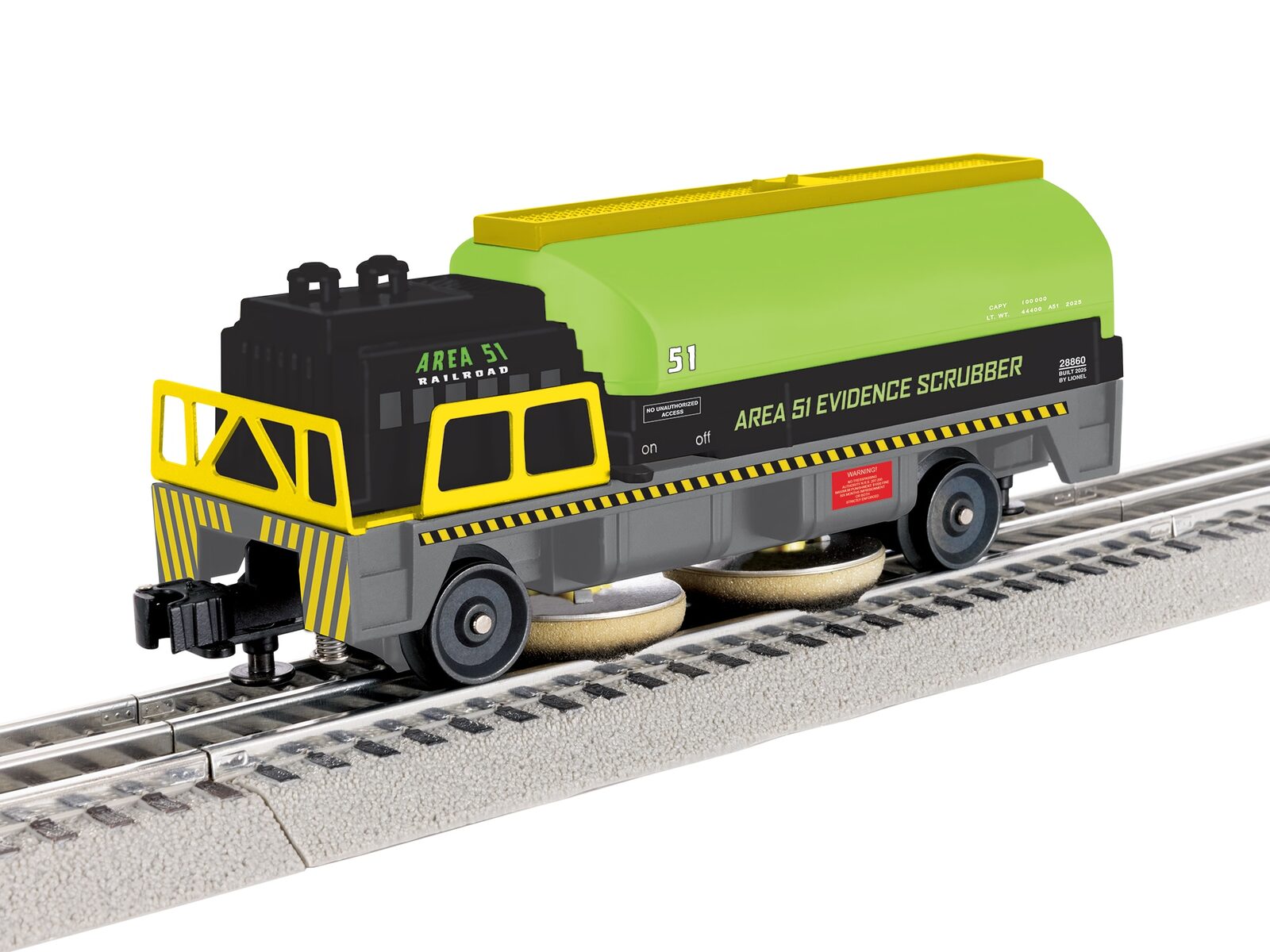
Step 3: Clean the Center Rail
If roller cleaning doesn't resolve, clean the center rail:
Materials: Isopropyl alcohol, lint-free cloth, Lionel track cleaning solution (optional).
Process:
1. Alcohol-soaked cloth, wipe entire center rail of layout.
2. Pay particular attention to track joints where oxidation concentrates.
3. For heavy oxidation, light steel wool or Lionel track cleaning pads.
4. Blow dust from track with compressed air.
5. Test operation.
Preventive: Monthly center rail cleaning prevents accumulation that affects pickup roller performance.
Step 4: Check Spring Tension
If cleaning doesn't resolve, inspect spring tension:
Visual inspection: With locomotive upside down, look at pickup roller spring. Weak or compressed spring visible.
Finger test: Press roller upward. Should spring back firmly. Weak spring compresses easily and returns slowly.
Replacement: Pickup roller springs available through Lionel parts program. $2-$5 per spring. Simple drop-in replacement.
Installation: Remove roller bracket, replace spring, reinstall. 10-15 minutes.
Step 5: Check Electrical Connections
If spring is good, inspect electrical connections:
Visual inspection: Follow pickup roller wire from roller bracket to locomotive electronics. Loose connections, broken solder joints, frayed wires all identifiable.
Terminal condition: Terminal screws tight. Spring-clip terminals holding wire securely.
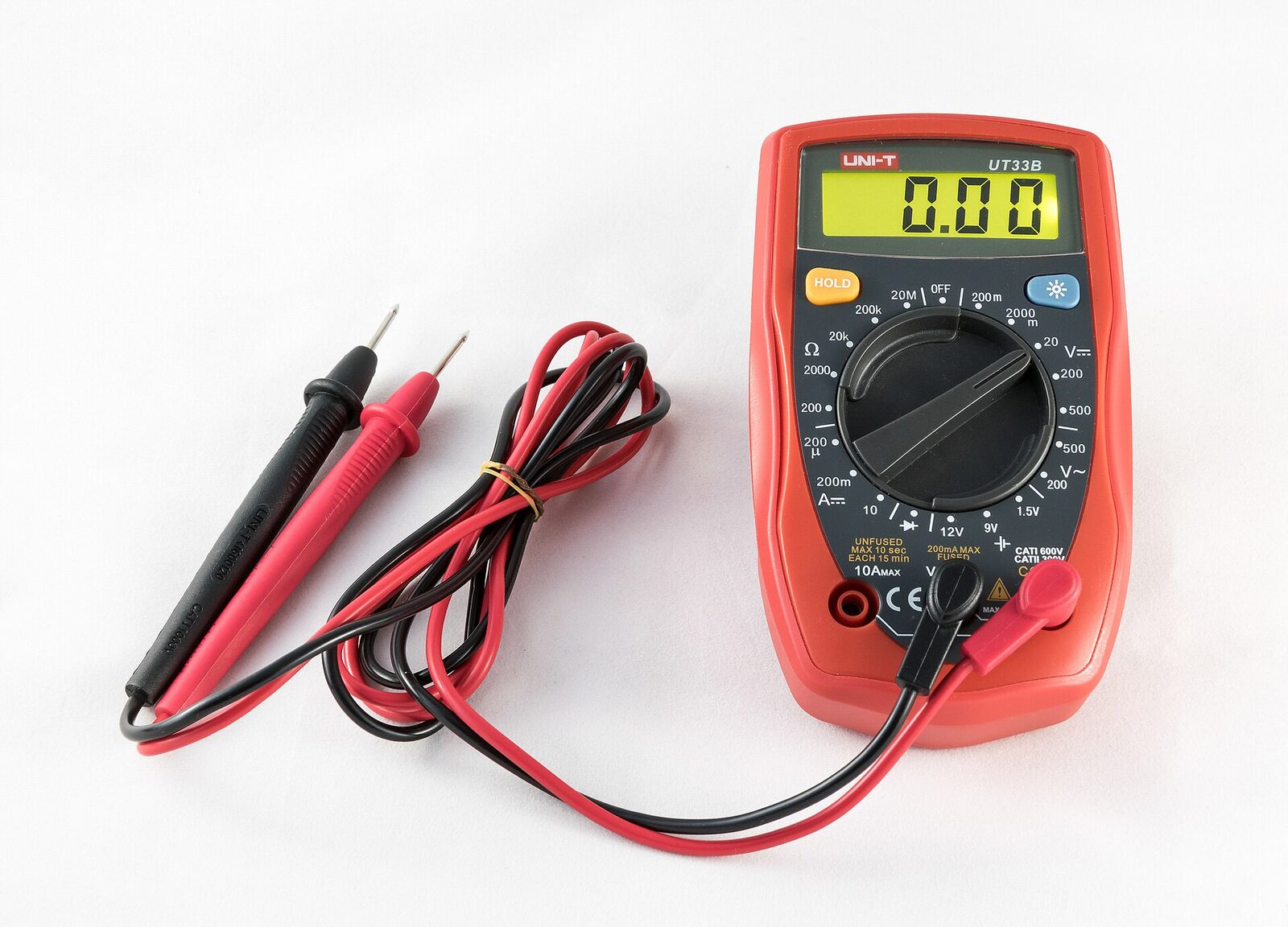
Continuity test: Multimeter continuity check from roller to electronics input. Any break identifies the failure point.
Repair: Resolder loose connections. Replace broken wires. Clean oxidation from terminals with alcohol.
Step 6: Check Pickup Bracket
If other steps don't resolve, inspect pickup bracket:
Visual inspection: Pickup roller should be level across its full width. Bent bracket causes uneven contact.
Alignment: Verify roller contacts center rail evenly across full roller width.
Repair: Carefully straighten bent bracket with needle-nose pliers. Light pressure: brackets are usually thin metal.
Replacement: If bracket is severely damaged, replacement brackets available through Lionel parts program.
Step 7: Replace the Pickup Roller
If roller surface is severely worn with flat spots or deep groove wear, replacement:
Replacement cost: $5-$12 per roller through Lionel parts program.
Installation: Remove roller axle (typically a small cotter pin or screw retention), install replacement, verify free rolling.
Testing: Spin roller by hand to verify smooth rotation. No binding or stiffness.
Specific LEGACY/Vision Line Considerations
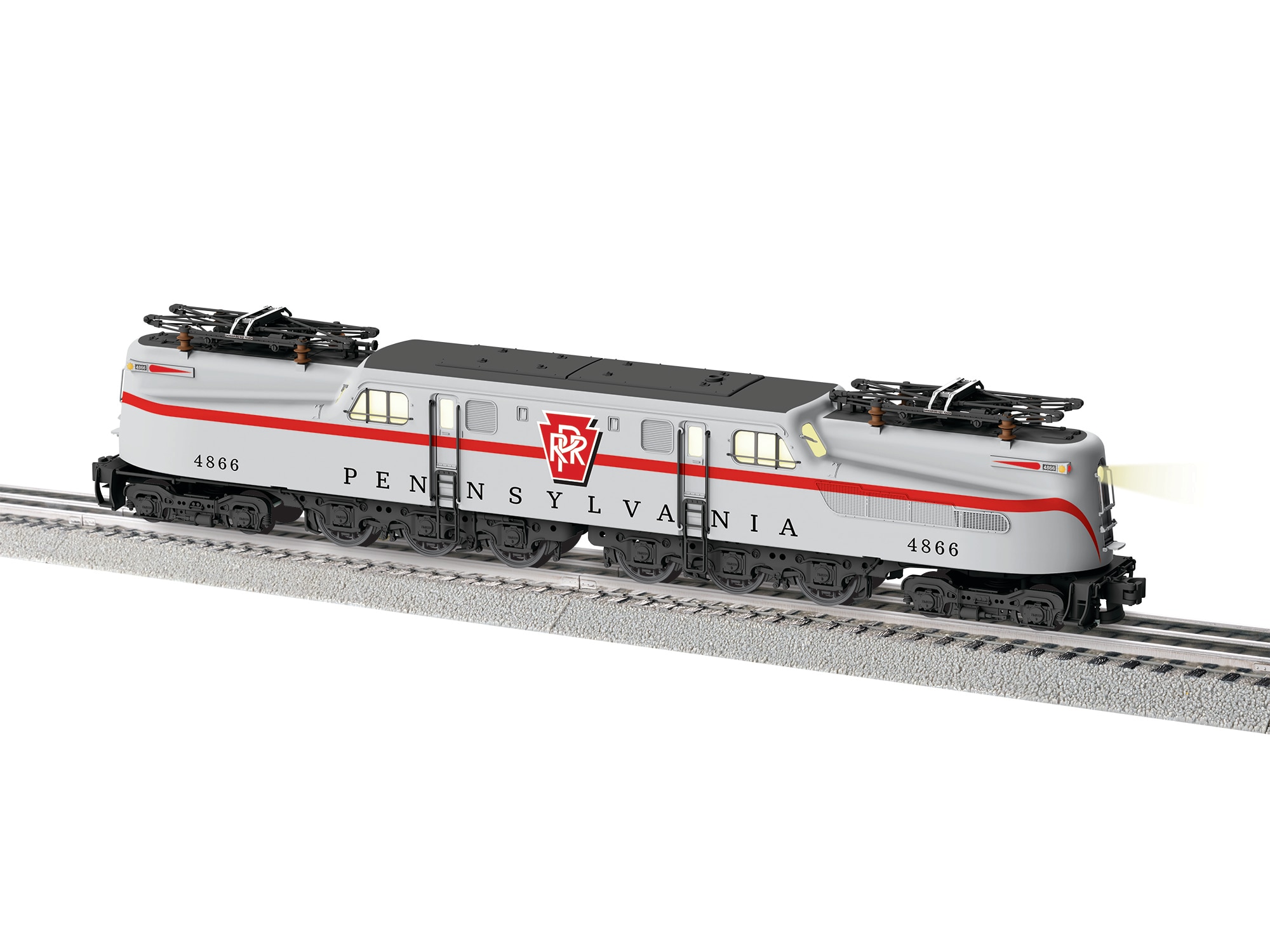
Premium LEGACY and Vision Line locomotives have specific pickup considerations:
Multiple pickup rollers: Larger locomotives have 2-4 pickup rollers for redundant current delivery. One failing doesn't stop operation but reduces performance.
Programmable momentum interaction: LEGACY cruise control compensates for brief current interruptions. Masked pickup issues may still exist.
Lighting load: Vision Line locomotives with multiple lighting features draw more current. Pickup problems manifest as light flickering before motor issues.
Sound system load: RailSounds draws significant current. Pickup problems manifest as audio dropouts.
Preventive Maintenance Schedule
Each operating session:
- Visual inspection of pickup rollers before operation
- Note any new sparking or chatter
Monthly:
- Alcohol wipe of pickup rollers
- Center rail cleaning with alcohol
- Blow dust from pickup area with compressed air
Annually:
- Visual inspection of spring tension
- Electrical connection check
- Light lubrication of roller axle with model train oil (sparingly)
Every 5 years:
- Pickup roller replacement if visible wear
- Spring replacement if tension noticeably reduced
Postwar vs Modern Differences
Postwar pickup rollers: Larger, more robust rollers typical. Materials have proven durability. 50+ year old pickup rollers often still functional with maintenance.
Modern pickup rollers: Smaller, lighter construction. Modern materials. Replacement parts widely available.
Postwar maintenance: Postwar locomotives benefit from more aggressive cleaning given their age. Light sanding with 600+ grit paper to remove heavy oxidation.
Modern maintenance: Modern locomotives benefit from gentle cleaning only. Avoid any sanding.
Common Pickup Roller Mistakes
Over-aggressive sanding. Removes original material permanently. Light touch only.
Lubricating the roller surface. Reduces electrical contact. Lubricate axle only, keep roller surface clean.
Not cleaning center rail. Pickup problems often originate at track level. Clean both.
Over-tightening roller bracket. Excess spring tension causes stiff rolling and wear. Normal tension only.
Replacing with wrong spring. Different Lionel eras use different spring tensions. Match replacement to original.
Ignoring intermittent issues. Early-stage pickup problems become major problems over time. Address promptly.
Frequently Asked Questions
How often should I clean pickup rollers?
Monthly cleaning prevents accumulation. More frequently if operating in dusty environments.
Can I use metal polish on pickup rollers?
Not recommended. Metal polishes leave residues that interfere with electrical contact. Alcohol only.
Should I lubricate the pickup roller axle?
Yes, sparingly. One drop of model train oil annually keeps axle rolling smoothly.
How much does pickup roller replacement cost?
Simple DIY (roller + spring): $5-$20 per locomotive. Authorized service: $50-$150 depending on complexity.
Does FasTrack require different maintenance than O-27?
Both require center rail cleaning. FasTrack ballast strip can trap dust requiring periodic cleaning.
Verdict
Most pickup roller problems resolve through routine cleaning (60-70% of cases). Start with alcohol wipe of roller and center rail. Progress to spring inspection, electrical connections, and component replacement only when cleaning doesn't resolve. Preventive monthly maintenance keeps pickup rollers reliable for decades. For related repair guidance, see our headlight repair guide, our horn/whistle repair guide, our smoke unit repair guide, our coupler repair guide, and our postwar restoration guide.
Newsletter
Weekly O-gauge tips & reviews
New reviews, layout ideas, and hobby news — straight to your inbox.