How to Repair Lionel Motor Brushes: Complete 2026 DIY Guide
July 30, 2026
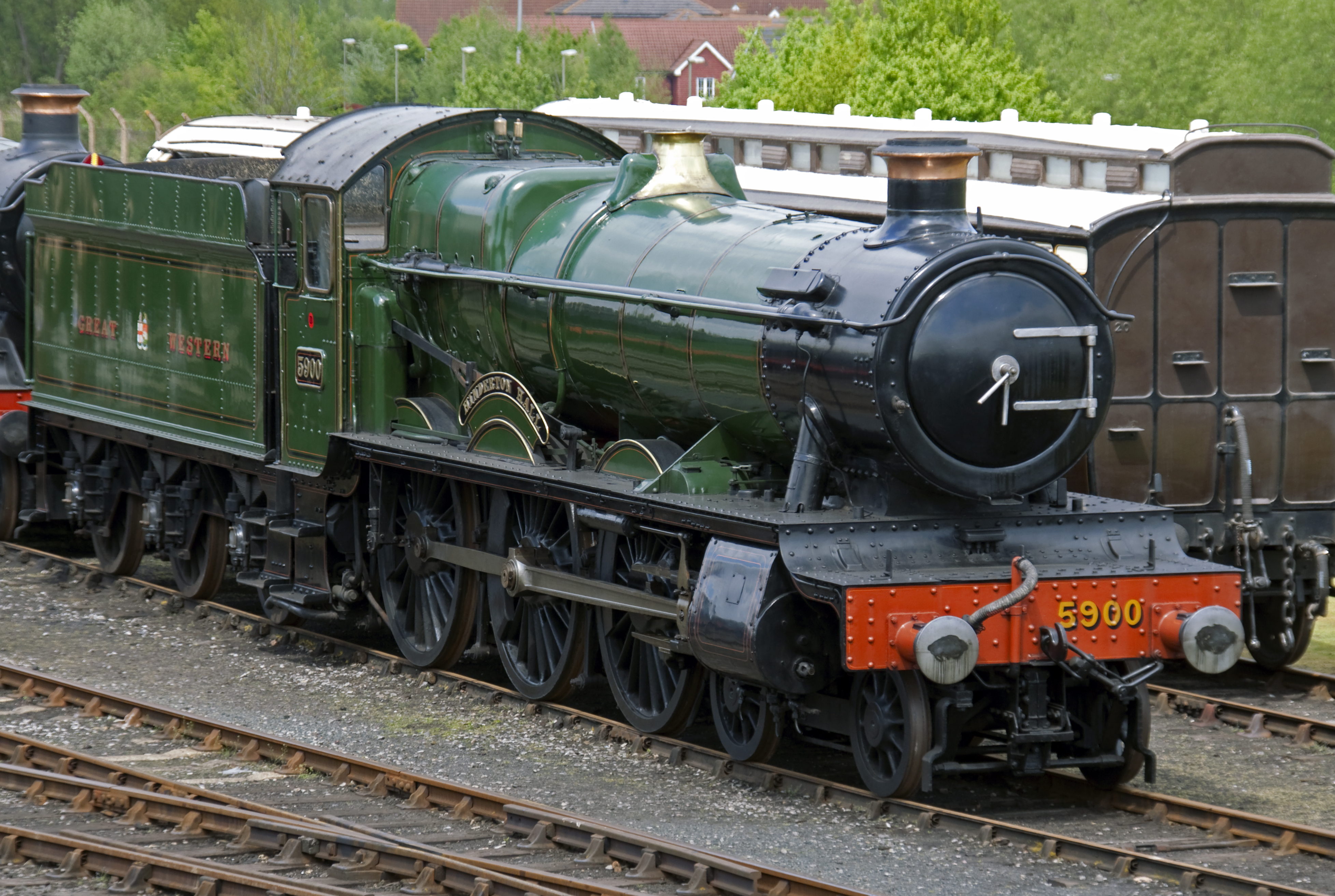
Motor brushes are among the most common wear items in Lionel locomotives. Postwar Lionel steam and diesel engines, older modern brushed motors, and most locomotives predating the current brushless-motor era all use carbon brushes that eventually wear down and need replacement. Symptoms of worn brushes include intermittent operation, weak power at throttle, and the locomotive running slower than it once did. This vibetrains.com guide walks through complete Lionel motor brush repair — how to diagnose worn brushes, replacement procedure across different Lionel eras, parts sourcing, and the specific steps that bring a poor-running Lionel back to smooth operation.
Quick Answer: Lionel Motor Brush Repair
Motor brush repair takes 30-60 minutes and requires: replacement brushes ($3-$12 per set from postwar parts specialists), a small precision screwdriver, isopropyl alcohol and cotton swabs, and basic soldering skills for some models. Process: 1) Remove locomotive shell to access the motor. 2) Locate the brush holders (small tubes on opposite sides of the motor). 3) Remove old brushes and springs. 4) Clean the commutator with alcohol. 5) Install new brushes and springs. 6) Reassemble and test. Repair is DIY-friendly for most Lionel owners comfortable opening locomotives.
Understanding Lionel Motor Brushes
Lionel brushed motors (used on postwar equipment through most modern LionChief) work on this principle: an armature (rotating coil of wire) spins between magnets. Electricity feeds the armature through carbon brushes that press against a commutator (a segmented copper ring on the armature). The brushes transfer power while allowing the armature to rotate freely.
Over time, the carbon brushes physically wear down as they slide against the rotating commutator. After hundreds or thousands of operating hours, the brushes become too short to reach the commutator effectively. Result: intermittent electrical contact, weak power, and eventually motor failure.
Modern LEGACY and some current LionChief locomotives use brushless motors that don't have this wear problem. Motor brush repair applies primarily to postwar Lionel, MPC-era Lionel, TMCC-era modern Lionel, and older brushed LionChief models.
Diagnosing Worn Motor Brushes
Symptoms of worn brushes include:
Intermittent operation: Locomotive runs then stops randomly. Restarts with a throttle adjustment. Getting worse over time.
Weak power at throttle: Locomotive requires higher throttle settings than it used to for the same speed. Struggles up grades that were previously easy.
Motor noise changes: Motor sounds different than it used to — louder, whinier, or intermittently different.
Sparks at brushes: If you can see the motor while running, worn brushes often produce visible sparking at the brush-commutator interface.
Locomotive won't start: Advanced brush wear may cause the motor to fail to start at low throttle. Sometimes recovers with higher throttle jolt.
Diagnosis first requires ruling out other common causes: dirty wheels and pickup rollers, dirty track, and burnt-out heating elements in the smoke unit. Verify these are clean before assuming brush issues. For general troubleshooting, see our Lionel won't run troubleshooting guide.
Tools and Parts You Need
Basic brush repair setup:
Precision screwdriver set: Small Phillips and flathead screwdrivers for locomotive disassembly. $10-$20 for a quality precision set.
Replacement brushes: Sold in matched pairs. Different Lionel motors use different brush sizes. Common postwar brushes: $3-$8 per pair. Modern replacement brushes: $5-$15 per pair. Sold by postwar parts specialists (Olsen's, T-Reproductions, The Train Tender) and some Lionel dealers.
Replacement springs: The springs that push brushes against the commutator also wear over decades. Often sold with replacement brushes as a "brush kit."
Isopropyl alcohol (90%+) and cotton swabs: For cleaning the commutator during replacement.
Small soldering iron and solder (optional): Some Lionel motor connections require soldering. Most postwar brushes are mechanical rather than soldered.
Multimeter (optional but recommended): Verifies motor continuity before and after brush replacement.
Identifying Your Lionel Motor Type
Different Lionel motors have different brush designs:
Postwar universal motors: Most common postwar design. Two brushes on opposite sides of a small motor. Brushes accessible by removing brush caps on the motor exterior.
Postwar Pullmore motors: Larger motor found on premium postwar locomotives. Two brushes accessible from the motor exterior with brush holders.
Modern brushed motors: Similar mechanical design to postwar but usually integrated with locomotive electronics. May require more disassembly for brush access.
MPC-era motors: Mixed designs. Some very similar to postwar; others simpler open-frame designs.
Identifying your specific motor type helps determine the right replacement brushes and repair procedure. Consult Lionel's postwar parts catalogs or postwar specialist dealers for specific identification.
Step 1: Disassemble the Locomotive
Access to the motor requires locomotive disassembly:
1. Turn the locomotive over. Locate the screws that hold the shell to the chassis (typically 3-6 screws depending on model).
2. Remove screws in order, keeping them organized (some screws are different sizes for different applications).
3. Carefully lift the shell off the chassis. Some shells have integrated wiring connections that need gentle handling.
4. Set the shell aside on soft surface (soft cloth or foam) to protect painted surfaces.
Access to the motor is now visible in the chassis frame.
Step 2: Locate the Brush Holders
Motor brushes are held in place by small tube-shaped brush holders on opposite sides of the motor. Each brush holder contains:
- A carbon brush (the wear item)
- A small spring that pushes the brush against the commutator
- A brush cap (often screw-in or press-fit) that retains the brush and spring
On postwar Lionel motors, the brush holders are typically visible on both sides of the motor housing. On some larger Pullmore motors, the brush holders are integrated into the motor end covers.
Step 3: Remove Old Brushes
1. Unscrew or unclip the brush caps carefully. Note the orientation — you'll reassemble in the same orientation.
2. Remove the springs. Set them aside carefully (springs are easy to lose).
3. Slide out the old brushes. Note their orientation. The rounded end typically faced the commutator.
4. Compare the length of the old brushes to new replacement brushes. Old brushes are often noticeably shorter than new.
Step 4: Clean the Commutator
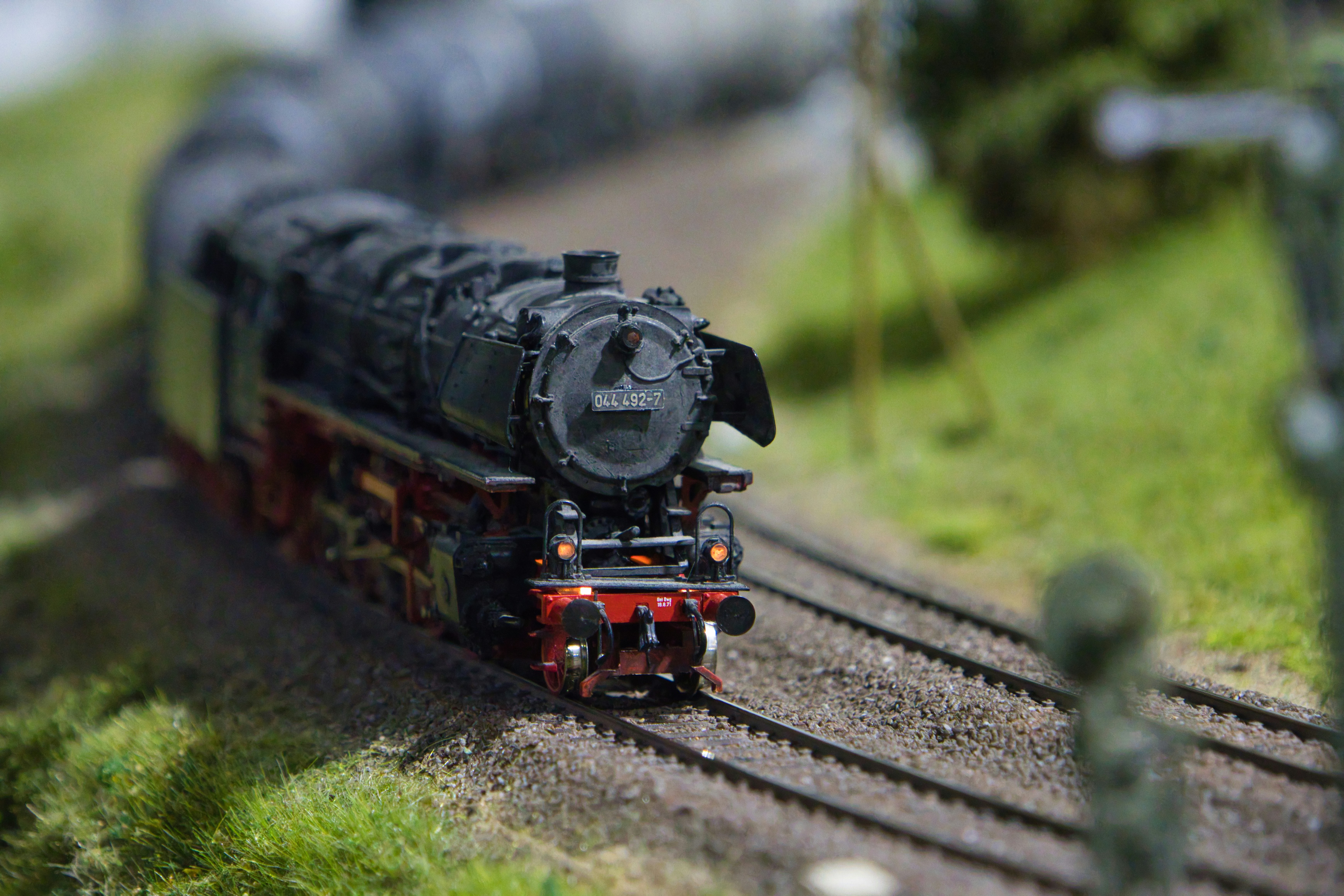
The commutator is the segmented copper ring at the end of the armature. It accumulates carbon deposits from decades of brush contact:
1. Rotate the armature by hand to expose the full commutator.
2. Dampen a cotton swab with isopropyl alcohol.
3. Gently rub the commutator surface with the swab. Rotate as you go to clean the full circumference.
4. If the commutator has visible pitting or heavy discoloration, use a very fine (2000 grit or higher) sandpaper to polish it back to bright copper. Sand extremely lightly — the commutator is thin.
5. Wipe off any residue with a clean cotton swab.
Clean commutator surface is essential for proper brush contact.
Step 5: Install New Brushes and Springs
1. Slide new brush into the brush holder. Orient the rounded end toward the commutator.
2. Install the spring behind the brush. The spring pushes the brush against the commutator.
3. Screw or clip the brush cap back into place, compressing the spring slightly.
4. Repeat for the second brush on the opposite side of the motor.
5. Rotate the armature by hand to verify smooth operation. Brushes should follow the commutator without binding.
Step 6: Test Before Reassembling
Before reassembling the locomotive shell, test operation:
1. Place the chassis on powered track.
2. Turn on transformer at low throttle.
3. Verify the motor spins smoothly. Locomotive should move at scale-walking speed on gentle throttle.
4. Test both forward and reverse operation.
5. If operation is smooth, proceed to reassembly. If not, review your brush installation for errors.
Step 7: Reassemble the Locomotive
1. Carefully replace the shell over the chassis.
2. Reconnect any wiring that was disconnected during disassembly.
3. Install all shell screws in their original positions.
4. Verify the locomotive still runs smoothly with the shell in place.
Repair complete. Locomotive should now run at the smooth operation you remember from before the brushes wore out.
When to Send to a Service Station
Not all brush repair is DIY. Send to a Lionel-authorized service station if:
- The locomotive is a Vision Line or premium LEGACY piece where opening the shell risks damage to sensitive electronics
- The motor is heavily damaged beyond brush replacement (armature damage, commutator scoring)
- You've replaced brushes and the motor still doesn't work correctly — indicates deeper issues
- You're not comfortable with the disassembly required
Service station brush replacement typically costs $50-$150 depending on locomotive complexity. For service station guidance, see our Lionel train repair guide.
Parts Sourcing
Replacement brushes and springs are available from:
Olsen's Toy Train Parts: Comprehensive postwar parts inventory including brush kits for most Lionel motors. $3-$12 per brush kit.
T-Reproductions: High-quality reproduction parts including motor components.
The Train Tender: Specialty postwar parts.
eBay: Used and NOS (new old stock) parts from collectors. Verify condition before buying.
For modern Lionel motor brushes, Lionel-authorized dealers stock replacement parts for current production locomotives.
Common Brush Repair Mistakes
Forgetting the springs: Brushes without springs don't maintain commutator contact. Motor won't operate.
Wrong brush size: Different Lionel motors require different specific brushes. Verify the correct size before installing.
Damaging the commutator during cleaning: Aggressive sanding removes copper from the commutator. Use extremely fine sandpaper only when necessary.
Reinstalling springs backward: Some springs have specific orientation. Note original orientation before removing.
Overtightening brush caps: Excessive compression can bind the brush and prevent proper contact. Just snug the caps in place.
Frequently Asked Questions
How often do Lionel motor brushes need replacement? Postwar brushes typically last hundreds of hours of operation. Modern brushed motors similar. Replacement typically needed only after decades of heavy use or after storage-related deterioration.
Can I replace Lionel motor brushes myself? Yes for most Lionel locomotives. The procedure requires basic tools and 30-60 minutes. Vision Line and premium LEGACY may be better sent to a service station due to sensitive electronics.
What tools do I need to replace Lionel motor brushes? Precision screwdrivers, isopropyl alcohol and cotton swabs, replacement brushes and springs. Optional: multimeter for continuity testing, small soldering iron for locomotives with soldered connections.
How much do Lionel replacement brushes cost? $3-$8 per pair for postwar brushes. $5-$15 per pair for modern brushed motors. Complete brush kits (brushes plus springs) $8-$18.
Do all Lionel locomotives have replaceable brushes? No. Modern LEGACY and some current LionChief locomotives use brushless motors that don't wear brushes. Postwar, MPC-era, TMCC-era, and older brushed LionChief all use brushes that eventually need replacement.
Final Word
Motor brush repair is one of the most valuable DIY skills for Lionel owners. A locomotive that has been declining in operation for years often returns to like-new performance after simple brush replacement. The procedure is straightforward, parts are inexpensive, and the results are transformative. For related repair topics, see our postwar restoration guide and smoke unit repair guide.
Newsletter
Weekly O-gauge tips & reviews
New reviews, layout ideas, and hobby news — straight to your inbox.