Lionel Locomotive Anatomy Explained: A Visual Guide to How O-Gauge Trains Work
July 3, 2026
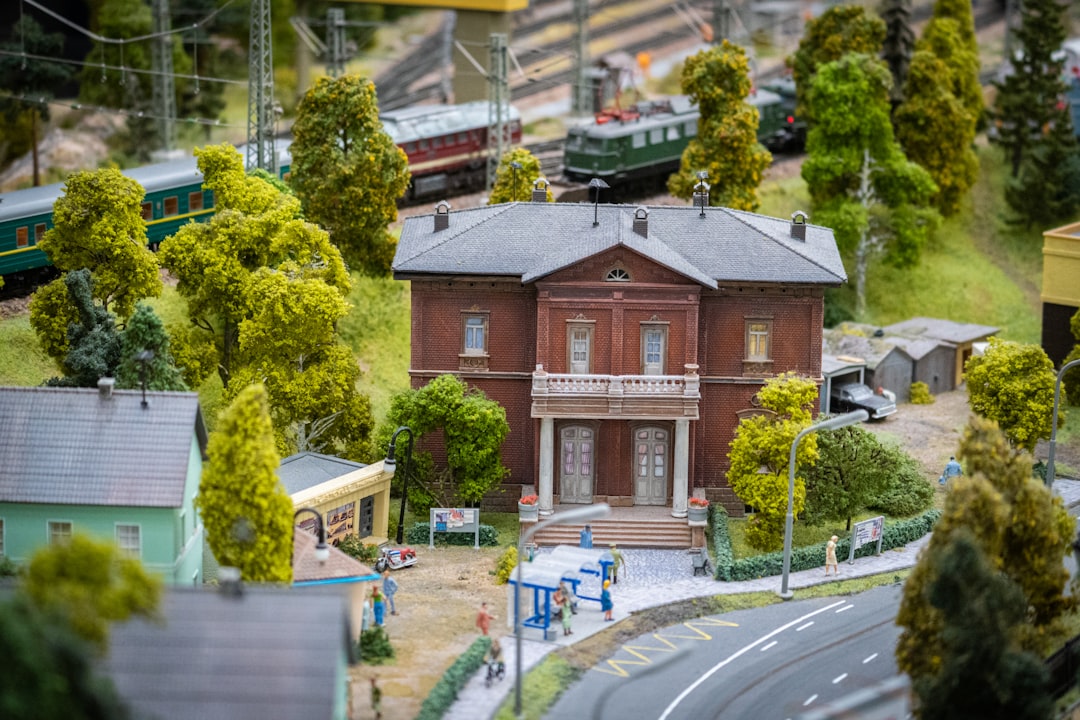
What's actually inside a Lionel locomotive? Understanding how O-gauge trains are constructed matters more than most owners realize. It determines what you can maintain yourself, what needs a service station, what to inspect when buying used, and why premium locomotives cost what they do. This vibetrains.com visual guide walks through Lionel locomotive anatomy across steam, diesel, and electric types, showing you what every major component does and why it matters.
Whether you're a new owner trying to understand your first LionChief locomotive or a collector deciding whether a used Vision Line piece is worth the asking price, this guide gives you the mechanical framework to make informed decisions.
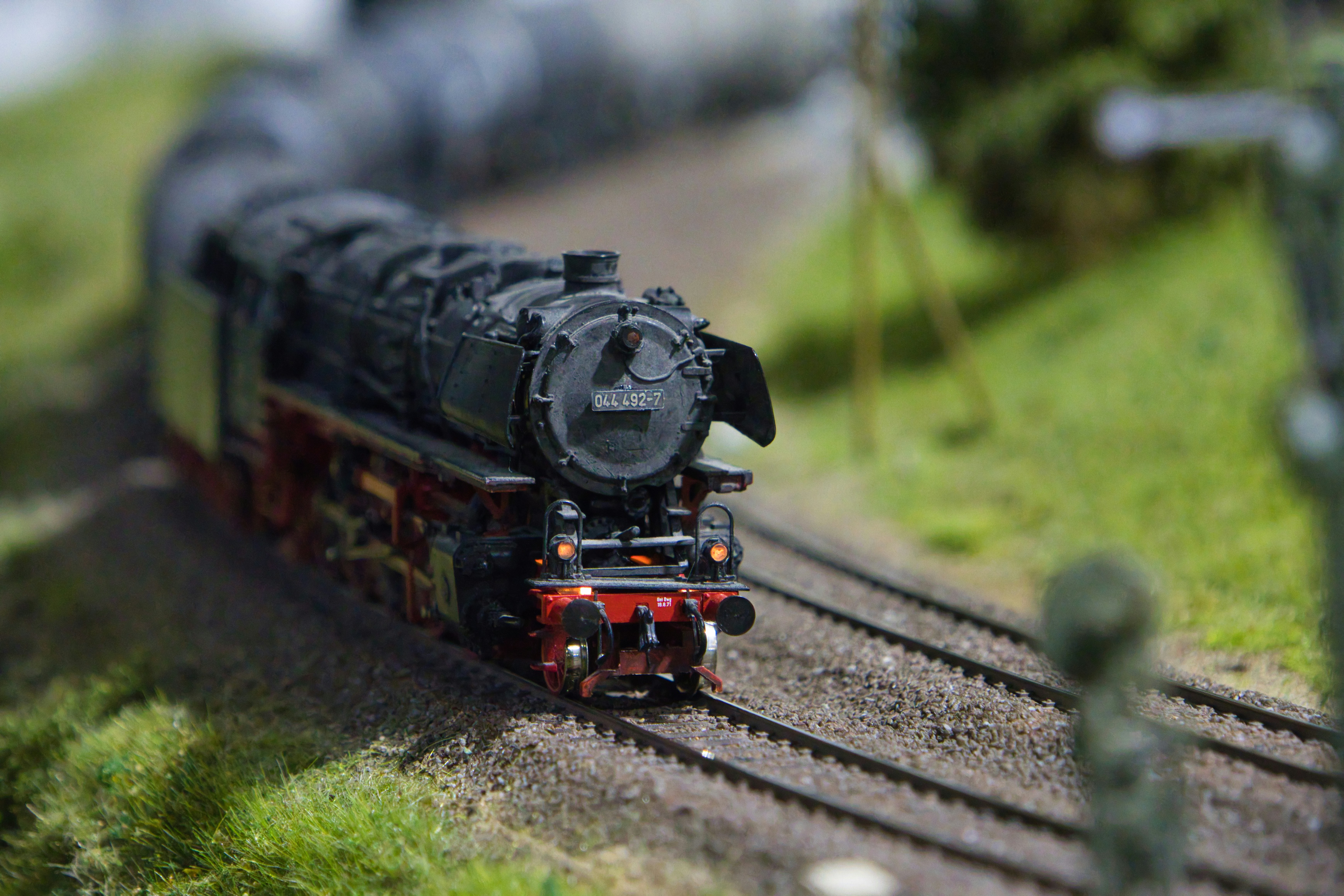
The Universal Structure
Every Lionel locomotive, regardless of type or era, shares five common structural elements:
The chassis or frame — the structural foundation that holds everything together. Premium Lionel uses die-cast metal frames; entry-level LionChief uses reinforced plastic. Frame material affects weight, durability, and how well the locomotive tracks through curves and switches.
The motor — typically a small brushed or brushless DC motor mounted in the locomotive body, connected to the drive wheels through a gear train. Motor quality determines smooth operation, top speed, and tractive effort (how much the locomotive can pull).
The drive train — the gears, drive shaft, and connections that transfer motor rotation to the wheels. On steam locomotives, this includes the visible drive rods and side rods. On diesels, most of the drive train is hidden inside the truck assemblies.
The pickup rollers — the small copper rollers under the locomotive that contact the center rail on Lionel's three-rail track, providing electrical power to the motor and electronics.
The electronics — the control board, sound system, and lighting circuits that vary by locomotive tier (LionChief, LionChief Plus 2.0, LEGACY, or Vision Line).
Steam Locomotive Anatomy
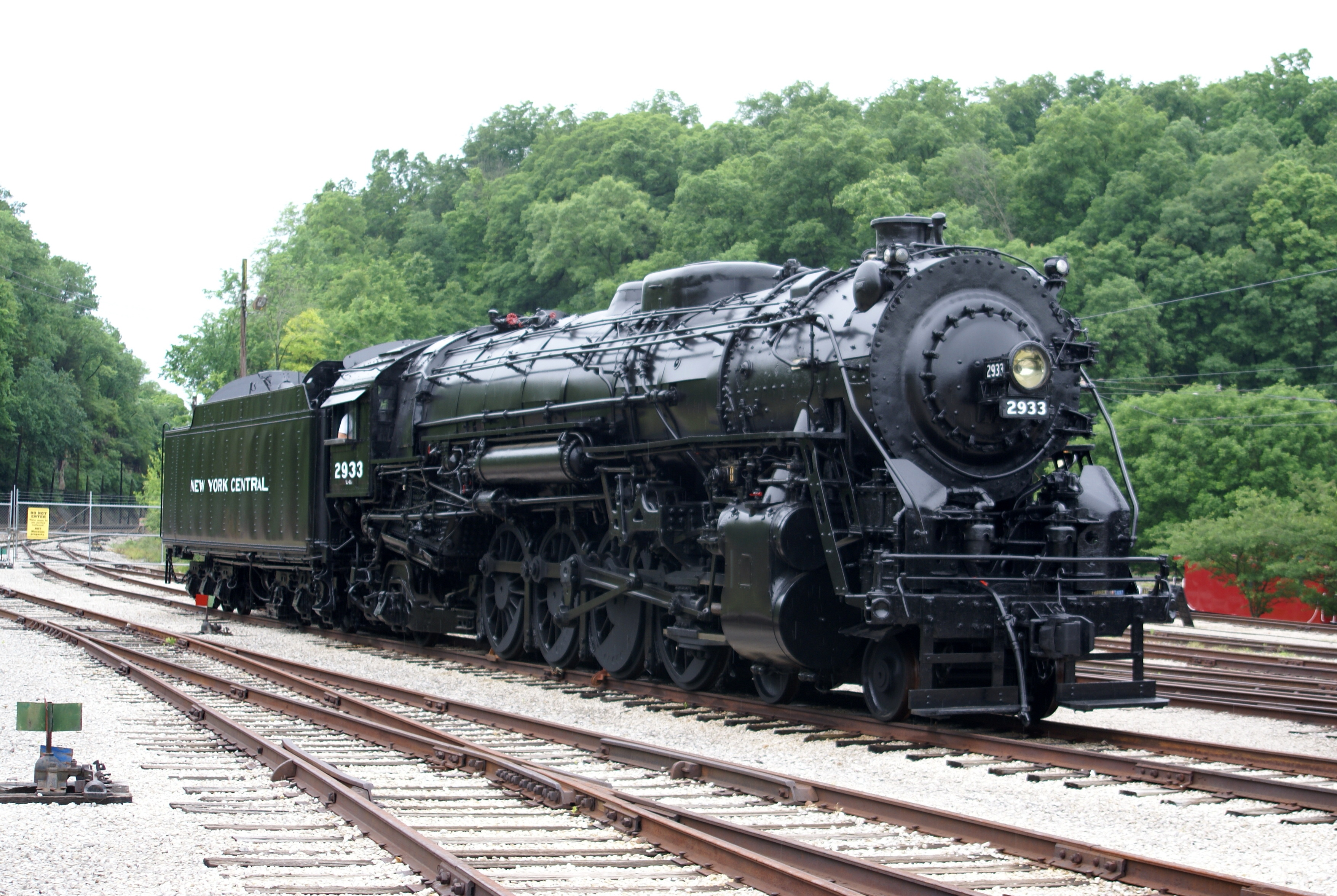
Lionel steam locomotives are the most mechanically complex O-gauge equipment. Understanding a Hudson, Berkshire, or Northern requires understanding both the visible mechanical components and the internal drive systems.
The boiler is the large horizontal cylinder that dominates the locomotive's appearance. On real steam locomotives, this contained the water and produced steam. On Lionel models, the boiler is die-cast metal that houses the motor, electronics, and often the smoke unit.
The cab at the rear of the boiler represents where the engineer and fireman worked. Premium Lionel locomotives include detailed cab interiors with backhead detail (gauges, controls), sometimes with working firebox glow LEDs.
The tender is the separate car behind the locomotive that carried coal and water on the prototype. On Lionel models, the tender often houses the RailSounds audio system and speaker, and provides additional electrical pickup through its own wheels.
The drivers are the large powered wheels under the boiler. A "4-6-4" locomotive has four leading wheels, six large drivers, and four trailing wheels. A "4-8-4" has eight drivers, and a Big Boy 4-8-8-4 has sixteen. More drivers mean more traction but require larger curves to navigate.
The Drive Rod System

The visible drive rods on steam locomotives are one of the most distinctive mechanical features of Lionel steam. Understanding how they work explains a lot about why steam locomotives sound and move the way they do.
The main rod connects the cylinder to the main driver (usually the second or third driver from the front). This is the rod that transfers piston motion to wheel rotation.
The side rods connect all the drivers together so they turn in sync. Without side rods, only one driver would be powered and the locomotive would slip constantly.
The valve gear is the complex linkage system that controls when steam enters and exits the cylinder. On real locomotives this determined power output; on Lionel models it's decorative but represents authentic mechanical detail.
For steam locomotives to run correctly, all the rods and drivers must be properly "quartered" — meaning drivers on opposite sides of the locomotive are 90 degrees out of phase. Quartering issues cause binding and uneven running. For restoration guidance including quartering adjustment, see our postwar restoration guide.
The Articulated Steam Complication
Articulated steam locomotives like the Big Boy 4-8-8-4, Challenger 4-6-6-4, and Class A 2-6-6-4 have two separate driver sets connected by a hinged frame. Each driver set has its own cylinders, drive rods, and coupled wheels. This design allowed the very largest locomotives to navigate curves that would derail rigid-frame designs.
On Lionel models, articulation is a real mechanical feature — the front driver set actually pivots relative to the rear driver set as the locomotive navigates curves. Premium LEGACY and Vision Line articulated steam includes synchronized chuff timing where each driver set has its own audio chuff pattern, creating the distinctive "double time" sound of real articulated steam.
Articulated locomotives require O-72 minimum curves and look substantially better on O-84 or wider. For curve compatibility details, see our O-gauge curve radius guide.
Diesel Locomotive Anatomy

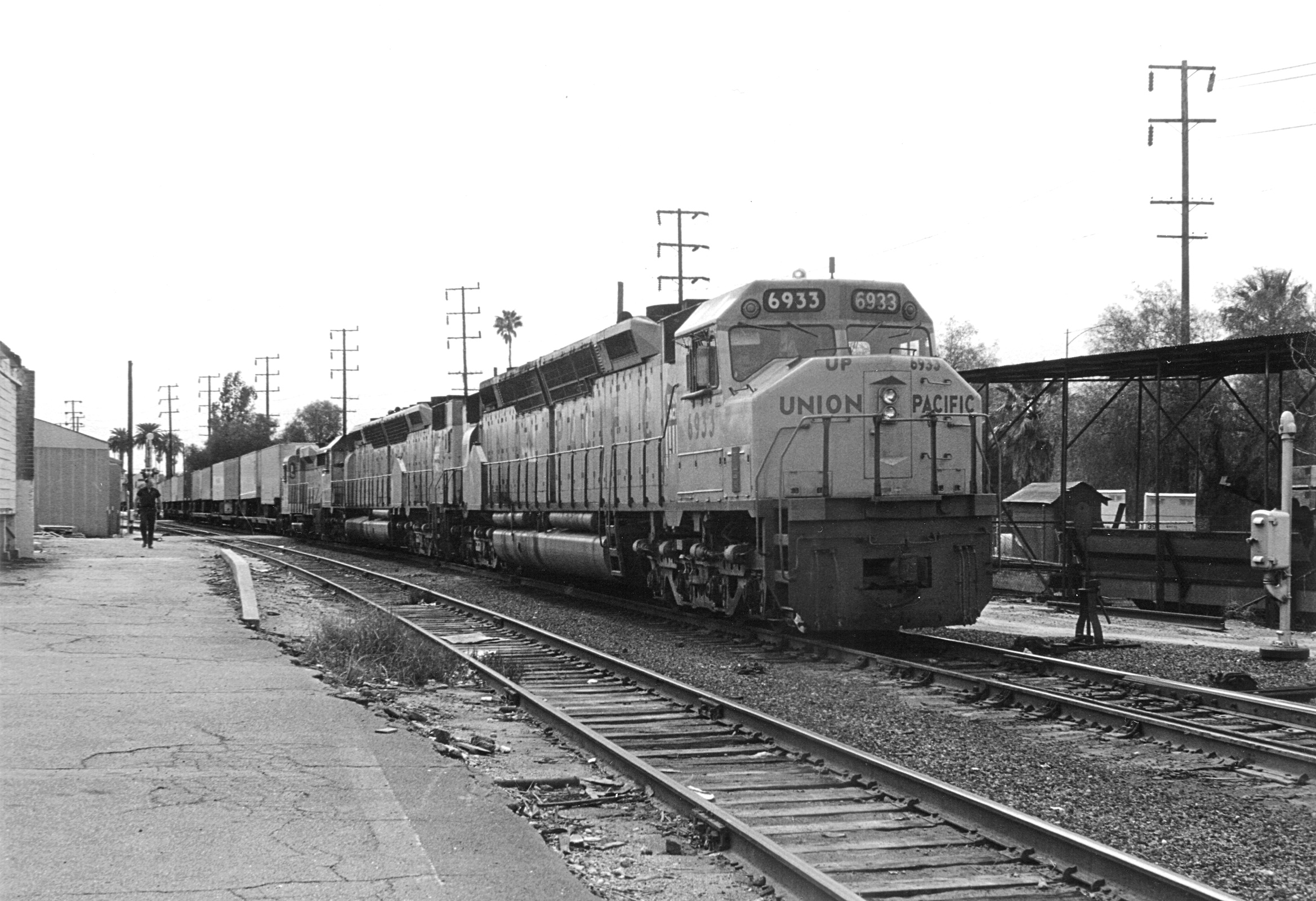
Diesel locomotives are mechanically simpler than steam and more compact. The prototype uses a diesel engine (called the "prime mover") to spin an electrical generator that powers traction motors on each axle. On Lionel models, a small electric motor typically drives one or both trucks through a gear system.
The carbody or hood is the outer shell that gives the locomotive its distinctive appearance. Different American diesel prototypes had different hood configurations — the boxy "cab unit" (F3, F7), the road switcher hood (GP38, SD70), the passenger cowl (F40PH). Lionel models capture these differences accurately at premium tiers.
The trucks are the wheeled assemblies under the locomotive. A "four-axle" locomotive has two two-axle trucks. A "six-axle" locomotive has two three-axle trucks. Truck configuration affects curve compatibility and appearance.
The couplers at each end connect to other cars. Lionel uses their own coupler system that's simpler than prototype knuckle couplers but reliable and easy to operate.
Electric Locomotive Anatomy
Electric locomotives like the Pennsylvania GG1 draw power from overhead wires (catenary) or third-rail systems on the prototype. On Lionel models, they draw power from the same three-rail track as steam and diesel locomotives — the pantograph on top is decorative.
Mechanically, Lionel electric locomotives use the same motor and drive train systems as diesels. The distinctive shape (the GG1's articulated body, the pantograph, the streamlined design) is what makes them visually unique. Electric locomotives ran on the northeast corridor and other electrified mainlines through the 1970s and remain popular collector categories today.
The Motor and Gear Train
The motor and gear train are what actually convert electrical power into locomotive movement. Understanding their construction explains a lot about locomotive quality.
Base LionChief motors are small brushed DC motors, adequate for the price point but not remarkable. Life expectancy is hundreds of operating hours with basic maintenance.
LionChief Plus 2.0 motors are more refined, often with better bearings and improved control response. Life expectancy is longer and slow-speed operation is smoother.
LEGACY motors often use twin motors on larger locomotives, providing better traction and redundancy. Precision flywheels smooth out the motion.
Vision Line motors use the highest-quality bearings and drive systems Lionel makes. Some Vision Line locomotives include synchronized chuff systems that use the actual motor position to time smoke and audio effects to wheel rotation.
The Smoke Unit
The smoke unit is one of Lionel's signature features and a common source of maintenance questions. Modern Lionel smoke units use a ceramic heating element wrapped in a fiber wick that holds smoke fluid. Track power heats the element, the fluid evaporates, and a small fan pushes smoke out the stack.
The smoke fluid consumption pattern (10-15 drops per refill, 30-60 minutes of operation per refill) reflects the design — enough fluid capacity for a typical operating session but not so much that the unit floods or leaks. For complete smoke fluid guidance, see our smoke fluid usage guide. For repair guidance when the smoke unit fails, see our smoke unit repair guide.
The Electronics: TMCC, LEGACY, LionChief
The electronics inside modern Lionel locomotives are what separate premium tiers from starter equipment. Understanding the electronics ecosystem matters because it determines what your locomotive can do and what accessories or command bases it needs.
LionChief (Bluetooth) uses simple Bluetooth control from a smartphone app. Each locomotive has its own Bluetooth ID that pairs to one phone at a time. Simple, intuitive, no command base needed. For LionChief setup, see our LionChief Bluetooth setup guide.
LionChief Plus 2.0 adds DCC compatibility on top of Bluetooth. Programmable speed steps and extended sound libraries. The bridge tier between simple starter and full command control.
TMCC (older) was Lionel's first digital command control system, introduced in 1994. Uses digital signals through the track rather than Bluetooth. Requires a TMCC command base and remote. Still supported on modern LEGACY bases.
LEGACY is the modern command control tier, introduced in 2007. Digital signals through the track, sophisticated command base with color remote, backward compatibility with TMCC. Full guide: TMCC vs LEGACY explained.
The RailSounds Audio System
RailSounds is Lionel's audio system that produces authentic locomotive sounds. The system has evolved through multiple generations:
RailSounds 3.0 and 4.0 (TMCC era): basic prime mover, bell, whistle/horn. Limited sound library. Adequate but not remarkable.
RailSounds 5.0 (LEGACY and Vision Line): extensive sound libraries with dialogue, station announcements, brake squeal, coal shoveling, water stops, and specific prototype-accurate audio. The best-in-class audio system in O-gauge.
The physical speaker is typically located in the tender (steam) or under the body (diesel). Some large locomotives have multiple speakers for stereo effects.
The Underbody: Pickup Rollers and Wheels

The underside of a Lionel locomotive contains the electrical pickup system and drive wheels. Understanding what's there matters for maintenance and used-buying inspection.
Pickup rollers are the small copper rollers that contact the center rail. Most Lionel locomotives have 2-4 rollers distributed along the length. Multiple rollers ensure continuous contact across track joints and through switches.
Wheels contact both outer rails and provide the ground return path for the electrical circuit. Wheel wear over decades of operation is normal; worn wheels are one of the most common causes of poor pickup and stalling on postwar Lionel.
Trucks (on diesels) house the wheels and often include the drive gears. Removable truck assemblies make maintenance easier on quality locomotives.
For used inspection focused on the underside, see our used Lionel inspection guide.
What This Means for Buying Decisions
Understanding Lionel locomotive anatomy helps you make better buying decisions:
Frame material — die-cast metal frames last longer and track better than plastic. Look for die-cast if durability matters.
Motor tier — twin motors on larger LEGACY locomotives provide better traction and redundancy. Base LionChief single motors are adequate but not remarkable.
Wheel and pickup condition — on used locomotives, wheel wear and pickup roller condition directly affect running quality. Inspect carefully before buying.
Electronics generation — TMCC-era electronics are 20 years old on the oldest examples. Modern LEGACY hardware is more reliable and offers meaningfully better features. For used buying, prioritize newer generations when possible.
Frequently Asked Questions
What's inside a Lionel locomotive? Every Lionel locomotive contains a chassis/frame, motor, drive train (gears connecting motor to wheels), pickup rollers for track power, and electronics controlling operation and sound. Steam locomotives add visible drive rods and often a smoke unit; diesels have modular truck-based drive systems.
How does a Lionel steam locomotive work? Track power runs through pickup rollers to the motor inside the boiler. The motor spins the drive gears which turn the drivers. Side rods connect drivers so they turn in sync. A separate smoke unit heats fluid to produce steam-like output through the stack.
What are the drive rods on a Lionel steam locomotive? The visible rods on steam locomotives connect the driver wheels together so they rotate in sync. The main rod transfers motor power to the drivers; the side rods keep the drivers coupled.
How do Lionel electric locomotives get power? Like all Lionel three-rail equipment, they draw power from pickup rollers contacting the center rail. The overhead pantograph on models like the GG1 is decorative — the actual electrical connection is through the track.
Why do larger Lionel locomotives require bigger curves? Longer wheelbases don't fit through tight curves without binding or derailment. Big Boy locomotives with 8+2 wheels per articulated set need O-72 minimum. For details, see our curve radius guide.
Final Thought
Understanding Lionel locomotive anatomy transforms how you interact with the hobby. You buy with awareness of what's inside. You maintain with confidence because you know what parts do what. You appreciate why premium tiers cost more because you can see the mechanical sophistication. And when a locomotive doesn't work right, you can start diagnosing the problem instead of just returning it. For getting deeper into any specific area, follow the links throughout this guide to focused topics.
Newsletter
Weekly O-gauge tips & reviews
New reviews, layout ideas, and hobby news — straight to your inbox.