How to Repair a Lionel Smoke Unit: Complete Troubleshooting Guide for 2026
June 13, 2026
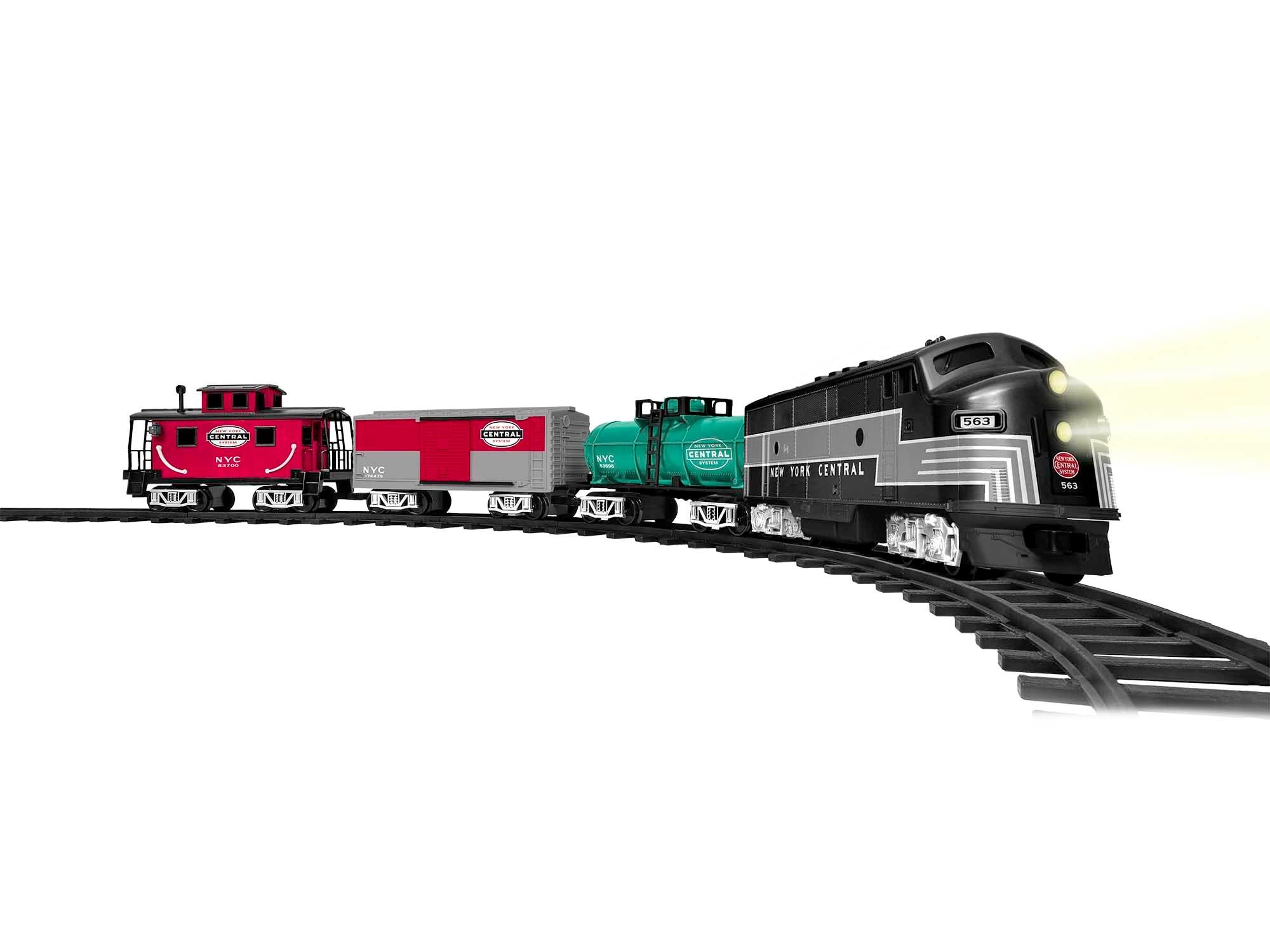
How do you repair a Lionel smoke unit when it stops working? The smoke unit is the part of a Lionel locomotive most likely to need attention over time — and the part that, when working properly, creates the magic of a steam locomotive on a layout. This vibetrains.com guide walks you through diagnosing and repairing Lionel smoke unit problems on both postwar and modern locomotives, covering weak output, no smoke at all, fluid leaks, and burnt-out heating elements.
Quick Answer: How to Fix a Lionel Smoke Unit
Most Lionel smoke unit failures fall into four categories: 1. Empty or low smoke fluid (refill with 10-15 drops of Lionel smoke fluid). 2. Dried-out wicking material (replace the wick — a $3 part on most modern units). 3. Burnt-out heating element/resistor (replace with the correct part for your locomotive). 4. Fluid leakage from old gaskets (replace the smoke unit gasket or the whole unit). Postwar units use rubber bulb pumps; modern units use ceramic heating elements with fan assists. The diagnostic approach differs slightly between eras.
How Lionel Smoke Units Work
Modern Lionel smoke units (1990s onward) use a small ceramic heating element wrapped in a fiber wick that holds smoke fluid. Track power energizes the element, the element heats the wick, the fluid evaporates, and a small electric fan pushes the smoke up through the stack. Postwar smoke units (1945-1969) used a heater that vaporized fluid dripped from a rubber bulb pump driven mechanically by the locomotive's wheels. Both designs accomplish the same effect through different mechanisms.
Diagnosing No Smoke at All
If your Lionel locomotive produces no smoke at all, check in this order. 1. Verify smoke fluid level — add 10-15 drops through the stack and let it soak in. 2. Verify the smoke unit is switched on — most LionChief and LEGACY locomotives have a software toggle in the app or LEGACY Cab; some older locomotives have a physical switch under the cab. 3. Listen for the smoke fan — modern units use an audible small fan; if you can't hear it, the fan motor may have failed. 4. Check the heating element with a multimeter (continuity test) — if open circuit, the element has burned out.
Diagnosing Weak or Intermittent Smoke
Weak output is usually one of three causes. Wick saturation — the wick has become clogged with carbon deposits and isn't drawing fluid effectively. Replace the wick (Lionel sells replacements for most modern units, $3-$8). Old smoke fluid — fluid that's been sitting in the unit for years can degrade and produce thin smoke. Drain and refill with fresh Lionel-branded smoke fluid. Reduced voltage — if your track power is below the locomotive's spec (most LionChief expect 18V AC), the heating element won't reach optimum temperature. Check your transformer output. Browse Lionel smoke fluid on Amazon for current pricing.
How to Replace a Lionel Smoke Unit Wick
For modern Lionel locomotives, wick replacement is the most common DIY smoke unit repair. 1. Remove the locomotive shell (typically 4-6 screws from underneath). 2. Locate the smoke unit — small cylindrical or rectangular block near the stack. 3. Note the orientation of the existing wick before removing. 4. Carefully extract the old wick using tweezers. 5. Install the new wick in the same orientation, ensuring it contacts the heating element on one side and reaches the fluid reservoir on the other. 6. Reassemble, add fresh smoke fluid, and test. Total time: 20-30 minutes once you've done it once.
How to Replace a Burnt-Out Heating Element
If the heating element has burned out (open circuit on continuity test), replacement requires more disassembly. Lionel sells replacement smoke units for most modern locomotives — typically $25-$60 depending on model. For some premium Vision Line locomotives, the smoke unit is integrated with electronics and replacement is a board-level repair best done by a Lionel-authorized service station. For DIY replacement: remove the shell, locate the smoke unit, disconnect the power leads (note polarity if applicable), unmount the unit (usually 1-2 screws), install the replacement, reconnect, reassemble. Test before painting/reassembling for cosmetic completeness.
Fixing Postwar Lionel Smoke Units
Postwar Lionel smoke units (the bulb-pump design) are mechanically driven by an eccentric on the locomotive's drive axle pumping a small rubber bulb. Common failures: the rubber bulb has dried out and cracked (replace with a modern equivalent, $5-$10), the heater element has burned out (replacement units available from Lionel-authorized parts dealers and from postwar parts specialists), or the heating chamber has become clogged with carbon deposits (clean with cotton swab and isopropyl alcohol). Postwar smoke units are simple, durable, and easy to service — most can be brought back to functionality with under $20 in parts.
What Smoke Fluid to Use
Use Lionel-branded smoke fluid. Off-brand or generic smoke fluids can leave residue that clogs wicks and damages heating elements faster than the OEM fluid. The Lionel premium smoke fluid produces denser smoke; the standard fluid produces lighter smoke. Both are $5-$10 per bottle and last hundreds of operating hours. Avoid: mineral oil, "homemade" smoke fluids made from glycerin or other household products, and any fluid that smells differently than the Lionel reference. Bad fluid is the most common cause of premature smoke unit failure.
Maintenance to Prevent Smoke Unit Failure
Three habits extend smoke unit life. Don't run the smoke unit dry — operating without fluid burns out the heating element fast. Check fluid level before every operating session. Don't overfill — too much fluid floods the unit and can leak into electronics. 10-15 drops is the standard refill; the unit only holds so much. Use fresh fluid — old fluid degrades. If you haven't run the locomotive in months, drain and refill before extended use. For broader maintenance guidance, see our cleaning and maintenance guide.
When to Send a Locomotive to a Lionel Service Station
Some smoke unit repairs are better left to professionals. Send to a Lionel-authorized service station if: the locomotive is a Vision Line or premium LEGACY model where the smoke unit is integrated with sensitive electronics, the warranty is still active (Lionel's warranty covers original purchasers; in-warranty repairs are free), or you've attempted DIY repair and the issue persists. Authorized service stations charge $50-$150 for smoke unit work on modern locomotives. Find a station via Lionel's website; most major metro areas have at least one.
Common Smoke Unit Repair Mistakes
Four mistakes to avoid. Running too much fluid through the unit at once — produces excess smoke briefly, then weak smoke as residue builds. Using non-Lionel smoke fluid — clogs wicks and shortens element life. Forcing a stuck shell during disassembly — modern Lionel shells are usually held by hidden clips in addition to visible screws; consult the locomotive's service manual or YouTube videos before forcing. Reassembling without testing — always test before completing reassembly so you don't have to take it apart twice.
Frequently Asked Questions
Why doesn't my Lionel locomotive smoke? Most likely causes: empty smoke fluid (refill with Lionel smoke fluid), smoke unit switched off (check app or LEGACY Cab), or burnt-out heating element (needs replacement).
How long does a Lionel smoke unit last? Modern Lionel smoke units last hundreds of hours with proper care. Common failure points are the wick (replaceable, $3-$8) and the heating element (replaceable as part of a new smoke unit, $25-$60).
Can I use other brands of smoke fluid in a Lionel locomotive? Stick with Lionel-branded smoke fluid. Off-brand fluids can clog wicks and shorten heating element life.
How much smoke fluid does a Lionel locomotive need? 10-15 drops per refill. Avoid overfilling, which can flood the unit and damage electronics.
Are old postwar Lionel smoke units repairable? Yes. Postwar Lionel smoke units use a simple bulb-pump design that's easy to service. Common parts (rubber bulbs, heating elements) are available from postwar parts specialists for under $20.
Final Word
A working smoke unit is one of the great pleasures of Lionel O-gauge — and a non-working smoke unit is usually a quick fix. Diagnose systematically (fluid first, then wick, then element), use Lionel-branded smoke fluid, and don't overfill. For most repairs you'll spend $5-$25 and 20-40 minutes to bring a smoke unit back to factory output. For more on keeping your Lionel collection running, see our cleaning and maintenance guide and our Lionel value guide.
Newsletter
Weekly O-gauge tips & reviews
New reviews, layout ideas, and hobby news — straight to your inbox.