How to Restore Postwar Lionel: Complete 2026 Beginner's Restoration Guide
October 26, 2026
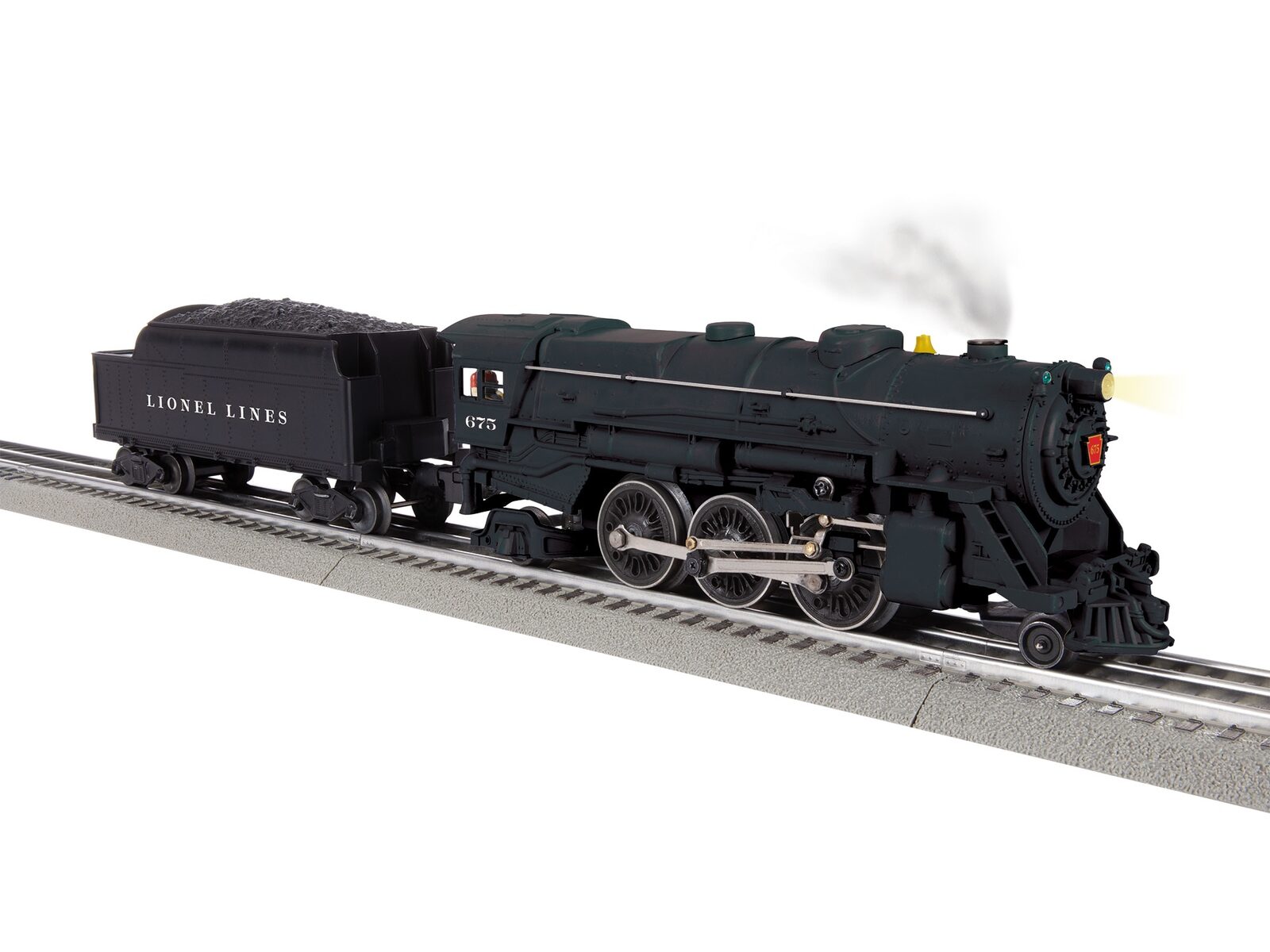
Postwar Lionel restoration is one of the most rewarding hobby projects, and one of the easiest to do badly. A good restoration preserves 60-70+ year old pieces for another generation of operation; a bad restoration permanently destroys collector value and introduces mechanical problems that didn't exist before. This complete 2026 guide walks through postwar Lionel restoration: what to restore vs leave alone, the specific restoration techniques, essential tools and materials, step-by-step approach for common restoration projects, and the critical mistakes that permanently damage pieces.
The Restoration Philosophy Question
Before any restoration project, answer the fundamental question: should this piece be restored at all?
Pieces that should NOT be restored:
- Pieces in good original condition with original paint intact
- Pieces with significant collector value where originality defines value
- Pieces with documented provenance where authenticity matters
- Pieces where restoration cost exceeds pieces' value even after restoration
Pieces that CAN be restored:
- Pieces with severe mechanical issues preventing operation
- Pieces with major cosmetic damage (not light wear)
- Pieces being restored specifically for operation rather than display
- Pieces with no collector market value in current condition
Pieces that benefit from restoration:
- Operating pieces where mechanical function is primary goal
- Family heirloom pieces being restored for sentimental value
- Previously-abused pieces that would otherwise be unusable
- Pieces being prepared for layout operation (vs collection display)
Essential Restoration Tools
Basic postwar Lionel restoration tool kit:
Screwdrivers: Standard flat-head and Phillips in various sizes. Precision screwdrivers for small internal screws.
Pliers: Needle-nose, standard, snap-ring pliers.
Wrenches: Small adjustable wrench, specific metric sizes for coupler and truck hardware.
Multimeter: Essential for electrical troubleshooting during restoration.
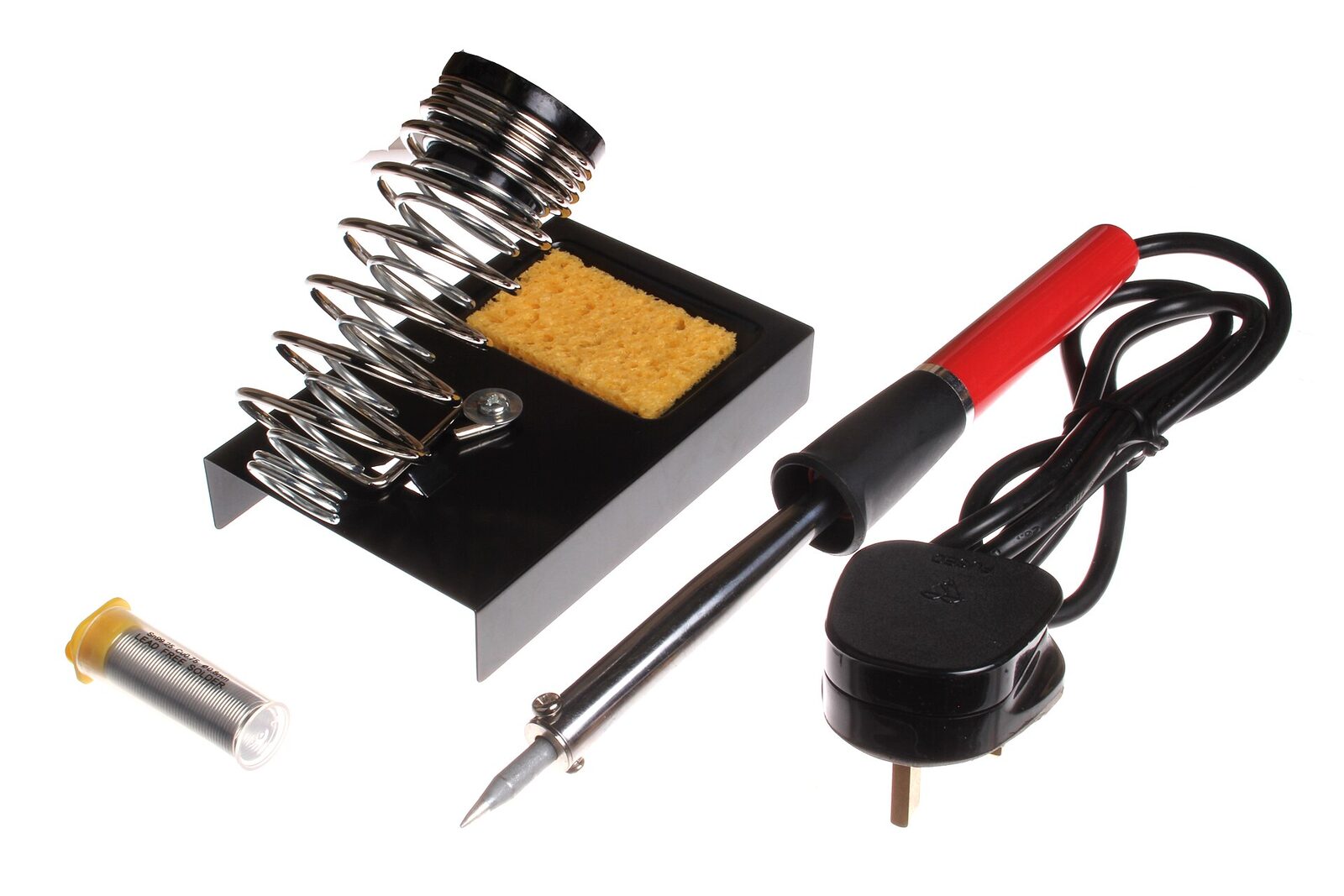
Soldering iron: 25-40 watt pencil-style iron plus leaded solder (not lead-free for postwar electronics).
Lubrication: Light machine oil (3-in-1 or equivalent), gear grease (specific low-friction type for model trains).
Cleaning supplies: Isopropyl alcohol (90%+), cotton swabs, lint-free cloths, soft brushes.
Paint supplies (if repainting): Specific hobby paints (Floquil for prototype-accurate colors), fine brushes, airbrush equipment for serious work.
Replacement parts: Lionel parts program, specialty parts dealers, salvage pieces for parts.
Reference materials: Greenberg's Guide to Lionel Postwar Trains (essential), service manuals for specific pieces.
Workspace: Clean, well-lit workbench. Magnifying lamp for detail work. Parts organizer trays.
Common Restoration Projects
Project 1: Mechanical Cleaning and Lubrication
The most common and lowest-risk postwar restoration. Any postwar piece benefits from this.
Materials: Isopropyl alcohol, light machine oil, gear grease, soft brushes, lint-free cloths.
Process:
1. Remove locomotive shell to access motor and running gear.
2. Clean motor armature with alcohol, soft brush.
3. Clean commutator with alcohol-soaked cotton swab.
4. Clean gear train with alcohol, soft brush.
5. Apply new lubrication: light oil on bearing points, grease on gear teeth.
6. Clean wheels and pickup rollers with alcohol.
7. Reassemble, test operation.
Time: 1-2 hours per piece.
Risk: Low. Over-lubrication is the main risk. Use sparingly.
Project 2: Electrical Contact Cleaning
Postwar electrical contacts oxidize over 60+ years. Cleaning restores reliable operation.
Materials: Isopropyl alcohol, cotton swabs, light sanding (if heavily oxidized).
Process:
1. Access electrical contacts (pickup rollers, wheel treads, motor brushes).
2. Alcohol-soaked cotton swab for cleaning.
3. Fine sanding only for severely oxidized contacts (grit 400+).
4. Alcohol wipe after sanding.
5. Reassemble and test.
Time: 30-60 minutes per piece.
Risk: Low to moderate. Over-aggressive sanding removes original material. Light touch only.
Project 3: Brush and Motor Service
Motor brushes wear out and benefit from replacement during restoration.
Materials: Replacement motor brushes (Lionel parts program), small screwdriver.
Process:
1. Access motor brush holders.
2. Remove worn brushes.
3. Install new brushes with same spring tension.
4. Verify commutator surface is clean.
5. Reassemble, test under load.
Time: 30-60 minutes per piece.
Risk: Low. Simple component replacement.
Project 4: Shell Cleaning (Non-Repaint)
Shell cleaning for operational pieces that still have decent original paint.
Materials: Very mild soap, soft cloth, cotton swabs for detail.
Process:
1. Mix mild soap in warm water.
2. Soft cloth, light rubbing on shell surface.
3. Cotton swabs for detail work around separately-applied details.
4. Rinse with clean water on soft cloth.
5. Pat dry with lint-free cloth. Air dry completely before reassembly.
Time: 1 hour per piece.
Risk: Moderate. Aggressive cleaning can damage original paint. Test cleaning method on hidden area first.
Project 5: Full Repaint (High-Risk)
Full shell repaint only when original paint is severely damaged and operation is primary goal.
WARNING: Full repaint eliminates collector value. Only pursue for pieces where mechanical function matters more than value preservation.
Materials: Correct Floquil hobby paint for era-authentic colors, primer, airbrush equipment, masking tape.
Process (overview):
1. Strip existing paint carefully (specific paint strippers for metal/plastic bodies).
2. Prime with appropriate primer.
3. Apply era-authentic paint colors in correct sequence.
4. Apply lettering and decals (dry transfers for authentic appearance).
5. Clear coat for protection.
6. Reassemble with freshly-cleaned mechanicals.
Time: 10-20 hours across multiple sessions.
Risk: HIGH. Not recommended for collector-grade pieces. Only for operational pieces being restored for continued use.
Specific Postwar Common Restoration Issues
Pickup Rollers
Issue: Oxidation prevents current delivery, causing intermittent operation.
Repair: Clean with alcohol. If severely corroded, replace with Lionel parts program replacements.
Motor Brushes
Issue: Brushes wear below usable length over decades of operation.
Repair: Replace with Lionel parts program replacements. Simple drop-in replacement for most postwar motors.
Commutator Deposits
Issue: Carbon deposits build up on motor commutator, affecting electrical contact.
Repair: Alcohol cleaning. For severe buildup, light burnishing with specific commutator cleaner.
Coupler Springs
Issue: Coupler springs lose tension over decades, preventing reliable coupling.
Repair: Replace with Lionel parts program replacements. Standard spring replacement.
Light Bulb/Headlight
Issue: Original incandescent bulbs eventually burn out.
Repair: Replace with correct bulb type. See our headlight repair guide for full procedure.
Horn/Whistle
Issue: Postwar whistle diaphragms degrade and lose seal.
Repair: Clean chamber, replace diaphragm if degraded. See our horn/whistle repair guide for full procedure.
Wheel Flange Damage
Issue: Wheels can develop flange damage from derailments or wear.
Repair: Wheel replacement available through parts program for most pieces. Serious damage warrants replacement; minor wear often cosmetic only.
What NOT to Do
Don't aggressively sand surfaces. Removes original material permanently. Light touch only.
Don't over-lubricate. Attracts debris that damages mechanisms. A few drops of oil, modest grease application.
Don't use harsh chemicals. Many modern cleaning products damage postwar plastics and paints. Isopropyl alcohol is the general safe choice.
Don't repaint original-paint pieces. Permanently destroys collector value. Only repaint if original paint is severely damaged.
Don't force reassembly. If parts don't fit, something's wrong. Backtrack and investigate.
Don't discard original parts. Keep original parts even when replacing. Future value or future reuse may require them.
Don't rush. Postwar restoration rewards patience. Rushed work damages pieces.
Don't skip documentation. Photograph before and during disassembly. Essential for reassembly reference.
When to Call Lionel Service
Some restoration work benefits from authorized service:
- Pieces of significant collector value where authenticity matters
- Complex electronic restoration (TMCC/LEGACY retrofit considerations)
- Specific postwar pieces with specialized mechanisms
- Insurance restoration work requiring documentation
- Pieces requiring extensive mechanical rebuild
Lionel Customer Service: 732-635-5300. Specialty postwar service centers available.
Preserving Original Elements
Throughout restoration, preserve original elements where possible:
Original paint: Even damaged original paint is often worth preserving over repainting.
Original decals/lettering: Original factory lettering is distinctive. Preserve under all cleaning.
Original hardware: Original screws, bolts, specific detail parts all contribute to authenticity.
Original wiring (if functional): Original wiring looks correct for the era. Replace only if non-functional.
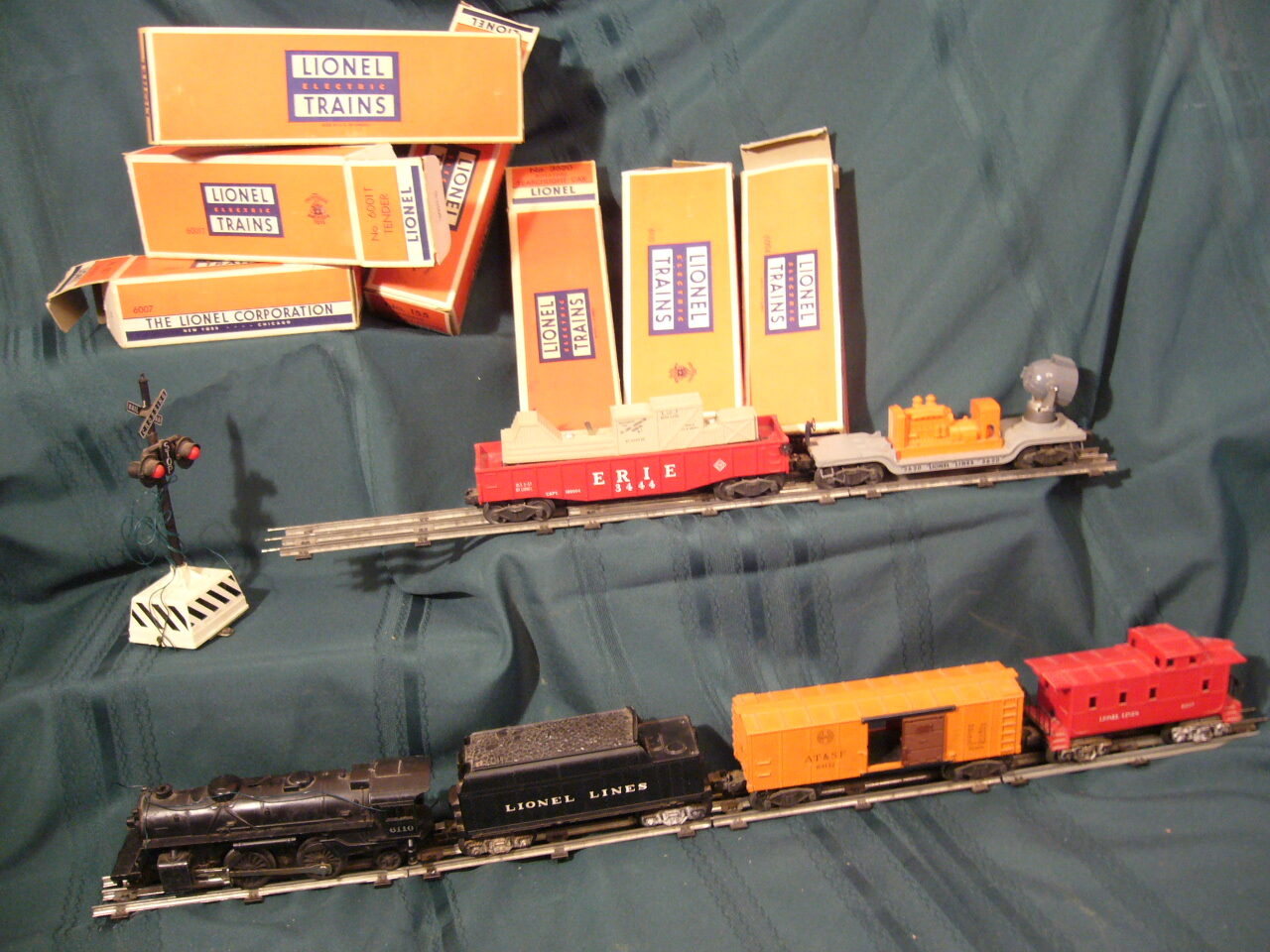
Original boxes and documentation: Preserve in original condition. Any damage significantly reduces collector value.
Documentation Essential
Before photos: Document original condition thoroughly before any work.
Progress photos: Photograph each disassembly step for reassembly reference.
Parts inventory: List all parts removed, their condition, replacement vs reused.
Materials log: Document specific cleaning products, lubricants, replacement parts used.
After photos: Document completed restoration for future reference.
Receipts: Save receipts for all materials and services. Essential for insurance or future resale.
Frequently Asked Questions
Does restoration help or hurt postwar value?
Generally hurts collector value. Original condition is nearly always preferred. Restoration appropriate only for operational use or for pieces with no significant collector value.
How much does postwar restoration cost?
Basic cleaning and lubrication: $10-$30 in materials. Full mechanical rebuild: $50-$150 in parts. Full repaint: $100-$300 in materials plus significant labor time.
Can I convert postwar to LEGACY command?
Yes, through authorized Lionel service. Not recommended for collector-grade pieces (eliminates authenticity). Appropriate for operational pieces where command control is desired.
What's the best starting project for restoration beginners?
Mechanical cleaning and lubrication on a common postwar locomotive. Low risk, immediate operational benefit, builds experience.
Should I remove rust from postwar pieces?
Depends. Light surface rust often preservable with wax coating. Heavy rust causing structural issues requires more aggressive treatment. Case-by-case decision.
Verdict
Postwar Lionel restoration is a rewarding hobby project when approached properly, and a value-destroying mistake when rushed. The core principle: do no harm. Start with mechanical cleaning and lubrication on common pieces where mistakes are tolerable. Build experience before tackling significant restoration work. Preserve original elements wherever possible. Reserve full repaint only for pieces where operation matters more than collector value. For related repair guidance, see our horn/whistle repair guide, our headlight repair guide, our smoke unit repair guide, our coupler repair guide, and our complete repair guide.
Newsletter
Weekly O-gauge tips & reviews
New reviews, layout ideas, and hobby news — straight to your inbox.