How to Fix a Lionel Smoke Unit That Won't Smoke: Complete 2026 Repair Guide
October 14, 2026
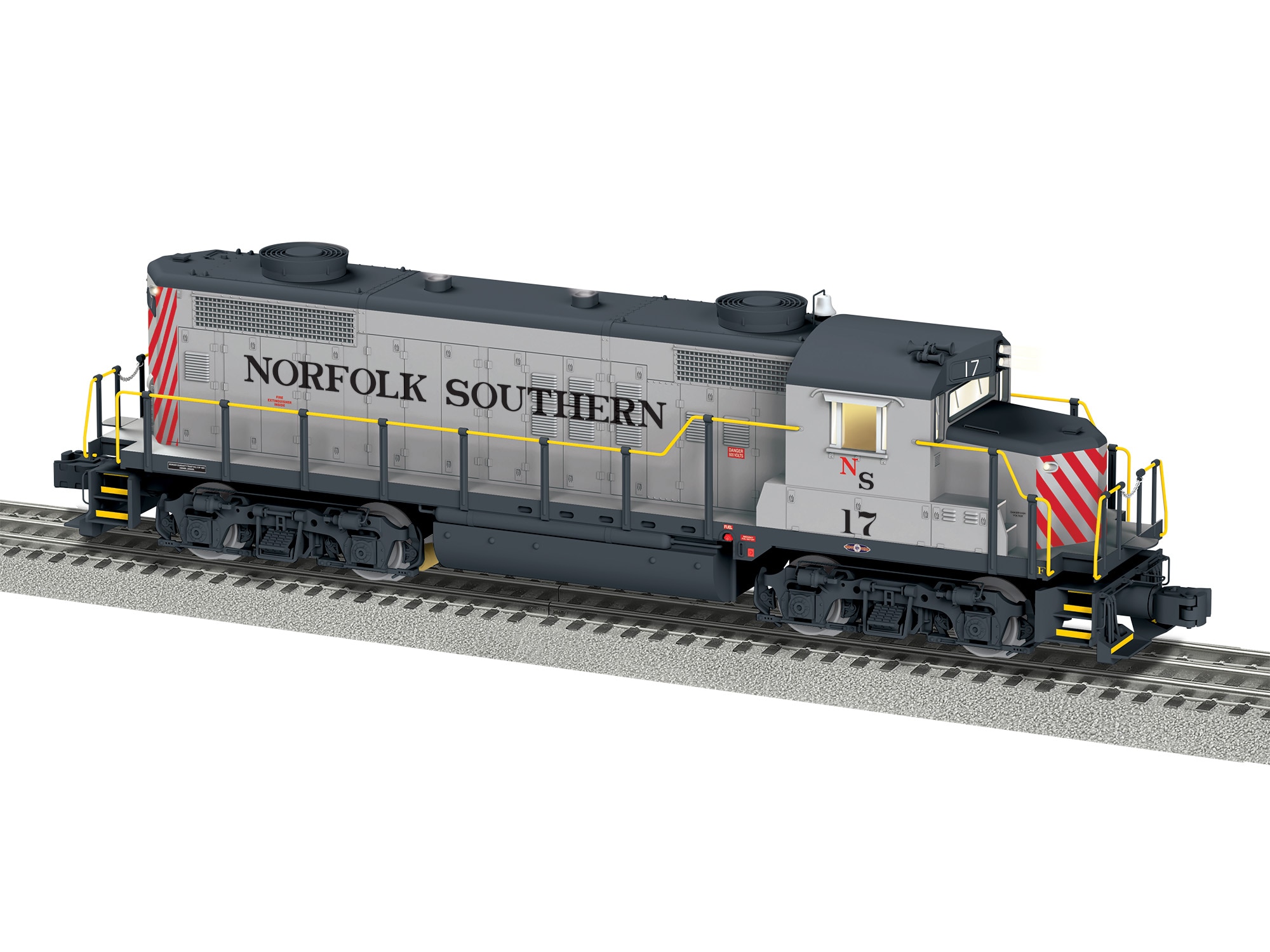
A Lionel smoke unit that won't smoke is one of the most common post-storage complaints in O-gauge railroading. The smoke was fine before you boxed the locomotive up for a season; now it does nothing but a faint whiff — or nothing at all. This complete 2026 guide walks through diagnosing and fixing Lionel smoke units: the specific failure modes, the right smoke fluids, cleaning procedures, element replacement, and preventive maintenance that keeps smoke performance reliable for years.
How Lionel Smoke Units Work
Modern Lionel smoke units heat a specialized smoke fluid to vaporize it, producing the signature smoke effect. The components:
Smoke fluid reservoir: A small internal tank that holds the smoke fluid (typically 10-30 ml capacity).
Heating element: An electrical element that heats the fluid. Modern LEGACY units use regulated heating elements; older TMCC and conventional units use simpler elements.
Wicking material: A felt or ceramic wick that draws fluid to the heating element.
Smoke outlet: The exhaust port where vaporized smoke exits (locomotive stack).
Fan or convection: On LEGACY-tier units, a small fan assists in pushing smoke out. Conventional and older TMCC units use natural convection.
Smoke control circuit: On LEGACY units, electronics regulate heating element temperature and smoke output volume.
Specific Failure Modes
Before replacing components, identify what's actually failing:
No smoke at all: Fluid dry, heating element failed, wick clogged, or power circuit broken.
Weak smoke: Low fluid, dirty wick, worn element, or fan not working on LEGACY units.
Smoke only initially, then stops: Fluid level low, wick isn't drawing properly, or heating element overheating protection kicking in.
Smoke smells wrong (burning): Wrong fluid type, overheated element, or wick burned out.
Smoke on only some command sessions: LEGACY smoke intensity set to zero, or fan command issue.
Step 1: Check the Smoke Fluid Level
The first and most common fix:
Open the smoke chamber. On most Lionel locomotives, the smoke chamber accesses via a small cap or valve on top of the boiler (steam) or hood (diesel). Consult your specific locomotive's manual for exact location.
Check fluid level. You should see visible fluid or feel moisture on the dipstick (if provided). Dry = empty.
Add proper smoke fluid. Use Lionel-approved smoke fluid only — Lionel 6-24180 or equivalent. Fill to the fill line, don't overfill.
Wait for wicking. Allow 10-15 minutes for the wick to fully absorb fresh fluid before testing.
Test smoke output. Run the locomotive at moderate speed on track. Smoke should start within 30-60 seconds and become steady.
Most "won't smoke" complaints resolve at this step. Smoke fluid evaporates during storage; low fluid is the #1 cause.
Step 2: Verify Proper Smoke Fluid Type
Using wrong fluid damages smoke units:
Lionel 6-24180 (SP Smoke Fluid): Current Lionel standard. Formulated for all modern Lionel locomotives.
Lionel 6-24179 (Legacy Smoke Fluid): Discontinued but may be in your inventory. Compatible with modern locomotives.
Avoid: Water, mineral oil, baby oil, scented oils, essential oils, home-mix smoke solutions. These contaminate wicks, foul heating elements, and may permanently damage smoke units.
Avoid cross-brand fluids: MTH ProtoSmoke, Bachmann smoke fluid, and generic brands may work short-term but can leave residues that affect long-term performance.
Step 3: Clean the Smoke Chamber
If proper fluid is at correct level and smoke is still weak or absent:
Materials needed: Isopropyl alcohol (90%+), cotton swabs, soft brush, compressed air.
Process:
1. Drain existing smoke fluid completely
2. Blow out the smoke chamber with compressed air
3. Dip cotton swab in alcohol, clean the chamber interior
4. Clean the wick carefully — if visible, dip in alcohol and press out gently
5. Blow out with compressed air one more time
6. Add fresh smoke fluid
7. Wait 10-15 minutes for wicking
8. Test
Dirty wicks and contaminated fluid chambers are a common cause of smoke failure after extended storage.
Step 4: Check the Fan (LEGACY and Vision Line)
If smoke is produced but not visibly exiting the stack:
LEGACY fan check: Access the fan through the smoke chamber or external access panel. The fan should rotate during smoke operation.
If fan is stuck or not spinning:
- Lightly brush any dust or debris from fan blades
- Apply single drop of light oil to fan bearing
- Rotate manually to confirm free movement
- Test smoke operation again
If fan still won't spin: Likely a motor failure requiring authorized service.
Step 5: Verify Smoke Command (LEGACY)
On LEGACY-equipped locomotives, smoke intensity is command-controlled:
Via CAB-2: Smoke intensity settings 0-9. If at 0, no smoke regardless of fluid or heating.
Via LEGACY app: Smoke intensity slider. Verify not at zero.
Smoke mode: Some LEGACY locomotives have multiple smoke modes (steam, exhaust, auxiliary). Verify correct mode is selected for intended effect.
Reset: Power cycle locomotive to reset any command issue affecting smoke operation.
Step 6: Check Heating Element
If fluid, wick, and command are all verified correct, the heating element may be failing:
Symptoms of element failure: No smoke even with fresh fluid and clean wick. Element visibly damaged (cracked, corroded).
Replacement: Smoke heating elements are available through Lionel parts program for most current and recent production locomotives. $20-$40 typical replacement cost.
Installation complexity: Varies by locomotive. Simple on some LionChief locomotives (plug-replacement). Complex on LEGACY and Vision Line (soldering required).
When to DIY vs service: LionChief and simpler TMCC: DIY if comfortable with electronic work. LEGACY and Vision Line: Authorized service recommended due to warranty and complexity.
Step 7: Element Overheat Protection Reset
Some modern Lionel smoke units have thermal protection that trips if the element overheats:
Reset procedure: Power down locomotive completely. Allow to cool for 15-30 minutes. Power back on and test.
If protection repeatedly trips: Element may be aging. Consider replacement before complete failure.
Preventive Maintenance Schedule
To minimize smoke unit failures:
Before storage: Run locomotive briefly to burn off remaining fluid. Store with dry smoke chamber.
Before returning to service after storage: Clean wick with alcohol, verify no residue, fill with fresh fluid.
Monthly during active season: Verify fluid level, top off as needed.
Annually: Full smoke chamber cleaning with alcohol, wick inspection.
Every 5-7 years: Element inspection, replace if showing wear or diminished output.
After contamination event: If wrong fluid or debris entered chamber, immediate cleaning. Don't operate.
When to Call Lionel Service
Some situations need authorized service:
- LEGACY ElectroCoupler-related issues affecting smoke
- Vision Line smoke unit service
- Warranty-period failures (don't void your warranty)
- Postwar reproduction smoke restoration
- Electrical issues beyond basic DIY troubleshooting
Lionel Customer Service: 732-635-5300. Will direct you to authorized service centers nationwide.
Frequently Asked Questions
How often should I refill smoke fluid?
Depends on operation. Casual operators: every few months. Active operators: every 10-20 operating sessions. Smoke chamber usually holds 20-30 operating hours of fluid.
Can I use scented smoke fluid?
Risky. Scented additives can leave residues that foul the heating element and wick. Stick to Lionel-approved unscented smoke fluid for reliable long-term performance.
Why does my smoke smell burnt?
Overheated element, contaminated fluid, or wrong fluid type. Investigate immediately — ongoing burnt smell indicates element damage.
Can I replace the smoke heating element myself?
LionChief: usually yes, plug-replacement. TMCC: possibly, depends on model. LEGACY and Vision Line: authorized service recommended due to complexity and warranty concerns.
How long do smoke heating elements last?
5-10 years with proper fluid and maintenance. Shorter with contamination or improper use. Replacement is straightforward on most Lionel locomotives.
Verdict
Most Lionel smoke unit failures resolve through simple diagnosis and inexpensive maintenance. Start with fluid level verification (the most common cause), then verify fluid type, clean the chamber, and inspect the fan on LEGACY units. Replace heating elements when they fail. Preventive maintenance (annual cleaning, periodic fluid refresh, proper storage) keeps smoke performance reliable for decades. For related troubleshooting guidance, see our coupler repair guide, our Lionel troubleshooting guide, our complete repair guide, our LEGACY upgrade guide, and our FasTrack installation guide.
Newsletter
Weekly O-gauge tips & reviews
New reviews, layout ideas, and hobby news — straight to your inbox.