How to Fix Lionel Couplers That Won't Stay Coupled: Complete 2026 Repair Guide
October 1, 2026
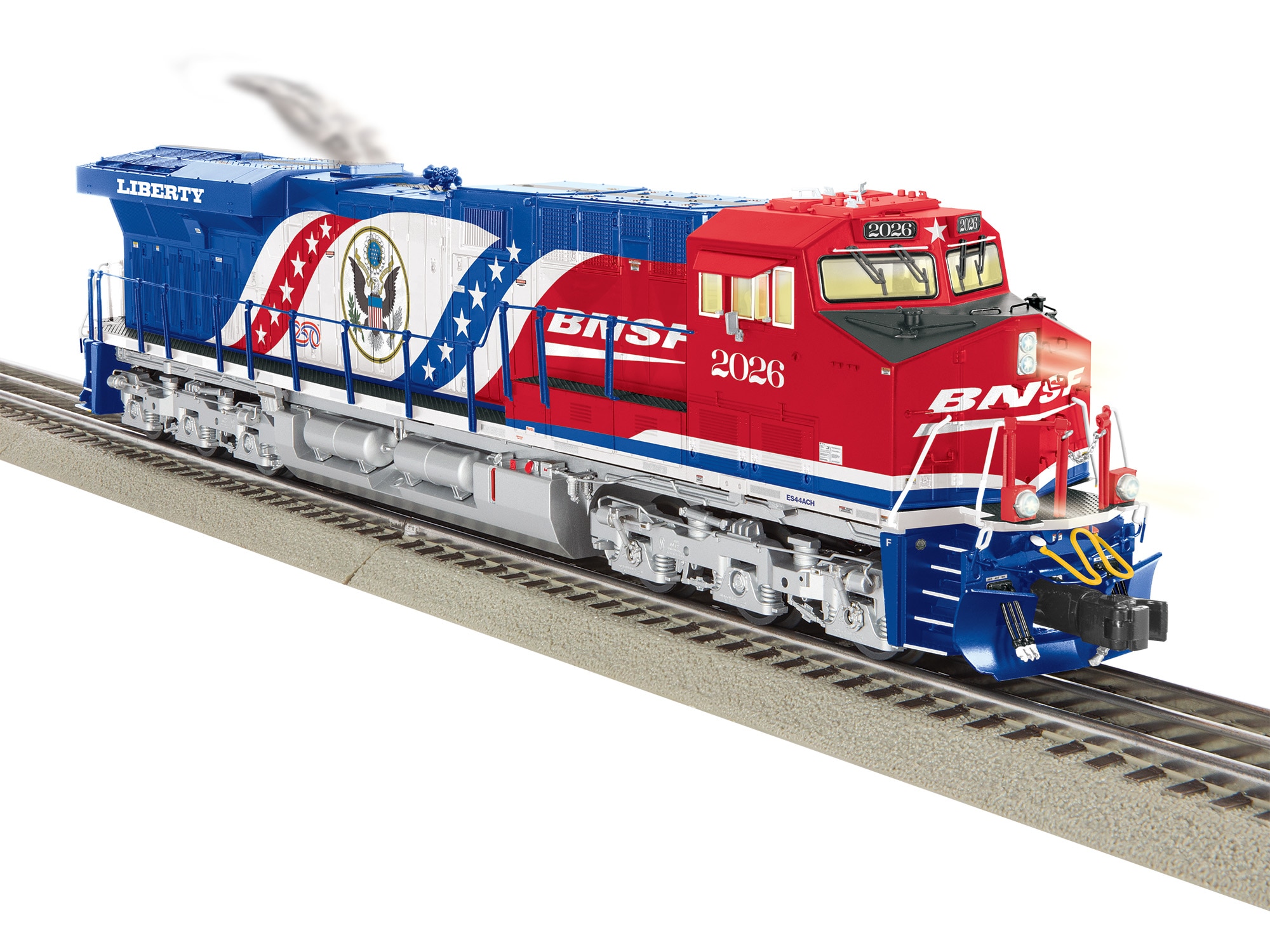
Couplers that won't stay coupled are one of the most frustrating problems in O-gauge railroading. Your train runs beautifully, but every time it hits a curve, the car separates. Or you pull a long freight consist and cars drop off mid-train. This complete 2026 guide walks through diagnosing and fixing the specific causes of coupler failures on Lionel O-gauge equipment — from the common and easy fixes through more involved repairs.
Why Couplers Fail
Lionel O-gauge equipment uses the Lionel knuckle coupler system. Despite being a mature design, several specific failures cause coupling problems:
Weak or broken coupler springs — the primary mechanical failure
Height mismatch between cars — the most common root cause
Debris in the coupler mechanism — common in dusty environments
Worn coupler knuckles or pins — the aging failure mode
Coupler latch misalignment — manufacturing variation or wear
Insufficient coupling pressure — operation technique issue
Step 1: Verify the Specific Failure Mode
Before replacing anything, identify exactly what's happening. The fix depends on the specific failure.
Cars drop off on curves only: Height mismatch or coupler slack issue.
Cars drop off on straight track: Spring, knuckle, or latch problem.
Cars won't couple to begin with: Height mismatch, latch misalignment, or spring issue.
Cars uncouple randomly: Weak springs, debris, or power-related magnetic interference on command-equipped equipment.
Cars drop under load but not light: Spring tension or slack issue.
Step 2: Check Coupler Height
The single most common cause of coupling problems. Lionel couplers have standardized mounting height, but variation between manufacturers and over time causes mismatches.
How to check:
1. Place the problem car on straight, level track.
2. Set a Lionel Height Gauge (SKU 6-62928, $18-25) on the track.
3. Check that the coupler center aligns with the gauge's reference line.
4. Repeat for the mating car.
If one or both cars have incorrect coupler height, that's the fix target.
How to adjust:
- Most Lionel freight cars have a mounting slot that allows up/down adjustment via the mounting screw.
- For passenger cars, shimming the coupler mount may be required.
- For deeply misaligned couplers, replacement with properly-mounted equivalent is often faster than adjustment.
Step 3: Clean the Coupler Mechanism
Debris in the coupler is cheap and often fixes problems:
Materials: Compressed air, cotton swab, isopropyl alcohol (90%+), small brush.
Process:
1. Blow out the coupler cavity with compressed air.
2. Dip the cotton swab in isopropyl alcohol, work it into the coupler mechanism.
3. Operate the coupler several times by hand to flush out debris.
4. Dry thoroughly with clean air.
5. Test coupling behavior.
Debris is especially common on cars that have been stored in dusty environments or used around significant layout construction.
Step 4: Inspect Coupler Springs
Lionel couplers use small internal springs that lose tension over time:
Symptoms of spring failure: Coupler holds loosely, releases under minimal pressure, won't hold a knuckle fully closed.
How to inspect: Remove the coupler cover (usually a single screw or snap retention). The spring is visible inside the coupler housing.
Replacement: Replacement coupler springs sell as parts packets through Lionel's parts program ($3-6 for a 4-pack). Available from authorized Lionel dealers and from Lionel Customer Service.
Installation: Insert new spring in the coupler cavity, reassemble, test coupling. Should take 2-3 minutes per coupler.
Step 5: Replace Worn Knuckles
If springs are intact but couplers still fail, worn knuckles are the issue:
Symptoms: Knuckle doesn't fully close, latch slips, visible wear or damage to the knuckle itself.
Replacement: Lionel offers replacement knuckle sets that match standard mounting. $4-8 per knuckle through authorized dealers.
Installation: Remove original knuckle from the coupler housing (typically a snap or pin retention), install new knuckle in same orientation, verify latch operation.
Step 6: Verify Latch Alignment
The coupler latch is the small catch that holds the knuckle closed. If the latch is misaligned, the knuckle won't stay closed:
How to check: Open the coupler and manually operate the latch. The latch should firmly engage the knuckle when closed and release cleanly when opened.
How to adjust: On most Lionel couplers, the latch orientation can be adjusted by bending the retention arm slightly. Use needle-nose pliers for subtle adjustment. Test after each small adjustment.
If latch adjustment doesn't work: Full coupler replacement is faster than extensive rebuilding. Replacement couplers run $8-15 each from authorized Lionel sources.
Step 7: ElectroCoupler Specific Issues
LEGACY-tier locomotives use ElectroCouplers that respond to command signals. ElectroCouplers add specific failure modes:
Battery drain: ElectroCouplers use internal batteries that eventually fail. Replacement is a service call for authorized Lionel repair centers.
Signal interference: ElectroCouplers can be triggered by nearby magnetic fields. Keep layout away from large electrical equipment.
Mechanical failures: Similar to standard couplers plus the solenoid actuator. Field repair possible but requires soldering skills.
Software issues: Rare but possible — a reset of the locomotive's command module resolves transient issues.
Preventive Maintenance for Coupler Reliability
To minimize future coupler problems:
Monthly cleaning: Compressed air cleaning of all couplers prevents debris buildup.
Annual lubrication: A single drop of light machine oil on coupler pivot points keeps action smooth. Don't over-lubricate.
Height gauge inspection: Verify coupler heights annually for frequently-used equipment.
Store properly: Cars stored in original foam inserts maintain coupler alignment better than loose storage.
Replace proactively: On a long-run freight consist, replace one coupler per year as preventive maintenance. Spreads replacement cost across time.
When to Call Lionel Service
Some issues require authorized service:
- LEGACY ElectroCoupler battery or solenoid repair
- RailSounds-equipped locomotives where coupler-related damage affects electronics
- Postwar coupler restoration where original parts preservation matters
- Vision Line coupler service (specialized tooling required)
Lionel Customer Service (732-635-5300) directs you to authorized service centers nationwide.
Frequently Asked Questions
Why do my cars uncouple only on curves?
Coupler height mismatch is the most likely cause. Curves add vertical and lateral forces that expose height differences otherwise hidden on straight track.
Can I use third-party couplers on Lionel cars?
Yes, Kadee makes popular aftermarket couplers for O-gauge. Installation requires modification but delivers improved reliability for serious operators.
Why do my cars drop off only when pulling long trains?
Weak coupler springs can't maintain enough grip under long-train tension. Replace springs on the specific cars that drop off.
Should I lubricate the coupler mechanism?
Lightly, yes. A single drop of light machine oil on the pivot points annually. Avoid over-lubrication which attracts debris.
How often should I replace coupler springs?
5-7 years typical lifespan under normal use. Faster for frequently-operated equipment. Keep spare springs on hand.
Verdict
Most Lionel coupler problems resolve with simple diagnosis and inexpensive parts replacement. Start with coupler height verification (the most common cause), then clean the mechanism, then inspect springs and knuckles. Full repair kits run under $20 for most situations. Preventive maintenance (annual cleaning, periodic spring replacement) keeps coupler failures rare. For related troubleshooting guidance, see our Lionel troubleshooting guide for trains that won't run, our complete repair and restoration guide, our FasTrack installation guide, our cabooses buying guide, and our LEGACY upgrade guide.
Newsletter
Weekly O-gauge tips & reviews
New reviews, layout ideas, and hobby news — straight to your inbox.