How to Fix a Lionel Headlight That Won't Light: Complete 2026 Repair Guide
October 26, 2026
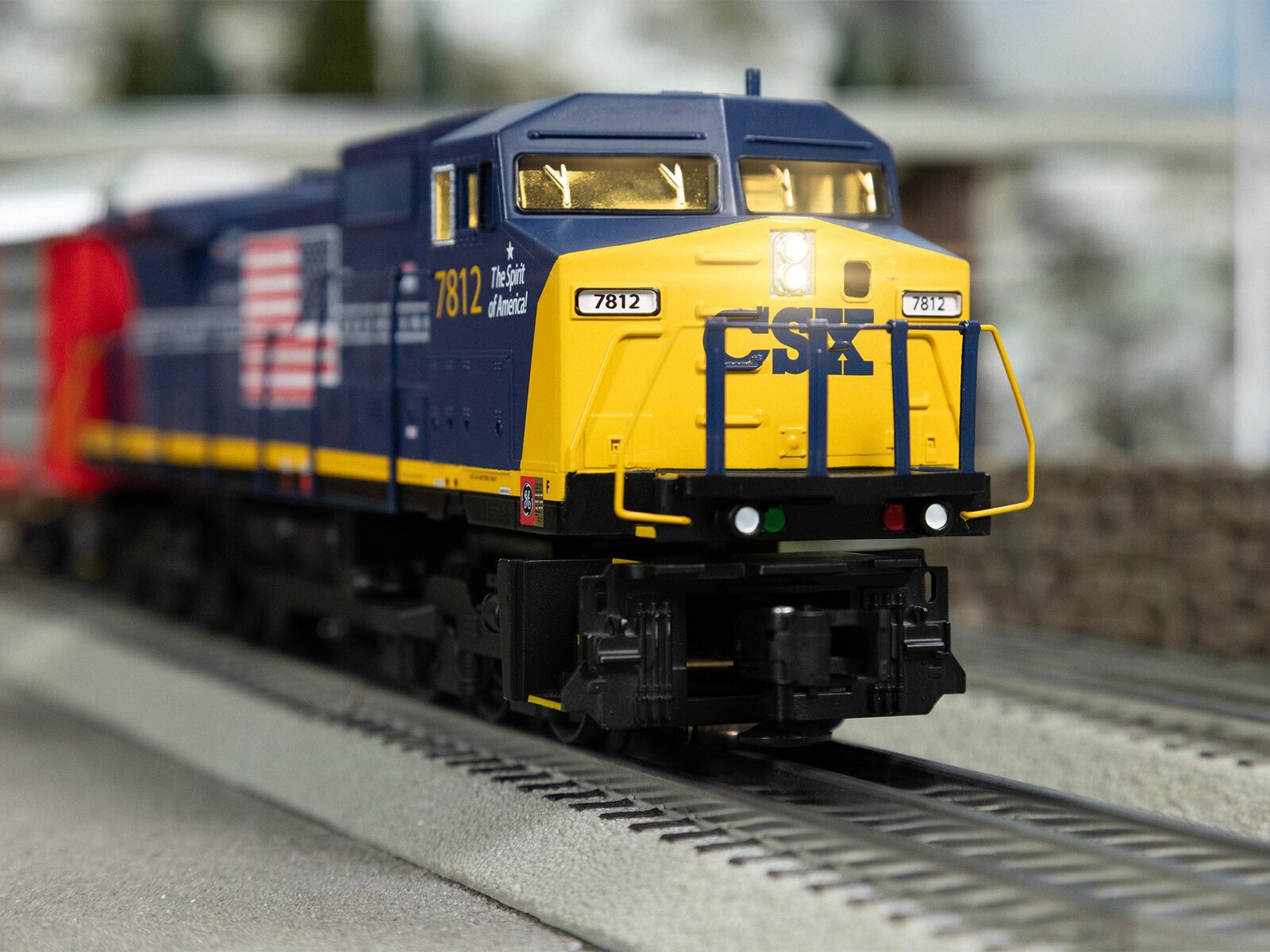
A Lionel locomotive with a dead headlight is one of the most common operator complaints, especially after extended storage. The locomotive runs fine, the horn works, the smoke works, but the headlight is dark. Sometimes it flickers intermittently; sometimes it's just completely dead. The underlying failures are specific and the fixes are usually straightforward. This complete 2026 guide walks through diagnosing and fixing Lionel locomotive headlights: the specific failure modes across LionChief, LionChief Plus, TMCC, LEGACY, Vision Line, and conventional operation, and the step-by-step repair that gets your headlight working again.
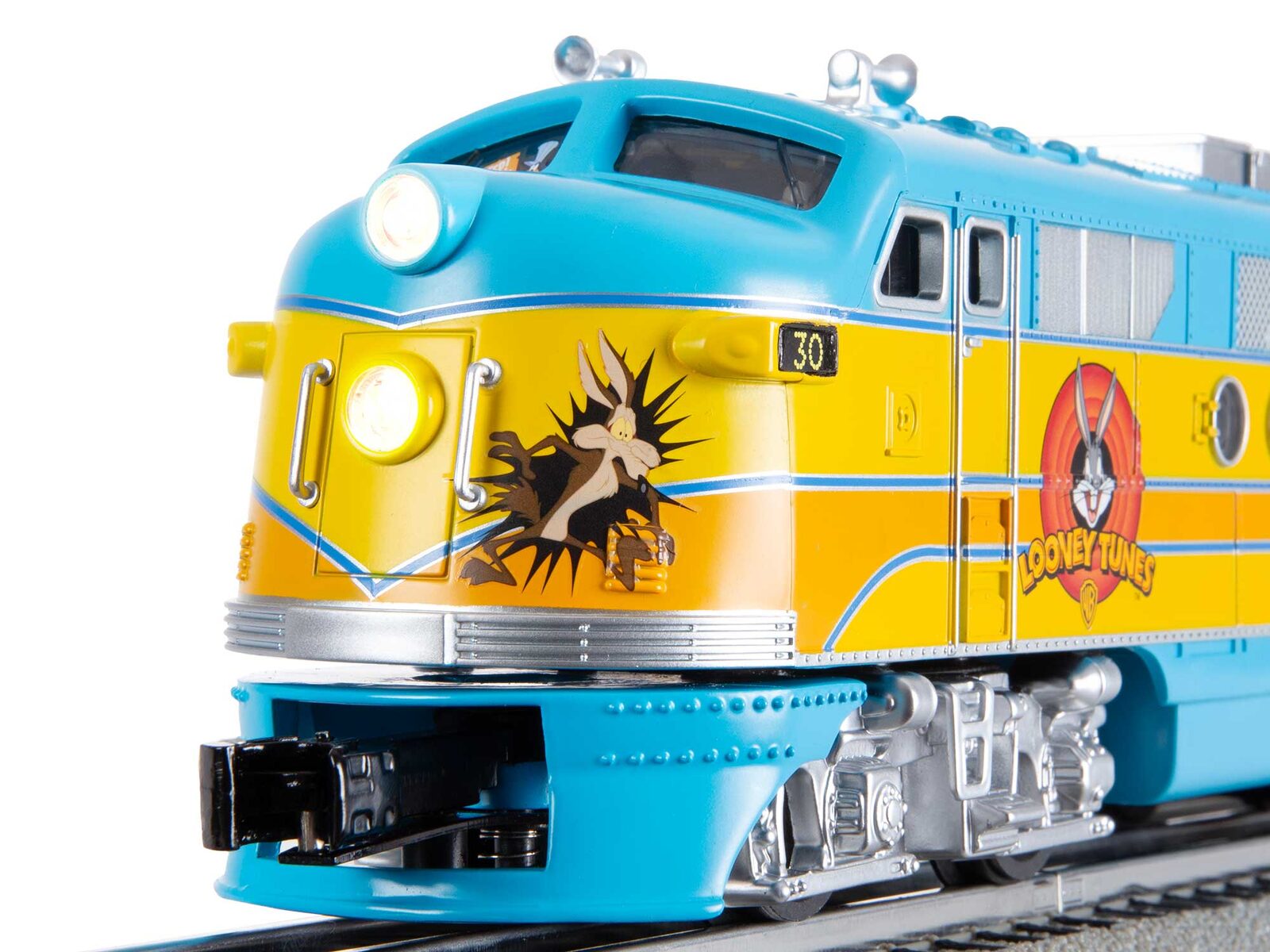
How Lionel Headlights Work
Lionel headlights differ by era and tier:
Postwar (incandescent bulb): Traditional incandescent bulb with simple wiring to track pickup. Bulbs are the most common failure.
Modern conventional (LED): LED headlights with simple current-limiting circuit. Longer life than incandescent but still fails.
LionChief Bluetooth 5.0: LED headlight controlled by onboard electronics. Can be programmed on/off via LionChief app.
LionChief Plus 2.0: LED headlight with command-controlled on/off and sometimes dim/bright variants.
TMCC/LEGACY: LED headlight with CAB-2/LEGACY app programmable control, directional (changes with reverser direction), and various effects.
Vision Line: Enhanced LED package with multiple light sources (headlight, backup light, numberboards, class lights, firebox glow). Multiple potential failure points.
Step 1: Identify the Specific Failure Mode
Before any repair, identify what's actually failing:
No light at all: Bulb/LED failure, wiring break, electronic failure, or command setting issue.
Dim light: Voltage delivery issue, aging bulb/LED, or circuit degradation.
Flickering light: Loose connection, track pickup issue, or voltage interruption.
Headlight on but no reverse light: Backup light-specific failure (common on LEGACY and Vision Line).
Light only works at certain speeds: Voltage-dependent issue, typically current-limiting circuit.
Light works in command but not conventional: Normal for modern locomotives, many only use command mode for lights.
Light initially works, then stops: Thermal protection or circuit degradation under load.
Step 2: Verify Command System Settings First
Most "no headlight" complaints resolve at this step for modern locomotives:
For LionChief Bluetooth 5.0
Check LionChief app settings: Verify headlight is set to "on" in app controls. Default is on; sometimes gets toggled off accidentally.
Pairing status: Verify locomotive is paired with app. Lost pairing means no light control.
Power reset: Power cycle locomotive. Resolves transient control issues.
For TMCC/LEGACY
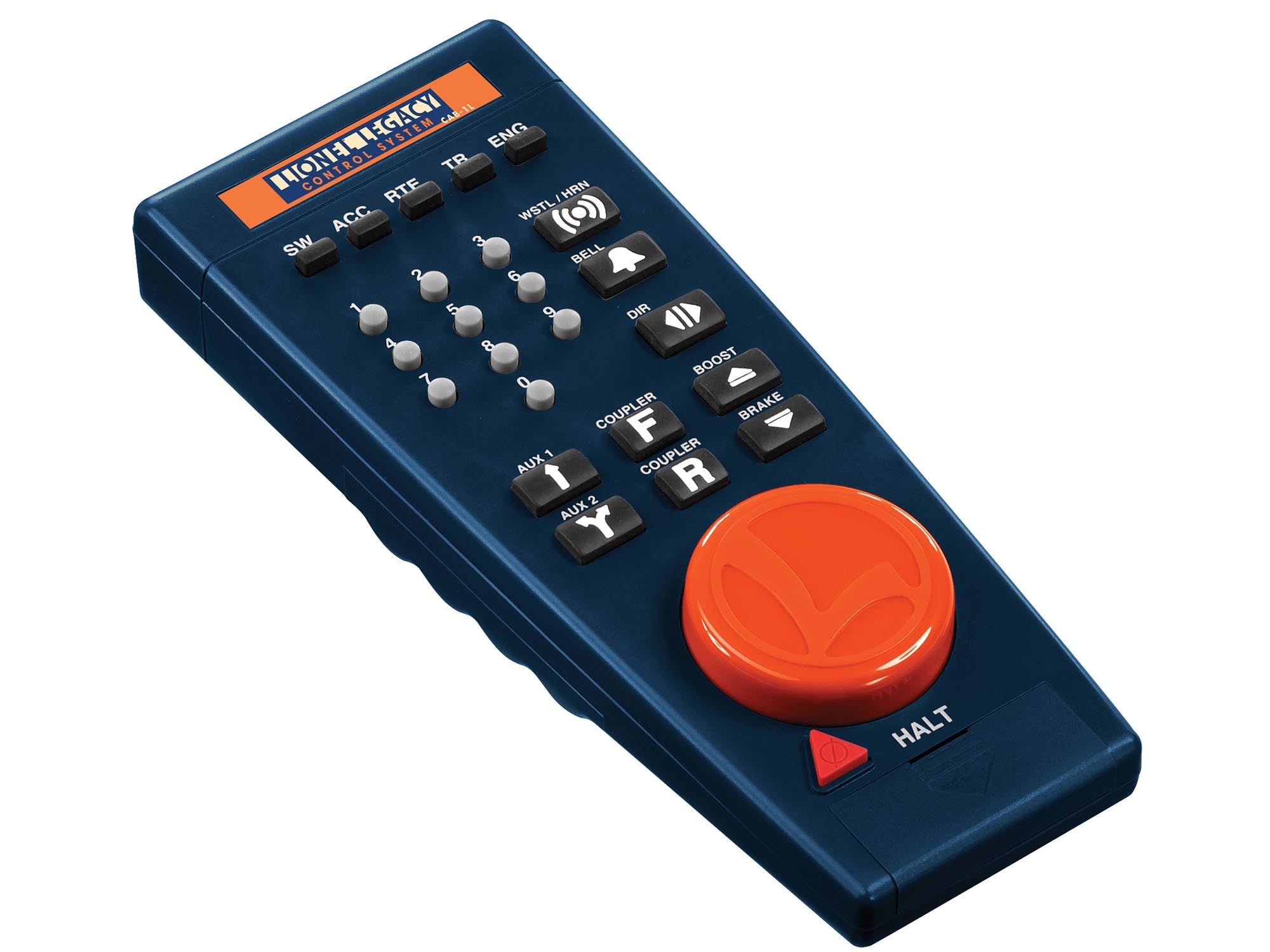
Check headlight setting via CAB-2: Programming sequence to verify headlight state. If turned off programmatically, reset.
Verify direction setting: LEGACY and TMCC headlights are directional. Verify locomotive is in forward direction for forward headlight to work.
Dimmer settings: Some LEGACY locomotives have programmable headlight dimming. Verify not set to zero.
LEGACY app: Check headlight controls in LEGACY app. Toggle on/off to reset.
Base verification: Verify LEGACY/TMCC base is powered and sending commands.
For Conventional
Track voltage: Minimum voltage required for headlight (typically 8V+). Verify adequate voltage.
Direction control: Conventional directional headlights change with reverse direction. Verify direction matches intended headlight.
Step 3: Visual Inspection of the Headlight
Open the locomotive shell to inspect the headlight:
Visible damage: Broken bulb, burned LED, visible damage to the headlight housing.
Loose connections: Headlight wires often connect to small terminals on the chassis or electronics board. Loose connections cause intermittent operation.
Corrosion: Older locomotives can develop corrosion on headlight connections, especially in humid storage.
Debris: Dust and debris in the headlight housing can affect light output.
Lens condition: Discolored or dirty lens significantly reduces apparent headlight brightness.
Step 4: Replace a Burned Bulb or LED
Headlight replacement is one of the easiest Lionel repairs:
Postwar/Traditional Incandescent Bulbs
Identify the bulb type: Lionel used specific bulb types across different era (14V screw-base, bayonet-base, specific wattage). Consult parts guide for your specific locomotive.
Replacement cost: $2-$6 for standard replacement bulbs. Lionel parts program and parts dealers stock.
Installation: Remove old bulb (unscrew or pull), install replacement with same orientation, test. Minutes to complete.
Modern LED Headlights
Identify LED configuration: Modern locomotives use specific LED packages. May be surface-mount or through-hole.
Replacement cost: $5-$15 for compatible LED packages. Specialty parts dealers carry.
Installation complexity: Varies. Simple on LionChief; more complex on LEGACY and Vision Line where multiple LEDs integrate with lighting board.
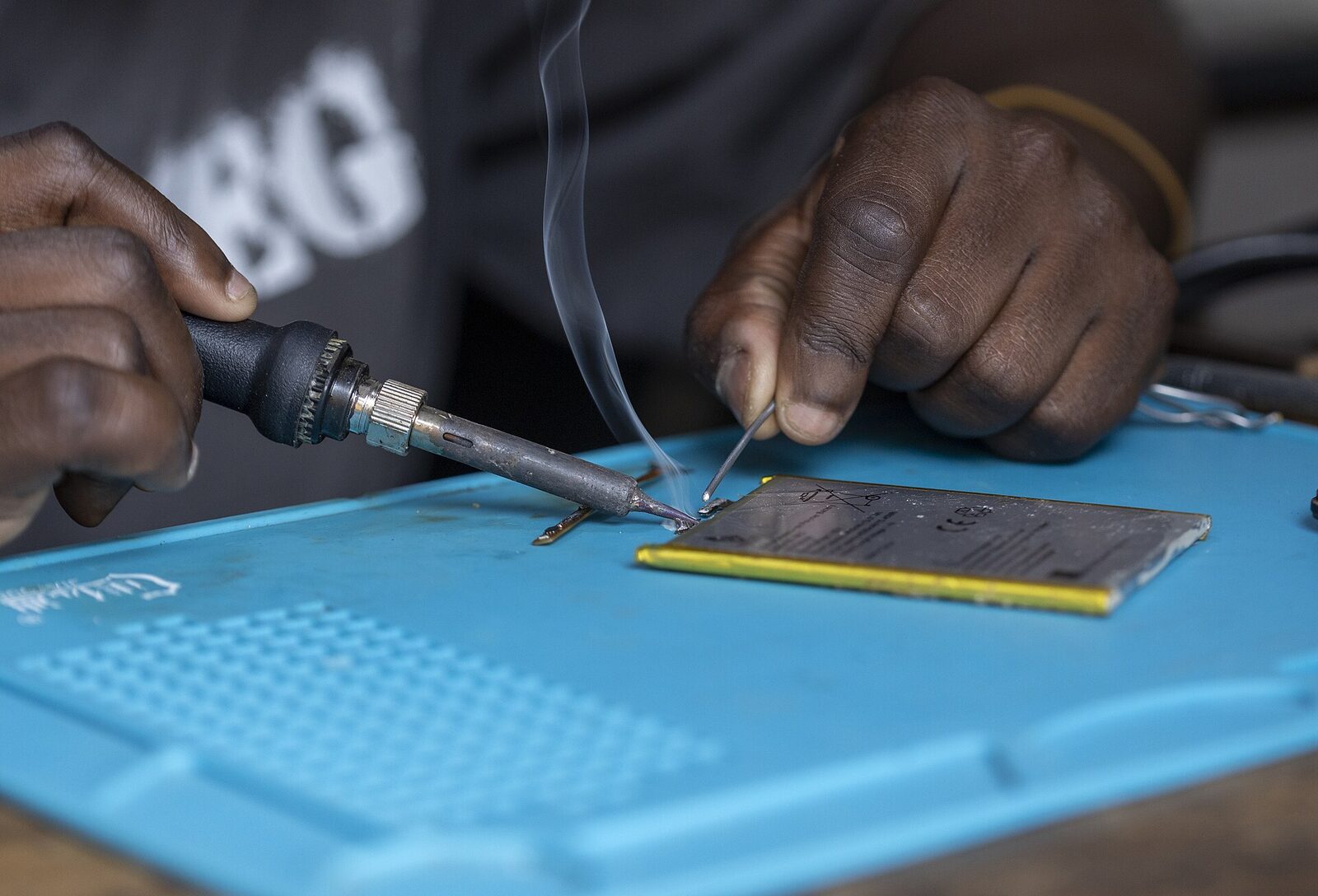
Soldering may be required: LED replacement in modern locomotives sometimes requires soldering. Consider authorized service if not comfortable with electronics work.
Step 5: Check the Wiring
If bulb/LED verifies good but light still won't work:
Continuity test: Multimeter continuity check from power source (track pickup) through headlight wiring. Any break identifies the fault location.
Wire inspection: Visible breaks, pinched wires, or chafed insulation at common wear points (near truck connections, at electronic board junctions).
Terminal condition: Verify screw terminals are tight. Verify spring-clip terminals hold wires securely.
Pickup roller connection: Verify pickup rollers deliver power to the chassis. Oxidation on pickup rollers reduces current delivery.
Chassis ground: Verify locomotive chassis is grounded through wheel contact. Dirty wheel treads reduce ground continuity.
Step 6: Check Current-Limiting Circuit
Modern LED headlights use current-limiting resistors to prevent damage. These can fail:
Visible damage: Burned resistor visible on headlight circuit board.
Resistor replacement: Match resistor value (ohms) and wattage rating. Standard components available at electronics parts stores.
Installation: Requires desoldering old resistor and soldering replacement. Basic electronics skills needed.
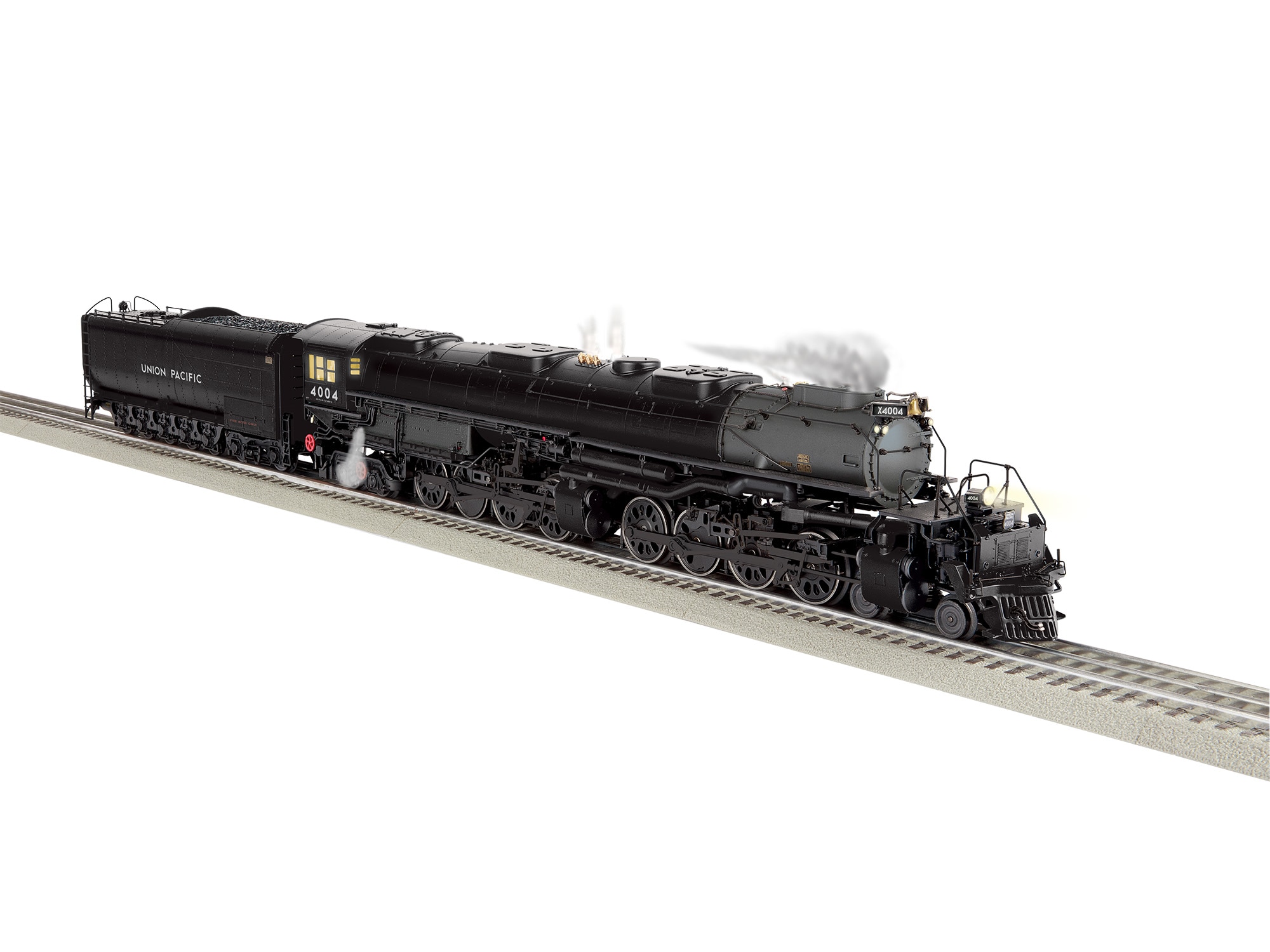
Step 7: Specific LEGACY and Vision Line Lighting Issues
Premium LEGACY and Vision Line locomotives have complex lighting with multiple potential failure points:
Multiple light sources: Headlight, backup light, numberboards, class lights, firebox glow, each with independent LEDs and circuits. One can fail while others continue.
Lighting board failure: If multiple lights fail simultaneously, lighting board may have failed. Authorized service recommended.
Firmware configuration: LEGACY lighting can be programmatically controlled. Verify firmware settings via CAB-2.
Backup light specific: If headlight works but backup light doesn't, backup light channel-specific failure. Common issue.
Dimmer/brightness programming: LEGACY lights have programmable brightness. Verify not set to zero.
Step 8: Pickup Roller and Track Issues
If troubleshooting reveals voltage not reaching the headlight circuit:
Clean pickup rollers: Oxidation on pickup rollers reduces current delivery. Light sanding or isopropyl alcohol cleaning restores conductivity.
Clean wheel treads: Dirty wheels reduce ground continuity. Isopropyl alcohol on cotton swab for cleaning.
Clean track: Dirty track reduces current to pickup rollers. Lionel track cleaning solution or isopropyl alcohol on cloth.
Verify track continuity: Multimeter test across track joiners. Dirty or oxidized joints reduce voltage delivery.
When to Call Lionel Service
Some headlight issues require authorized service:
- LEGACY lighting board replacement
- Vision Line specific lighting features
- Fiber optic lighting failures (specialty work)
- Postwar restoration headlight work
- Warranty-period failures (don't void warranty)
- Complex multi-LED soldering repairs
Lionel Customer Service: 732-635-5300. Direct to authorized service centers nationwide.
Preventive Maintenance for Headlight Reliability
To minimize headlight failures:
Clean pickup rollers monthly: Light cleaning prevents oxidation buildup that reduces current delivery.
Clean wheels regularly: Dirty wheels compound into pickup roller contamination over time.
Track cleaning sessions: Monthly track cleaning maintains current delivery.
Verify lighting on each session: Early detection enables timely service before complete failure.
Store properly: Original packaging protects headlight circuits during storage.
Avoid moisture: Humidity damages headlight circuits over time.
Specific Symptoms and Quick Diagnoses
"Headlight works at speed but not stopped": Current-limiting threshold issue. Possibly undersized resistor or voltage sensitivity.
"Headlight flickers in sync with wheels": Pickup roller or wheel contact issue. Clean both.
"Headlight works forward but not reverse": Normal for conventional directional; command system issue for modern locomotives.
"All lights dim gradually": Possible battery issue on LEGACY ElectroCoupler-era pieces (specialty service required).
"Headlight works but numberboards don't": Common on LEGACY. Multiple independent light channels: one working doesn't mean others working.
"Headlight turns off when horn sounds": Possible voltage sag during horn activation. Current-limiting circuit tripping.
Frequently Asked Questions
How much does headlight repair cost?
Simple bulb/LED replacement: $5-$20 in parts. Lighting board replacement: $75-$200 depending on tier. Authorized service: $100-$300 depending on complexity.
Can I upgrade from incandescent to LED?
Yes, with appropriate current-limiting circuit. LED upgrades extend bulb life dramatically. Several specialty parts dealers offer LED upgrade kits.
Why is my LEGACY headlight dimmer than my LionChief?
Normal if LEGACY brightness is programmed lower. LEGACY has programmable dimming for prototype-realistic light levels. Verify setting via CAB-2.
Can I replace the lens on my locomotive headlight?
Yes. Lenses available through Lionel parts program and specialty parts dealers. Discolored or damaged lenses significantly reduce apparent brightness.
Is there a warranty on Lionel headlights?
Current Lionel production carries manufacturer warranty. Specific terms vary by tier. Check with Lionel for your locomotive's warranty status.
Verdict
Most Lionel headlight problems resolve through simple diagnosis and inexpensive parts replacement. Start with command system settings verification (most common cause for modern locomotives), then visual inspection and bulb/LED replacement. For modern LEGACY and Vision Line with multiple lighting features, firmware configuration and lighting board replacement may require authorized service. Preventive maintenance (pickup roller cleaning, wheel cleaning, track cleaning) minimizes future headlight failures. For related repair guidance, see our horn/whistle repair guide, our smoke unit repair guide, our coupler repair guide, our Lionel troubleshooting guide, and our LEGACY upgrade guide.
Newsletter
Weekly O-gauge tips & reviews
New reviews, layout ideas, and hobby news — straight to your inbox.