How to Repair a Lionel Locomotive: Complete 2026 Troubleshooting Guide
September 24, 2026
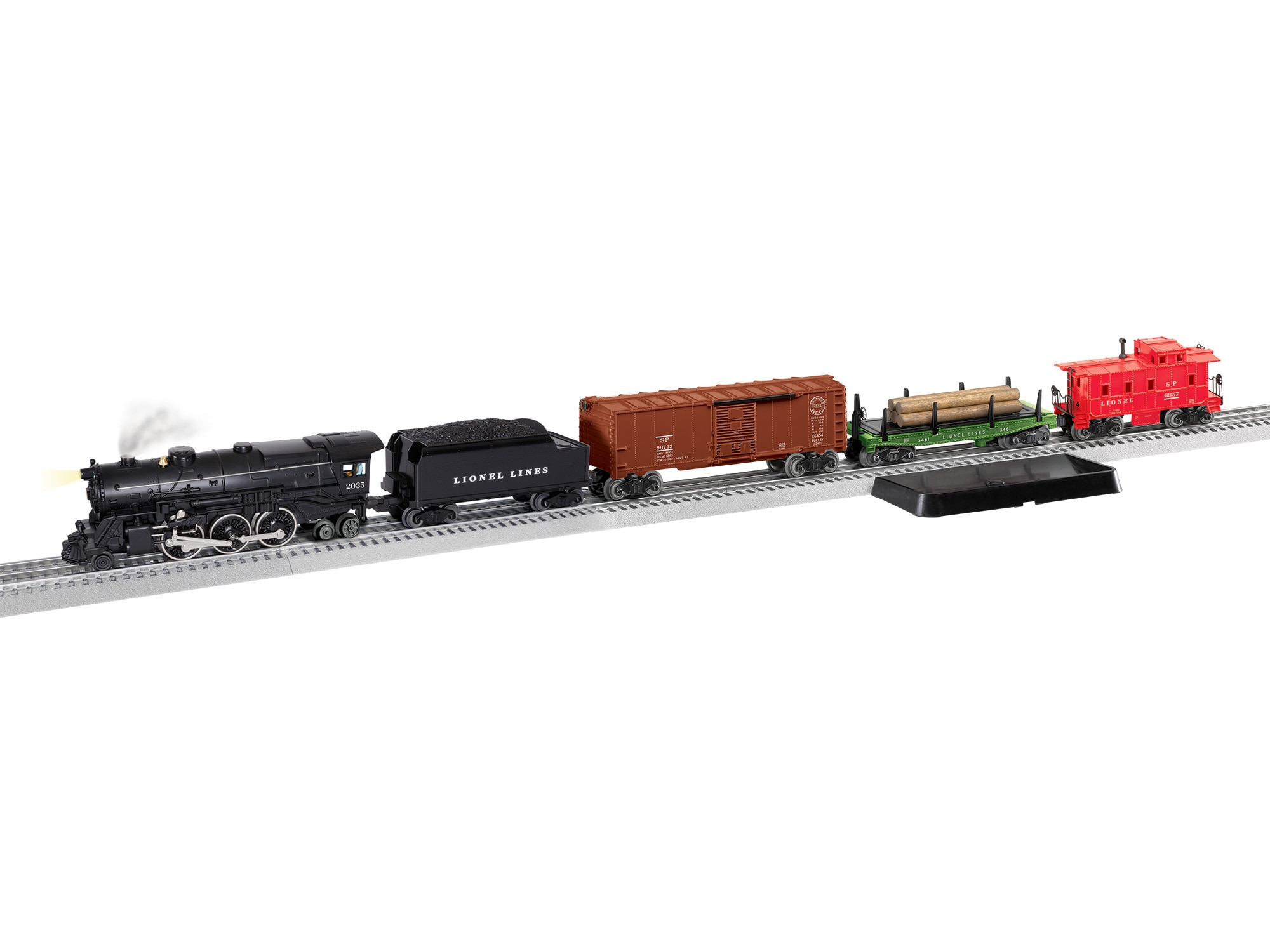
How do you repair a Lionel locomotive that stopped working? For anyone who owns Lionel trains long enough, mechanical and electrical problems eventually happen. Motor brushes wear out. Gears strip. Wiring corrodes. Smoke units fail. Sound cards go silent. The good news: most Lionel repair is well-documented, most parts are still available, and most problems are fixable at home with basic tools if you know what to look for.
This complete 2026 repair guide walks through the 12 most common Lionel locomotive problems, how to diagnose each one, and how to fix them. Whether you have a postwar 773 Hudson that stopped running, a LionChief LC+2 that lost sound, or a LEGACY steam locomotive with a smoke unit failure, this guide covers the diagnostic and repair workflow.
Before You Start: The Repair Workflow
Every Lionel repair follows the same basic sequence:
Step 1: Diagnose the problem accurately. Don't just start pulling things apart. Identify the specific symptom first — no movement, no sound, no smoke, intermittent operation, etc.
Step 2: Isolate the affected system. Is it electrical (motor, power pickup, sound board)? Mechanical (gears, bearings, drive rods)? Command control (Bluetooth, LEGACY signal)?
Step 3: Verify the simple stuff first. Clean track, clean wheels, verify transformer output. Many "broken" locomotives are just victims of dirty track.
Step 4: Locate the specific component that's failed. Use manufacturer service documentation, YouTube videos, or hobbyist forums for guidance on your specific model.
Step 5: Order replacement parts. Lionel maintains parts availability through their service network, and multiple third-party parts suppliers handle common Lionel components.
Step 6: Complete the repair with appropriate tools. Most Lionel repair requires basic screwdriver, soldering iron, wire strippers, and lubrication supplies.
The 12 Most Common Lionel Locomotive Problems
Problem 1: Locomotive Won't Move at All
Diagnostic sequence:
1. Verify transformer output is on (check other locomotives run on same track)
2. Clean track and locomotive wheels thoroughly
3. Check for physical obstruction (something blocking wheel rotation)
4. Verify motor gets power (touch the motor terminals — you should see slight spark on connection)
Common causes: Dirty track, dead transformer, broken wire from wheel pickup to motor, failed motor.
Fix: Track cleaning is easiest. Wheel cleaning next. If neither works, the locomotive needs disassembly to trace the electrical path from pickup to motor.
Problem 2: Locomotive Runs Slowly / Weakly
Diagnostic sequence:
1. Test transformer voltage (should read 16-18V AC at max setting)
2. Clean wheels and track
3. Check motor brushes for wear
Common causes: Motor brushes worn (most common), gear lubrication needed, motor bearings dry, transformer output degraded.
Fix: Motor brush replacement is the most common Lionel repair. Brushes cost $5-$15 per set. See our motor brush repair guide.
Problem 3: Locomotive Stalls at Certain Locations
Diagnostic sequence:
1. Identify specific stall locations (turnouts? insulated joints? specific track pieces?)
2. Clean those specific sections thoroughly
3. Verify power feed distribution
Common causes: Dirty spots on track, damaged track connections, insufficient power feed points on large layouts.
Fix: Clean problem areas. Add additional power feed connections every 8-12 feet on larger layouts.
Problem 4: No Sound (Command Locomotives)
Diagnostic sequence:
1. Verify command signal is being sent (test with another command locomotive)
2. Check volume settings via controller
3. Verify speaker connections
Common causes: Volume muted at controller, dirty track disrupting command signal, damaged speaker, failed sound board.
Fix: Track cleaning first. Speaker replacement if damaged ($15-$45). Sound board replacement is more expensive ($150-$400 depending on model). See our sound problems guide.
Problem 5: No Smoke
Diagnostic sequence:
1. Add fresh smoke fluid
2. Verify smoke feature enabled via controller
3. Check smoke unit heater element
Common causes: Empty smoke reservoir, dried out wicking, failed smoke unit heater element.
Fix: Fluid refill first. Wick replacement if dried ($5-$10). Smoke unit heater replacement if failed ($25-$50). See our smoke unit troubleshooting guide.
Problem 6: Weak or No Lighting
Common causes: Failed LED (rare), broken wire, damaged pickup contact, dirty wheel pickup.
Fix: Wheel cleaning first. LED replacement if failed ($5-$15). Wire tracing for broken connections.
Problem 7: Grinding or Grinding Noise
Diagnostic sequence:
1. Identify source of noise (front, back, motor area)
2. Check gear mesh
3. Verify wheel bearings
Common causes: Insufficient gear lubrication, stripped gear teeth, damaged bearings, rod/valve gear misalignment.
Fix: Lubrication first (Lionel light lubricant, applied sparingly). Gear replacement if stripped. Professional service for major mechanical damage.
Problem 8: Runs Fine But Sound Drops Out Intermittently
Common causes: Dirty track disrupting command signal, damaged wire, failing sound board component.
Fix: Deep track cleaning first. Add insulated rail joiner check for signal path integrity. Sound board component replacement is professional service.
Problem 9: Locomotive Runs Backwards Only
Diagnostic sequence:
1. Check direction switch settings
2. Verify motor direction wiring
Common causes: Direction switch stuck, damaged reverse wire, failed forward-motion contact.
Fix: Direction switch cleaning or replacement. Reverse wire tracing.
Problem 10: Bluetooth Won't Pair (LionChief)
Diagnostic sequence:
1. Verify locomotive powered up (should see power indicators)
2. Check smartphone Bluetooth is on
3. Try alternate remote (phone vs handheld controller)
Common causes: Bluetooth interference, damaged Bluetooth chip, incorrect pairing procedure.
Fix: Factory reset locomotive per manual. Re-pair from scratch. Update LionChief app.
Problem 11: LEGACY Won't Respond
Diagnostic sequence:
1. Verify LEGACY base station is powered and signaling
2. Check locomotive ID matches controller
3. Try assigning a different ID
Common causes: Base station signal problem, ID conflict with another locomotive, failed command receiver in locomotive.
Fix: Base station troubleshooting. ID reassignment. Command receiver service is professional-level work.
Problem 12: Physical Damage (Broken Detail Parts)
Common causes: Dropping, layout accidents, storage damage, transportation issues.
Fix: Replacement parts from Lionel service or authorized dealers. Small parts (handrails, grab irons, marker lights) usually available for $5-$25 per piece.
Essential Tools for Lionel Repair
Basic Lionel repair kit:
- Small Phillips and flat-head screwdrivers — for body removal and gear access
- Fine tweezers — for handling small parts and detail work
- Digital multimeter — for electrical diagnostic ($15-$40)
- Soldering iron — for wire repairs ($20-$50)
- Wire strippers — for wiring work
- Lionel light lubricant — for gear and bearing lubrication
- Lionel smoke fluid — for smoke unit refills
- Isopropyl alcohol (91%+) — for track and wheel cleaning
- Cotton swabs — for detailed cleaning
- Small brush — for dust removal
Advanced repair adds:
- Wheel puller — for wheel removal without damage
- Motor brush kit — replacement brushes for common Lionel motors
- Solder and flux — for electrical connections
- Small gear-pull — for gear replacement work
Where to Get Parts
Lionel Customer Service: Lionel maintains parts availability for postwar through current production. Contact through official Lionel channels or authorized dealers.
Nicholas Smith Trains: Established postwar Lionel parts specialists.
Charles Ro Supply Company: Extensive Lionel parts inventory for postwar through modern production.
Third-party parts suppliers: Multiple established third-party specialists handle common Lionel components (motors, gears, brushes, smoke units, sound cards).
eBay: Substantial Lionel parts availability, including donor locomotives for parts. Verify condition and specific applicability before buying.
When to Send to Professional Service
Send to Lionel authorized service when:
Sound board or electronic control failures that require board-level component work
Motor rebuild beyond brush replacement
Physical damage to die-cast body requiring specialized repair
Warranty-covered issues where DIY work would void warranty
Complex mechanical failure (broken drive rods, damaged valve gear) beyond home shop capability
Vintage postwar restoration where value preservation matters
Professional Lionel repair typically costs $75-$300 per locomotive depending on the specific issue and locomotive tier.
Preventive Maintenance
Prevent problems before they happen:
Regular track cleaning prevents most operational issues (see our cleaning guide)
Periodic lubrication keeps mechanical components running smoothly
Careful handling prevents most physical damage
Proper storage in original boxes prevents dust accumulation and moisture damage
Occasional operation keeps mechanical components exercised — locomotives that sit unused for years develop problems
Frequently Asked Questions
How long do Lionel locomotives last?
With basic maintenance, postwar Lionel locomotives are still running 60+ years after production. Modern Lionel with proper care easily reaches 30-50+ years of reliable operation.
What's the most common Lionel repair?
Motor brush replacement is the most common. All Lionel locomotives use motor brushes that wear over time. Replacement is straightforward and inexpensive ($5-$15 per set).
Is repair worth it or should I buy a new locomotive?
For collector-grade postwar or Vision Line pieces, repair almost always makes sense — value preservation matters. For accessible-tier LionChief locomotives with serious electrical failure, replacement may cost less than repair.
Can I repair Lionel locomotives myself if I've never worked on trains?
Basic repair (track cleaning, wheel cleaning, fluid refills, simple lubrication) requires no special skill. Motor brush replacement is a good first repair project. More complex work benefits from experience.
What documentation should I keep with my Lionel collection?
Original boxes, service manuals, parts diagrams, receipt of purchase, and any repair records. Documentation adds collector value and helps future repair reference.
Verdict
Most Lionel locomotive problems are diagnosable and fixable with basic troubleshooting. Track cleaning solves the largest single category of "broken" locomotives. Motor brush replacement is the most common actual repair. Beyond that, most issues fall into predictable categories — sound problems, smoke unit issues, control system troubleshooting, mechanical wear — that have documented repair procedures. Regular maintenance prevents most problems from developing in the first place. For related repair guidance, see our Lionel won't run guide, our motor brush repair guide, our smoke unit guide, and our sound problems guide.
Newsletter
Weekly O-gauge tips & reviews
New reviews, layout ideas, and hobby news — straight to your inbox.