How to Fix Lionel Smoke Units That Won't Smoke: Complete 2026 Troubleshooting Guide
August 20, 2026
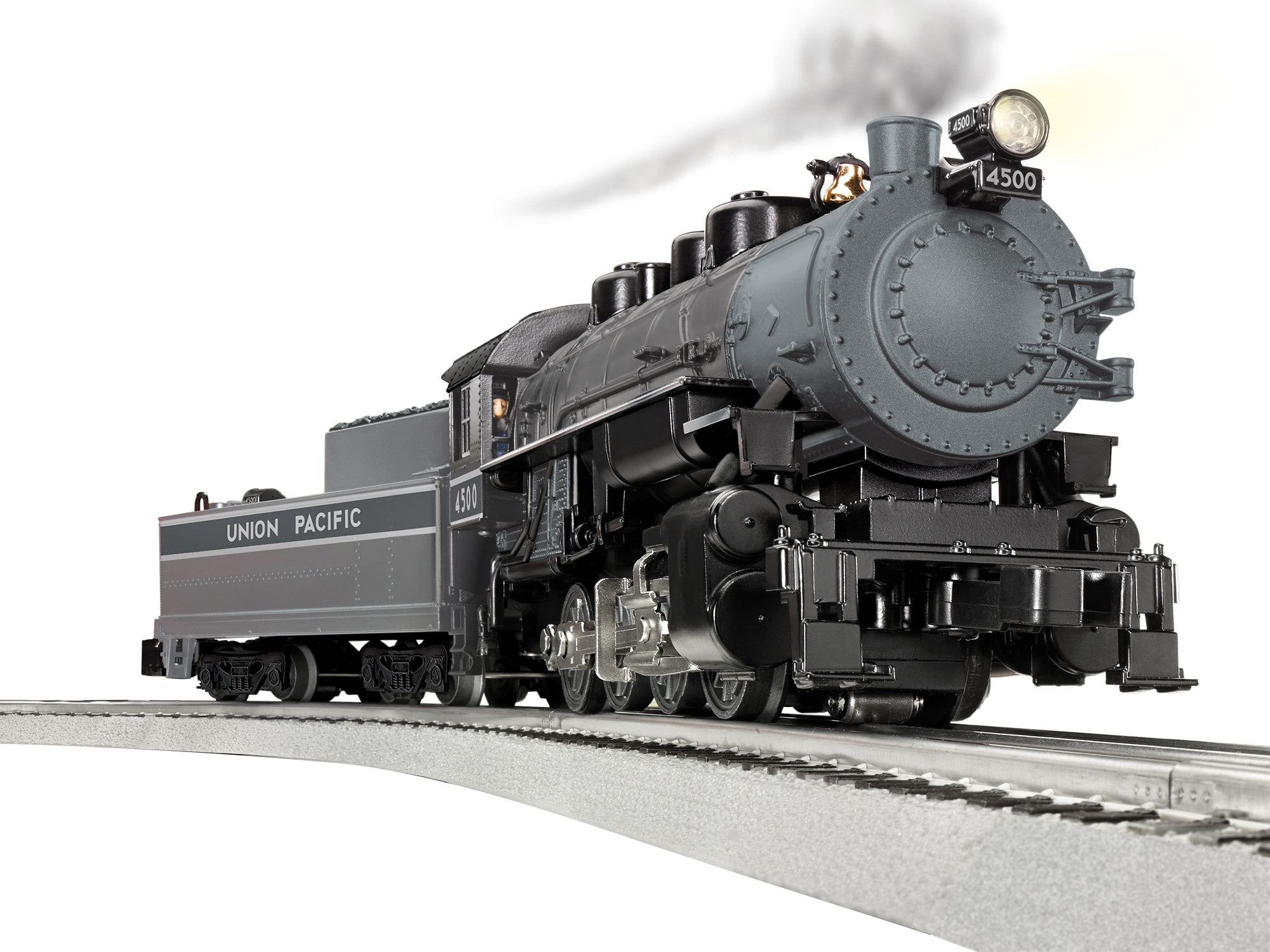
Lionel smoke units are one of the most beloved features of O-gauge locomotives — the puff of smoke from a steam engine's stack, the exhaust plume from a diesel roof, all part of the sensory experience that makes Lionel trains feel real. When they stop working, though, they're one of the most frustrating problems to diagnose. A locomotive that runs perfectly but won't smoke feels broken even though everything else is fine.
This complete 2026 troubleshooting guide walks through every reason a Lionel smoke unit might stop working, how to diagnose the actual problem, and how to fix each one. Most smoke unit issues can be resolved in 15-30 minutes with basic tools. A few require replacement components — also straightforward with the right parts.
How Lionel Smoke Units Actually Work
Understanding the mechanism helps diagnose problems. Every Lionel smoke unit has these components:
Heating element: A small resistance heater that vaporizes the smoke fluid. Typical operating temperature 350-400°F.
Wicking: Cotton or synthetic wick that draws smoke fluid from the reservoir to the heating element.
Fluid reservoir: Small tank holding smoke fluid (typically 2-4 drops capacity in the reservoir at any time).
Fluid fill hole: Small hole in the top of the locomotive (usually on the stack or roof) for adding smoke fluid.
Puff-smoke mechanism (steam locomotives): Bellows or fan-driven puff mechanism synchronized to driver rotation for realistic chuff-per-revolution smoke pulses.
Power circuit: Electrical connection from the locomotive's power supply to the heating element. In LEGACY and LionChief Plus 2.0, this circuit is regulated by the command system.
When any of these components fails, the smoke unit stops smoking. Diagnosis is a process of identifying which specific component is the problem.
The 8 Most Common Smoke Unit Problems
Problem 1: Empty Fluid Reservoir
The single most common cause of a non-smoking Lionel locomotive. The reservoir holds only 2-4 drops of fluid at a time and empties during normal operation. Many hobbyists forget to refill.
Diagnosis: Add 6-8 drops of Lionel smoke fluid through the fill hole. Run the locomotive for 30 seconds. If smoke returns, this was your problem.
Fix: Refill regularly. Most locomotives need refilling every 20-40 minutes of continuous smoking operation. Keep a bottle of Lionel smoke fluid ($8-$12) near your operating station.
Prevention: Refill at the start of each operating session. Don't leave old fluid in a locomotive for months between sessions — it can gum up the wicking.
Problem 2: Wrong Smoke Fluid
Not all smoke fluids are the same. Using the wrong fluid can damage the smoke unit or produce weak/no smoke.
Diagnosis: Check what fluid you're using. Lionel smoke fluid is the standard for Lionel smoke units. Third-party fluids (JT's Mega-Steam, Aristo-Craft, others) work with most Lionel units but performance varies. Never use motor oil, sewing machine oil, or any non-smoke-specific fluid.
Fix: If you've been using wrong fluid, disassemble the smoke unit (or send to a Lionel service center for premium models), clean the wicking with isopropyl alcohol, install fresh wick, refill with Lionel smoke fluid.
Prevention: Use Lionel smoke fluid or well-established third-party alternatives (JT's Mega-Steam is highly recommended by many collectors).
Problem 3: Saturated or Damaged Wicking
Old wicking becomes saturated with fluid residue over time. Damaged wicking (contamination, tears, hardening) can't properly transport fluid to the heating element.
Diagnosis: Remove smoke unit cover. Examine wicking. If it looks dark, gummy, discolored, or torn, it needs replacement.
Fix: Replace wicking with genuine Lionel replacement wick (available from Lionel service dealers or online parts sellers, $5-$10 per pack). Remove old wick with tweezers, install new wick, refill with fresh smoke fluid.
Prevention: Replace wicking every 200-400 operating hours or whenever smoke performance noticeably declines.
Problem 4: Failed Heating Element
The heating element is a resistance wire that eventually burns out. When it fails, no fluid vaporization occurs — no smoke.
Diagnosis: With locomotive on the track, apply power. Carefully feel near (not touching) the smoke unit after 60 seconds of operation. If the smoke unit isn't getting warm, the heating element is likely failed.
Fix: For LionChief-tier locomotives, heating element replacement can be a DIY repair if you're comfortable with basic soldering ($15-$25 for replacement element). For LEGACY-tier locomotives, professional service is recommended — the complex electronics benefit from expert handling.
Prevention: Avoid running the smoke unit dry — running it without fluid can damage the heating element. Refill before you run out.
Problem 5: Puff-Smoke Mechanism Failure (Steam)
Steam locomotives use a bellows or fan mechanism to produce prototype-accurate chuff-per-revolution smoke pulses. When this mechanism fails, smoke may still produce but without the characteristic pulses.
Diagnosis: Watch the smoke output. If smoke comes out but not in prototype puffs, the puff mechanism has failed. The mechanism is a small fan or bellows driven off the drive gears.
Fix: Puff mechanism repair requires disassembly and often replacement of small mechanical parts. Professional Lionel service is typically the right choice for premium locomotives ($75-$150 per repair). For LionChief-tier locomotives, the cost may exceed the value of the locomotive.
Prevention: Keep the smoke unit properly lubricated per the locomotive manual.
Problem 6: Command Signal Not Enabling Smoke
LEGACY and LionChief Plus 2.0 locomotives control smoke via command signal. If the smoke command isn't being sent (or not being received), the smoke unit won't activate even though everything else works.
Diagnosis: Check that the smoke feature is enabled in your controller/app. On the LEGACY CAB-2, verify smoke is turned on (aux 5 or similar). On the LionChief app, verify smoke is enabled in the app interface.
Fix: Enable smoke from the controller. On some LEGACY locomotives, smoke has an intensity setting — verify it's set above minimum.
Prevention: When troubleshooting smoke problems on command-controlled locomotives, always check the command settings first before disassembling the locomotive.
Problem 7: Insufficient Power to Smoke Unit
Smoke units draw meaningful current. If your transformer isn't providing enough power (undersized transformer, low voltage setting, or damaged wiring), smoke output will be weak or absent.
Diagnosis: Check your transformer voltage. Standard operating voltage is 12-18 volts AC at the track. Below 10V, smoke output drops significantly. Below 8V, smoke may stop entirely.
Fix: Increase transformer voltage to normal operating range. If your transformer can't provide enough power for a large locomotive with active smoke unit, upgrade to a larger transformer (180-watt Lionel Powermaster or 210-watt Z4000 recommended for larger locomotives).
Prevention: Size your transformer for the locomotives you're running. See our Lionel troubleshooting guide for related power diagnostics.
Problem 8: Blocked Smoke Stack
Dust, debris, or dried smoke fluid residue can block the smoke stack, preventing smoke from exiting even though the smoke unit is producing it.
Diagnosis: Look down the smoke stack with a bright light. Any visible obstruction, dark residue, or blockage indicates a stack problem.
Fix: Clean the smoke stack with a cotton swab dipped in isopropyl alcohol. For stubborn blockages, use a small pipe cleaner or wire brush appropriately sized for the stack diameter. Be gentle — the stack detail is often fragile.
Prevention: Store locomotives in dust-free environments. Cover the smoke stack when the locomotive is stored long-term. Clean stack periodically as part of regular maintenance.
Step-by-Step Diagnostic Workflow
Work through these steps in order when troubleshooting a non-smoking locomotive:
Step 1: Add fresh smoke fluid (6-8 drops). Run for 60 seconds. If smoke returns, problem solved.
Step 2: Verify smoke is enabled on your controller/app.
Step 3: Check transformer voltage — ensure 12-18V AC at track.
Step 4: Inspect smoke stack for blockages. Clean if needed.
Step 5: If still no smoke, feel near smoke unit after 60 seconds of operation. If warm/hot, heating element works — problem is in wicking or fluid delivery.
Step 6: If cold, heating element has likely failed — requires component replacement.
Step 7: If mechanism is warm but no smoke output, disassemble smoke unit and inspect wicking. Replace if saturated or damaged.
Tools You Need
Basic smoke unit troubleshooting requires:
- Lionel smoke fluid ($8-$12)
- Replacement wicking ($5-$10 per pack)
- Small Phillips screwdriver
- Cotton swabs
- Isopropyl alcohol (91%+)
- Tweezers
- Small pipe cleaner (for stack cleaning)
- Bright light (LED penlight for inspection)
Advanced repair (heating element replacement) additionally requires basic soldering iron and skill.
When to Seek Professional Service
Send the locomotive to Lionel service (or an authorized Lionel service dealer) when:
Heating element replacement on LEGACY-tier locomotive. The complex electronics benefit from expert handling.
Puff-smoke mechanism failure. Mechanical repair requires expertise most hobbyists don't have.
Locomotive is under warranty. DIY repair typically voids warranty.
You've attempted the workflow above and problem persists. Some issues require deeper diagnosis than home tools support.
Professional smoke unit repair typically costs $75-$200 depending on the specific issue and locomotive tier.
Frequently Asked Questions
How long do Lionel smoke units last?
Modern LEGACY smoke units typically last 500-1000+ operating hours before requiring service. LionChief smoke units typically last 300-600 hours. Failure modes vary — heating element burnout is most common at end of life. See our smoke unit lifespan guide.
Can I replace a Lionel smoke unit myself?
For LionChief-tier locomotives, yes, with basic soldering skills. Replacement smoke units are available from Lionel dealers ($25-$50 for base units). For LEGACY-tier, DIY replacement is possible but professional service is recommended given the complexity.
Why does my smoke unit smoke sometimes but not always?
Intermittent smoke output usually indicates a wicking problem (partial saturation) or a marginal power supply. Refill fluid, replace wicking if old, verify transformer voltage. If problem persists, the smoke unit may have a failing electrical connection requiring service.
Is smoke fluid safe for the locomotive?
Yes, when used as directed. Lionel smoke fluid is specifically formulated for Lionel smoke units. Overfilling (more than 8-10 drops at once) can cause fluid to leak into the locomotive interior — refill in moderation.
Do modern LEGACY smoke units smoke better than postwar?
Yes, significantly. Modern LEGACY smoke units feature regulated output, puff-smoke synchronization, and stronger smoke plumes than postwar units. Postwar smoke units are period-appropriate but produce less impressive smoke output.
Verdict
Most Lionel smoke unit problems are fixable in 15-30 minutes with the workflow above. Empty reservoir is the most common cause — always refill first. Damaged wicking is the second most common — replace when performance declines. Failed heating elements and puff-smoke mechanisms are the less common but more expensive failures, often warranting professional service on premium locomotives. Regular maintenance (refill before each session, replace wicking periodically, keep smoke fluid fresh) prevents most problems. For related Lionel troubleshooting, see our Lionel won't run troubleshooting guide, our motor brush repair guide, and our coupler troubleshooting guide.
Newsletter
Weekly O-gauge tips & reviews
New reviews, layout ideas, and hobby news — straight to your inbox.