How to Fix a Lionel Train That Keeps Derailing: Complete 2026 Troubleshooting Guide
November 5, 2026
A Lionel train that keeps derailing is almost never bad luck. Derailments have a short list of causes, and the place, the car and the speed where it happens point straight at the culprit. This guide walks through the five causes that account for nearly every O-gauge derailment (switches, curves, track joints, wheels and trucks, and couplers and train handling), how to tell which one you have, and the fix for each.
First, Find the Pattern
Before you touch a screwdriver, run the train a few laps and watch. Where and what derails tells you where to look:
- Same spot every lap, any equipment: the track is the problem. Check that switch, curve or joint first.
- Same car every time, anywhere on the layout: the car is the problem. Look at its wheels, trucks and couplers.
- Only the locomotive: check its pilot and trailing trucks, traction tires and the minimum curve it is rated for.
- Only at speed: you are likely running too fast for the curve or switch, or the train is too long and heavy at the rear.
- Only in one direction through a switch: the switch points are not closing fully or the switch is not being thrown for the route the train is taking.
Mark each derailment spot with a small piece of painter's tape. After ten laps, the pattern is usually obvious.
Cause 1: Switches
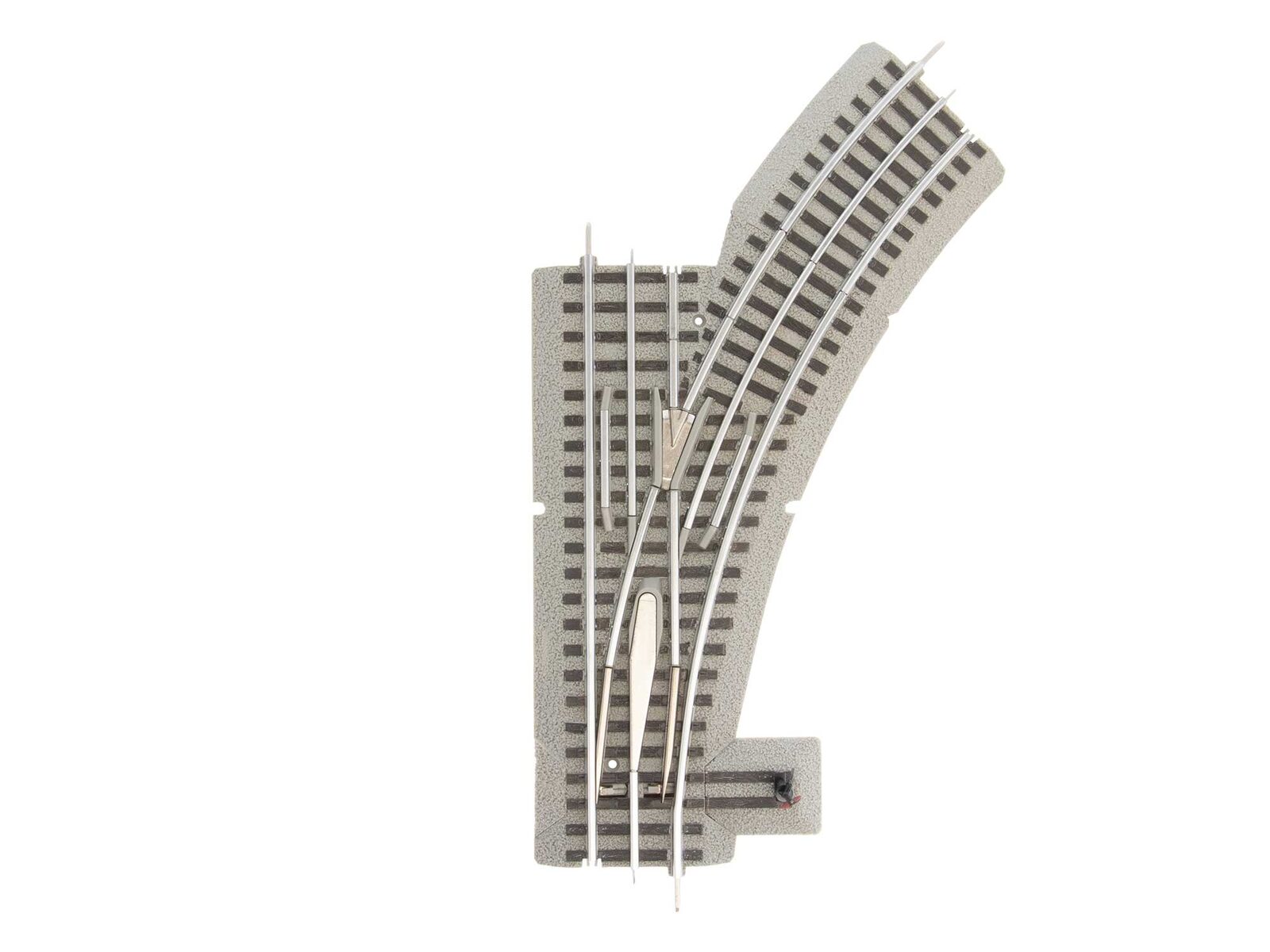
Switches (turnouts) cause more derailments than anything else on a home layout, because they are the only place where the rails move and where wheels cross a gap in the rail.
Points not closing fully. The thin moving rails (the points) must sit tight against the outside rail. A small gap lets a wheel flange slip between them and pick the wrong route. Throw the switch by hand both ways and look closely. Debris, ballast, a stray screw or a warped base can stop the points short. On remote switches, a weak or misadjusted switch motor can also leave them partway.
Entering against the switch. If a train runs into a switch from the diverging or straight leg while it is set the other way, the wheels force their way through and often derail. Remote and command switches with a non-derailing feature throw themselves for an approaching train, but only when the switch has power and its control rails are working. If a switch is unpowered or its wiring is changed, that protection is gone.
Bumping at the frog. The frog is where the two routes cross. A wheel that drops or climbs here usually means the switch is not level with the track on both sides, or a wheel set is out of gauge (see Cause 4). Shim the switch so the rail tops line up with the track leading into it.
Test: push a single car slowly by hand through both routes, in both directions. If it bumps or lifts, you have found the spot. For a closer look at switch hardware, see our best O-gauge switches and turnouts guide.
Cause 2: Curves Tighter Than the Equipment
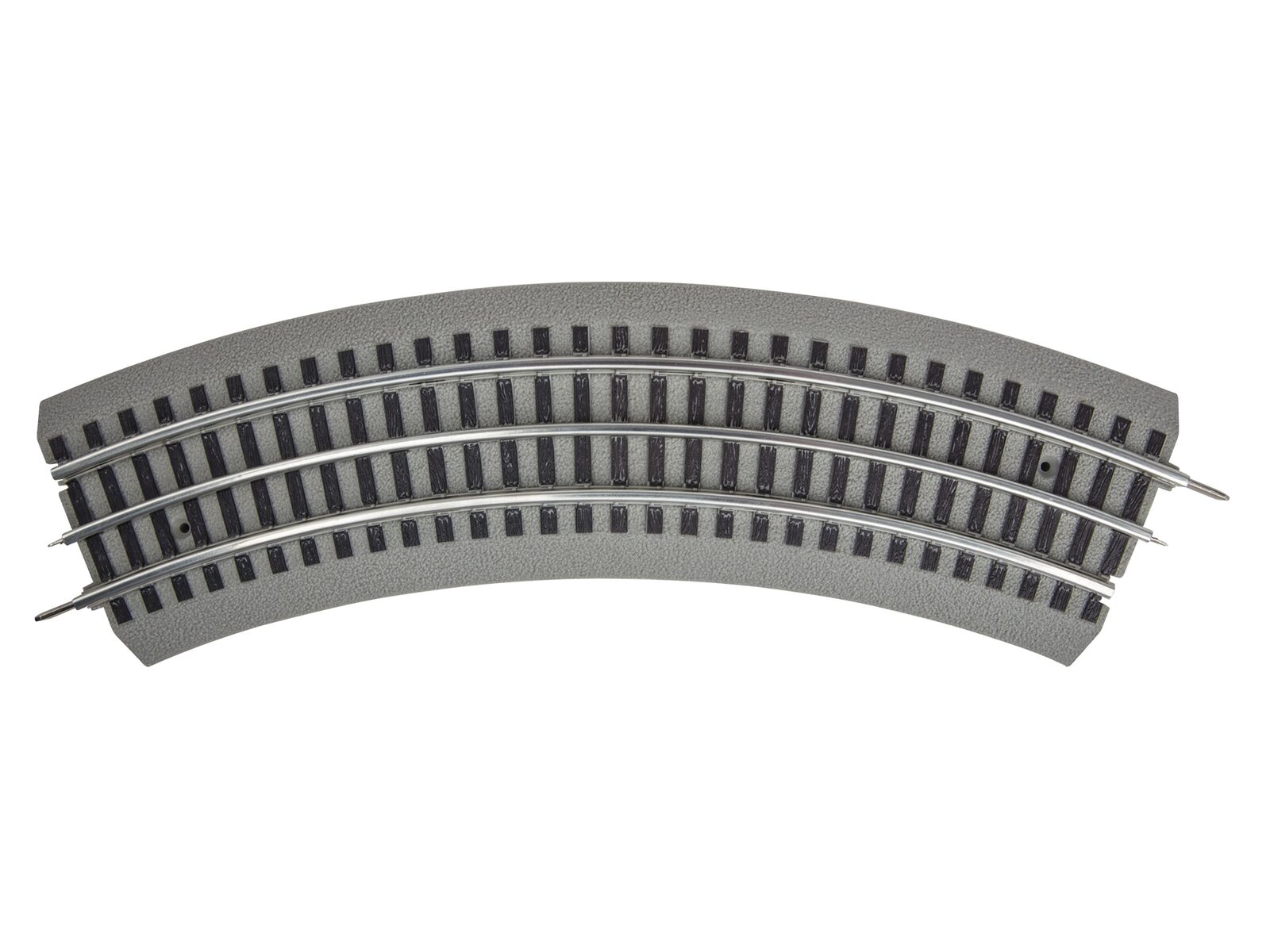
Every Lionel locomotive and many cars carry a minimum curve rating (O31, O36, O54, O72 and so on) on the box and the product page. Run a locomotive rated for O54 on O31 curves and the drivers bind, the pilot truck climbs the rail, and the overhanging cab or tender can lift the train off the track.
Check the rating. Large steam such as Berkshires, Hudsons and articulateds, scale-length diesels and long aluminum passenger cars usually need wider curves than a starter set. If your layout uses O31 or O36 track, check every piece of equipment you run against its rating. Our O-27 vs O-31 track guide explains how curve sizes are measured.
Watch for S-curves. A curve that flips straight into an opposite curve (an S-curve, often created by back-to-back switches) shoves couplers sideways and is a classic derailment spot for long cars. Put a straight section between reverse curves, ideally at least as long as your longest car.
Ease the entry. A train that goes from straight track into a tight curve with no transition takes the change all at once. Where space allows, a wider curve section at each end of a tight curve smooths the transition.
Cause 3: Track Joints and Uneven Track
If the derailment spot is not a switch or a tight curve, it is almost always a joint or a dip in the track.
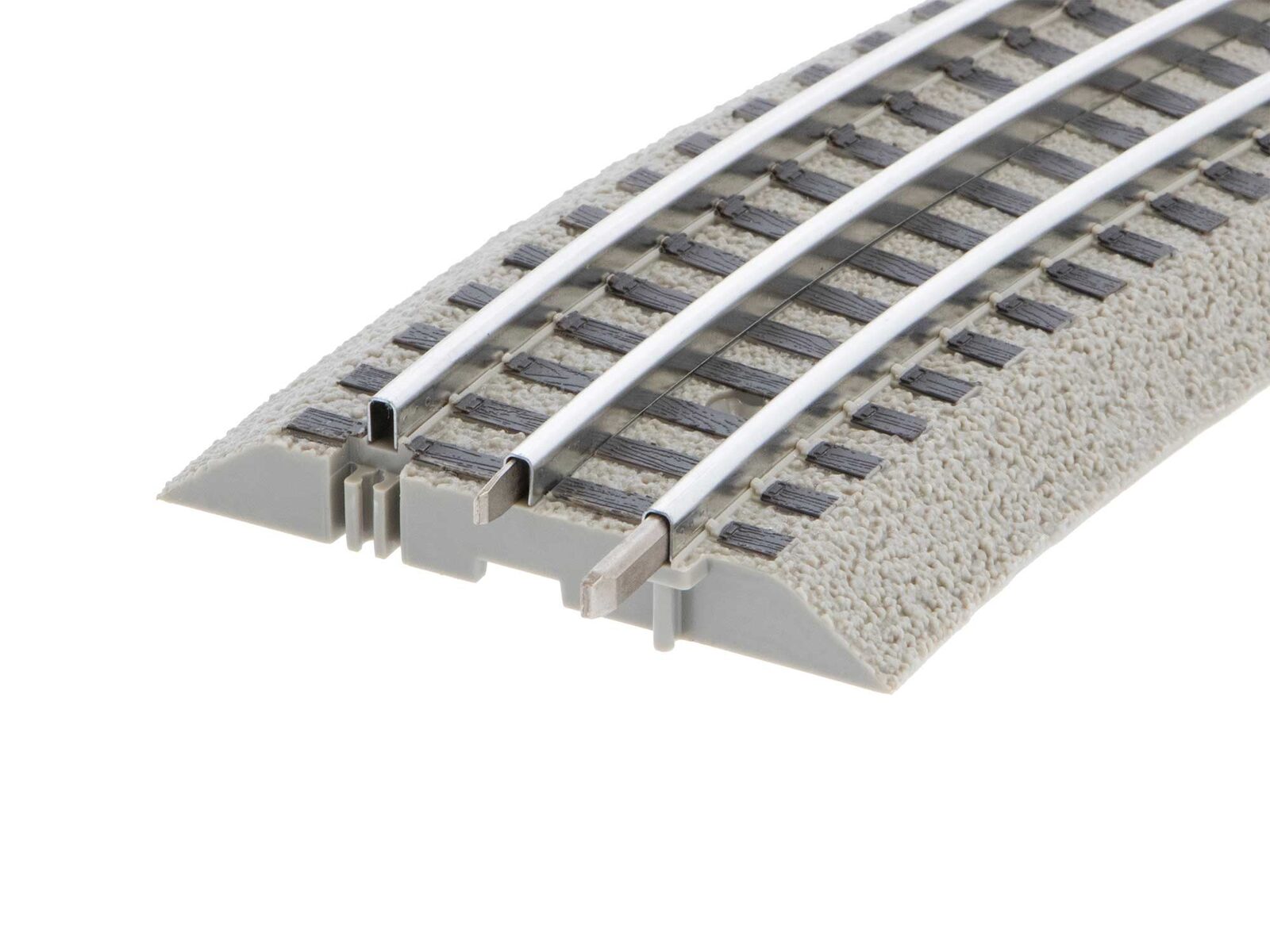
FasTrack joints. Each section must click fully into the next. A joint that looks closed but sits slightly high or low gives the wheel flange something to climb. Run a fingertip across each joint on the railheads: you should feel nothing. Pull apart and reseat any joint you can feel.
Tubular track. On O and O-27 tubular track, loose track pins, spread rails and flattened rail ends cause the same problem. Replace loose pins and squeeze spread rail ends gently back into shape.
Level and flat. Lay a straightedge or a level along the track at the derailment spot. A dip, a hump or a twist where one rail is higher than the other will lift wheels, especially on a sagging tabletop or where track crosses a seam in the benchwork. Shim low spots from below. Grades need smooth transitions at the top and bottom; an abrupt change in slope is a common derailment spot, as covered in our guide to building grades.
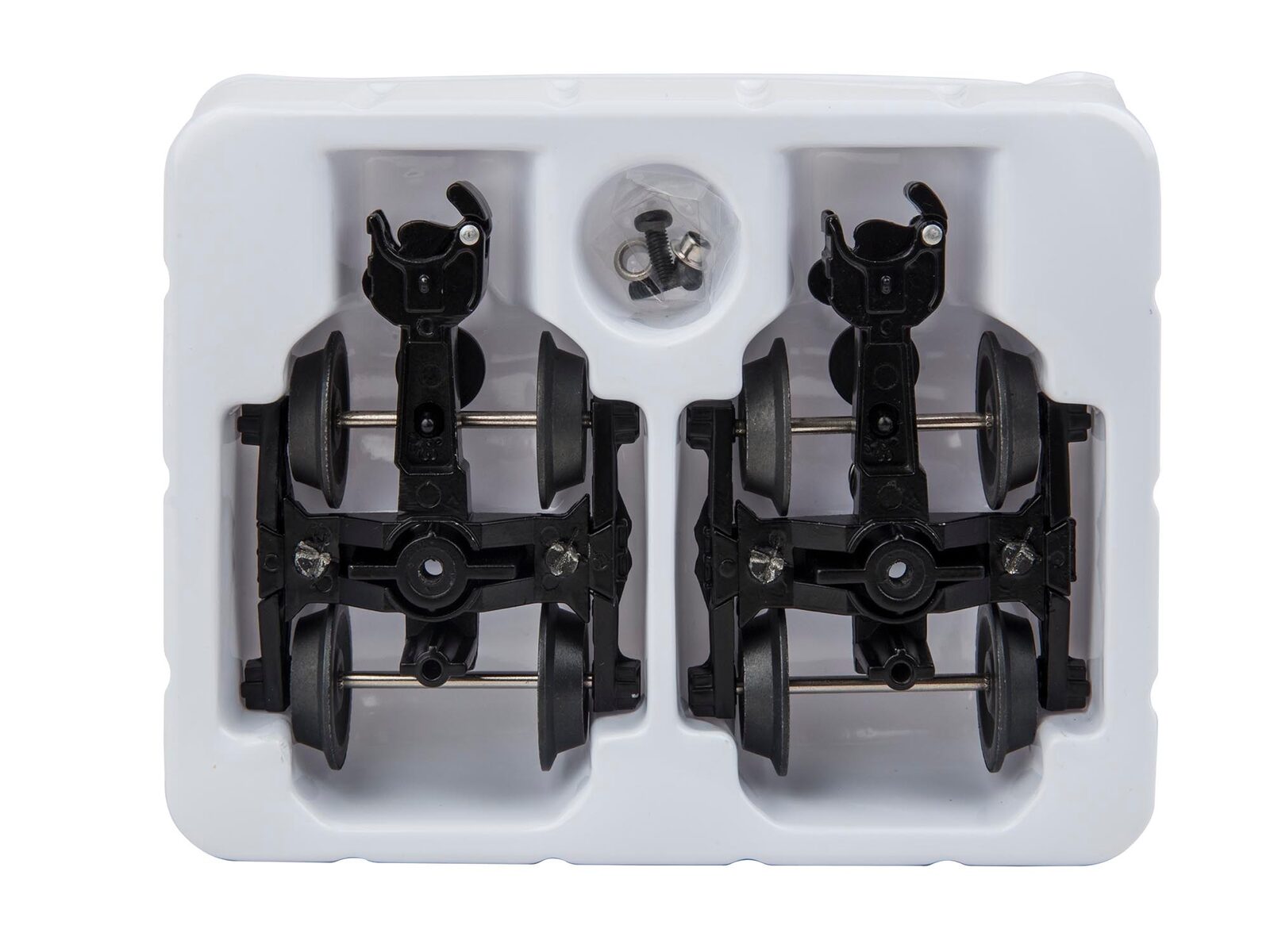
Cause 4: Wheels and Trucks
When one car derails wherever it goes, turn it over and check its running gear.
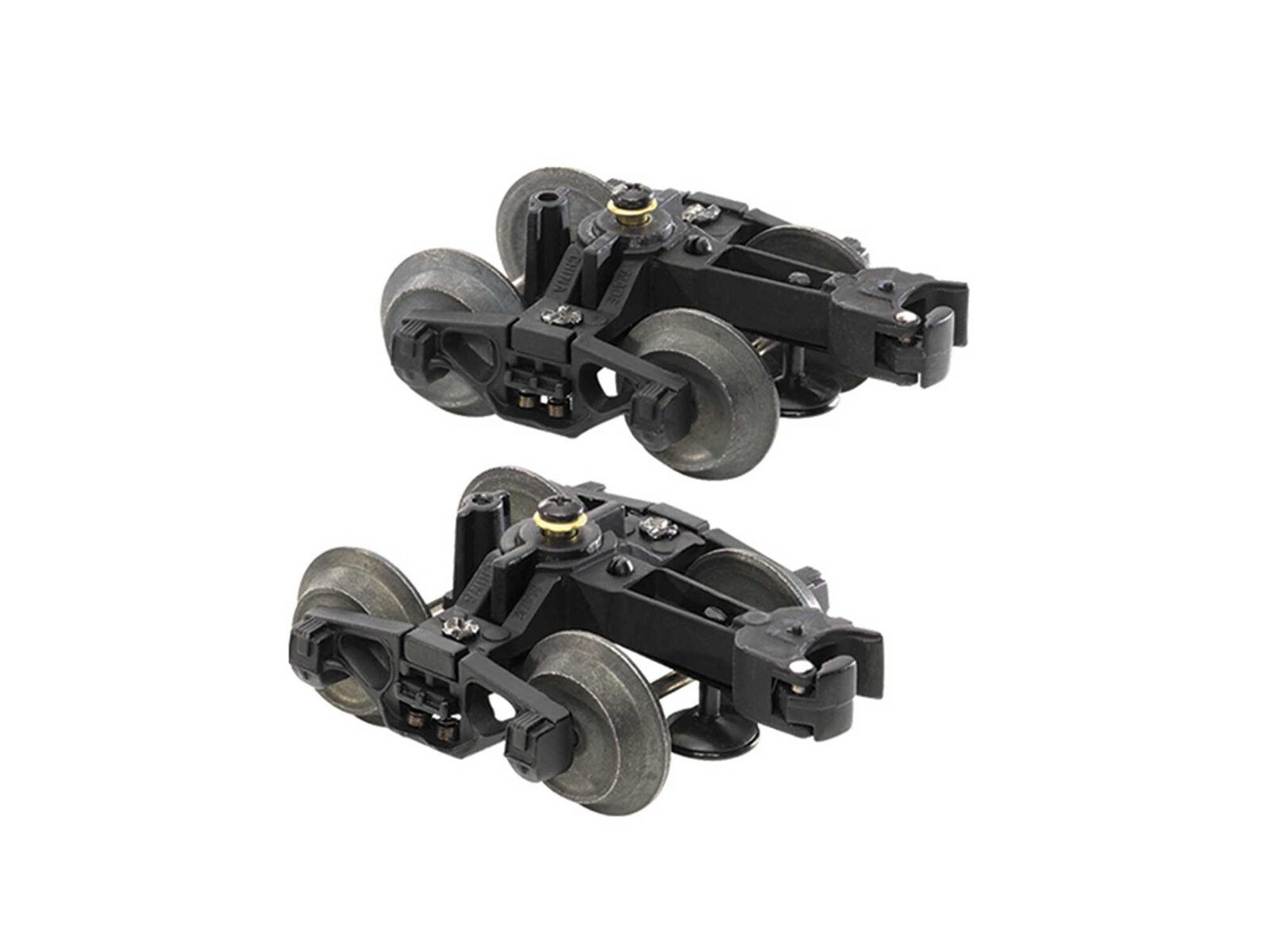
Trucks that do not swivel. Each truck must pivot freely and rock slightly side to side. An overtightened truck screw stops it turning, and the car climbs off on the first curve. Back the screw off until the truck swivels freely without falling loose.
Loose or wobbly wheels. Spin each wheel. A wheel that wobbles, slides on its axle or sits closer to one side than its partner will pick switch points and frogs. Older plastic-wheeled cars are the usual offenders. Replacement trucks with metal wheels are a common fix.
Dirt on the wheel treads. Gunk builds up as a hard ring on wheel treads and raises the wheel slightly. Clean treads with a cotton swab and track-safe cleaner, as described in our Lionel cleaning guide.
Light cars. A very light car in a train of heavy die-cast cars gets pulled off curves. Add weight inside the car until it is closer to the cars around it.
Locomotive trucks and tires. On steam locomotives, check that the pilot and trailing trucks swing freely and that any spring holding them down is in place. A stretched traction tire that rides up on the wheel can lift a driver off the rail; replace it. If the locomotive also stalls or sparks, see our pickup roller repair guide.
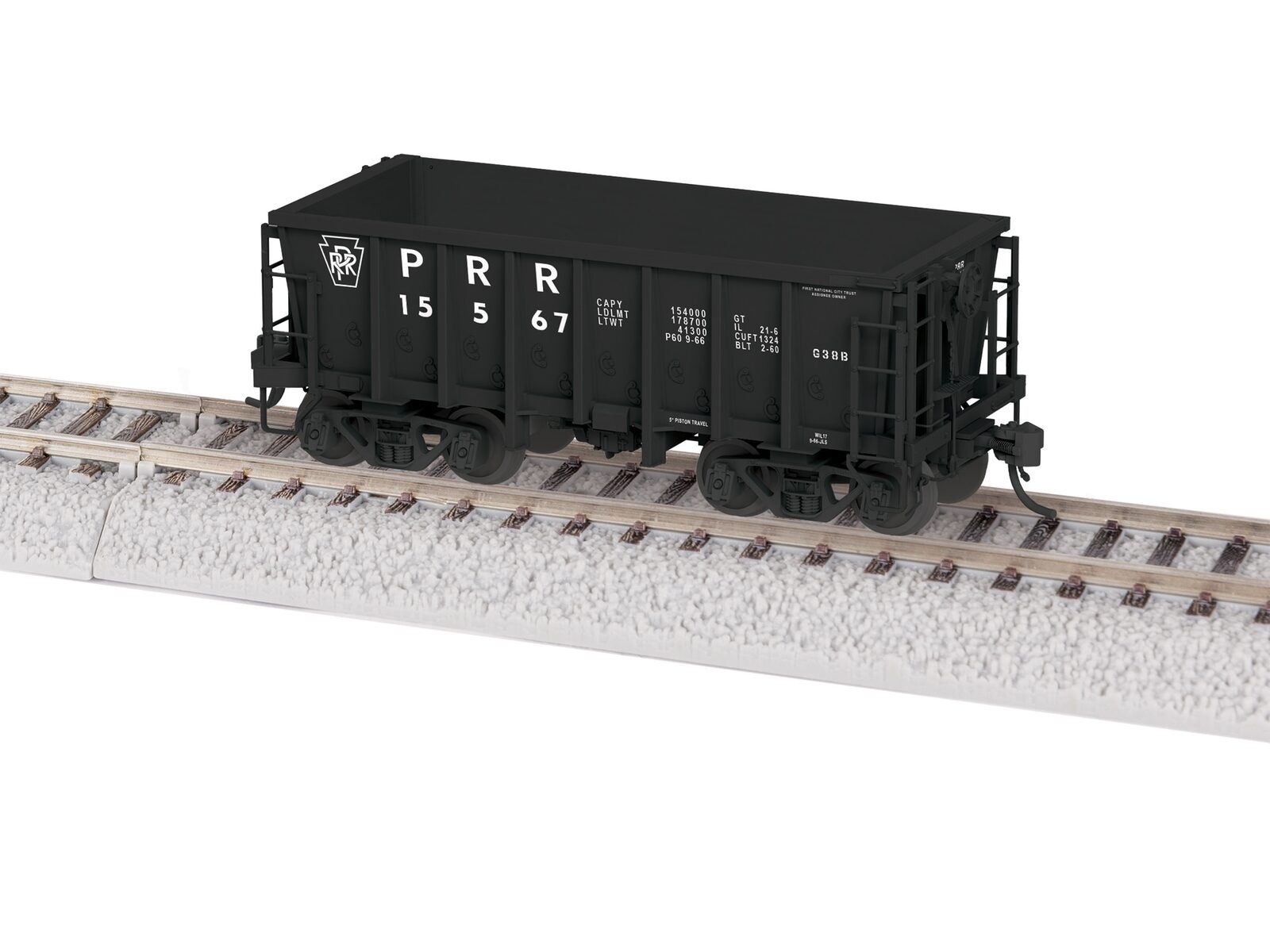
Cause 5: Couplers, Train Length and Speed
Couplers that bind. Couplers must swing freely side to side. A stiff or bent coupler pushes the car sideways on curves and through switches. Mismatched coupler heights between two cars can also lift one car off the rails. If cars also uncouple on their own, our coupler repair guide covers both problems.
Heavy cars at the back. On a long train, the locomotive pulls the cars toward the inside of each curve. Light cars in the middle of a heavy train are the first to be pulled off. Put heavier cars toward the front and lighter ones toward the rear.
Too fast. Most toy-train derailments on curves and switches stop when the train slows down. If a derailment only happens at full throttle, ease off before tight curves and switches, or widen the curve.
Quick Derailment Checklist
- Mark every derailment spot for ten laps and look for the pattern.
- Push one car by hand through every switch, both routes, both directions.
- Check that switch points close fully and the switch sits level with the track.
- Confirm each locomotive and long car is rated for your tightest curve.
- Add a straight between reverse curves.
- Feel every joint at the derailment spot and reseat any you can feel.
- Check the track with a level for dips, humps and twists.
- Turn the derailing car over: trucks swivel, wheels true, treads clean, couplers free.
- Move heavy cars forward and slow down through curves and switches.
Frequently Asked Questions
Why does my Lionel train derail at the same spot every time?
A repeat spot means the track is the cause: a switch whose points do not close fully, a joint that is not seated, a dip or twist in the track, or a curve tighter than the equipment is rated for.
Why does only one car keep derailing?
Check that car: trucks that do not swivel freely, a loose or wobbly wheel, dirt built up on the wheel treads, a stiff coupler, or a car much lighter than the cars around it.
Why does my train derail on switches?
Usually the switch points are not closing tight against the outside rail, the train is entering against a switch set the other way, or the switch is not level with the track leading into it.
Can O31 curves cause derailments?
Yes, if the locomotive or car needs a wider curve. Check the minimum curve rating on the box or product page; large steam, scale diesels and long passenger cars often need O54 or wider.
Does running too fast cause derailments?
Yes. Speed magnifies every other problem. If a train only derails at high speed, slow down before curves and switches or widen the curves.
If your train will not move at all rather than leaving the track, start with our train won't run troubleshooting guide.
Newsletter
Weekly O-gauge tips & reviews
New reviews, layout ideas, and hobby news — straight to your inbox.