Types of Lionel Steam Locomotives: Complete Visual Guide to Every Wheel Arrangement
July 8, 2026
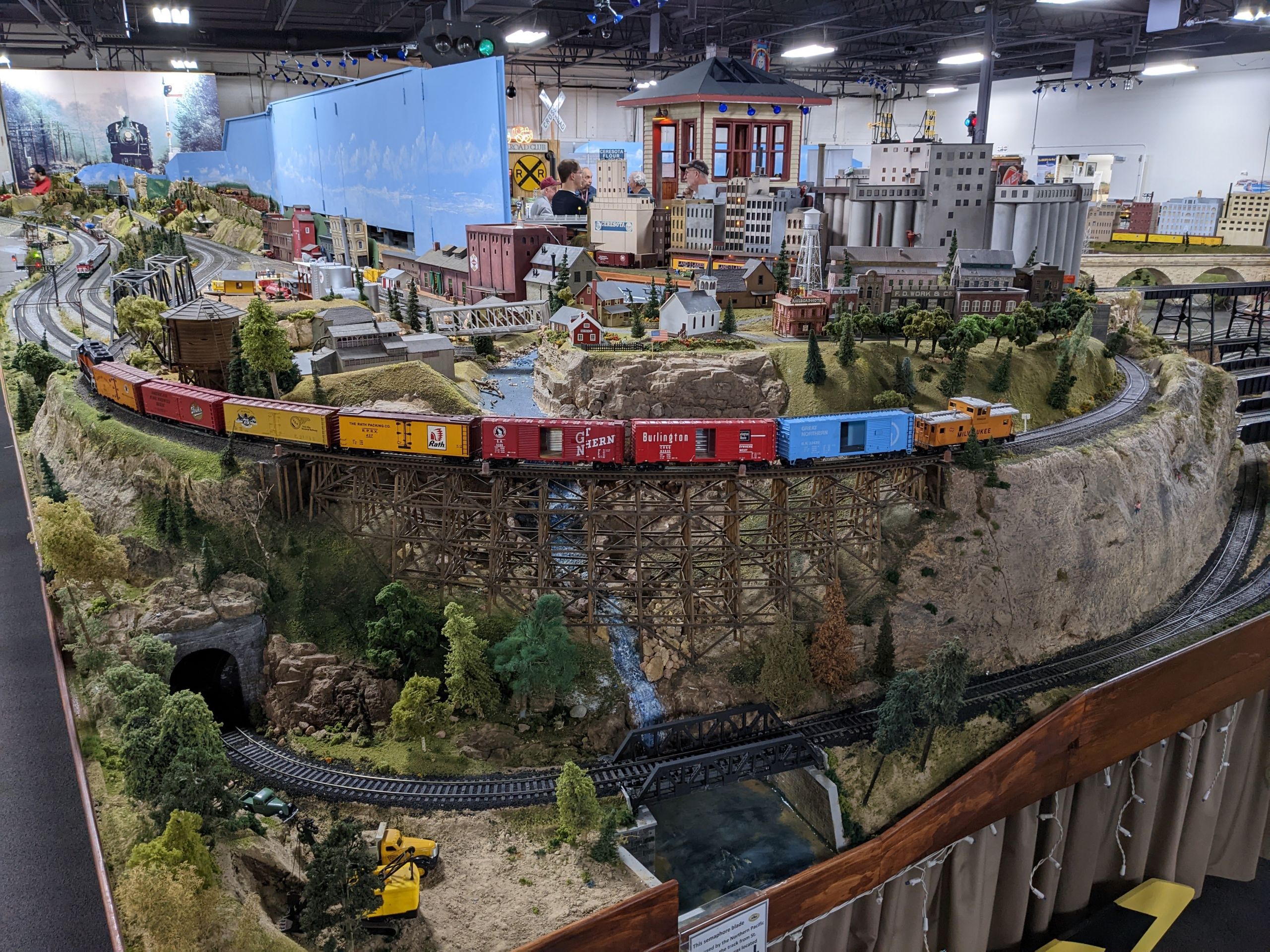
What are all the different types of Lionel steam locomotives? American steam locomotives evolved into a wide variety of specific configurations, each with a distinctive wheel arrangement that determined what work the locomotive could do. Lionel has produced O-gauge models of nearly every important American steam type, and understanding the differences matters for buying, collecting, and running the right locomotive for your layout.
This vibetrains.com visual guide walks through every major type of Lionel steam locomotive, showing you the wheel arrangement, the prototype origin, the operational role, and what to look for when identifying each type.
How Wheel Arrangements Work
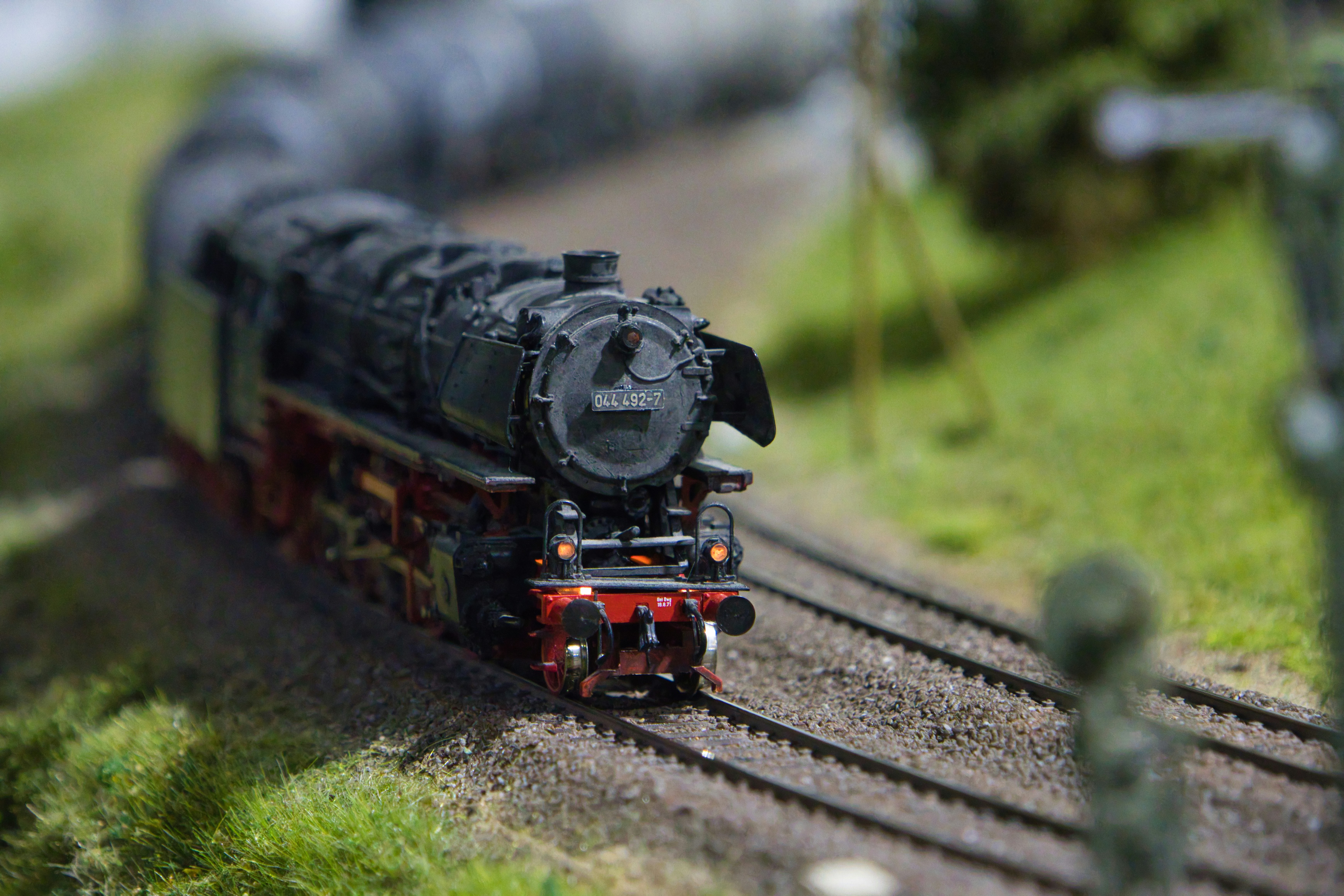
Steam locomotive wheel arrangements are described by the Whyte notation — three numbers separated by dashes. The first number counts leading wheels (small guiding wheels at the front). The middle number counts drivers (large powered wheels). The last number counts trailing wheels (small wheels under the cab or firebox).
A 4-6-4 has four leading wheels, six drivers, four trailing wheels. A 4-8-8-4 (articulated) has four leading, eight drivers, another eight drivers, and four trailing. Each configuration has a specific name based on the first prototype that used it — Pacific for 4-6-2, Hudson for 4-6-4, Berkshire for 2-8-4, Northern for 4-8-4.
Understanding wheel arrangements matters because they tell you what curves the locomotive needs, what era it represents, and what work it was designed for.
4-6-2 Pacific — The Classic Passenger Locomotive
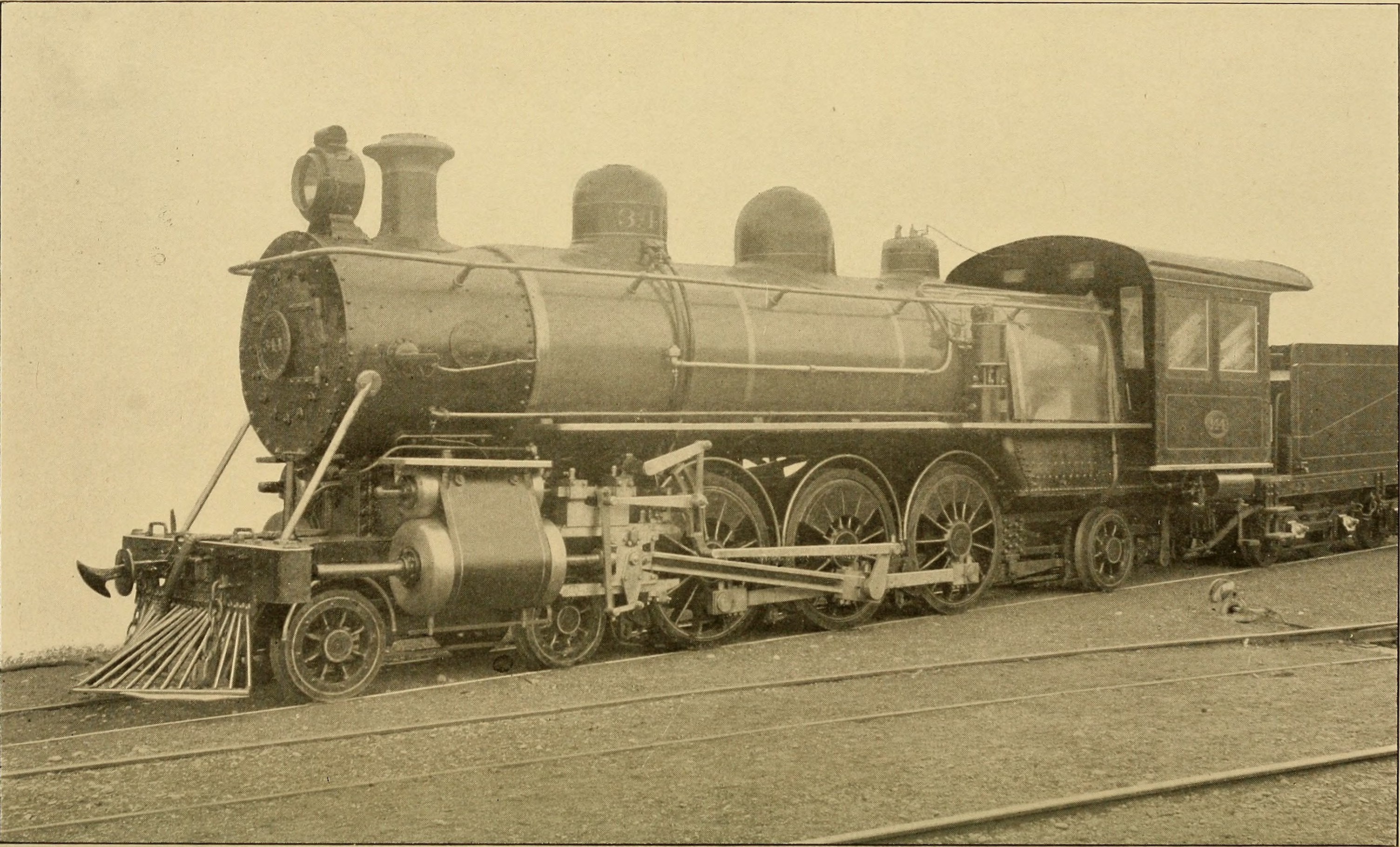
The 4-6-2 Pacific was the classic American passenger steam locomotive of the early 20th century. Four leading wheels for high-speed tracking, six drivers for power, and two trailing wheels supporting a wide firebox. The Pennsylvania K4, Southern Pacific P-1, and New York Central K3 were iconic Pacific types.
Lionel produces Pacifics across every tier from LionChief (Pennsylvania Flyer, generic PRR schemes) through LEGACY (highly detailed prototype-accurate reproductions). The Pacific fits O-31 or O-36 curves depending on the specific model, making it one of the most layout-friendly steam types. For pricing across Pacific options, see our best Lionel steam locomotives 2026 guide.
4-6-4 Hudson — The New York Central Icon
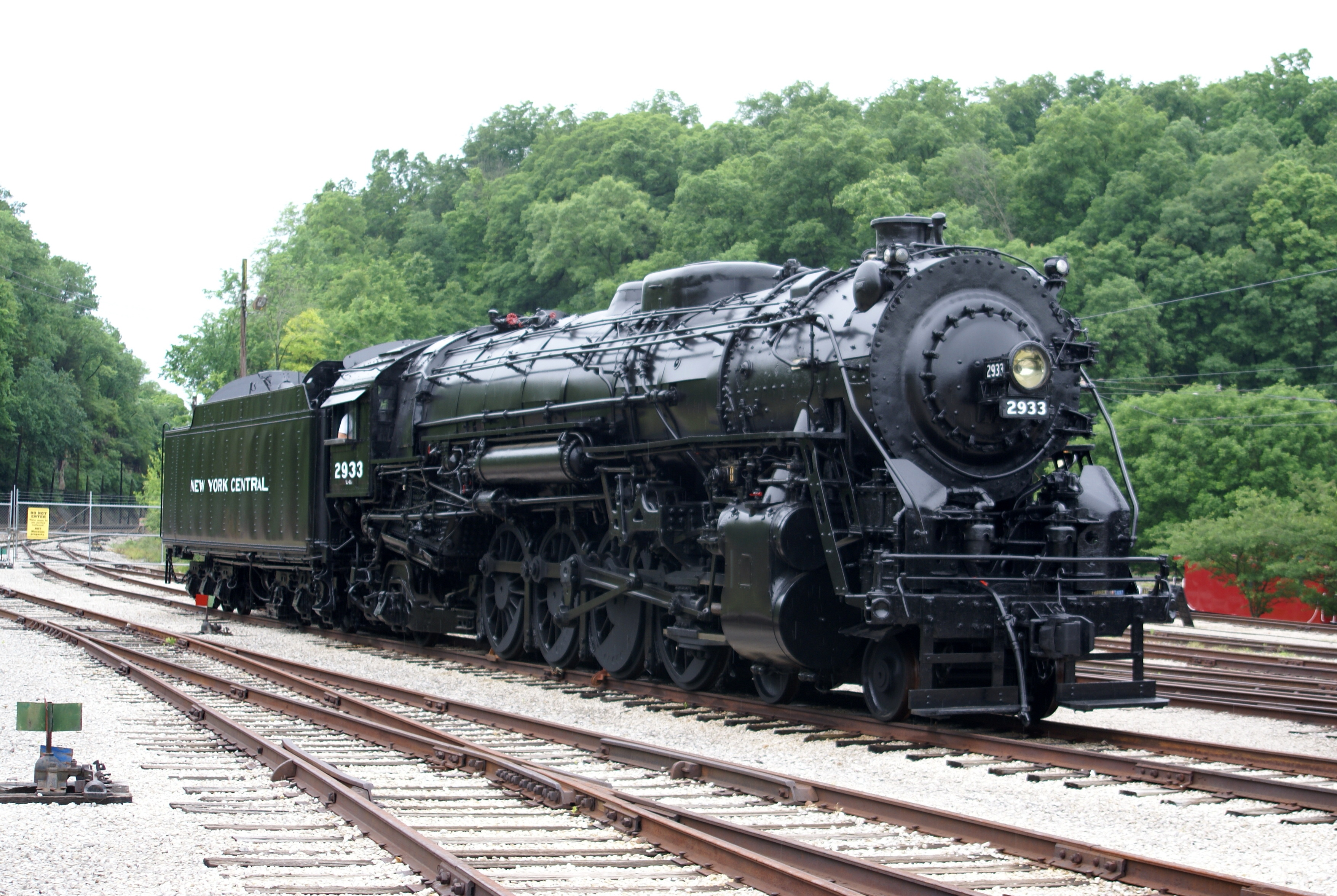
The 4-6-4 Hudson added a four-wheel trailing truck to the Pacific configuration, supporting a larger firebox for more sustained power. The New York Central developed the 4-6-4 in 1927 and named it the Hudson after the Hudson River their railroad followed. The Hudson became the definitive New York Central passenger locomotive and the design proliferated across other American railroads.
Lionel's various Hudson models — including the streamlined Dreyfuss variant with its distinctive shrouded body — are among the most collectible modern Lionel steam locomotives. The Vision Line NYC J-3a Hudson is one of the flagship pieces of the modern Lionel catalog.
Streamlined Hudson: The Dreyfuss J-3a
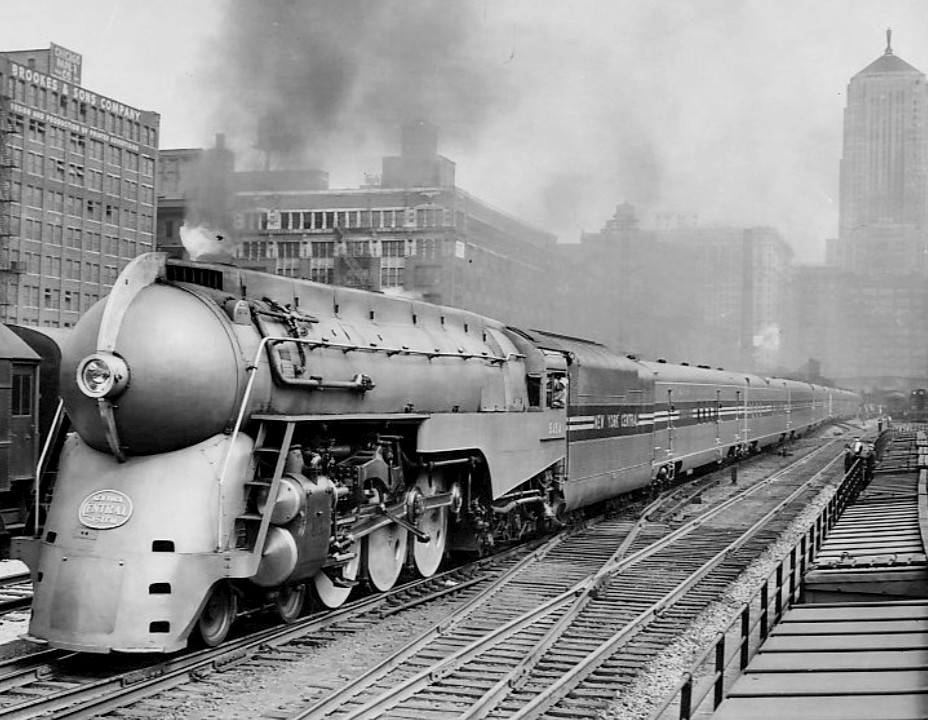
The Dreyfuss J-3a Hudson deserves separate mention. Designer Henry Dreyfuss streamlined the standard J-3a Hudson in 1938 with an Art Deco shrouded body for the 20th Century Limited. The result is one of the most beautiful steam locomotives ever built — a Hudson underneath, wrapped in bullet-shaped elegant metalwork.
Lionel's Vision Line Dreyfuss Hudson captures every detail of the original streamlining. It requires O-42 minimum curves and looks best on O-72 or wider. This is a locomotive that stops rooms.
4-8-4 Northern — The Ultimate American Steam
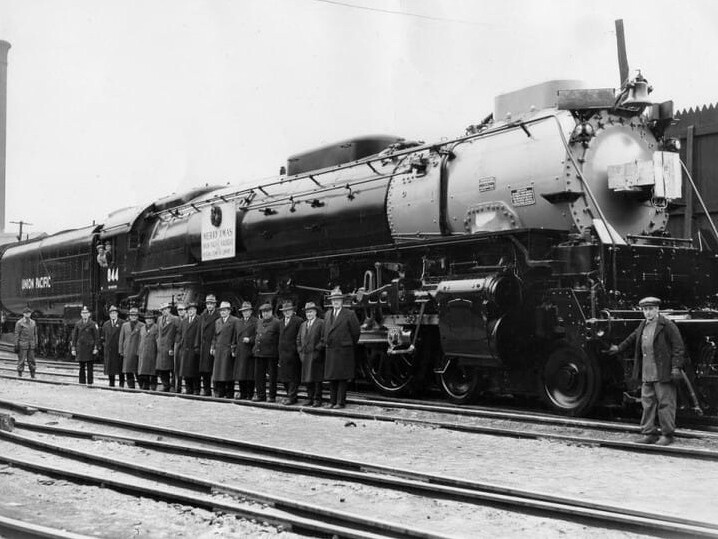
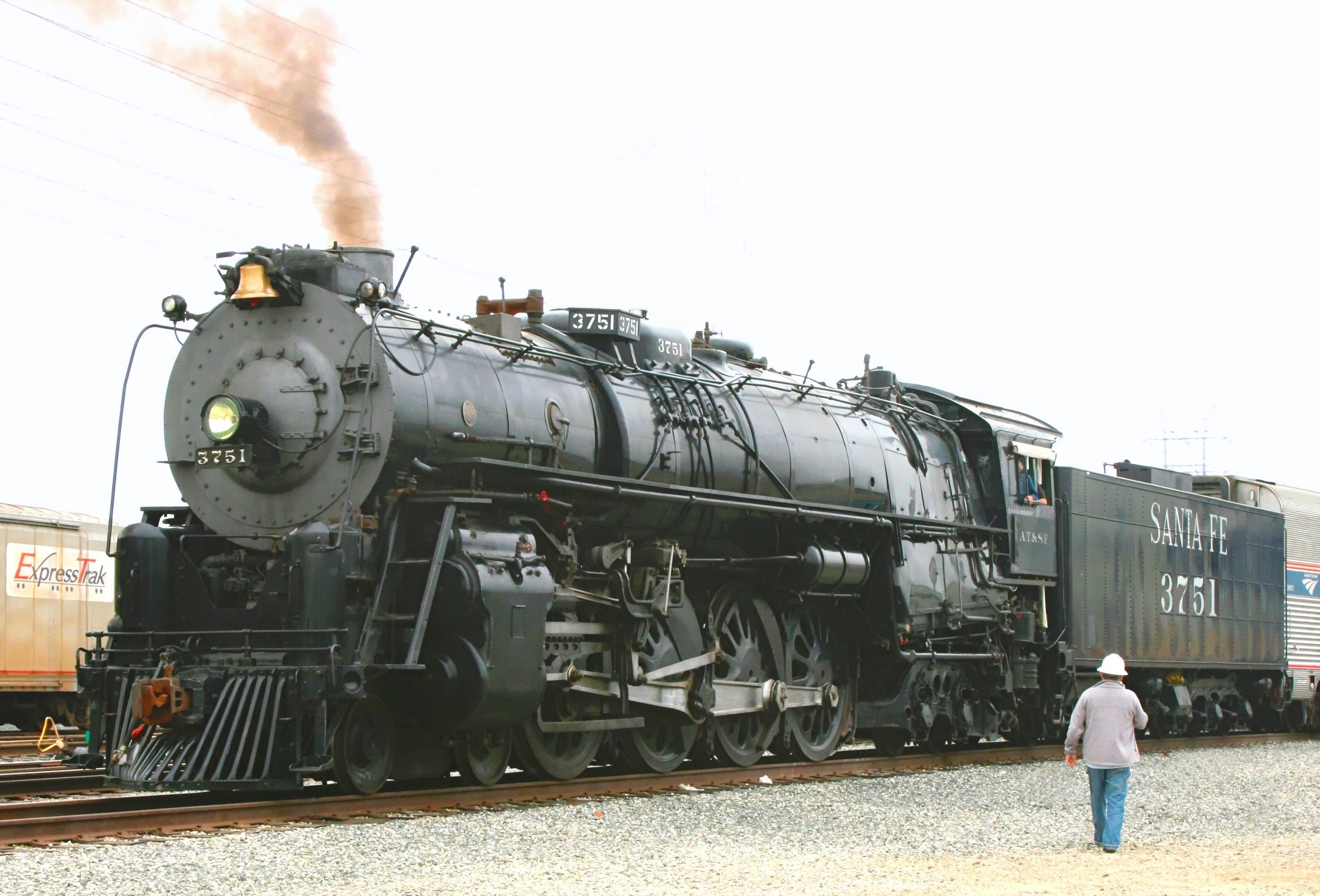
The 4-8-4 Northern was the pinnacle of American steam locomotive development. Eight drivers gave massive power, four leading and four trailing wheels enabled high-speed operation, and the design became the reference for late-era American steam. The Union Pacific FEF-3, Santa Fe 3751-class, Southern Pacific GS-4 Daylight, and Norfolk & Western J were all Northerns.
Lionel produces multiple Northern types in various road names. LEGACY-tier Northerns require O-54 minimum curves. Vision Line examples are larger and need O-72. These are among the most impressive Lionel steam locomotives in visual presence.
2-8-4 Berkshire — The Freight Workhorse

The 2-8-4 Berkshire was designed by the Boston & Albany Railroad in 1925 for freight service through the Berkshire Hills of Massachusetts. Two leading wheels, eight drivers for maximum tractive effort, and four trailing wheels for firebox support. The Berkshire became the most-modeled American steam locomotive because so many major railroads used them — Nickel Plate Road, Pere Marquette, Chesapeake & Ohio, Erie, Illinois Central, and more.
Lionel's Berkshire models are workhorses of the O-gauge steam roster. The Vision Line Berkshire and LionChief Plus 2.0 Berkshire cover different quality tiers. Requires O-42 minimum for smaller models, O-54 for larger and more detailed versions.
2-8-2 Mikado — The Universal Freight Locomotive
The 2-8-2 Mikado predated the Berkshire and served as the universal American freight locomotive from about 1897 through World War I. Two leading wheels, eight drivers, and two trailing wheels. Named "Mikado" because Baldwin built the first American 2-8-2s for Japan (mikado meaning "emperor" in Japanese).
Lionel produces Mikados in LionChief Plus 2.0 and LEGACY tiers. These locomotives fit smaller curves than Berkshires and Hudsons, making them accessible to more layouts. They represent authentic freight service on nearly every major American railroad.
4-8-8-4 Big Boy — The Largest Ever Built
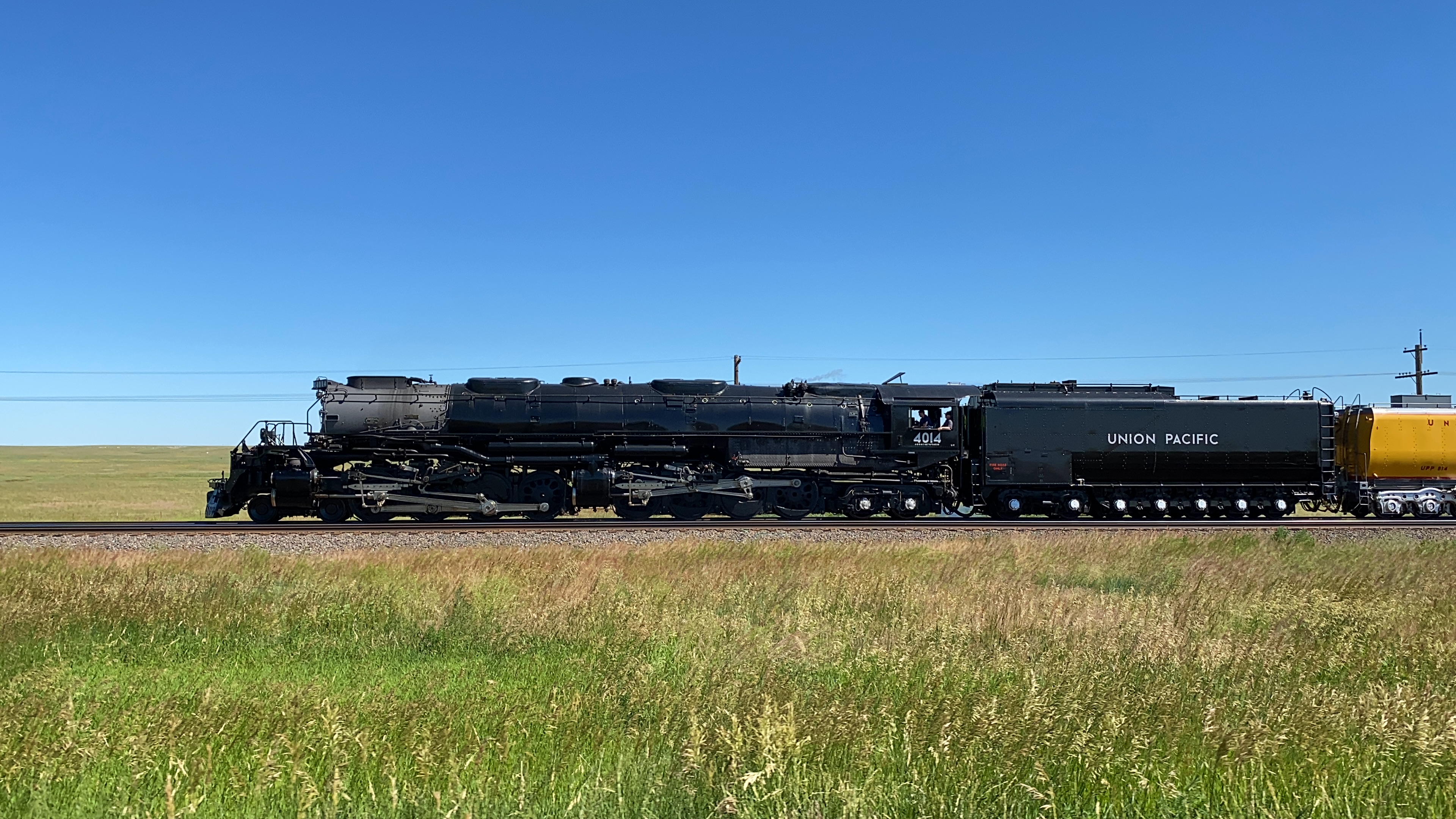
The 4-8-8-4 Big Boy was designed by American Locomotive Company for the Union Pacific in 1941 to pull heavy freight over the Wasatch Mountains between Ogden, Utah and Green River, Wyoming. Two four-wheel leading trucks, two sets of eight drivers connected by articulation, and four trailing wheels. The largest production steam locomotive ever built.
Only 25 were produced, but the Big Boy became legendary in American railroading. Union Pacific restored Big Boy #4014 to operating condition in 2019 — one of the great preservation achievements in American railroad history. Lionel's Vision Line Big Boy is the flagship of the modern Lionel catalog.
4-6-6-4 Challenger — Big Boy's Predecessor
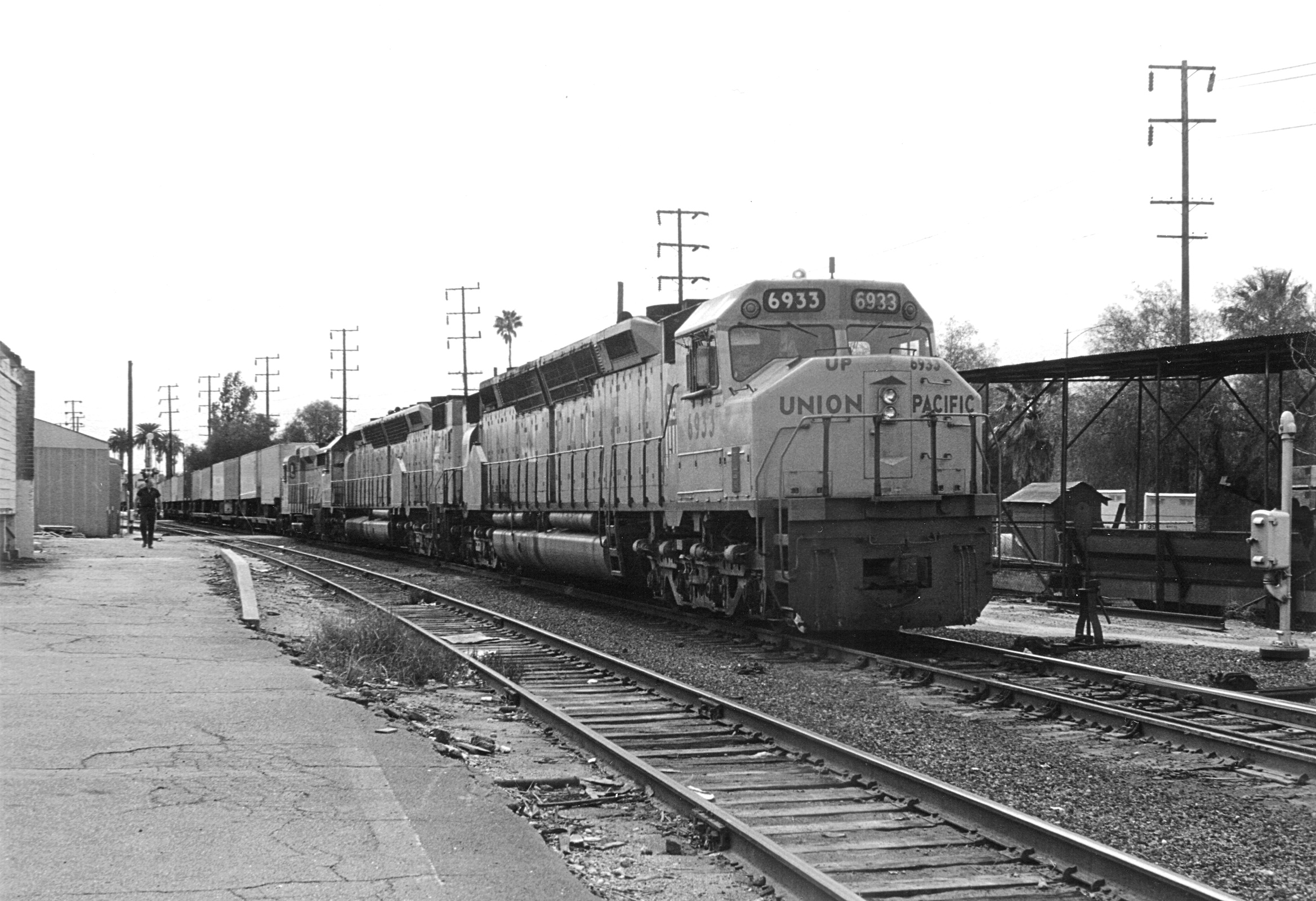
The 4-6-6-4 Challenger was the immediate predecessor to the Big Boy — a smaller articulated locomotive that proved the design concept before Union Pacific scaled it up. Two sets of six drivers, articulation, and modern late-era steam features. Union Pacific and Delaware & Hudson operated Challengers in significant numbers.
Lionel produces Challengers in Vision Line and LEGACY tiers. Slightly smaller than Big Boys but still requires O-72 minimum curves. Visually distinguishable from the Big Boy by the shorter overall length and fewer drivers per engine set.
2-6-6-4 Class A — Norfolk & Western's Modern Articulated
The Norfolk & Western Class A 2-6-6-4 was one of the last major articulated designs, built by N&W's own Roanoke Shops from 1936 through 1950. Two leading wheels, two sets of six drivers, and four trailing wheels. The Class A was modernized N&W's answer to purchased articulateds from other builders — proprietary Norfolk & Western engineering.
Lionel's LEGACY Class A captures the distinctive N&W silhouette. For our full review, see our LEGACY N&W Class A review.
2-6-6-6 Allegheny — Chesapeake & Ohio's Powerhouse
The 2-6-6-6 Allegheny was Lima Locomotive Works' most powerful design — six-axle trailing truck supporting an enormous firebox for maximum sustained power on Chesapeake & Ohio's Allegheny Mountain grades. Two sets of six drivers with articulation. Lionel's Vision Line Allegheny represents the most powerful steam locomotive ever built in America.
Smaller Steam Types
Beyond the flagship types, Lionel produces many smaller steam locomotives:
0-8-0 Switcher: Zero leading wheels, eight drivers, zero trailing. Pure yard switching locomotive. Compact, fits O-31 curves, ideal for switching operations.
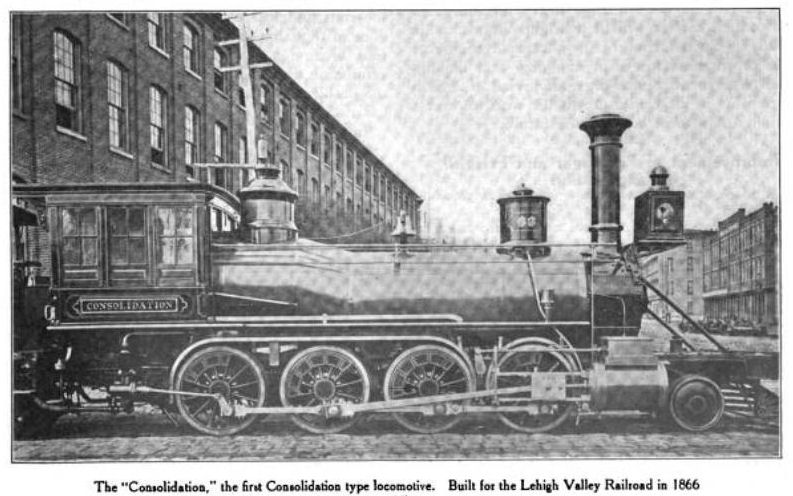
2-8-0 Consolidation: Two leading, eight drivers, zero trailing. General-purpose freight locomotive from the late 19th and early 20th centuries. Runs on O-36 curves.
4-4-2 Atlantic: Four leading, four drivers, two trailing. Fast passenger locomotive from the turn of the century era. Runs on O-31 curves.
2-6-2 Prairie: Two leading, six drivers, two trailing. Multi-purpose locomotive that served many roles. Runs on O-31 or O-36 curves.
Choosing the Right Steam Type for Your Layout
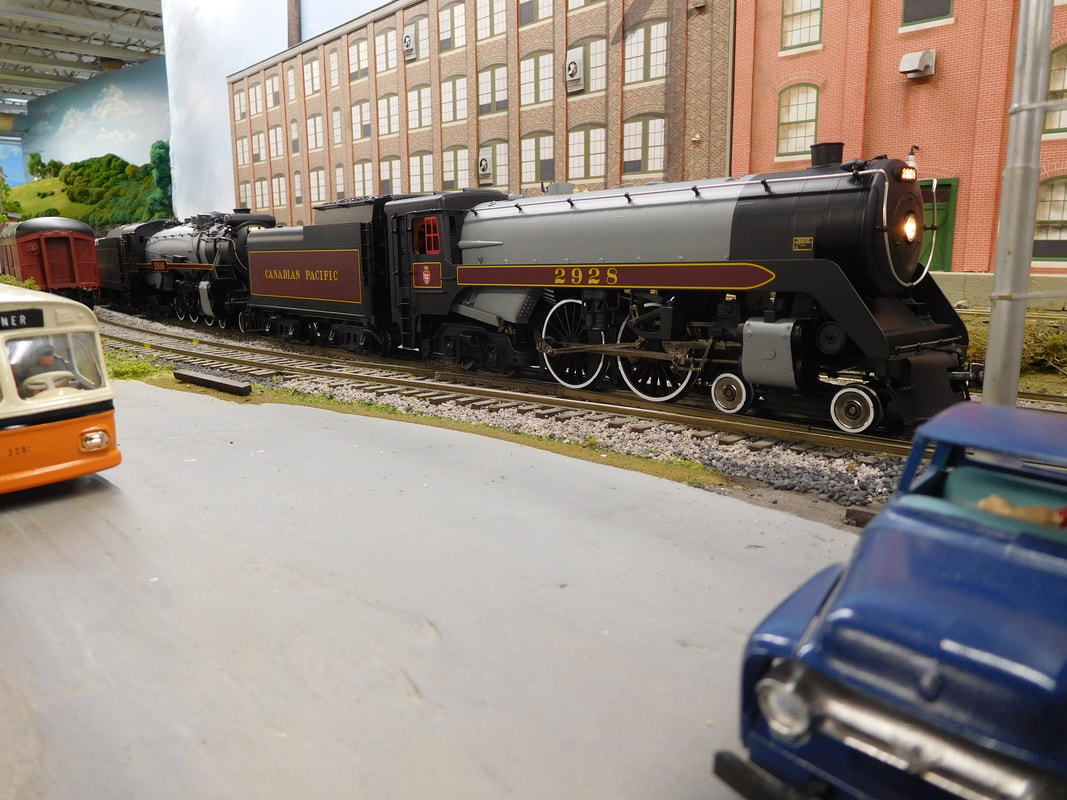
Practical guidance for picking steam types:
For small layouts (4x8 or smaller): Pacific 4-6-2, Consolidation 2-8-0, small switchers. Fits O-31 curves and looks proportionally correct on tight layouts.
For mid-size layouts (up to 8x12): Hudson 4-6-4, Berkshire 2-8-4, Mikado 2-8-2, Northern 4-8-4. Requires O-42 to O-54 curves. These are the versatile mid-tier steam types that fit most home layouts.
For basement-filling layouts (10x16+): Big Boy 4-8-8-4, Challenger 4-6-6-4, Class A 2-6-6-4, Allegheny 2-6-6-6. Requires O-72 minimum. These are the flagship articulated locomotives that need serious space.
For layout curve details, see our O-gauge curve radius guide.
Regional Prototypes for Themed Layouts
Steam locomotives were often distinctive to specific railroads. Choosing steam matched to your layout's regional theme adds authenticity:
Northeast (Pennsylvania, New York): K4 Pacific, Hudson, T1 Duplex, GG1 electric
Southeast (C&O, N&W): Allegheny, Class A, J-class
Midwest (NKP, Erie, Pere Marquette): Berkshire
West (SP, UP, Santa Fe): Cab-forward, Big Boy, Challenger, 3751-class Northern, GS-4 Daylight
For iconic Lionel steam picks, see our best Lionel locomotives of all time guide.
Frequently Asked Questions
What's the difference between a Berkshire and a Hudson? The Berkshire (2-8-4) is a freight locomotive with eight drivers for pulling power. The Hudson (4-6-4) is a passenger locomotive with six drivers optimized for high-speed running.
What's the largest Lionel steam locomotive? The Vision Line Union Pacific Big Boy 4-8-8-4 is the largest and most detailed Lionel steam locomotive in the current catalog.
What wheel arrangement is a Pacific? A Pacific is a 4-6-2 wheel arrangement — four leading wheels, six drivers, two trailing wheels.
How do I know what type of Lionel steam I have? Count the wheels on your locomotive using the Whyte notation. Four leading + six drivers + two trailing = Pacific 4-6-2. Two leading + eight drivers + four trailing = Berkshire 2-8-4. For identification help, see our Lionel identification guide.
Which Lionel steam type is easiest to run on a small layout? Pacific 4-6-2 and Consolidation 2-8-0 are the most layout-friendly types, fitting O-31 or O-36 curves that work on 4x8 starter layouts.
Final Word
Understanding types of Lionel steam locomotives transforms how you buy, collect, and run O-gauge equipment. Each wheel arrangement tells a story about American railroad history and points to specific operational roles. Whatever your era or road name focus, there's a Lionel steam type that fits — from small switchers to the massive articulated giants. For a broader steam picks guide, see our best Lionel steam locomotives 2026 guide.
Newsletter
Weekly O-gauge tips & reviews
New reviews, layout ideas, and hobby news — straight to your inbox.