O-Gauge vs HO Scale: Which is Better for Beginners?
March 22, 2026
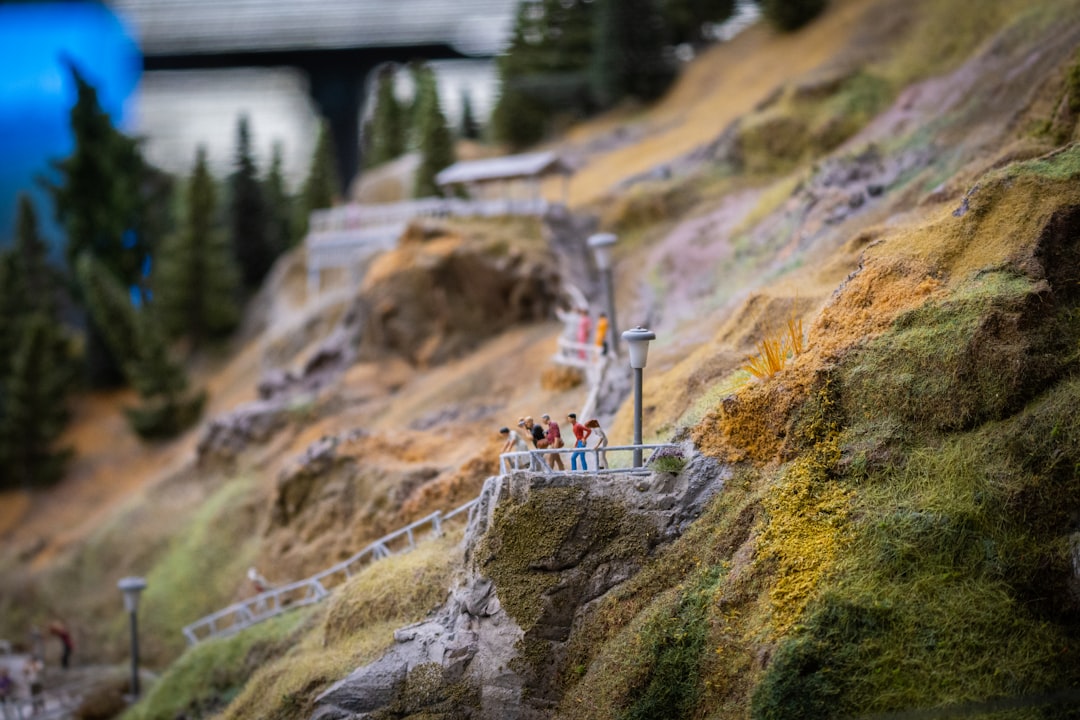
I started in HO and moved to O-gauge after about three years. Both have a place. But the "which is better for beginners" question has a more honest answer than the internet usually gives it — and it has more to do with your space and your kids than it does with scale fidelity. Here's what I'd tell my younger self.
If you're just starting your model train hobby, the choice between O-gauge vs HO scale is one of the most important decisions you'll make. Both scales have passionate followings, but they offer different advantages depending on your budget, available space, and personal preferences. Understanding the key differences will help you pick the right scale before investing in locomotives, track, and scenery.
The main difference between these scales comes down to size and proportion. O-gauge trains are significantly larger, with a scale ratio of 1:48, meaning each model is about twice the size of an HO-scale train at 1:87. This size difference affects everything from the track radius to the space you'll need for your layout. For beginners, this distinction matters because larger trains are easier to handle, see clearly, and assemble—but they also demand more space and come with higher price tags.
O-gauge is often considered the better choice for absolute beginners, especially older hobbyists or anyone with vision difficulties. The larger size makes it easier to work with small parts, read details, and troubleshoot issues. Operating O-gauge trains also feels more intuitive since you're working with bigger, more robust components. If you have a basement, garage, or spare room, O-gauge layouts can be incredibly satisfying. You can check current prices on Amazon for starter O-gauge sets at
HO-scale, however, offers a compelling alternative that appeals to many newcomers. The smaller size means you can build an impressive, detailed layout in a bedroom, apartment, or modest space. HO-scale also has the advantage of lower overall costs—locomotives, track, and accessories are generally cheaper than O-gauge equivalents. The hobby also has massive community support, making it easier to find tutorials, parts, and fellow enthusiasts. If space or budget is a concern, HO might be your answer.
Consider your available space seriously before deciding. An O-gauge oval layout typically requires at least a 4x8-foot table, while HO-scale can work in a 2x4-foot space and still look impressive. Beginners often underestimate how much real estate they need, so measure your intended layout area carefully. Think about whether you want a permanent installation or something portable.
Budget is another critical factor. A quality O-gauge starter set from reputable manufacturers runs $200-400, with individual locomotives costing $100-300 or more. HO-scale starter sets typically cost $80-200, and locomotives range from $50-200. If you're not sure this hobby will stick, HO-scale lets you experiment with lower financial risk. Browse HO-scale options at to see the price differences.
Your interest in detail and scenery building matters too. O-gauge allows for impressive scenery and larger structures that feel more realistic at that scale. HO-scale forces you to be more creative with space, and many hobbyists love the challenge of creating detailed miniature landscapes. Neither scale limits your creative potential—it's just a different approach.
One often-overlooked factor is the noise level. O-gauge trains typically run louder due to their size, which some hobbyists enjoy for realism but others find annoying. HO-scale runs quieter, making it better for apartment dwellers or bedroom layouts.
For most absolute beginners, we recommend HO-scale if space or budget is limited, and O-gauge if you have room and want easier handling. Don't overthink this decision—both scales are rewarding and have excellent support. The best scale is ultimately the one you'll actually build and enjoy. Get started by exploring to see what's available in your preferred scale, then commit to your choice and start building.
Space requirements (the real number, not the marketing number)
| Layout type | O-gauge minimum | HO minimum |
|---|---|---|
| Oval loop on a table | 4'×8' (O-31 curves) | 3'×5' |
| Comfortable single-track loop with sidings | 5'×9' | 4'×6' |
| Multi-train layout with scenery | 9'×12' or wall-shelf | 5'×9' |
| Around-the-room shelf layout | Doable; need wide curves | Easy |
Budget reality (what you'll actually spend year one)
- O-gauge: $300 starter set, $150 extra track, $150 transformer upgrade, $200 scenery basics = around $800 to a layout you'd actually show someone.
- HO: $200 starter set, $80 track, $0 (transformer included), $150 scenery = around $430.
- O-gauge is roughly 1.8× the cost of HO for an equivalent setup, because everything is bigger and more expensive to manufacture.
Which one will you actually enjoy?
The question most beginner guides skip: do you want to operate a railroad, or do you want to watch a train? HO is built for operations — switching, consists, layouts that model real prototype lines. O-gauge is built for spectacle — big engines, smoke, sound, holiday tree loops, and "this looks like a real train." Pick by what you want to do, not by what's "better."
FAQ
Is O-gauge or HO better for kids? O-gauge. Trains are bigger, more durable, harder to derail, and the magic is more obvious to a young kid. HO is better for a teenager who wants to build something.
Is HO more realistic than O-gauge? In scale fidelity, yes. In presence and "this feels like a real train," no — O-gauge wins on physical impact.
Can I run O-gauge and HO together? Different scales, different track, different transformers. You can have both in the same room but not on the same layout.
Related guides
Newsletter
Weekly O-gauge tips & reviews
New reviews, layout ideas, and hobby news — straight to your inbox.