The Difference Between O-Scale and O-Gauge Explained
March 19, 2026
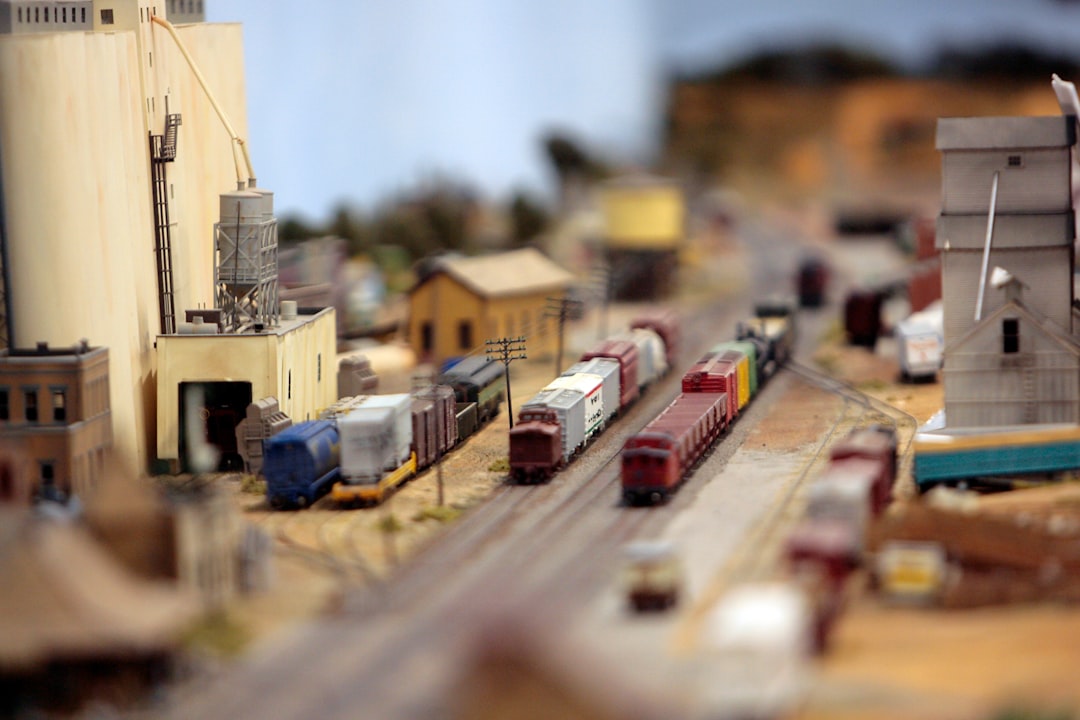
York train meet is twice a year. I've walked that floor enough times to have opinions on this. Sharing them honestly below.
If you're new to the world of Lionel model trains, you've probably encountered the terms O-scale and O-gauge used somewhat interchangeably. While these terms are closely related, understanding the distinction between them is crucial for making informed decisions about your train collection and layout design.
Let's start with the basics. O-gauge refers to the track gauge, which is the distance between the two rails of your model train track. O-gauge specifically means the rails are 1.25 inches (or 31.75 millimeters) apart. This measurement is standardized across the hobby, so any O-gauge locomotive or car will run on any O-gauge track, regardless of manufacturer. Most Lionel trains use O-gauge track, making compatibility straightforward and allowing you to mix and match components from different eras.
O-scale, on the other hand, is a ratio that describes the size relationship between the model train and a real, full-size train. O-scale represents a 1:48 ratio, meaning that every one inch on your model train corresponds to 48 inches (four feet) on an actual locomotive. This scale is widely used across the model railroading hobby and helps ensure proportional accuracy in model design and layout planning.
Here's where it gets interesting: O-gauge and O-scale are related but not identical. In traditional Lionel trains, especially the classic postwar models, many pieces aren't exactly to O-scale. Lionel prioritized robust, fun-to-operate trains over strict scale accuracy, so their classic locomotives and cars are often slightly larger or smaller than true O-scale would dictate. This doesn't make them wrong—it's simply part of their charm and appeal.
For your layout planning, this distinction matters in practical ways. If you're building a scale model railroad with realistic proportions and want everything to look properly balanced, you'll want true O-scale models. However, if you're creating a fun, operational layout in the classic Lionel tradition, mixing standard O-gauge components works perfectly fine.
When shopping for trains and accessories, pay attention to both measurements. Check whether items are labeled as O-gauge, O-scale, or both. Modern Lionel products often strive for better O-scale accuracy than vintage pieces, so a newer locomotive will likely integrate more seamlessly into a scale-focused layout than a 1950s classic might.
The good news for collectors is that this distinction shouldn't paralyze your purchasing decisions. The vast majority of O-gauge trains will work together mechanically and look great on the same layout. The scale consideration becomes more important when you're focusing on scenery, structures, and figures that fill your landscape.
Our best advice? Decide what matters most for your vision. Are you building a historically accurate, proportionally correct model railroad? Focus on true O-scale accuracy. Do you want a fun, operational layout celebrating Lionel's golden age? Mix gauges freely within the O standard. Either way, understanding these differences helps you create a layout that's authentic to your goals and brings you maximum enjoyment.
Newsletter
Weekly O-gauge tips & reviews
New reviews, layout ideas, and hobby news — straight to your inbox.