How to Build Mountains and Tunnels on an O-Gauge Layout: Complete Scenery Guide
June 11, 2026
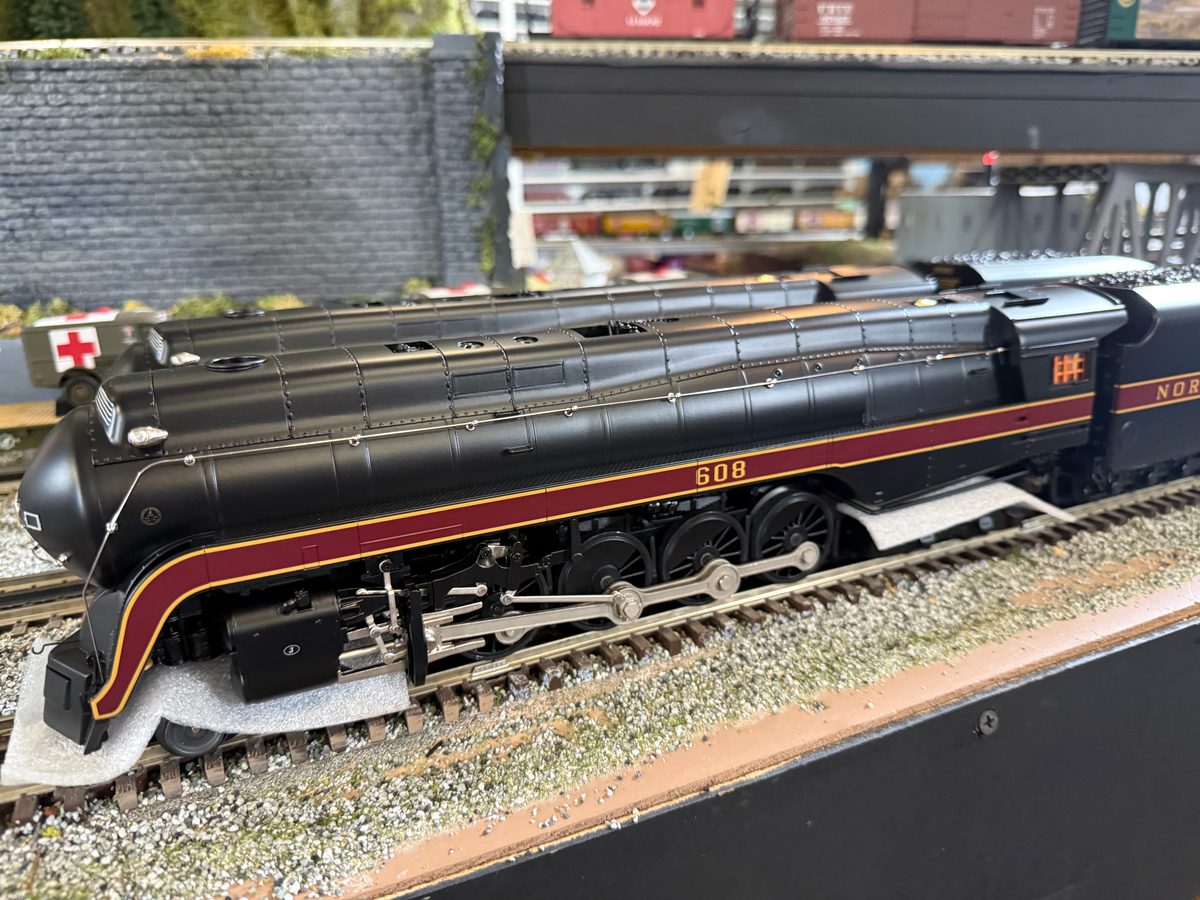
How do you build mountains and tunnels on an O-gauge layout? Vertical scenery — mountains, hills, cuts, and tunnels — is what separates a flat tabletop loop from an immersive miniature world. The techniques are straightforward but require patience, and the results transform a layout dramatically. This vibetrains.com guide walks you through building O-gauge mountains and tunnels from foam core to rock face, with the methods that work for both small starter mountains and basement-filling ranges.
Quick Answer: How to Build O-Gauge Mountains
Standard approach: 1. Build a lightweight skeleton of cardboard webbing or 2-inch foam insulation board stacked to rough shape. 2. Cover with plaster cloth (Woodland Scenics) and let it set. 3. Add cast plaster rock faces from rubber molds in key exposed areas. 4. Color with diluted acrylic washes — never just one color. 5. Add ground foam, lichen, and trees on the lower slopes. For tunnels: leave a clearance opening at least 1 inch wider and taller than your largest locomotive, build the mountain around the opening, and install commercial or scratchbuilt tunnel portals at each end.
Mountain Construction Method 1: Foam Stack
The fastest and most popular modern approach. Buy 2-inch extruded foam insulation board (the pink or blue stuff from any hardware store) — a single 4x8 sheet costs $25-$40 and builds a substantial mountain. Stack and glue layers using foam-safe adhesive (regular Liquid Nails Foam Board, NOT solvent-based glues which melt foam). Carve the rough shape with a serrated knife or a hot-wire foam cutter. Smooth with a Surform rasp or coarse sandpaper. The result: a strong, light mountain that holds paint and plaster perfectly and won't sag or settle over time. Browse Woodland Scenics terrain supplies on Amazon for plaster cloth, rock molds, and ground cover.
Mountain Construction Method 2: Cardboard Webbing
The traditional approach. Build a skeleton from cardboard strips (cereal boxes work) stapled into a webbed structure that defines the mountain's shape. Cover the webbing with plaster cloth or paper towels dipped in plaster. Let dry and add a finish coat of lightweight spackle or Sculptamold. Cardboard webbing produces lighter mountains than foam (helpful for portable layouts) but is slower to build and harder to modify once set. Use this method for very large mountain ranges where foam cost adds up.
Plaster Cloth: The Universal Surface
Plaster cloth (Woodland Scenics is the standard brand) is a fabric mesh impregnated with plaster. Wet a strip in water, lay it over your foam or cardboard skeleton, and smooth with your fingers. The plaster sets in 15-30 minutes and produces a hard, paintable surface. Two layers give a stronger surface; three is overkill. Plaster cloth is the easiest way to skin a mountain because it eliminates the mess of mixing wet plaster while delivering similar results. A standard 8-foot roll covers about 12 square feet — buy two for a typical mountain.
Rock Faces: The Detail That Sells the Scene
Exposed rock — cliff faces, blasted cuts where the railroad passes through a hill, rocky outcrops — adds vertical interest and realism. Cast rock from rubber molds (Woodland Scenics, Bragdon Industries, and CrowsNest all make excellent mold sets covering various rock types). Mix plaster (Hydrocal is the gold standard; regular plaster of Paris works) to the consistency of pancake batter, pour into the mold, let set for 30 minutes, and pop out a rock face. Glue the cast rocks to the mountain with white glue or hot glue, blending edges with additional plaster. The variety of rock types in your mold collection determines how varied your mountain looks.
Coloring Rock for Realism
The single most important rock-coloring rule: real rock is never one color. Apply a base coat of medium tan or gray acrylic paint. Then add washes of diluted brown, gray, black, and rust, letting them flow into the cracks and crevices. A final dry-brush of light gray or tan on the high points completes the effect. Use cheap craft acrylics ($1-$2 per bottle) — there's no reason to spend more. Practice on a test rock first; coloring is a skill that improves with repetition. For more on the broader scenery context, see our complete scenery guide.
Tunnel Construction
Tunnels are mountains with a hole through them. The key technical requirement: clearance. Every O-gauge locomotive needs vertical and horizontal clearance through the tunnel opening — at minimum 1 inch wider on each side than the widest car you'll run, and 1 inch taller than the tallest. For LEGACY locomotives with smokestacks and articulated trucks, plan for 5-inch clearance. Build the mountain around a tunnel form: a cardboard box, PVC pipe section, or wood frame defining the opening. Once the mountain hardens around it, remove the form — you have a tunnel.
Tunnel Portals
The tunnel portal is the architectural opening at each end. Commercial portals from Woodland Scenics, MTH, and Lionel come in stone, concrete, and brick styles in various scales. O-gauge portals run $15-$40 per pair. Scratchbuilders make portals from cardboard, stripwood, or foam carved to look like stone. Whatever you use, the portal hides the transition between the tunnel interior and the mountain's exterior surface, and it adds period-appropriate detail to the scene. Paint and weather portals to match the surrounding rock.
Tunnel Interior
The tunnel interior is hidden from normal viewing angles but matters for a few reasons. Paint the inside flat black to prevent reflections from giving away the form. Install removable access panels in the mountain top above the tunnel so you can retrieve derailed locomotives. Add a simple plywood floor inside the tunnel for clean track laying. Lighting inside the tunnel (a single LED at the midpoint) is optional but creates an impressive effect on a train passing through. For more on layout lighting, see our building lights guide.
Ground Cover on Mountain Slopes
Mountains aren't all bare rock. Lower slopes need grass, brush, and trees; upper slopes need scrubby vegetation; high peaks may need snow or bare alpine rock. Apply ground foam (Woodland Scenics turf) over diluted white glue starting at the bottom and working up — the lighter foliage at the top of a real mountain transitions from dense forest below to scattered alpine above. Add trees in varying species and heights. For tree-line transitions, mix tree colors gradually rather than abruptly. The result: a mountain that reads as natural rather than constructed.
Scale and Proportion
The biggest beginner mountain mistake: making it too small. Real mountains are massive; modeled mountains should feel that way too. On an O-gauge layout, a mountain that fills a 3-foot by 4-foot footprint and rises 18-24 inches off the table feels appropriately scaled to the trains and structures around it. A 6-inch hill behind a Big Boy looks like a speed bump. Push your mountains taller and wider than instinct suggests — the visual payoff is dramatic. For overall layout context, see our ultimate vibe train room setup guide.
Common Mountain-Building Mistakes
Four common mistakes. Mountains too uniform in color — paint multiple shades, even on the same rock face. Tunnel openings too small — measure your largest locomotive twice before committing to clearance. Skipping access panels — every tunnel needs a way to retrieve a derailed engine without disassembly. Ground cover that stops at the mountain base — blend ground cover up into the mountain's lower slopes for a natural transition. Each mistake is easy to avoid with a little planning.
Frequently Asked Questions
What's the best material for building model train mountains? Extruded foam insulation board (2-inch pink or blue from the hardware store) is the most popular modern choice — light, easy to carve, holds paint and plaster well, and inexpensive.
How tall should a mountain be on an O-gauge layout? For visual impact appropriate to O-gauge scale, mountains should rise at least 12-18 inches above the layout surface. Smaller hills can be 6-10 inches; major mountain features look right at 18-24 inches or more.
How do I make a tunnel for a model train? Build a mountain around a removable form (cardboard box or PVC pipe) sized 1+ inches larger than your largest locomotive on all sides. Remove the form once the mountain hardens. Add tunnel portals at each end and install access panels above for retrieval.
What paint should I use for model train rocks? Cheap craft acrylics applied as diluted washes work perfectly. Base coat tan or gray, then layered washes of brown, gray, black, and rust create realistic rock coloration.
Do I need plaster cloth for mountains? Plaster cloth is the easiest way to skin a foam or cardboard mountain skeleton. You can also use direct plaster application, but plaster cloth eliminates the mess and produces consistent results.
Final Word
Building mountains and tunnels on an O-gauge layout is one of the most satisfying scenery projects in the hobby. The materials are inexpensive, the techniques are learnable, and the visual payoff is enormous. Start with one small mountain in a corner of your layout, learn the materials, then scale up. By your second mountain you'll be building dramatic terrain that anchors the entire layout. For more on scenery work, see our complete scenery guide and our backdrop installation guide.
Newsletter
Weekly O-gauge tips & reviews
New reviews, layout ideas, and hobby news — straight to your inbox.