How to Photograph Model Trains for eBay Listings: Complete 2026 Seller's Guide
July 27, 2026
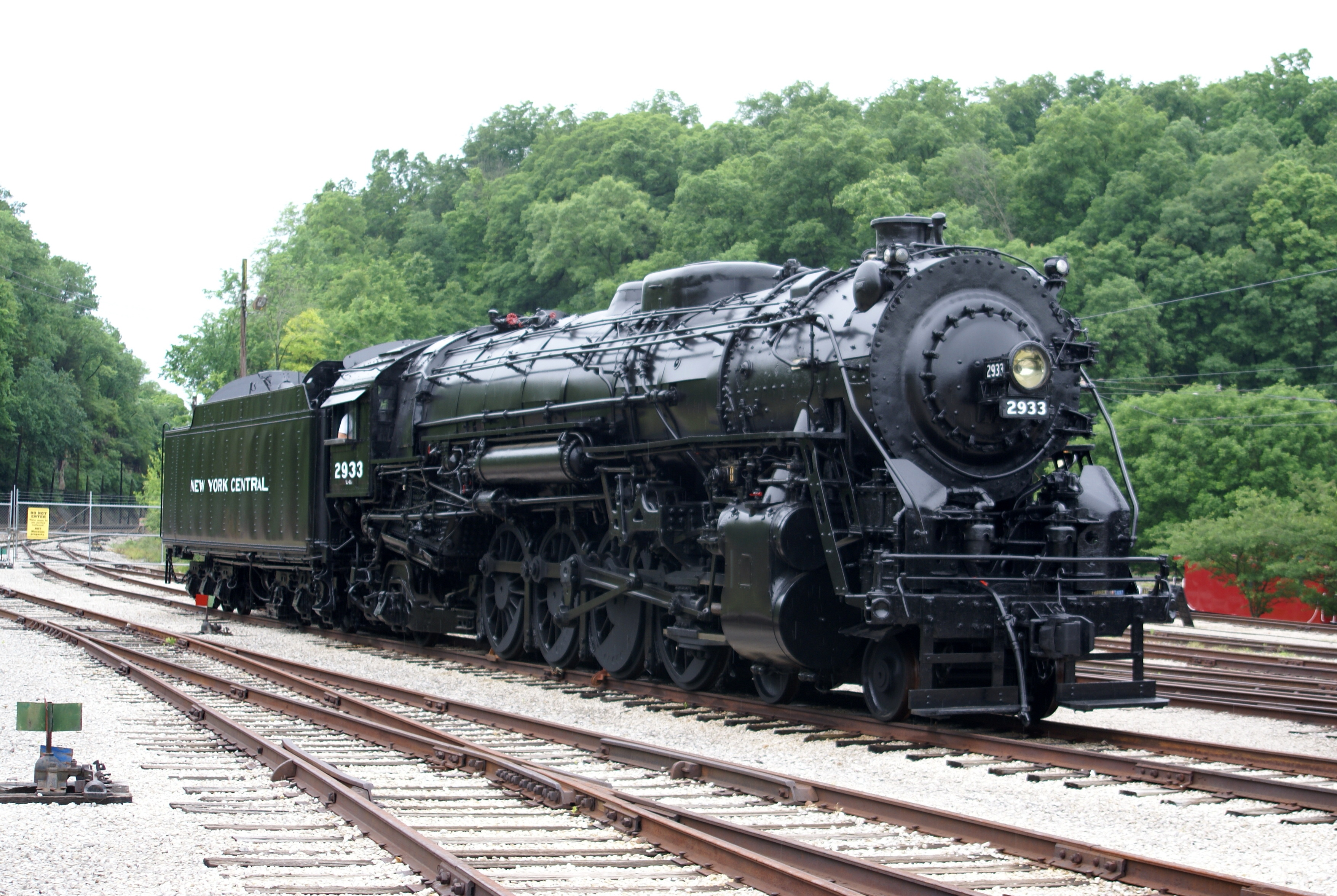
Photography is the single biggest factor in eBay Lionel sale prices that most sellers underuse. Well-photographed model trains sell for 15-30% more than the same pieces photographed poorly. Better yet, quality photos build seller reputation over time, which produces further compound benefits — repeat customers, higher search rankings on eBay's algorithm, and premium buyer confidence that supports higher asking prices.
This vibetrains.com guide covers exactly how to photograph model trains for eBay listings to maximize sale prices, using techniques that work with basic smartphone cameras and don't require professional equipment.
Quick Answer: eBay Model Train Photography
The five factors that drive eBay model train photo quality: 1. Neutral background (solid white, gray, or black eliminates distraction). 2. Warm-white directional lighting (2700-3000K positioned at 30-45 degrees). 3. Multiple angles (side profile, front, top, underside, close-ups of details and any damage). 4. Focus on details (macro shots of paint, decals, box condition, and any damage). 5. Consistent professional appearance (all photos in a listing look like they belong together). Following these principles increases sale prices measurably.
Why Photos Drive Sale Prices
eBay buyer psychology: with two identical pieces at similar prices, the buyer chooses the one with better photos. Better photos:
Signal seller quality: Sellers who take time on photography also take time on shipping, packing, and customer service. Buyers pay premium for confidence in the transaction.
Reduce buyer risk perception: Detailed photos let buyers see exactly what they're getting. Reduced risk supports higher pricing.
Enable premium listings: Well-photographed listings can use eBay's "Featured Item" and "Best Match" algorithm advantages that boost search visibility.
Build seller reputation over time: Repeat buyers return to sellers whose listings look professional and whose pieces arrive as photographed.
For related selling strategy, see our how to sell Lionel trains guide.
Photo Equipment
You don't need expensive equipment. Basic setup:
Smartphone camera: Modern iPhone Pro or high-end Android phones produce excellent results. Dedicated cameras aren't necessary for eBay listing photography.
Small tripod or phone mount: $15-$40. Provides stable positioning for consistent framing across multiple photos.
Small LED light panel: $25-$85. Provides controlled directional lighting when natural light isn't ideal.
Neutral background surface: Solid white, gray, or black poster board ($5-$15). Eliminates cluttered backgrounds that dilute buyer focus.
Ruler or measurement reference: Optional but helps buyers understand scale in photos.
Total equipment cost: $50-$150. Reusable across every future listing.
Setting Up Your Photo Area
A dedicated photo area produces consistently better results than photographing pieces wherever they happen to be:
Location: An indoor space with controllable light. Natural window light works well; supplemental LED lighting fills shadows.
Surface: A stable table or workbench with neutral background surface behind and beneath. Foam-core panels work well and are cheap.
Lighting position: One primary light source at 30-45 degrees to the piece. Fill lighting from opposite side reduces harsh shadows. Overhead lighting works but produces flatter appearance.
Camera height: Slightly above the piece for standard listing shots. Consider low-angle for hero shots that give locomotives commanding presence.
Photo Types Every eBay Listing Needs
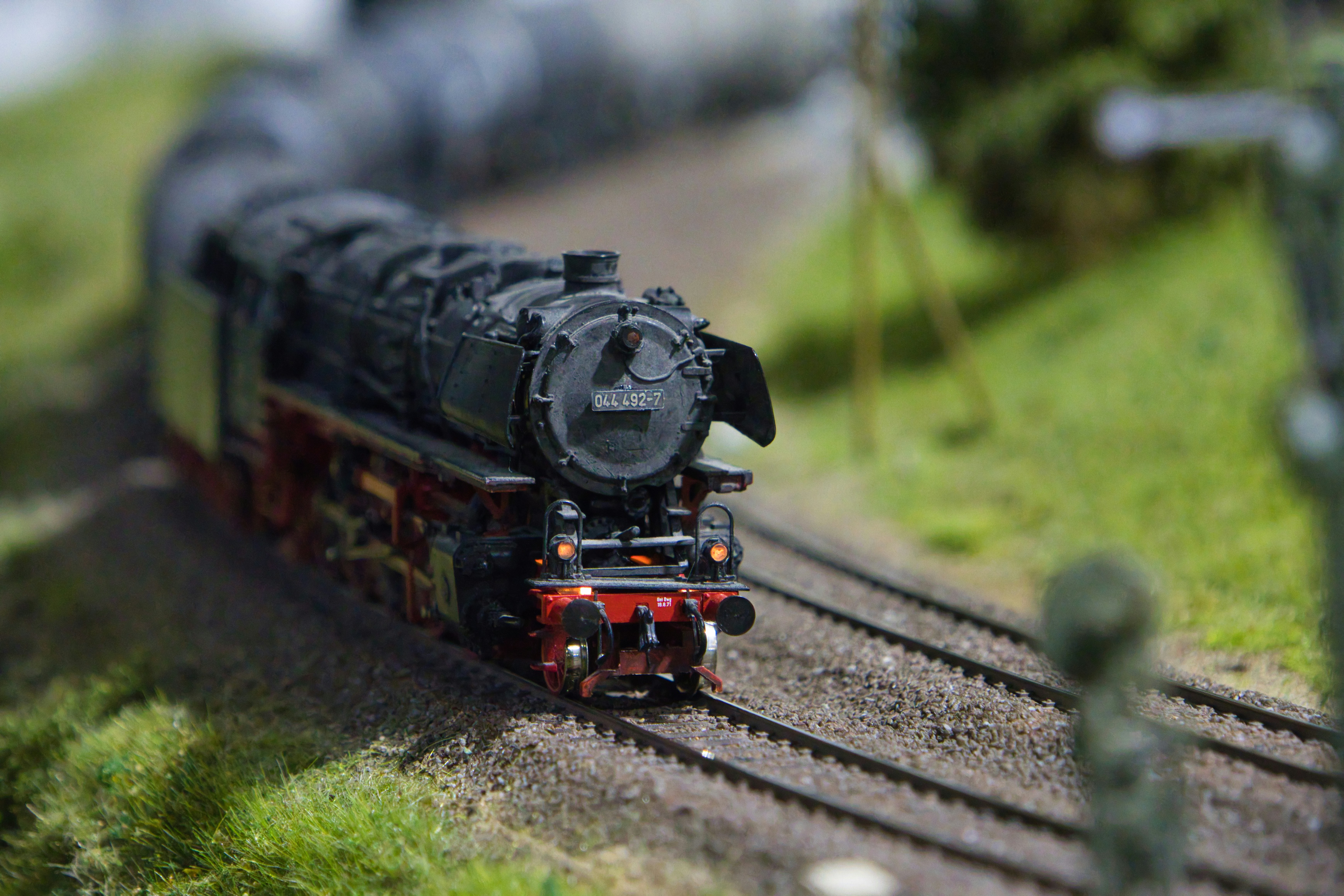
Complete eBay listings typically include 8-12 photos covering these categories:
1. Hero shot: The primary photo that appears in search results. Full side profile of the locomotive, well-lit, sharp focus on detail. This photo drives clicks from search results.
2. Multiple side profiles: Both sides of the locomotive photographed identically. Buyers want to verify condition on both sides.
3. Front three-quarter shot: Angled front view showing the nose and one side. Provides depth perspective on the piece.
4. Rear view: Back of the locomotive, especially important for steam (tender detail) and passenger cars (end platform detail).
5. Top-down view: Aerial shot showing cab detail, smoke stack (steam), and top-mounted features.
6. Underside view: Bottom of the locomotive showing pickup rollers, drivers, and any manufacturer stampings. Essential for authentication.
7. Close-up details: Macro shots of paint quality, decal condition, lettering, and specific features. Shows the buyer what they're getting in detail.
8. Damage documentation: Any chips, scratches, or condition issues photographed clearly. Full transparency prevents disputes.
9. Original box (if included): All sides of the box, interior condition, any paperwork included.
10. Scale reference: Optional but helpful. Ruler or common object photographed with the piece to show size.
Lighting Techniques
Lighting shapes how the piece reads visually. Two primary approaches:
Bright, even lighting: Well-lit from multiple sides. Reveals detail clearly. Appropriate for auction-quality documentation photos.
Directional lighting with shadows: Single primary light source at 30-45 degrees creates shadows that emphasize three-dimensional detail. More visually dramatic. Appropriate for hero shots that drive clicks.
Color temperature: Warm-white (2700-3000K) matches the color temperature most viewers expect for train photography. Cool white (4000K+) can produce color casts that make paint look wrong.
Consistent lighting across all photos: Use the same lighting setup for every photo in a listing. Inconsistent lighting between photos looks amateurish and undermines the piece's presentation.
Focus and Composition
Sharp focus is essential:
Tap-to-focus: On smartphone cameras, tap the piece to lock focus. Auto-focus can grab the wrong element in complex scenes.
Small aperture for depth: If your camera supports manual settings, use higher aperture (f/8-f/16) for greater depth of field. Small subjects at close distance need extended focus depth.
Steady shooting: Tripod eliminates camera shake. Handheld can work if you use fast shutter speeds and stable posture.
Composition principles:
Rule of thirds: Position the piece along one-third lines rather than dead center. More dynamic composition.
Negative space: Don't fill the frame with clutter. Empty background gives the piece prominence.
Leading lines: Track, lettering, or design lines that lead the eye to the subject.
Editing Photos for eBay
Basic editing enhances what's already there:
Exposure: Increase slightly (+0.3 to +0.7) for miniature scenes that tend to look dark in camera.
Highlights: Reduce (-20 to -40) to recover any blown-out lighting on shiny paint.
Shadows: Increase (+20 to +40) to bring out detail in dark areas.
Sharpening: Slight sharpening (+15 to +25) makes detail read crisply at eBay's display sizes.
White balance: Adjust if photos look too warm or cool. Aim for accurate color rather than idealized appearance.
Avoid:
Heavy filters: Instagram-style filters that dramatically alter appearance are counterproductive for eBay listings. Buyers want accurate representation.
Excessive saturation: Slightly boosted color reads well; oversaturated colors look artificial and reduce buyer confidence.
Removing damage: Never edit photos to hide damage. This is fraudulent and generates disputes and returns.
Showing Damage and Wear
Counterintuitively, showing damage clearly increases sale prices. Buyers who see damage upfront:
- Trust the seller's honesty
- Feel confident they know what they're getting
- Pay premium for verified condition
- Rarely file disputes
Hiding damage backfires. Buyers who receive pieces worse than photos filed disputes, request returns, and leave negative feedback. Full transparency about damage protects your reputation.
Photograph damage under bright direct light. Zoom in to make the damage clearly visible. Include the damage documentation as part of your listing photo set.
Photographing Boxes
Original boxes affect Lionel piece value substantially. Photograph boxes as carefully as pieces:
- All six sides of the box
- Interior condition showing foam inserts if present
- Any paperwork included
- Damage or wear on the box
For box authentication specifically, see our postwar Lionel boxes identification guide.
Consistency Across Your Listing Portfolio
eBay sellers with consistent photo style across their entire listing portfolio build brand recognition. Buyers develop preferences for specific sellers whose listings look professional and consistent. Photo consistency requires:
Same photo setup for every listing: Same background, lighting, angles. Buyers see a "brand" rather than random pieces.
Same editing style: Consistent exposure, color temperature, and sharpening across all listings.
Same photo count and types: If you always include 10 photos, buyers know to expect thorough documentation.
This consistency builds seller reputation over time.
Common eBay Photo Mistakes
Poor lighting: Dark or shadowy photos. Buyers can't see detail. Piece looks unappealing.
Cluttered backgrounds: Photos taken on kitchen tables or workbenches with visible clutter. Distracts from the piece.
Blurry photos: Camera shake or focus issues. Signals unprofessional seller.
Inconsistent style: Different lighting, backgrounds, and angles across photos in one listing. Amateurish.
Missing angles: Only one or two photos when 8-12 would show the piece completely. Buyers question what's hidden.
Editing to hide damage: Photos edited to conceal condition issues. Generates disputes and damages reputation.
Frequently Asked Questions
What's the best camera for photographing model trains for eBay? Modern iPhone Pro or high-end Android phones produce excellent results without dedicated camera equipment. Total setup cost with tripod and lighting: $50-$150.
How many photos should an eBay Lionel listing have? 8-12 photos covering hero shot, multiple side profiles, front/rear, top-down, underside, close-up details, damage documentation, and box (if included).
What lighting is best for eBay model train photos? Warm-white LED lighting (2700-3000K) positioned at 30-45 degrees. Bright, even lighting for documentation photos; single directional light for hero shots.
Should I show damage in eBay photos? Yes. Showing damage clearly increases buyer trust, reduces disputes, and often supports higher pricing than hiding damage.
Do better photos actually increase eBay sale prices? Yes. Well-photographed model trains typically sell for 15-30% more than the same pieces poorly photographed. The investment in photography pays back many times over.
Final Word
Photography is the underused lever for eBay model train sale prices. Invest 30 minutes per listing in quality photography and you'll consistently outperform sellers with worse photos across every metric — sale prices, click-through, buyer trust, repeat customers, and seller reputation. For related eBay guidance, see our eBay buying guide and how to sell Lionel trains guide.
Newsletter
Weekly O-gauge tips & reviews
New reviews, layout ideas, and hobby news — straight to your inbox.