How to Build an O-Gauge Layout in a Small Space: Apartment and Studio Guide 2026
July 24, 2026
Building an O-gauge layout in a small space is not impossible — it just requires different design thinking than the classic 4x8 approach. Apartments, studios, small bedrooms, and shared living spaces all support O-gauge operation with creative planning. The trade-off is design constraint: everything has to earn its space, permanence versus foldaway compromises, and single-track layouts often work better than complex loops.
This vibetrains.com guide covers how to build an O-gauge layout in a small space, with specific approaches for different living situations and the operational compromises that make small-space O-gauge genuinely enjoyable rather than frustrating.
Quick Answer: Small-Space O-Gauge Options
Four approaches work for small living spaces: 1. Foldaway tables that store vertically against a wall when not in use. 2. Shelf switching layouts that run along a single wall or two walls at a comfortable height. 3. Closet layouts in unused closet space with locomotive display when not operating. 4. Around-the-room shelf layouts that circle the entire room at picture-rail height. Each approach fits different living situations and priorities.
Understanding Small-Space Constraints
The classic O-gauge layout is 4x8 feet — the standard sheet of plywood. In a small apartment, 4x8 dedicated to trains is often impossible. Smaller spaces require different design constraints:
Space allocation: How much floor space can permanently belong to the layout? Even 2x6 feet is enough for a meaningful switching layout.
Height constraints: A layout at 40-48 inches (typical benchwork height) uses significant floor space. Higher (shelf-height at 60-70 inches) or lower (coffee table height at 20-24 inches) reduces conflict with other uses of the room.
Portability: Some small-space layouts need to be movable — folded up for guests, taken apart for cleaning, stored during moves.
Storage: Small-space layouts have limited storage for locomotives, freight cars, and accessories. Prioritize a smaller collection over a larger unusable one.
Approach 1: Foldaway Tables
Foldaway tables mount to a wall and pivot up when not in use. When deployed, they support a permanent layout at proper height. When folded, they occupy just wall thickness.
Design considerations:
Wall mounting: Requires solid wall studs. Piano hinges and gas-strut supports provide smooth deployment. Cost: $50-$150 for hardware.
Layout size: Foldaway tables typically 3x6 or 4x6 feet — smaller than standard 4x8 but still supports meaningful operation.
Track and scenery: Must accommodate folding. Delicate scenery elements (tall structures, trees) may need to be removable before folding.
Wiring: Wires need enough slack to accommodate folding motion. Route wires carefully to prevent damage during deployment cycles.
Best for: rented spaces where permanent installation isn't possible, or living rooms where the layout only operates during specific times.
Approach 2: Shelf Switching Layouts
Shelf switching layouts run along one or two walls at shelf height, dedicated primarily to switching operations rather than mainline running. The layout is 12-16 inches deep and can be as long as the wall accommodates.
Layout design:
Single main line with sidings: One main line runs the length of the shelf, with 3-5 sidings branching off for switching operations. Represents an industrial spur, urban switching district, or short line operation.
End-to-end operations: Trains enter from one end of the shelf, service industries and sidings, and depart from the other end. Enables meaningful operational sessions in linear space.
Scenic elements: Modest scenery — small structures, ground cover, a few trees. The visual emphasis is on operations rather than expansive landscape.
Locomotive requirements:
Small switchers (0-8-0 steam, GP9 diesel, F3 A-unit) work best. Larger locomotives don't fit visually on 12-16 inch deep benchwork.
For switcher pick recommendations, see our best O-gauge locomotives under $300 guide.
Approach 3: Closet Layouts
Unused closet space converts to O-gauge layout territory with creative organization. Common configurations:
Small oval on closet floor: An O-31 or O-36 oval fits in most standard closets when the floor is cleared. Accessible through open closet doors. Storage above the layout accommodates locomotive collection.
Multi-shelf closet layout: Multiple layers of small track sections with helix connections between levels. Interesting operationally but complex to build.
Display-only closet: Track and scenery inside a closet primarily as visual display with occasional operating sessions.
Best for: apartments with unused closet space, homes where the layout builder has claimed a specific closet for the hobby.
Approach 4: Around-the-Room Shelf Layouts
Around-the-room layouts run at picture-rail height (60-72 inches) along all four walls of a room. The layout circles the entire room, passing through open door frames on removable bridge sections.
Design characteristics:
Depth: 12-18 inches per shelf. Enough for track plus modest scenery.
Height: 60-72 inches puts the layout at eye level for standing viewers. Reduces neck strain during operation. Frees floor space entirely for other uses.
Continuous main line: The layout is essentially one very long shelf that happens to be curved into a room-circling shape. Excellent for running long consists at scale speeds.
Access: Requires stepping stool or ladder for track work at the top of the layout. Not ideal for hobbyists with mobility limitations.
Best for: dedicated hobby rooms where floor space is used for other purposes (office, guest room), or hobbyists who prefer high-height operation.
Locomotive Choices for Small Space
Small-space layouts benefit from specific locomotive types:
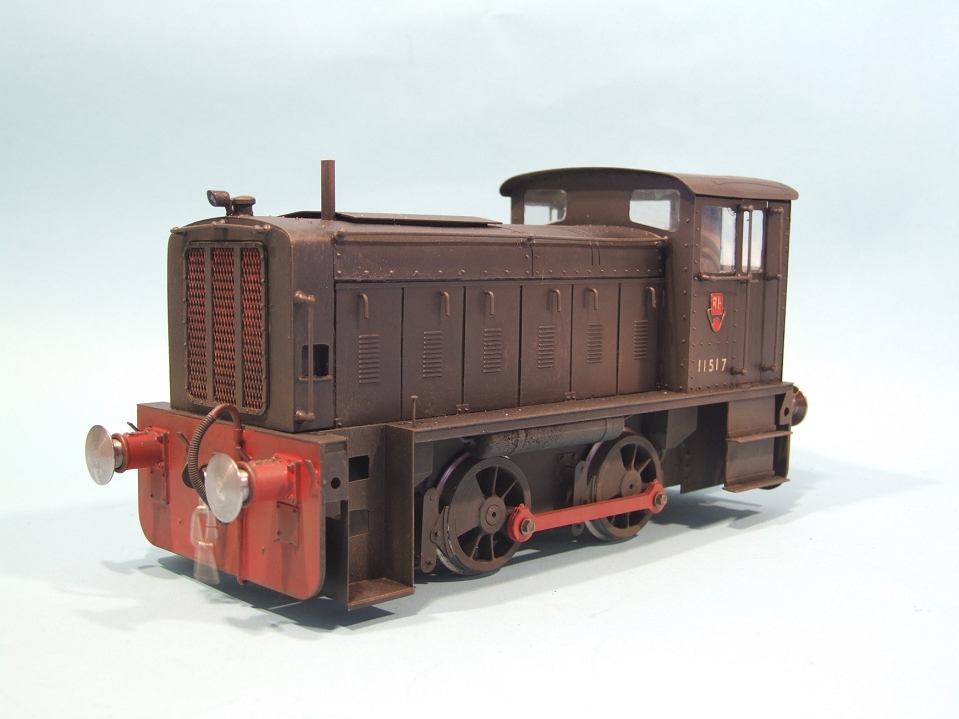
Compact switchers: 0-8-0 steam, NW2 diesel, SW9 diesel. Fit tight curves and switch reliably in confined spaces.
Small road switchers: GP9, GP38, F3 A-unit. Handle both switching and short mainline operations.
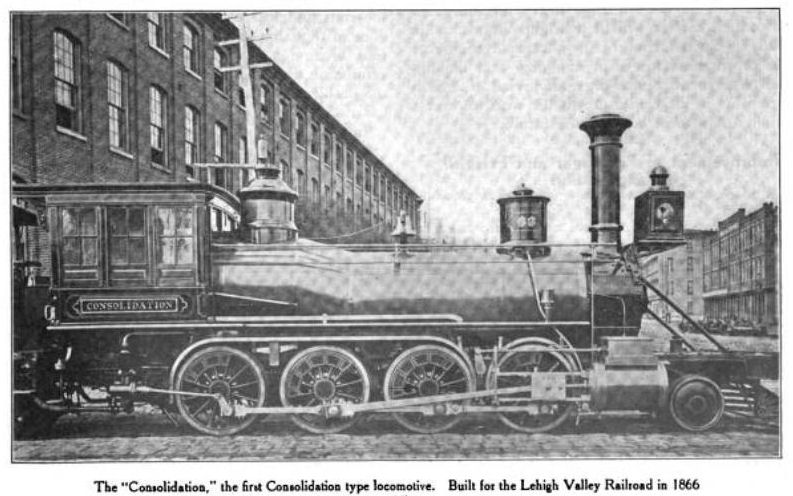
Consolidation-era steam: 2-8-0 Consolidation, 4-4-2 Atlantic, and other pre-Berkshire steam types. Look proportionally correct on small layouts.
Avoid:
Long articulated steam: Big Boy, Challenger, Allegheny require O-72+ curves not practical in small spaces.
Scale-length passenger cars: 80-foot passenger cars need O-42+ curves and look proportionally too large on small layouts.
Long modern diesels: Six-axle SD70ACe and similar look out of scale on tight-curve small layouts.
Storage Solutions for Small Spaces
Small-space O-gauge requires smart storage:
Under-layout drawers: Custom drawers below foldaway tables or wall-mounted shelves store locomotives and cars in original boxes.
Wall-mounted display cases: Locomotive display doubles as storage. See our display case guide.
Closet storage: Even if the layout isn't in the closet, the collection can be. Original boxes stack efficiently in typical closet shelving.
Multi-purpose furniture: Ottomans and coffee tables with internal storage compartments hide train equipment while maintaining living room aesthetics.
Operating in Small Spaces
Small-space layouts require operational adjustments:
Slower speeds: Scale-realistic slow speeds work better on small layouts than express speeds. The tight geometry doesn't accommodate high-speed running.
Shorter consists: 3-5 car consists fit small layouts. Longer trains don't look right on small layouts.
Operational planning: Small layouts reward operational sessions with specific work objectives — deliver freight to industries, build a specific consist, run passenger service on schedule. Random circling gets old quickly.
Sound management: Louder locomotives in small rooms can disturb neighbors or family members. Adjust RailSounds volume down for apartment operation.
Building Community for Small-Space Hobbyists
Small-space hobbyists don't have to be isolated. Options for social engagement despite space constraints:
Local operating clubs: Join clubs with large layouts you can visit for operating sessions. Complements your small home layout.
Train shows: Attend regional train shows to see large layouts and connect with other hobbyists.
Online communities: OGR Forum, Reddit r/modeltrains, Facebook groups. Share your small-space design and learn from others in similar situations.
Small-layout enthusiasts: A subset of the hobby specifically celebrates small-space design. Search "small O-gauge layout" on Facebook and other social platforms for community.
Common Small-Space Mistakes
Trying to fit a 4x8 mentality in smaller space: Small-space design requires different thinking. Don't try to shrink a standard layout — design specifically for the space you have.
Buying oversized locomotives: Big Boy on a 3x5 layout looks ridiculous. Match locomotive size to layout size.
Cluttering the layout: Small layouts can't support extensive scenery, structures, and details. Less is more.
Neglecting operational planning: Small layouts get boring without operational focus. Plan specific work sessions rather than assuming continuous casual running.
Frequently Asked Questions
Can I build a Lionel O-gauge layout in a small apartment? Yes. Foldaway tables, shelf switching layouts, or closet layouts all work in apartment spaces. Focus on smaller locomotives and shorter consists appropriate to the space.
What's the smallest useful O-gauge layout? A 2x4 foot switching layout with a small locomotive and 2-3 freight cars is genuinely operational. Below that, layout options become quite limited.
What curves work in small spaces? O-31 or O-36 curves fit smaller footprints. Small-space layouts often use O-31. See our O-gauge curve radius guide for details.
Can I have a Big Boy in a small space? No, not operationally. Big Boy requires O-72 minimum curves that don't fit small spaces. If you own a Big Boy, display it and run smaller equipment on your small layout.
Are small-space layouts satisfying? Yes, when designed intentionally. Small layouts with focused switching operations, well-selected equipment, and operational planning provide as much engagement as larger layouts with less focus.
Final Word
Small-space O-gauge is a legitimate discipline within the hobby with dedicated adherents building genuinely satisfying layouts. Choose the approach that fits your specific space, select appropriate small equipment, plan operations rather than assuming continuous running, and engage with community despite physical constraints. For related layout planning topics, see our 4x8 layout planning guide for context on scaling up when space allows.
Newsletter
Weekly O-gauge tips & reviews
New reviews, layout ideas, and hobby news — straight to your inbox.