How to Add Realistic Scenery to Your O-Gauge Layout: Mountains, Trees, and Ground Cover
May 26, 2026
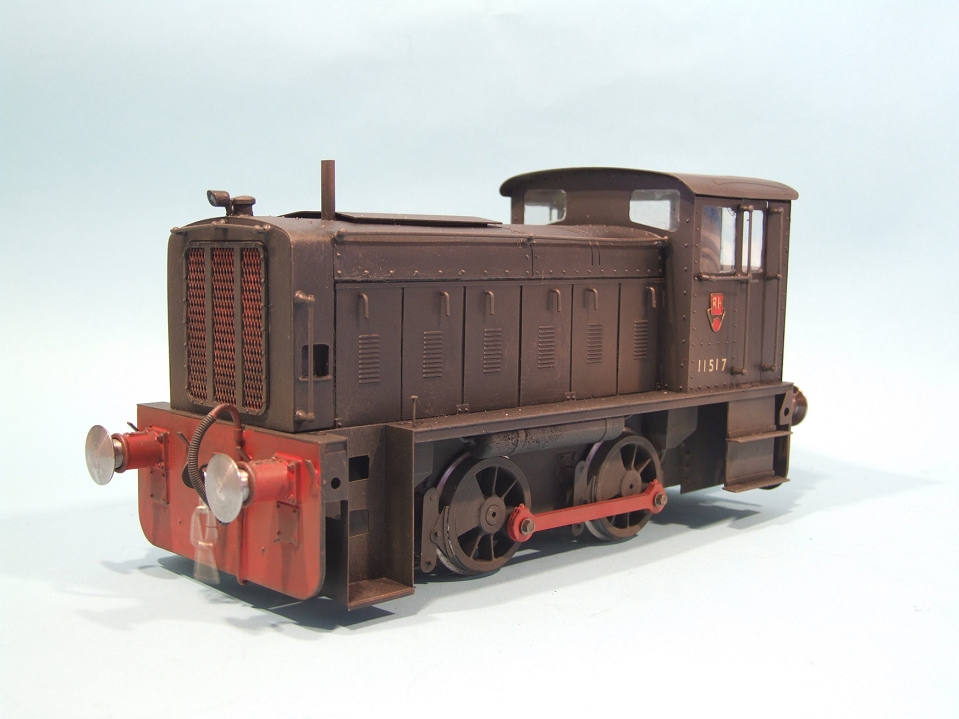
Scenery is what separates a loop of track on a board from a vibe train layout you can lose yourself in. It's also the part of the hobby that intimidates beginners the most — and unnecessarily. Building realistic O-gauge scenery is a learnable skill that follows a logical sequence, uses inexpensive materials, and rewards patience over talent. This vibetrains.com guide walks you through building scenery from bare benchwork to a finished, immersive scene.
Start with a Plan and a Base Color
Before any terrain goes down, paint your layout surface a flat earth-tone brown or green. This single step does more for the finished look than almost anything else — it ensures that any gaps in your ground cover show dirt-colored base rather than bright plywood. Plan your scenes loosely: where the hills go, where the town sits, where water might run. You don't need a detailed master plan, but you should know the general shape of the land before you start building it up. Scenery built without a plan tends to look like a collection of unrelated features rather than a coherent landscape.
Building Terrain and Mountains
The modern standard for O-gauge terrain is extruded foam insulation board (the pink or blue stuff from the hardware store). Stack and glue 2-inch foam sheets to build up hills and mountains, then carve them to shape with a serrated knife or a hot-wire foam cutter. Foam is light, cheap, easy to carve, and holds paint and plaster well. For larger mountains, build a lightweight skeleton of cardboard webbing or crumpled paper and cover it with plaster cloth (Woodland Scenics makes a convenient roll). Once the basic landforms are in place, a skim coat of lightweight spackle or sculptamold smooths the surface and takes paint beautifully. Browse terrain and scenery supplies on Amazon for foam, plaster cloth, and sculpting materials.
Ground Cover: The Foundation of Realism
Ground cover is where the landscape comes alive. Work in layers from the ground up. Start with a base of earth-colored paint or a thin layer of real sifted dirt glued down with diluted white glue. Add ground foam (Woodland Scenics turf) in earth and green tones, applied over wet glue and varied in color to avoid a uniform carpet look. Layer in coarser turf and clump foliage for bushes and undergrowth. Static grass, applied with an applicator, creates realistic tall grass and is the single biggest upgrade most layouts can make. The key principle: real landscapes are never one uniform color — blend multiple shades and textures for realism.
Trees and Forests
Trees make an enormous difference and are easy to add at any stage. For O-gauge, you can buy ready-made trees (Woodland Scenics, JTT, and others make excellent ones in various species and sizes) or build your own from armatures and foliage clusters. The trick to realistic forests is variety in height, color, and species, plus density — real forests are thick, with trees clustered together rather than spaced like an orchard. For background forests, "tree mat" or simple clump foliage on a hillside reads convincingly from normal viewing distance. Don't put a few perfectly spaced trees on bare ground and call it a forest; nature doesn't work that way.
Water Features
Water adds drama to a layout and is more achievable than beginners expect. For still water (ponds, lakes), paint the bottom of a carved depression in graduated blues and browns, then pour a two-part epoxy resin or a product like Woodland Scenics Realistic Water to create a glossy surface. For moving water (streams, waterfalls), build up gloss medium or specialized water-effects gel in layers, dragging it to create the look of flow. Water features take patience — pour resin in thin layers and let each cure fully — but a well-done stream running under a trestle is one of the most photographed features on any layout.
Rock Faces and Cuts
Exposed rock — cliff faces, cuts where the railroad blasted through a hill, rocky outcrops — adds vertical interest and realism. Cast rock from rubber molds using plaster (Woodland Scenics and Bragdon make excellent mold sets), then color them with diluted acrylic washes or India ink. The secret to realistic rock is the coloring: real rock is never one color, so apply a base, then washes of gray, brown, and black, letting them flow into the crevices. A dry-brush of light gray on the high points finishes the effect. Rock work rewards looking at real rock formations and matching what you see.
Roads, Details, and Weathering
Roads, sidewalks, fences, signs, vehicles, and figures populate the scene and give it scale and life. Don't over-detail — a few well-placed, well-painted details read better than a cluttered scene. Weathering — adding the grime, rust, and wear of the real world — ties everything together. A light wash of diluted brown and black over structures, ground, and rolling stock unifies the scene and removes the "toy" look of factory-fresh plastic. For weathering rolling stock specifically, see our rolling stock weathering guide.
Backdrops
A painted or printed backdrop behind the layout adds enormous depth, turning a shelf into a window onto a larger world. Even a simple sky-blue backdrop dramatically improves photos and the sense of immersion. Commercial printed backdrops (rolling hills, city skylines, mountains) are inexpensive and easy to install. For a complete walkthrough, see our backdrop installation guide.
Work in Stages and Enjoy the Process
The best scenery advice: don't try to finish it all at once. Build terrain in one session, ground cover in another, trees in another. Each stage transforms the layout, and the gradual progress is part of the satisfaction. Take photos as you go. Scenery is never truly "done" — you'll keep refining and adding for as long as you own the layout, and that's the point. The vibe of a great O-gauge layout comes from scenery built patiently over time. For ideas on the overall layout that carries your scenery, see our ultimate vibe train room setup guide.
Newsletter
Weekly O-gauge tips & reviews
New reviews, layout ideas, and hobby news — straight to your inbox.