I Inherited Lionel Trains: What Do I Do? Complete 2026 Guide
June 28, 2026
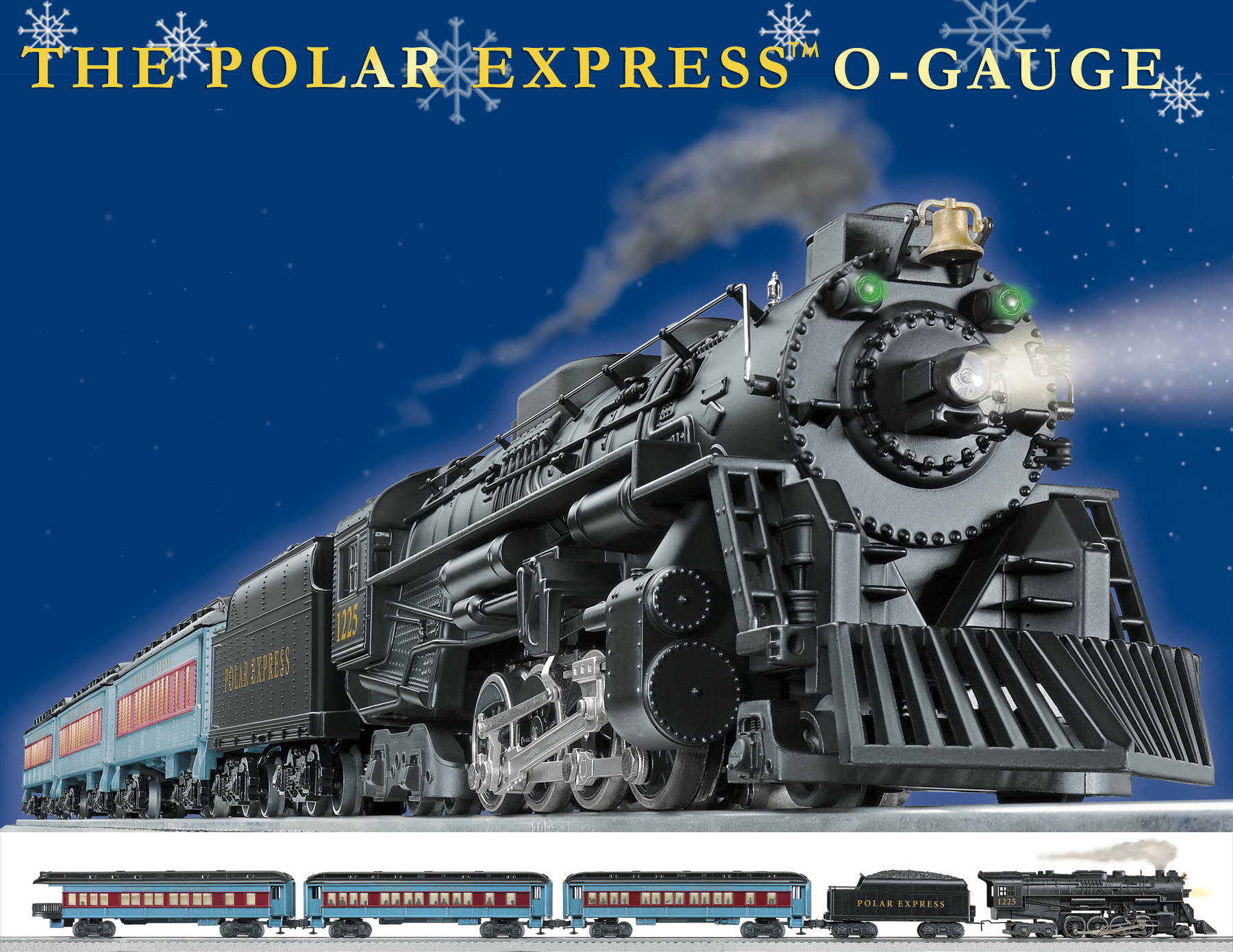
So you've inherited Lionel trains and you have no idea what to do with them. Maybe a parent or grandparent left you a basement full of postwar locomotives, freight cars, and boxes of accessories. Maybe an estate sale dropped a complete vintage collection in your lap. Maybe you just opened a closet at your aunt's house and found three Lionel sets you didn't know existed.
This guide is for that exact situation. We'll walk through what you actually have, what it's worth, your options for keeping or selling, and the specific steps to take in the right order. No model train hobby background required.
First: Don't Throw Anything Away
The single most common — and most expensive — mistake inheritors make is tossing things they don't recognize as valuable. The original cardboard box from a 1953 locomotive can be worth 20-50% of the locomotive's total value. The small piece of paper inside the box can be worth $50. The crusty old transformer in the basement might be a Lionel ZW worth $400.
Before you do anything else: gather everything Lionel-related into one place. Locomotives, freight cars, passenger cars, track, transformers, accessories (operating buildings, signal bridges, water towers), original boxes, paperwork, manuals, catalogs, even old magazines. Don't sort, don't clean, don't throw out. You can always discard later; you can't undo a trash run.
Take Photos of Everything
Once you've gathered the collection, photograph each significant piece. You don't need professional photography — phone photos in decent light are fine. For each locomotive, photograph the full side, the cab area showing model numbers, the underside, and any original boxes. For freight and passenger cars, side photos and any unique markings.
This documentation serves two purposes. First, it's what you'll send to dealers and appraisers when you start getting valuations. Second, it protects you — if you eventually sell to someone who later disputes condition, your photos document what they bought.
Identify What Era You're Dealing With
Lionel produced trains across five distinct eras, and the era matters enormously for value and your decision-making.
Prewar (1900-1942): Often quite valuable. Look for heavy steel and brass construction, deep enamel paint, one to three digit model numbers. Pieces marked "The Lionel Corporation" on the bottom.
Postwar (1945-1969): The classic era and the most likely category if you've inherited from someone who was a child or adult in the 1950s. Heavy die-cast construction, three to four digit model numbers, "Made in U.S.A." stamping.
MPC era (1970-1985): Lower-quality construction than postwar, more plastic, four to five digit model numbers.
LTI era (1986-1995): Quality returned. Marked "Lionel Trains Inc."
Modern (1996-present): Marked "Lionel LLC." Includes TMCC, LEGACY, LionChief, and Vision Line pieces.
For identification details, our Lionel identification guide walks through each era's distinguishing marks.
What the Collection Might Be Worth
Without seeing the specific pieces, here are rough ranges to set expectations. A typical postwar collection from a former hobbyist who ran trains regularly is usually worth $1,500 to $5,000 in the current market. Collections that include premium pieces — the 773 Hudson, F3 ABA sets in scarce road names, the 2360 GG1, operating accessories with original boxes — can be worth $5,000 to $15,000. Rare prewar collections occasionally exceed $25,000.
Collections from casual operators or holiday-only users tend to be worth less, often $300 to $1,500, because of the smaller piece count and the predominance of common items. Modern Lionel collections (1990s onward) generally trade at 30-50% of original retail, so a closet full of LionChief sets is meaningful money but not life-changing.
The honest truth: don't budget against a windfall. Most inherited collections are meaningful but not transformative. For specific value reference, see our Lionel train value guide.
Get a Professional Appraisal
For any collection that includes pieces you can't identify or any pieces that look premium, get a professional appraisal before doing anything else. Appraisal options:
TCA-certified appraisers charge $75-$200 per hour and provide formal written valuations suitable for insurance and probate purposes. The Train Collectors Association maintains a directory of certified members. This is the gold standard for high-value collections.
Major dealer consultations are often free if you're considering selling through them. Trainz, Charles Ro, Mario's Trains, and other established dealers will assess a collection (often from photos initially) and quote a buy-out or consignment arrangement. This is free advice but comes with a sales pitch attached.
Auction house consultations are similar — Stout Auctions and Continental Hobby specialize in toy train auctions and will assess high-value collections for consignment consideration.
Avoid asking for valuations from buyers who want to purchase the collection — they have an inherent conflict of interest. Even honest dealers will quote less than full retail because they need to make money on resale.
The Decision: Keep or Sell
This is the personal part. Three honest considerations:
Sentimental value vs. practical reality. Lionel trains often carry strong emotional significance from a parent or grandparent. That's real. But a collection sitting in boxes in your garage isn't honoring anyone's memory — it's just stored. Decide whether you'll actually run, display, or enjoy the collection. If yes, keep it. If no, consider whether selling and using the proceeds (for something meaningful, or just for financial stability) might be a better tribute than indefinite storage.
Will you actually get into the hobby? Inheriting Lionel can be the start of a lifelong hobby — many serious collectors started exactly this way. If you're genuinely curious about model railroading, keep at least some of the collection, set up a simple layout, and see if the bug bites. If after a year you haven't powered anything up, sell.
Tax and estate considerations. For substantial collections, the inherited basis for tax purposes is usually the fair market value at the date of death (not what the original owner paid decades ago). This typically means low or no capital gains tax on selling. For collections over $10,000 in value, consult a tax professional before disposing.
If You Decide to Keep It
Don't try to "fix" the collection without research. Many well-meaning inheritors clean too aggressively, lubricate inappropriately, or attempt restoration that destroys collector value. The pieces have survived 60+ years without your intervention; they'll survive a few more weeks while you learn.
Read up on basic maintenance before running anything. Our cleaning and maintenance guide and postwar restoration guide cover the right approach. For setup once you have a working locomotive, see our Lionel train set setup guide.
Consider joining the TCA — annual membership runs $50-$75 and gives you access to a knowledgeable community, regional clubs, and the major train shows where you can connect with other hobbyists who can help you understand what you have.
If You Decide to Sell
Your sales options depend on the collection's value and how much time you want to invest.
Outright sale to an established dealer is the fastest path. Expect 50-60% of retail value. The dealer pays cash, takes everything, and you're done. Good for situations where you need the space or want clean closure.
Consignment through an established dealer takes weeks to months but delivers 75-85% of selling price. The dealer grades, prices, and lists individual pieces; you get paid as they sell. Best for valuable collections where the per-piece economics justify the time.
Auction through a specialty house (Stout, Continental Hobby) is appropriate for collections with multiple high-value individual pieces. Takes 60-90 days but often delivers the strongest prices for premium items.
Direct sales through eBay or train shows give you the highest theoretical price but require the most work and risk. Only worth doing for collections with substantial individual high-value pieces, and only if you've developed enough knowledge to grade and price accurately.
For the full sales playbook, see our how to sell Lionel trains guide.
Common Inheritance Mistakes to Avoid
Selling to the first dealer who calls. Once an estate is publicly known to include Lionel trains, dealers start reaching out. Some are honest and helpful; some are predatory. Don't sell to the first caller. Get multiple valuations, take time to research, and choose deliberately.
Cleaning aggressively before sale. Original honest patina is worth more than perfect-looking pieces. Don't polish, repaint, or "restore" anything before getting professional assessment. Most well-meaning cleaning destroys 20-40% of collector value.
Separating original components. Original boxes belong with their pieces. Original manuals belong with their sets. Splitting these apart for "cleaner sale" reduces total value significantly.
Letting friends "help" you sell at backyard prices. A neighbor or coworker offering to "take it off your hands" for $200 when the collection is worth $3,000 is the most common way inherited Lionel value disappears. Get professional valuation before any sale, even informal ones.
Throwing out paperwork, catalogs, and ephemera. Lionel paperwork (original receipts, dealer catalogs, hobby magazines) is itself collectible. Don't discard anything paper-related until you've consulted with a knowledgeable dealer.
Special Considerations for Estate Situations
If the inheritance is part of a formal estate, a few additional considerations apply. Document the collection professionally before distribution — formal appraisal supports equitable distribution among multiple heirs. Coordinate with the estate attorney on tax basis documentation. Consider whether one heir wants to take the entire collection in exchange for other estate assets — Lionel collections often pair poorly with multi-heir division.
For very large collections, single-buyer sales through professional auction houses often produce the cleanest distribution outcomes. The auction proceeds are unambiguous cash; dividing a 200-piece collection among three heirs by individual piece selection rarely ends well.
Frequently Asked Questions
I inherited Lionel trains. How do I know what they're worth? Start with photographs and identification using Greenberg's Guide to Lionel Trains. For valuation, get appraisals from TCA-certified appraisers or established Lionel dealers. For a value reference, see our Lionel train value guide.
Should I clean inherited Lionel trains before selling? No. Don't clean aggressively before professional assessment. Original honest patina is worth more than over-cleaned pieces. Wait until you've talked to a dealer or appraiser.
Where can I sell inherited Lionel trains? Major options: established dealers like Trainz, Mario's Trains, Charles Ro for outright sale or consignment; specialty auction houses for high-value individual pieces; eBay for direct sale; train shows for in-person sales. For details, see our selling guide.
What if I want to keep the inherited Lionel trains? Consider this a great way to enter the hobby. Don't run anything without basic cleaning and maintenance research. Join the TCA for community support. Our setup guide covers getting a starter operation running.
Are inherited Lionel trains taxable income? Generally inheritance basis is the fair market value at date of death, meaning low or no capital gains on sale. Estate tax thresholds apply for very large estates. For substantial collections, consult a tax professional.
Final Thought
Inheriting Lionel trains can feel overwhelming, especially when you don't know the hobby. The good news is that the model train community is genuinely welcoming to inheritors, and the resources to figure out what you have are widely available. Take your time. Document the collection. Get professional valuations. Then make the keep-or-sell decision based on what genuinely fits your life.
Many former inheritors became serious hobbyists who built layouts that became their own families' inheritance. Others sold thoughtfully and used the proceeds for things that mattered to them. Both outcomes honor the original collector if done with care. For more on the Lionel hobby overall, see our beginner's guide to vibe trains.
Newsletter
Weekly O-gauge tips & reviews
New reviews, layout ideas, and hobby news — straight to your inbox.