How to Spot Fake Lionel Trains: Counterfeit and Repaint Detection Guide for 2026
June 15, 2026
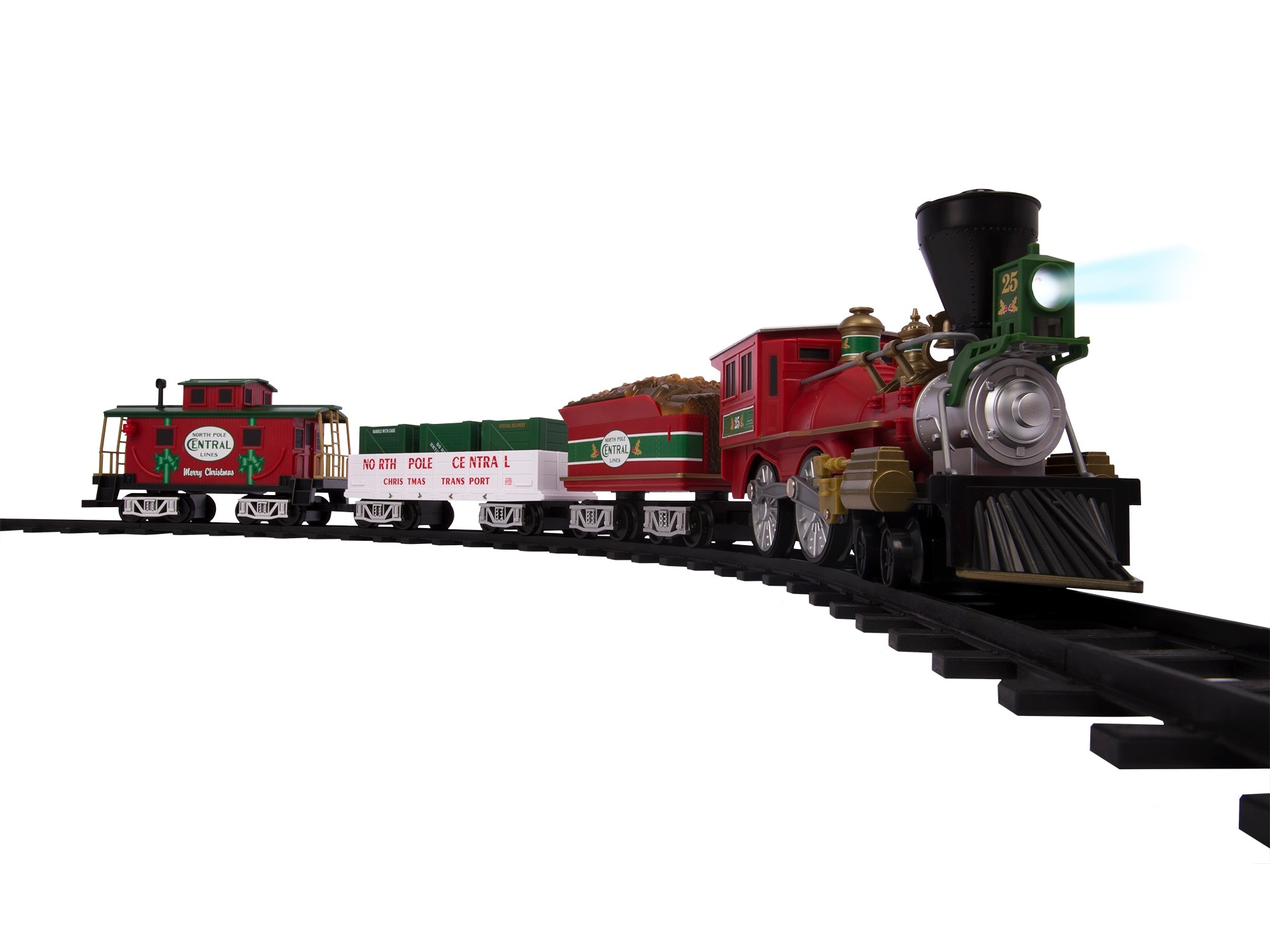
How do you spot a fake or repainted Lionel train before you pay? The Lionel collector market has been around long enough that fakes, undisclosed repaints, frankenpieces (locomotives assembled from parts of different eras), and outright counterfeits all exist — and they cost serious money to unsuspecting buyers. This vibetrains.com guide walks you through the warning signs of fake Lionel trains, the authentication techniques collectors use, and how to protect yourself before buying postwar, vintage, or premium modern pieces.
Quick Answer: How to Spot Fake Lionel Trains
Five quick checks before buying. 1. Verify the model number against Greenberg's Guide — does the road name, paint scheme, and detail match what the catalog says? 2. Inspect the paint under magnification — repaints show brush marks, paint thickness, and color slightly off from factory original. 3. Check the original box — fakes often come without boxes, or with reproduction boxes that don't quite match factory printing. 4. Look at component consistency — postwar parts and modern reissue parts shouldn't be mixed on one locomotive. 5. Buy from established dealers with return policies — established Lionel dealers stake their reputation on authentication.
The Three Categories of "Fake" Lionel
Not all fakes are the same. Understanding the categories helps you assess risk. Outright counterfeits — pieces produced by third parties to look like genuine Lionel. Rare in O-gauge but exists at the very top of the market (rare 700E variants, certain 2360 GG1 variations). Undisclosed repaints — original Lionel pieces that have been repainted to a more valuable variation (a common color repainted to a rare scheme). Most common form of "fake." Frankenpieces — locomotives assembled from parts of multiple Lionel pieces, often mixing eras. Common with locomotives that had components scavenged for parts.
Warning Sign 1: Paint That's Slightly Off
Original factory Lionel paint has subtle characteristics that are hard to replicate. Brush marks visible under magnification on a repaint where factory paint is smooth. Color slightly different shade — paint matching is notoriously difficult and most restored or repainted pieces are 5-10% off in hue. Paint thickness inconsistent — factory paint is uniform; hand repaints have thin spots and thick spots. Paint coverage in places it shouldn't be — original Lionel factory paint stops at defined points; repaints often have paint on screws, rivets, or interior surfaces. Use a 10x loupe to inspect questionable pieces.
Warning Sign 2: Lettering That Doesn't Match the Era
Lionel changed lettering styles, font choices, and printing methods multiple times across the company's history. Postwar lettering is distinct from modern reissue lettering. Real-world checks: Original printing has slight imperfections — small ink variations and edge fuzziness that come from rubber-stamp era printing. Modern decals are perfectly crisp — too crisp on a piece claimed to be 1955. Reproduction decals are often available aftermarket — collectors know which decals are widely reproduced (the Western Pacific yellow feather, the New York Central Lightning Stripe, certain Pennsylvania GG1 lettering). Be suspicious of perfectly fresh lettering on a piece advertised as "original finish."
Warning Sign 3: Parts From Different Eras
Frankenpieces are surprisingly common — a postwar Lionel locomotive with a tender from a different production year, or a modern reissue cab on an older chassis. Look for: Couplers that don't match — postwar and modern Lionel use different coupler designs. A 1953 locomotive shouldn't have modern operating couplers. Wheels that don't match — wheel design evolved; mismatched wheels on a locomotive consist are a giveaway. Electronics that shouldn't be there — TMCC or LEGACY electronics in a locomotive advertised as postwar means a modern reissue, not an original.
Warning Sign 4: Boxes That Don't Match
Original Lionel boxes have era-specific characteristics. Postwar boxes use orange and white printing with specific font choices that varied by production year. Reproduction boxes are widely available for popular postwar pieces — collectors print boxes to dress up pieces lacking originals. The box weight and cardboard texture often differs from factory original. The original styrofoam or molded paper inserts should be present and undamaged — replacement inserts are an immediate red flag. A piece in a reproduction box isn't fake per se, but it shouldn't command original-box pricing.
Warning Sign 5: Prices That Seem Too Good
The simplest authentication test: if a piece is priced significantly below market, ask why. Established Lionel dealers price near market because they have to make money over time and they know the market. A piece priced 50-70% below comparable sales is either damaged, restored, fake, or stolen. Check current market prices via the Greenberg's Guide current edition, recent eBay sold listings, and our Lionel value guide before paying for any expensive piece.
How to Authenticate Premium Modern Lionel (Vision Line, LEGACY)
For modern Lionel, authentication centers on the original box, paperwork, and electronics. Original boxes should be present with foam inserts intact. Original paperwork (instruction manual, warranty card, occasionally a serialized authenticity card on Vision Line) should be included. Electronic firmware can be checked via the LEGACY system — if the unit registers correctly with the command base and produces all advertised sound effects, it's almost certainly genuine. Counterfeit modern Lionel is rare because the electronics are difficult to replicate convincingly. For more on modern Lionel command systems, see our TMCC vs LEGACY guide.
How to Authenticate Postwar Lionel
Postwar Lionel authentication requires more expertise. Reference Greenberg's Guide — the standard reference catalogs every postwar production year with photos and variations. Compare to known authentic examples — visit train shows or look at established dealer listings to see what genuine factory finish looks like. Check the underside — original factory markings, rivet plates, and "Made in U.S.A." stamping should match the production year. For postwar specifically, see our postwar Lionel collecting guide.
Where to Buy Safely
The safest way to avoid fakes is to buy from established dealers with return policies and reputation at stake. Trainz, Public Delivery Track, Mario's Trains, and Charles Ro all stake their reputation on authentication. For more, see our where to buy guide. Train shows where you can inspect pieces in person before buying are also safer than blind online purchases. eBay and other open marketplaces carry the highest risk — buy only from established sellers with long histories and detailed photos.
What to Do If You've Bought a Fake
If you discover after purchase that a Lionel piece is fake, restored without disclosure, or otherwise misrepresented: 1. Document the issue with detailed photos comparing to known authentic examples. 2. Contact the seller for refund or partial refund within their stated return window. 3. If the seller refuses, escalate — eBay and similar marketplaces have buyer protection programs. Credit card chargebacks are an option for high-value disputes. 4. Report repeated bad actors to the TCA and to other dealers in the community — the Lionel collector network is small and bad reputations spread quickly.
Frequently Asked Questions
Are fake Lionel trains common? Outright counterfeits are rare; undisclosed repaints and frankenpieces are more common. Most issues affect higher-value pieces ($500+) where the financial motivation justifies the effort.
How can I tell if a Lionel train is repainted? Look for brush marks under magnification, color slightly off from factory original, paint on screws or interior surfaces, and lettering that's too crisp or perfectly fresh. Original factory paint has consistent thickness and stops at defined edges.
What is the most commonly faked Lionel train? Certain rare postwar color variations (2360 GG1 five-stripe, Western Pacific Feather 6464 boxcars, rare F3 road names) are the most commonly faked because the value differential between the common and rare variations justifies the repaint effort.
Should I get expensive Lionel pieces appraised? For pieces valued $500+, yes — a TCA-certified appraiser provides authentication documentation that protects you for insurance and resale.
Do reproduction boxes lower a Lionel piece's value? Yes. A piece with original box commands 20-50% more than the same piece in a reproduction box. Reproduction boxes should be disclosed by the seller and priced accordingly.
Final Word
Spotting fake Lionel trains comes down to knowing what genuine factory finish looks like, where to find authentication references, and where to buy from established dealers with skin in the game. Spend time learning the genuine appearance of pieces in your target collecting area before you spend money. When in doubt, walk away or get a second opinion. The hobby is full of genuine pieces — there's no need to gamble on questionable ones. For more on building a Lionel collection safely, see our postwar collecting guide and our Lionel value guide.
Newsletter
Weekly O-gauge tips & reviews
New reviews, layout ideas, and hobby news — straight to your inbox.