Collecting Postwar Lionel Trains: A Beginner's Guide for 2026
May 26, 2026
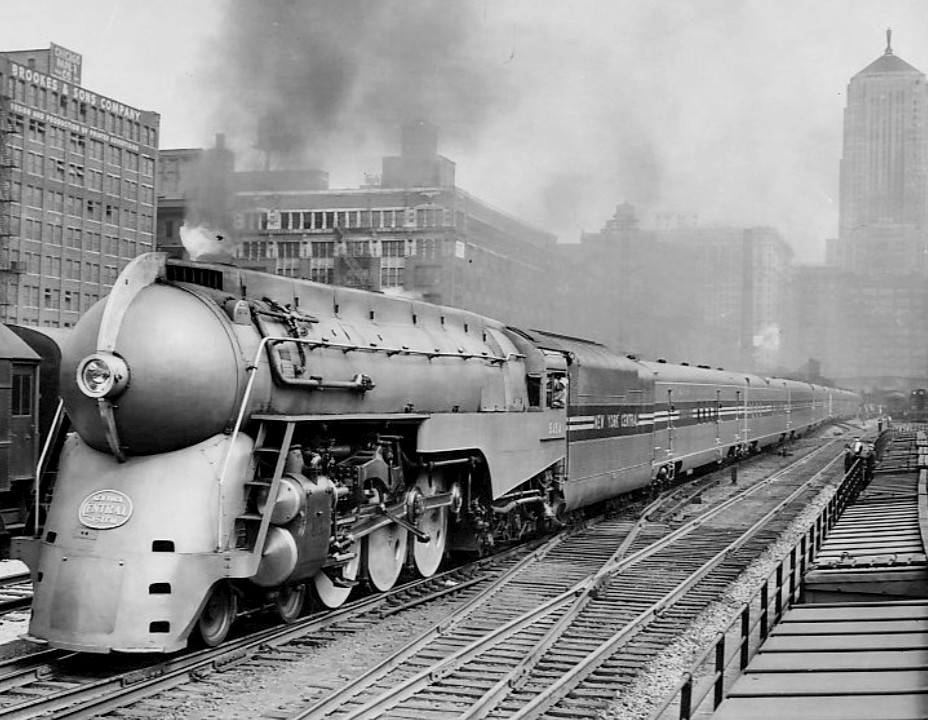
The postwar era — 1945 to 1969 — is the golden age of Lionel trains, and it's where most serious O-gauge collectors eventually find themselves. These are the trains that defined American model railroading: heavy die-cast locomotives, operating accessories that still work after seventy years, and a build quality that modern collectors prize. But postwar collecting has its own rules, its own pitfalls, and its own vocabulary. This vibetrains.com guide will help you start a postwar Lionel collection in 2026 without overpaying or getting burned.
What "Postwar" Actually Means
Postwar refers specifically to Lionel production from 1945 (when the company resumed civilian manufacturing after World War II) through 1969 (when the original Lionel Corporation ceased its own train production). These years produced the locomotives and accessories most collectors think of as "classic Lionel" — the 2037 steam locomotive, the F3 diesel ABA sets, the 736 Berkshire, the operating milk car, the coal loader. Trains from before 1945 are "prewar"; trains made after 1969 under various corporate successors are "modern." Postwar sits in the sweet spot of nostalgia, availability, and quality.
Why Collect Postwar Lionel
Three reasons. First, build quality — postwar Lionel was made from die-cast metal and heavy stamped steel, built to survive decades of rough play by children, and most of it still runs today with minimal service. Second, nostalgia — these are the trains that ran around millions of American Christmas trees, and for many collectors the hobby is about recapturing that memory. Third, value stability — quality postwar pieces have held or appreciated in value over decades, making collecting both a hobby and a modest store of value. Unlike many collectibles, postwar Lionel has an active, knowledgeable market that makes buying and selling straightforward.
Understanding Condition Grading
Postwar Lionel is graded on the TCA (Train Collectors Association) scale, and understanding it is essential before you spend a dollar. The scale runs from Poor through Fair, Good, Very Good, Excellent, Like New, and finally C-10 Mint. For most collectors, "Excellent" (C-7) is the practical target — clean, complete, fully operational, with minor honest wear. "Like New" (C-8/C-9) commands a significant premium. Original boxes add 20 to 50 percent to value. Be skeptical of "restored" or "repainted" pieces — they're worth far less than original-finish examples, and undisclosed repaints are the most common way new collectors overpay. When in doubt, buy from a dealer who guarantees condition. Our guide to where to buy trains covers dealers known for honest grading.
The Best Postwar Pieces to Start With
For a first postwar purchase, you want something iconic, reliable, and not too expensive. The Lionel 2037 (a 2-6-4 steam locomotive made in huge numbers) is affordable, runs beautifully, and is genuinely representative of the era. The 027 F3 diesels in Santa Fe warbonnet scheme are gorgeous and common enough to be affordable. The 6464 series boxcars are the classic postwar freight car — collectible, attractive, and available in dozens of road names at modest prices. Operating accessories like the 497 coaling station or the 397 coal loader add play value and are quintessentially postwar. Start with common, high-quality pieces and refine your collection as you learn.
What to Avoid as a Beginner
Avoid four things early on. First, rare high-value pieces (the 2360 GG1, certain color variations) until you know enough to authenticate them — they're heavily faked. Second, anything described vaguely as "untested" or "for parts" unless the price reflects the risk. Third, restored or repainted pieces sold at original-finish prices. Fourth, incomplete sets missing key cars or accessories — you'll spend more sourcing the missing pieces than buying a complete set would have cost. Patience is the postwar collector's greatest asset; the piece you missed will come around again.
Running vs Displaying
A key decision: do you want to run your postwar trains or display them? Running postwar Lionel is one of the great joys of the hobby — these locomotives were built to run and most do so happily on modern track. But running adds wear, and high-value collector pieces are often better displayed than operated. Many collectors keep a "runner" collection of common pieces for actual operation and a "shelf" collection of pristine examples for display. Postwar Lionel runs on the same three-rail track as modern Lionel, so you can integrate vintage and modern on the same layout. For maintenance specific to older locomotives, see our cleaning and maintenance guide.
Where to Learn and Buy
The Train Collectors Association (TCA) is the central organization for postwar collecting — membership gives you access to authentication resources, a national network of collectors, and the big TCA meets. The Greenberg's Guide to Lionel Trains is the standard reference for identification and values; every serious collector owns a copy. For buying, train shows (especially York) are the best venue for inspecting condition in person, while Trainz, Mario's Trains, and other established dealers offer graded pieces with guarantees. For the 2026 show calendar, see our train show guide.
Building Your Collection Over Time
The best postwar collections are built with focus. Pick a theme — a single road name, a specific year, operating accessories, a particular locomotive type — and build depth rather than buying randomly. A focused collection is more satisfying to assemble, more valuable as a unit, and more interesting to other collectors. Document everything: what you paid, condition, provenance. Over years, a thoughtfully built postwar collection becomes both a personal museum of the golden age of American toy trains and a genuine asset. That's the vibe of postwar collecting.
Final Word
Postwar Lionel is the deep end of the O-gauge hobby — and one of the most rewarding. Start with common, high-quality, original-finish pieces. Learn condition grading before you spend. Buy from dealers who guarantee what they sell. And run what you can, because these trains were built to run and there's nothing like watching a seventy-year-old Berkshire pull a freight around your layout. For modern alternatives that capture the same feel, see our best locomotives under $300 guide.
Newsletter
Weekly O-gauge tips & reviews
New reviews, layout ideas, and hobby news — straight to your inbox.