How to Hunt Postwar Lionel at York Train Show: Complete 2026 Rarity-Finding Guide
October 22, 2026
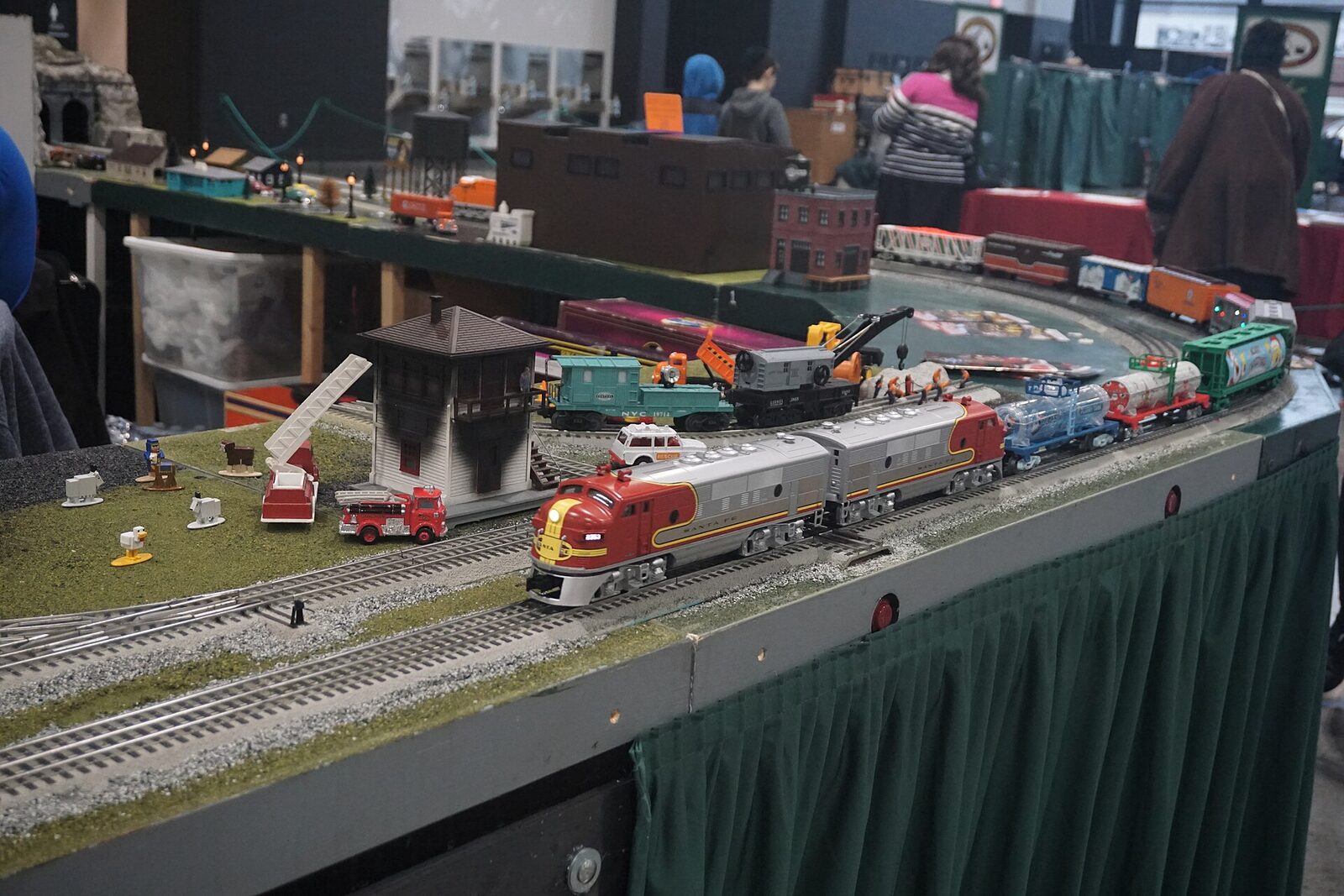
York Train Show is the single best place in North America to hunt for specific postwar Lionel rarities. Thursday evening preview through Saturday afternoon, dozens of specialty postwar dealers converge on York Expo Center with inventory that includes pieces you simply won't find anywhere else, not on eBay, not at your local hobby shop, not at any other show. This complete 2026 guide covers how to hunt postwar Lionel at York: what to look for, where to look, how to inspect pieces, pricing dynamics, and the specific category knowledge that separates productive postwar hunts from wasted laps around the show floor.
Why York for Postwar
Postwar Lionel hunting rewards York attendance three ways:
Specialty dealer concentration. York draws postwar specialty dealers from across the country. Many only exhibit at York twice yearly. Their inventory doesn't appear online.
Live inspection. Postwar authentication benefits dramatically from hands-on inspection. Original paint, authentic parts, box condition: all visible in person in ways photos miss.
Negotiation potential. York pricing has real negotiation flexibility on postwar pieces. Specific pieces that would list at MSRP on eBay often negotiate to 15-25% below sticker at York.
Relationship building. Postwar collecting is relationship-heavy. York is where you build dealer relationships that compound across years of future hunts.
What to Hunt by Category
Postwar Steam Locomotives
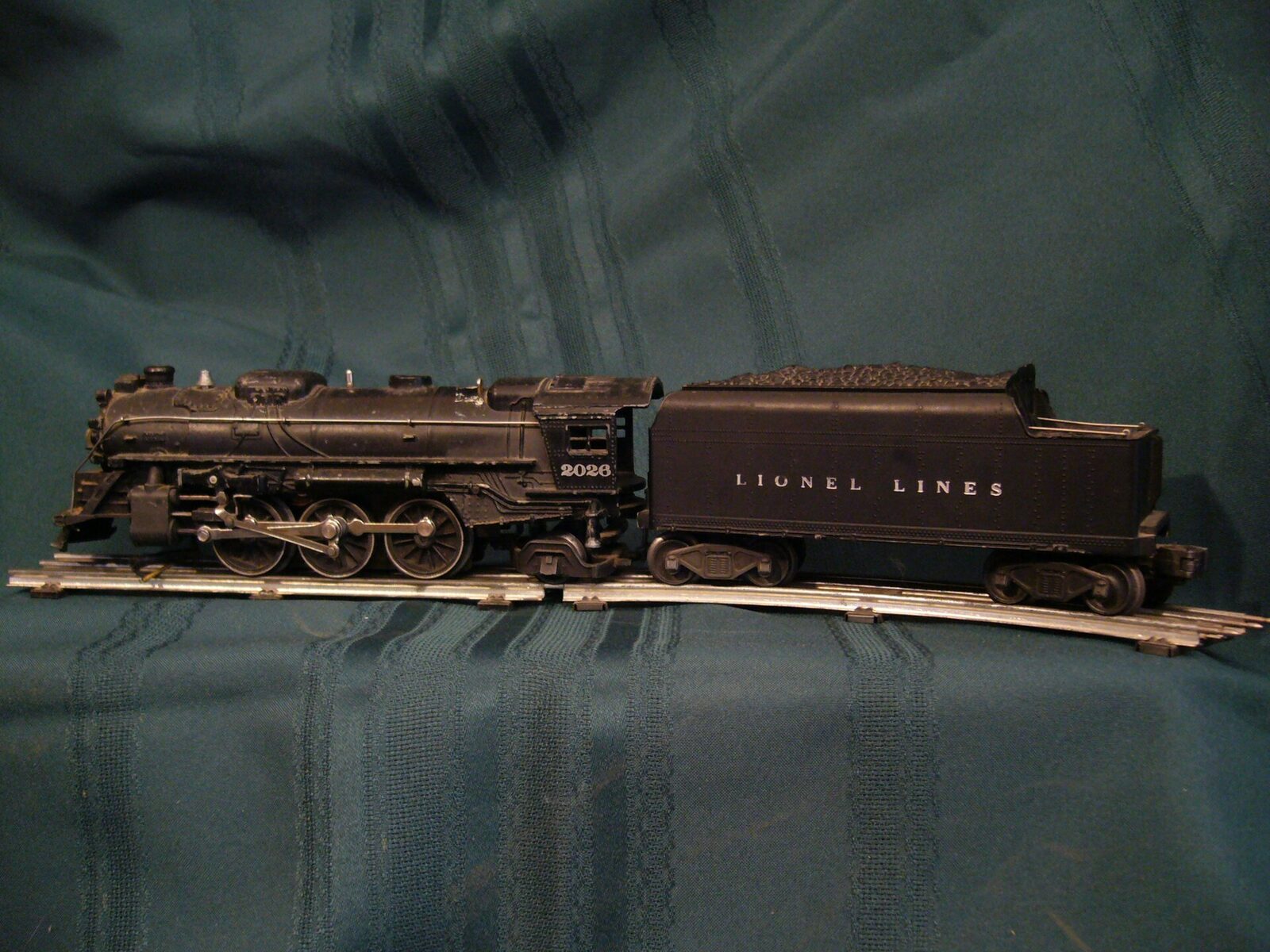
Hudsons (773, 2065, 646, specific variants): Standard Hudsons widely available. Watch for specific rare variants: 773 variants with specific tender configurations, Daylight Hudsons, specific road numbers.
Berkshires (726, 736, 2065): Standard postwar Berkshires $200-$400. Watch for 726 and 736 variants with specific features, early production variants, specific tender combinations.
Pacifics (627, 2056): Common postwar Pacific types $175-$350. Specific road name variants and tender configurations command premium.
Switchers (1615, 1120, 42): Common postwar switchers $100-$250. Watch for specific color variants and documented factory errors.
Rarities to prioritize: 408E (prewar), early 400E variants, 773 specific variants with Southern Pacific or ATSF detailing.
Postwar Diesels
GP-series (218, 614): Common postwar GP-type diesels $75-$200. Watch for specific road number variants in less-common paints.
F-units (2343, 2353, specific road names): Standard F3/F7 units $150-$350. Specific road name variants and A-A-B-A combinations command premium.
FA-type (6202, 6250): Common FA diesels $75-$150. Watch for rare paint variants.
Rarities to prioritize: Specific F3/F7 road names in rare paint variants, early production FA units, documented factory errors.
6464 Boxcars (the serious hunt)
The 6464 category is where many York hunters focus. The strategy:
Tier 1 (common, $30-$80): Standard road names available at any booth. Not what you're hunting at York.
Tier 2 ($80-$200): Distinctive regional variants. Available at mid-tier booths. Buy as encountered.
Tier 3 ($200-$500): Specific sought-after variants. Walk the specialty postwar dealers systematically. These sell fast.
Tier 4 ($500-$1,200): Documented rarities. Watch specialty dealers' displays carefully. Multiple variants documented at specific dealers.
Tier 5 ($1,200-$3,000+): Factory errors and extremely limited variants. Usually prominently displayed by specialist dealers. Verify authenticity carefully.
Postwar Freight Cars
Beyond 6464s:
Postwar hoppers (6456, 6476): Common types $25-$75. Watch for rare paint variants and specific road names.
Postwar tank cars (6465, 6555): Common types $25-$75. Specific rare paint variants command $200+.
Postwar operating cars (3484, 3356, specific operating boxcars): Operating cars with original mechanisms $75-$300. Verify operation before buying.
Postwar flatcars (6424, 6430): Common types $30-$100. Specific load variants command premium.
Postwar Passenger Cars
Postwar passenger cars suffer from damage during use. Hunt for:
Streamliner passenger cars (specific road names): California Zephyr, Super Chief, specific Pullman variants $150-$450. Watch for cars with original lighting intact.
Heavyweight passenger cars (specific variants): Less common than streamliners. $75-$300 depending on variant and condition.
Observation and dome cars: Specific road name variants command premium. $100-$350 typical.
Postwar Accessories
Postwar accessories often undervalued. Hunt for:
Operating accessories (coal loader, cattle corral, log loader): Working condition essential. $75-$250 for pieces in operating condition with original packaging.
Buildings (Lionelville houses, station variants): Specific color variants and complete sets command premium. $25-$150 depending on variant.
Signal and street lamp sets: Original packaging and complete sets $50-$200.
Postwar transformers (ZW, KW, LW): Working condition $100-$450. ZW especially sought after. Verify operation before buying.
Where to Hunt in the Show
Not all booths carry postwar inventory. Target systematically:
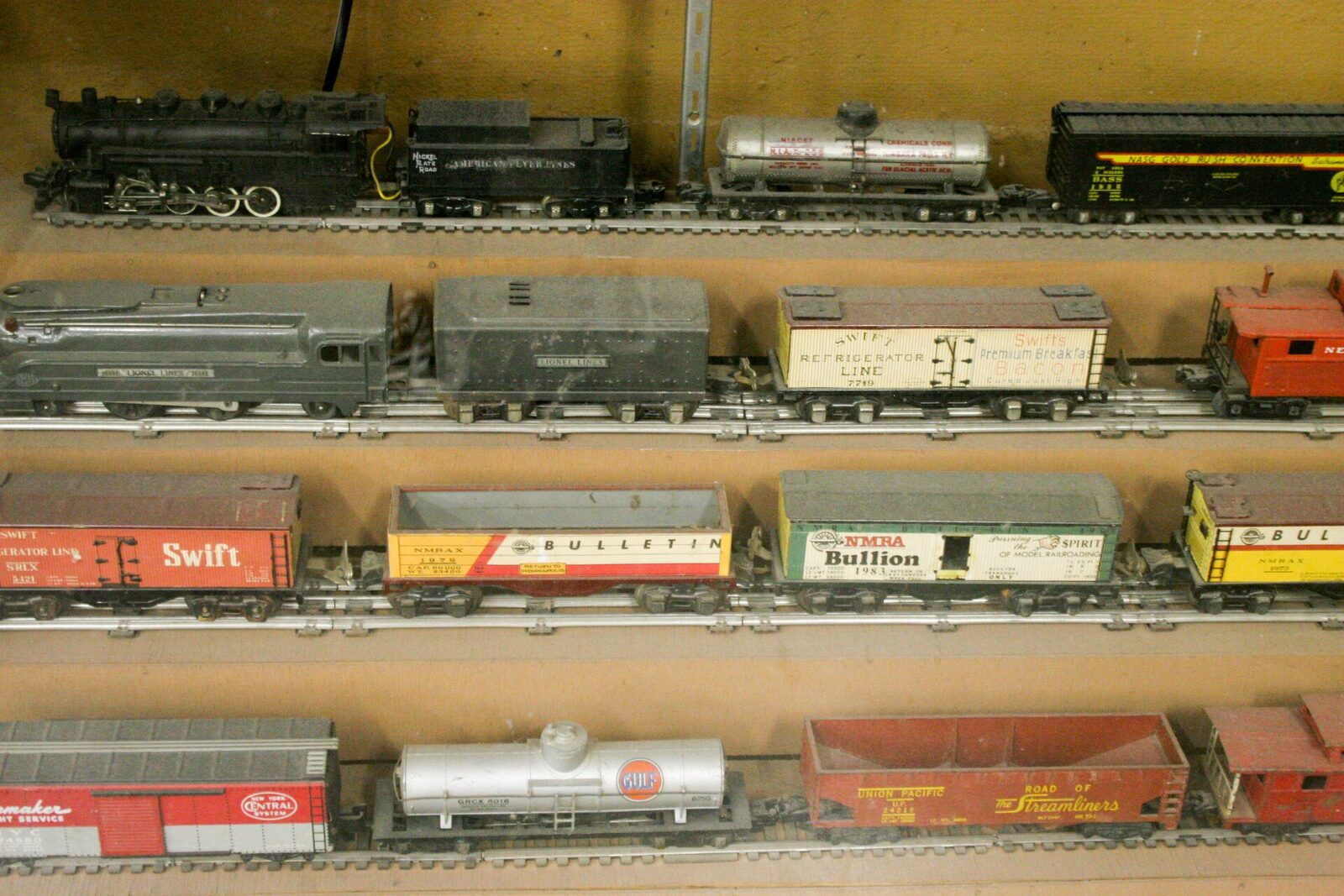
Specialty postwar dealers (identified by signage and consistent attendance): Main targets. Walk through main building first to identify specialty postwar booths.
Established multi-era dealers: Mid-tier dealers often have postwar sections. Walk these second after specialty dealers.
Casual dealers (individual sellers): Last. Lower volume but occasional underpriced finds.
Operating displays with sales: Specific operating layouts have adjacent sales. Watch for pieces removed from operation and offered.
Avoid impulse purchases: First-time York attendees often buy early and then find better pieces later for less. Walk the whole show before committing to significant purchases.
Specific Inspection Checklist
When evaluating postwar pieces:
Original paint: Postwar paint has distinctive application characteristics. Look for consistent texture, correct color depth. Repaints often look overly uniform or wrong color depth.
Original parts: Trucks, couplers, pilot wheels, specific detail parts, all should be original Lionel postwar production. Replacements significantly reduce value.
Operating condition (locomotives): Request operation demonstration. Dealers routinely allow test operation. Verify motor runs smoothly, lights work, horn/whistle functions.
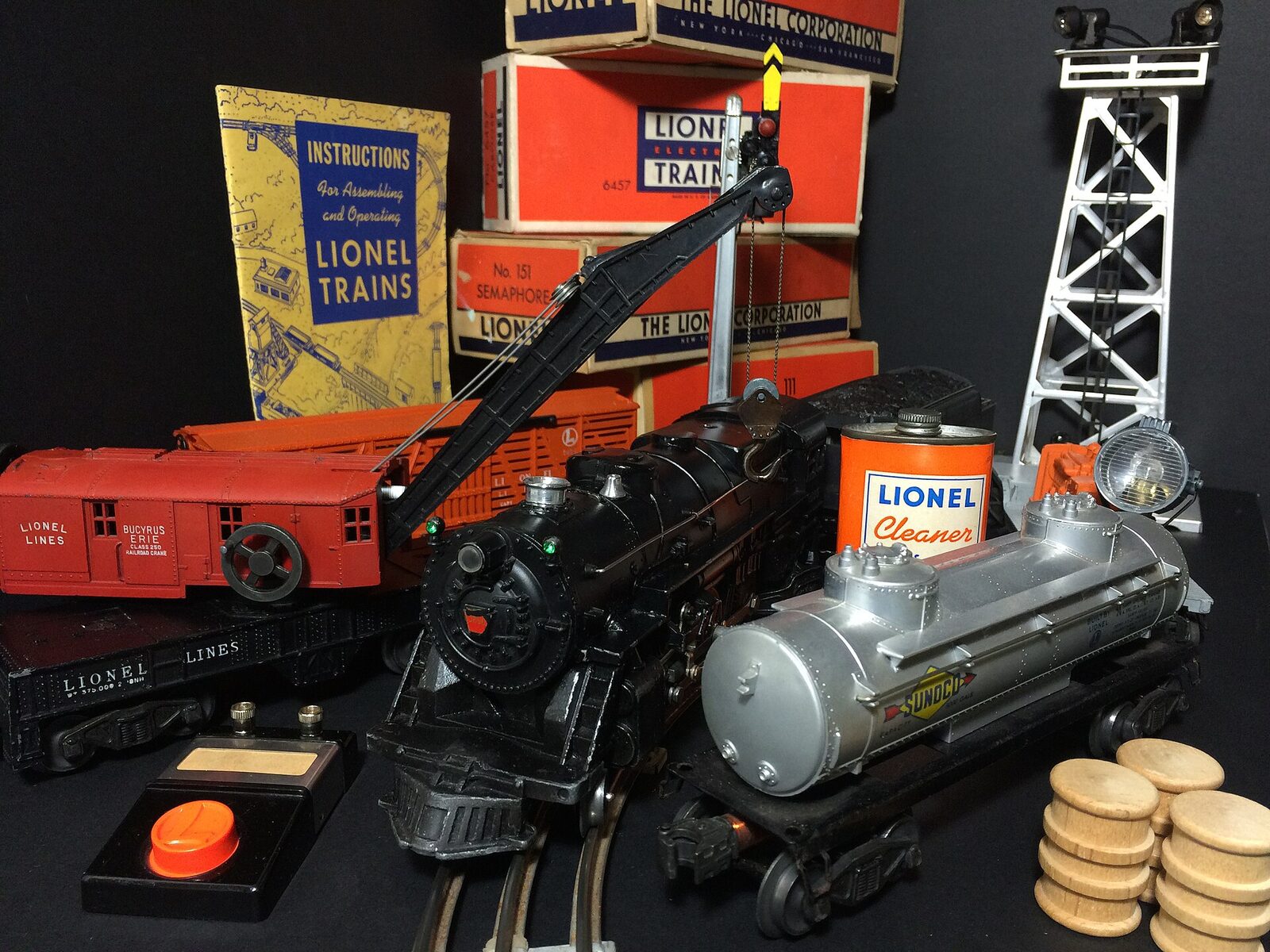
Original box condition: Box condition contributes significantly to value. Even damaged original boxes add value over no box.
Document labels and markings: Specific postwar date markings and factory stamps identify production era. Verify consistency.
Chassis condition: Inspect underside. Rust, corrosion, previous mechanical repair all affect value.
Previous restoration or repair: Ask the dealer directly. Reputable dealers disclose any previous restoration work.
Negotiation on Postwar
Postwar negotiation specific dynamics:
Common postwar ($50-$200): 10-15% negotiation typical. Modest flexibility.
Mid-tier postwar ($200-$500): 15-20% negotiation typical. Standard range.
Premium postwar ($500-$1,500): 10-25% negotiation potential. Depends on condition issues, dealer relationship, timing.
Rare postwar ($1,500+): 10-20% negotiation on established-dealer pricing. Serious rarities move at or near sticker.
Bundle premium postwar pieces: Multiple-piece bundles negotiate better than single-piece purchases. 15-25% off bundle total common.
Saturday afternoon strategy: Return to pieces you saw earlier Saturday afternoon. Dealers prefer selling to transporting home. Standard negotiation widens.
Documentation Essential
For every postwar purchase at York:
Receipt with specific SKU/piece ID: Essential for future resale documentation.
Dealer contact information: For warranty questions or returns.
Condition notation at purchase: Document agreed-upon condition. Prevents disputes.
Photos at purchase: Phone photos documenting condition. Essential if damage occurs in transit.
Paperwork for any provenance claims: If dealer provides provenance documentation, keep intact.
Frequently Asked Questions
How much cash should I bring for serious postwar hunting?
$500-$2,000 cash for a serious hunt is reasonable. Credit cards accepted at most larger dealers for backup. More for specific premium pieces you've committed to pursue.
Can I bring postwar pieces to sell at York?
Not without a dealer booth. Private sales between attendees do happen but are informal. Consider consignment through established postwar dealers if you have significant collection to liquidate.
What's the best time of day to hunt postwar?
Thursday evening member preview for first-pick premium pieces. Friday morning for serious hunting with full inventory and dealer attention. Saturday afternoon for negotiation.
Should I buy postwar at York vs online?
York for premium pieces where inspection matters and relationship/negotiation matter. Online (eBay, established dealers) for common pieces where price shopping is primary consideration.
Can York dealers tell me what rarities to look for?
Established postwar dealers often share category knowledge with serious buyers. Build the relationship over time.
Verdict
York Train Show is the single best place in North America for serious postwar Lionel hunting. Specialty dealer concentration, in-person inspection, negotiation flexibility, and relationship building all combine. Prioritize specialty postwar dealers, systematically walk the floor before committing to purchases, inspect carefully, document everything. For related guidance, see our 6464 boxcar values guide, our prewar Standard Gauge values guide, our York negotiation guide, our Fall York market watch, and our first-time attendee guide.
Newsletter
Weekly O-gauge tips & reviews
New reviews, layout ideas, and hobby news — straight to your inbox.