Prewar Standard Gauge Lionel Values 2026: Complete Collector's Guide by Rarity Tier
October 21, 2026
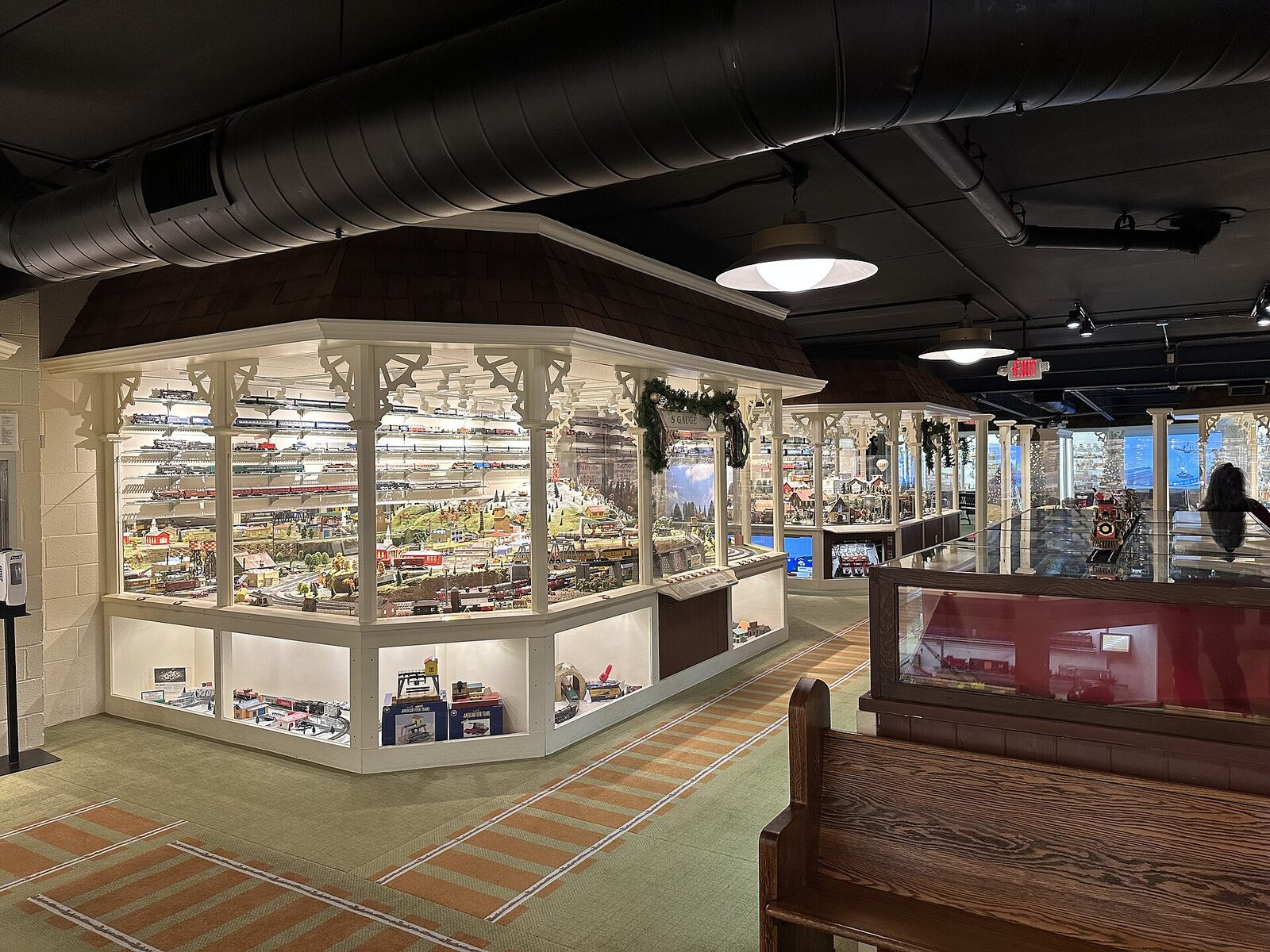
Prewar Standard Gauge Lionel is one of the most desirable collector categories in American toy trains. Produced from 1906 through 1939, Lionel's Standard Gauge pieces defined the "classic" toy train era with massive brass detailing, prototype-inspired construction, and the heavy steel plate that gave Standard Gauge its toy-train-of-legend reputation. Values for prewar Standard Gauge have been rising steadily, with specific pieces now commanding $2,000-$10,000+ at auction. This complete 2026 value guide covers prewar Standard Gauge Lionel values, how to authenticate pieces, where to buy and sell, and the collector market dynamics that make prewar Standard Gauge one of the most interesting categories for serious collectors.
What Is Standard Gauge?
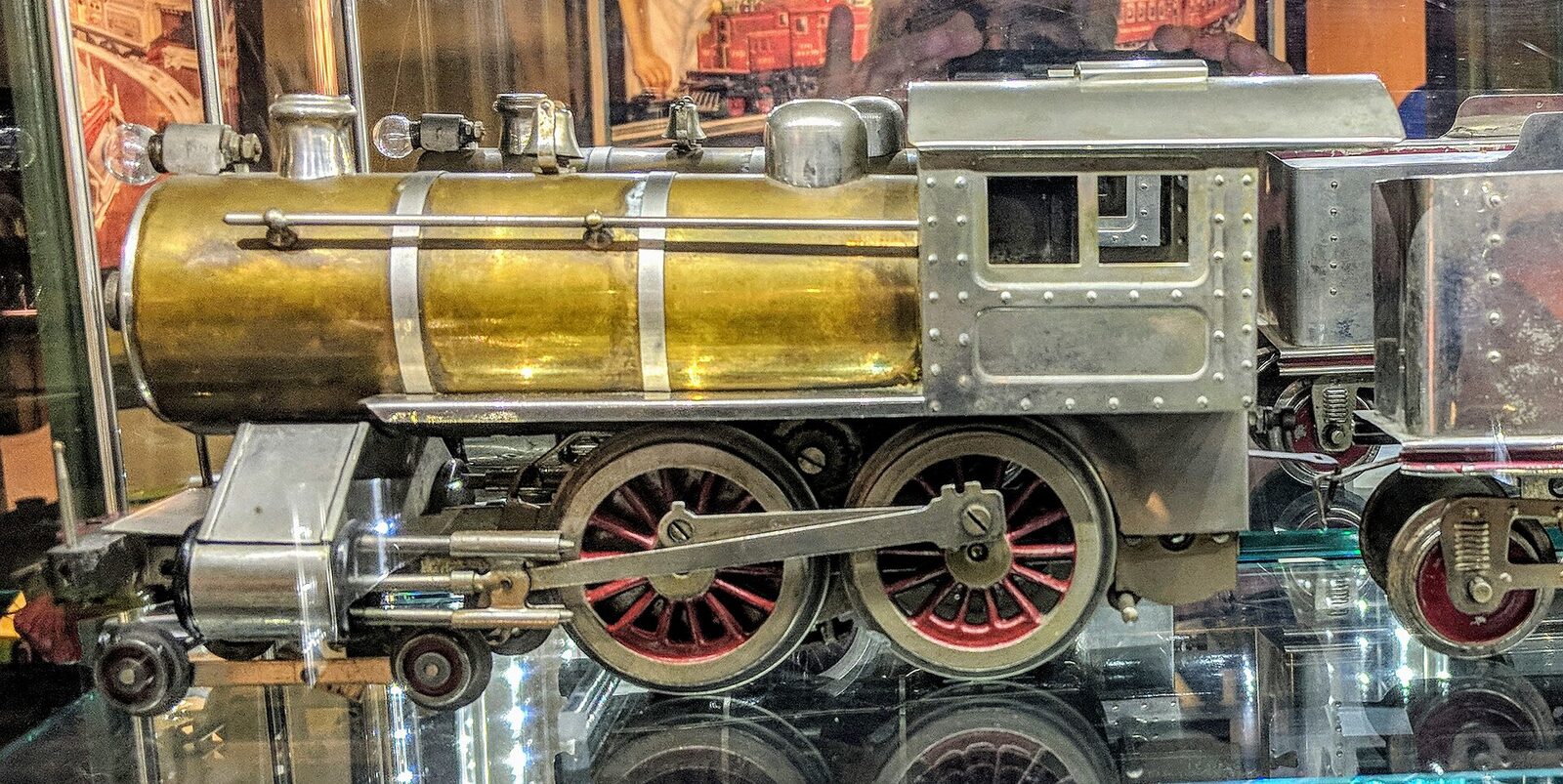
Lionel Standard Gauge is 2 1/8" gauge (track center-to-center) and dates from 1906-1939. Significantly larger than modern O-gauge, Standard Gauge was Lionel's flagship product line during the pre-WWII era. Lionel ceased Standard Gauge production in 1939; Standard Gauge pieces have been collector-only for over 80 years.
Visual characteristics:
- Heavy steel plate construction (not postwar's lighter stamped steel)
- Brass trim and detailing throughout
- Prototype-inspired but toy-scale proportions
- Bright colors (vermillion red, orange, yellow, two-tone paint schemes)
- Visible rivets, prototype-style parts
- Massive compared to modern O-gauge equivalents
Value Tiers for Prewar Standard Gauge
Tier 1: Common Freight Cars ($50-$300)
Standard freight cars from common production runs. Boxcars, flatcars, tank cars, hopper cars in standard paint schemes.
Good condition: $50-$150
Excellent with box: $150-$250
Mint: $200-$350
Tier 2: Common Locomotives and Passenger Cars ($200-$800)
Common Standard Gauge locomotives and passenger consists. Includes 10E electric, early 400E steam engines in standard paint, standard passenger cars.
Good condition: $200-$450
Excellent with box: $400-$650
Mint: $500-$900
Tier 3: Mid-Tier Collector Pieces ($800-$2,500)
Specific desirable prototype representations, distinctive paint schemes, early production variations. Includes specific electric locomotives in rare paint, early steam prototypes.
Good condition: $600-$1,200
Excellent with box: $1,100-$1,800
Mint: $1,500-$2,800
Tier 4: Serious Collector Pieces ($2,500-$6,000)
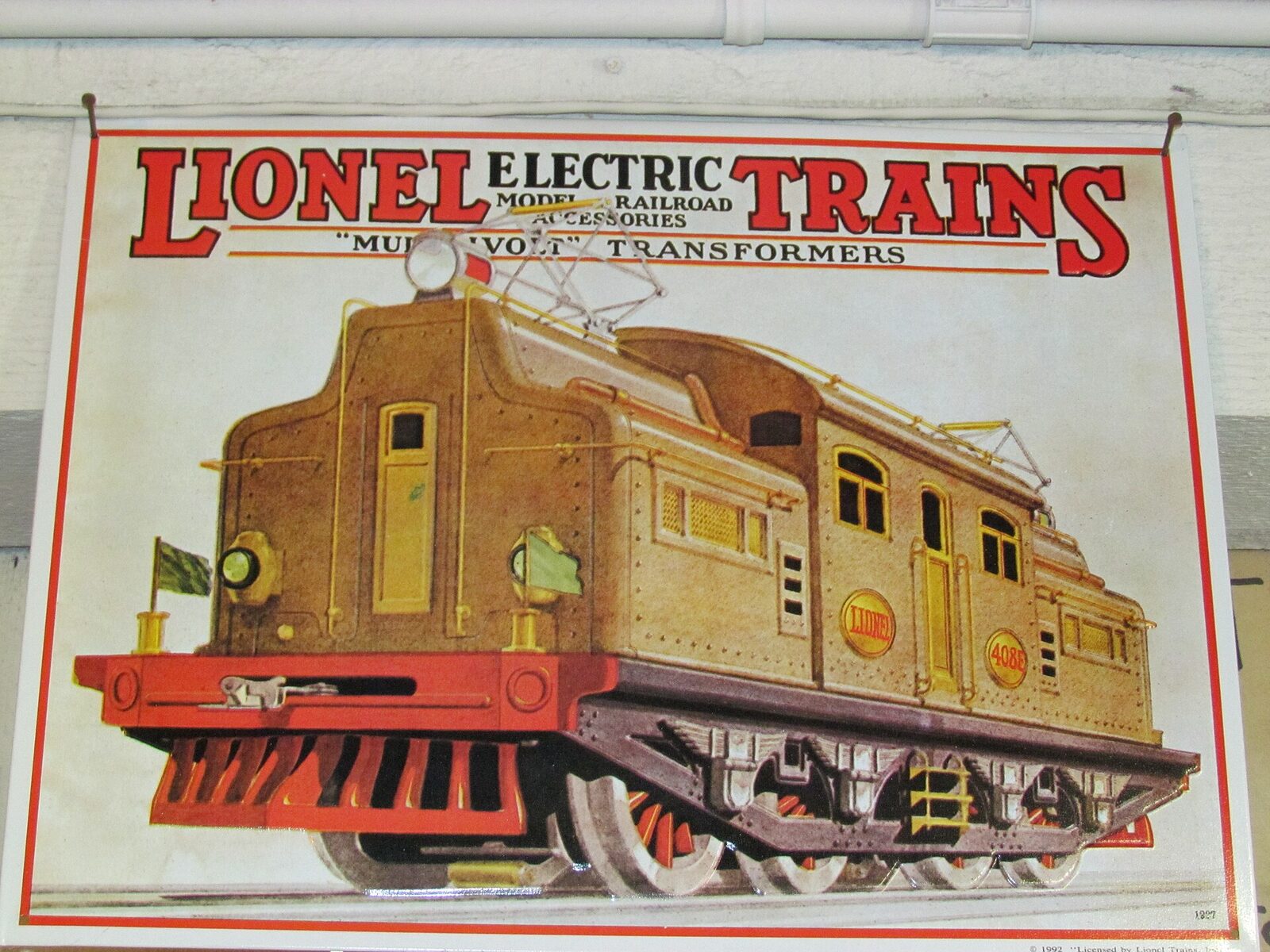
Rare paint schemes, limited production variants, specific desirable prototype pieces. The 408E Milwaukee passenger set, specific 400E steam variants, rare paint schemes on common locomotives all fall here.
Good condition: $2,000-$3,500
Excellent with box: $3,000-$5,000
Mint: $4,500-$7,500
Tier 5: Elite Collector Pieces ($6,000-$15,000+)
The absolute top of the prewar Standard Gauge market. Specific factory errors, extremely limited production runs, prototype pieces in extraordinary condition with full original packaging.
Good condition: $5,000-$8,000
Excellent with box: $8,000-$12,000
Mint: $12,000-$25,000+
Specific Prototype Pieces to Know
10E Electric Locomotive: One of the most common Standard Gauge electric prototypes. Standard variants $150-$400. Rare paint variants and specific road number pieces $400-$1,500.
400E Steam Locomotive: The signature prewar Standard Gauge steam prototype. Standard 400E $400-$900. Specific rare variants (brass trim, specific paint schemes) $1,200-$3,000+.
408E Electric with Passenger Set: One of the most desirable Standard Gauge sets. Complete sets in excellent condition $3,500-$7,500+.
263E Steam: Later production prewar steam prototype. $400-$1,000 depending on condition and road name variant.
42 Electric: Early New York Central-style electric prototype. Rarer than 10E. $600-$1,800 typical.
Blue Comet Set: Streamlined prewar passenger prototype. One of the most collector-sought Standard Gauge sets. Complete sets $5,000-$12,000+.
Hiawatha Set: Streamlined Milwaukee Road passenger prototype. Highly collectable. Complete sets $4,000-$10,000+.
Authentication: What to Verify
Standard Gauge authentication is specialized. Key verification points:
Original paint and finish: Prewar paint has specific application characteristics. Modern repaints often look wrong under careful inspection. Original finish is essential for peak value.
Original brass trim: Brass trim pieces are often damaged or replaced. Original brass with authentic patina adds significant value.
Correct lettering and decals: Period-correct lettering style is distinctive. Modern reproductions have specific identifiable differences.
Mechanical originality: Internal mechanisms, wheels, trucks all should be original Lionel prewar parts. Replaced parts significantly reduce value.
Date markings: Many prewar pieces have specific date markings and production codes. Correct markings for the piece are essential.
Original packaging: Prewar Standard Gauge boxes are extremely rare. Pieces with original boxes command 50-100% premium over equivalent unboxed condition.
Provenance: Established collector provenance adds value and reduces authentication risk.
Where to Buy Prewar Standard Gauge
York Train Show (twice yearly): The single largest prewar Standard Gauge market. Multiple established specialty dealers carry significant inventory.
Stout Auctions: Specializes in high-end collectible trains including Standard Gauge. Published auction catalogs with detailed condition descriptions.
Lloyd Ralston Toys: Established auction house with regular Standard Gauge consignments.
Specialty prewar dealers: A handful of dealers nationally specialize specifically in prewar Standard Gauge. Established dealers include Standard Gauge Train Express and specific York-attending specialty operations.
eBay: Active prewar market but requires careful attention to condition and authentication. Established eBay sellers with 500+ sales and detailed condition photography provide reasonable security.
TCA regional meets: Prewar enthusiasts attend TCA regional meets. Private party sales common at these events.
Estate sales: Occasionally yield spectacular finds. Research the specific pieces before purchase.
Building a Prewar Standard Gauge Collection
Approaches for prewar Standard Gauge collecting:
Era focus: Early period (1906-1920), middle period (1921-1931), or late production (1932-1939). Each has distinct character and collector market.
Prototype focus: Electric locomotives, steam locomotives, or specific prototype representation across both.
Road name focus: Specific prototype railroads (PRR, NYC, New Haven, Blue Comet). Limited prototype representation but focused collection scope.
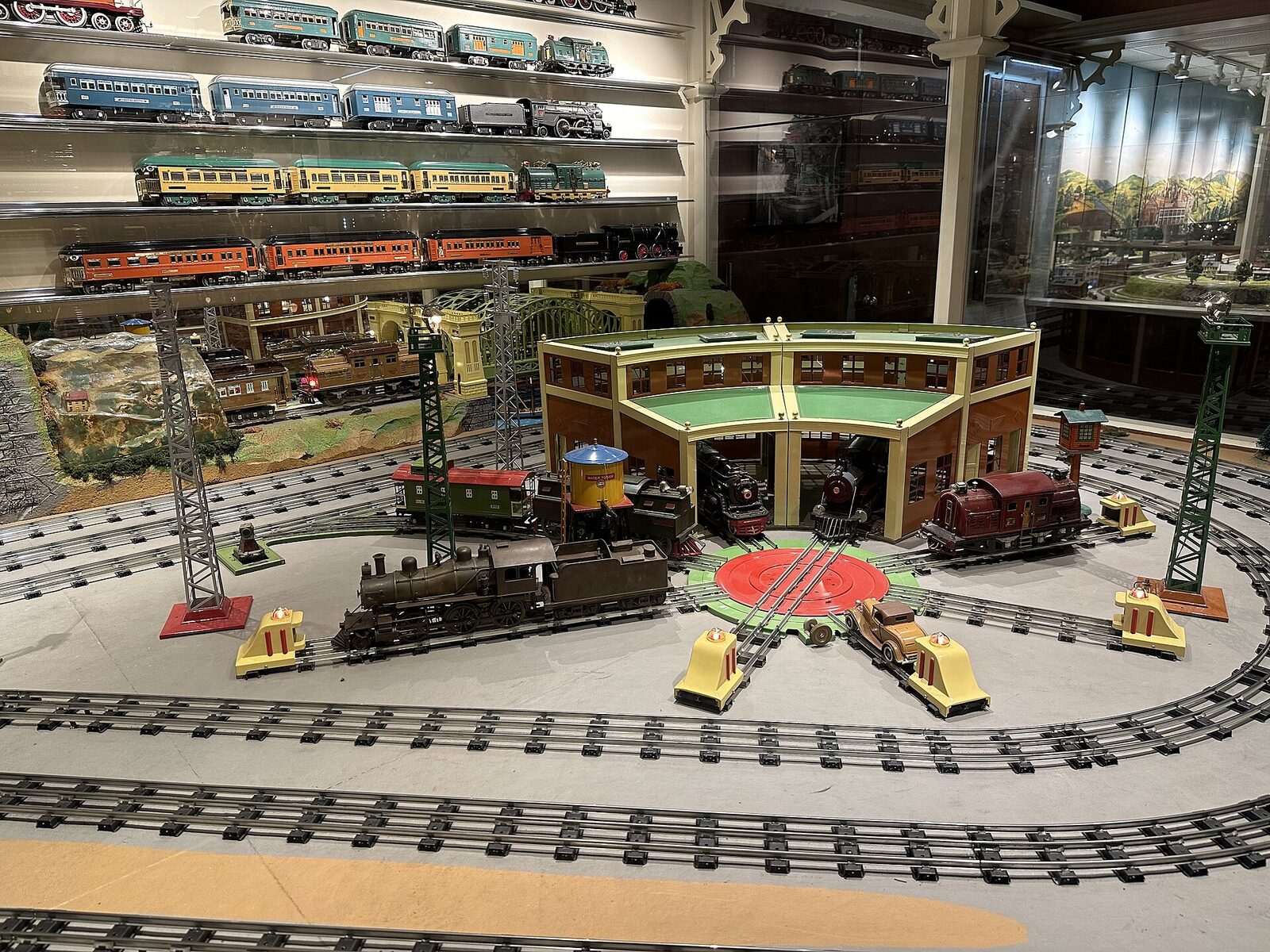
Set completion: Build out complete original sets (locomotive + coordinated passenger or freight consist). Highest ultimate value approach.
Rarity focus: Concentrate on documented rare variants. Smallest collection but highest per-piece investment.
Market Dynamics
Current market trends (2026):
Prices rising for premium pieces: Tier 4 and Tier 5 Standard Gauge values have appreciated 15-25% over the past 2-3 years. Driven by maturing collector base and limited supply.
Common pieces stable: Tier 1-2 common pieces hold at historical pricing without significant appreciation but strong floor pricing.
Condition premium widening: Mint condition pieces increasingly command disproportionate premium over equivalent-model good-condition pieces.
Original packaging increasingly valued: Standard Gauge pieces with original packaging commanding growing premium, reflecting both scarcity of surviving boxes and collector preference.
Specific prototype demand: Blue Comet, Hiawatha, and specific electric locomotive variants show strongest ongoing demand.
Reference Materials
Greenberg's Guide to Lionel Prewar Trains: The essential reference for prewar Lionel including Standard Gauge. Updated across editions with current values. $75-$125 for current edition.
TCA Standards Guide: Published condition grading standards used across the hobby. Essential for consistent condition evaluation.
Specialty publications: O Gauge Railroading, Classic Toy Trains, and Model Railroader all cover prewar Standard Gauge periodically with condition and market insights.
Collector forums: OGR Forum, Trainz forums, and specific prewar-focused collector groups provide ongoing market insight and authentication guidance.
Frequently Asked Questions
How can I tell real prewar from modern reproduction?
Weight and construction. Original Standard Gauge is heavier than reproductions. Paint texture is distinctive. When in doubt, consult established prewar dealers.
What's the most valuable Standard Gauge piece?
Specific rare factory errors and limited paint variants on 400E and 408E have sold at auction for $15,000-$25,000+ in mint condition with original packaging.
Should I restore damaged prewar pieces?
Generally no. Original condition is nearly always worth more than restored. Only pursue restoration for severely damaged pieces where restoration is the only path to display or operation.
How do I ship Standard Gauge pieces safely?
Original boxes essential if available. Otherwise careful double-boxing with substantial packing material. White-glove shipping for premium pieces.
Can I operate prewar Standard Gauge today?
Yes, with appropriate transformers (older prewar transformers or modern equivalents at Standard Gauge voltages). Many collectors operate select pieces for occasional display.
Verdict
Prewar Standard Gauge Lionel is one of the most historically significant and currently appreciating collector categories in American toy trains. Common pieces offer accessible entry points at $50-$300; serious collector pieces command $2,000-$8,000+ for documented premium examples. Market dynamics favor premium pieces in excellent condition with original packaging. For related guidance, see our postwar 6464 boxcar values guide, our Vision Line vs LEGACY resale guide, our Lionel values quick reference, our complete appraisal guide, and our Fall York 2026 market watch.
Newsletter
Weekly O-gauge tips & reviews
New reviews, layout ideas, and hobby news — straight to your inbox.