How to Negotiate at York Train Show: Complete 2026 Pricing and Deal-Making Guide
October 21, 2026
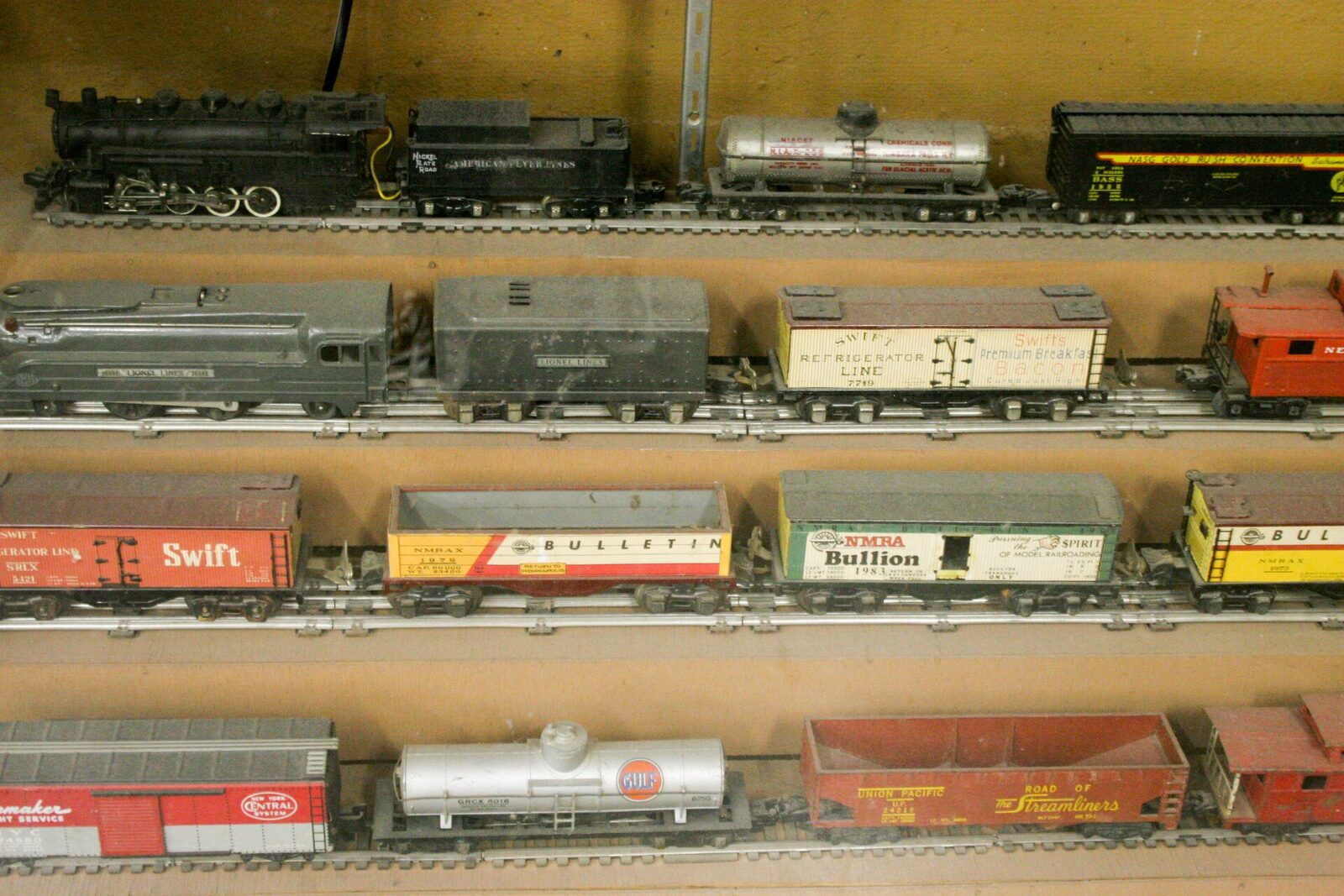
York Train Show opens Thursday October 22 this week, and the smartest attendees walk the floor with a specific understanding of how pricing and negotiation actually work at the event. York dealers price for the show weekend, and there's real room for negotiation on most pieces, but there's also a code of conduct, pricing dynamics, and timing that separates buyers who get good deals from buyers who overpay. This complete 2026 guide covers how to negotiate at York Train Show: when to negotiate and when not to, the specific language and techniques that work, what dealers expect, and the practical approach that gets you the pieces you want at the best price.
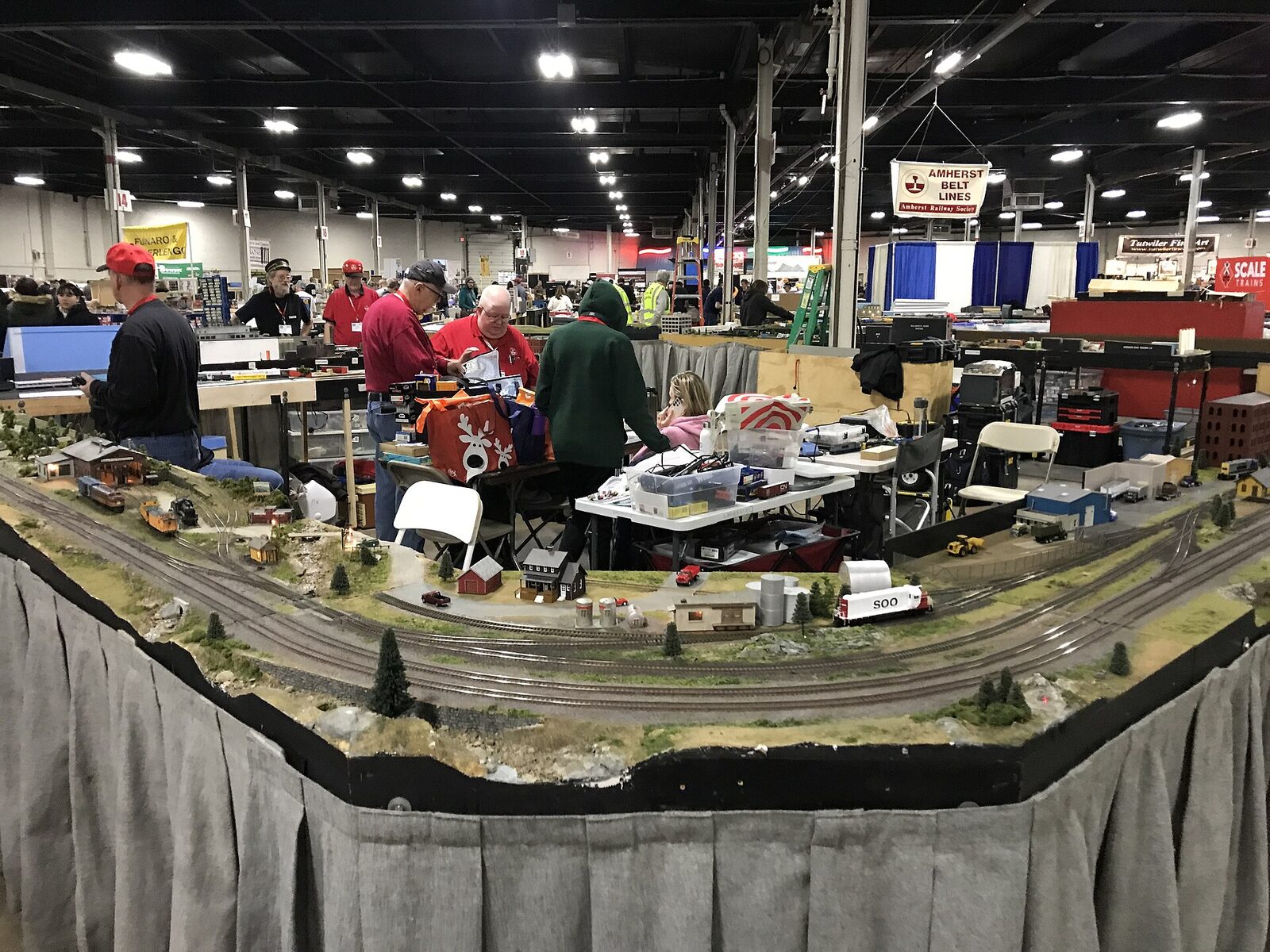
Why Negotiation at York Is Different
York isn't eBay. York isn't a retail store. York operates on specific pricing dynamics that work in a buyer's favor if you understand them:
Dealer-set pricing with built-in flexibility. Most York dealers set initial pricing with 10-25% negotiation room built in. The sticker price isn't the real price for most mid-tier and premium pieces.
Weekend-only market. Dealers want to sell inventory at the show rather than transport it home. Sunday afternoon pricing is typically more flexible than Thursday evening pricing on the same pieces.
Established relationships. Repeat buyers get better pricing than first-timers. Not because dealers discriminate, but because established relationships involve mutual trust.
Reputation matters. Dealers remember buyers. Respectful negotiation gets you remembered favorably; aggressive lowballing gets you remembered negatively.
The code of conduct is real. York has established norms. Violating them costs you access to the best inventory from top dealers.
When to Negotiate (and When Not To)
Negotiate on:
- Mid-tier and premium LEGACY and Vision Line pieces
- Postwar Lionel pieces in the $100-$500+ range
- Prewar Standard Gauge over $300
- Rare 6464 variants (Tier 3+)
- Multi-piece purchases (bulk discount expected)
- Pieces with any condition issues (even minor)
- Floor-model or display pieces
- Items that have been at the dealer's booth multiple shows without selling
Don't negotiate on:
- Clearly-marked tagged pricing at $25 and under (dealers set these at break-even for volume)
- Items marked "firm price" explicitly
- Specific sought-after pieces where multiple buyers are competing (just pay and move on)
- New Lionel LEGACY/Vision Line at MSRP from authorized dealers at launch (margins are tight)
- Parts and consumables (fluids, smoke units, replacement parts)
The Specific Language That Works
Opening approach: Pick up the piece. Inspect carefully. Make eye contact with the dealer. Ask about the piece's history. This signals genuine interest without indicating price fatigue.
The ask: "What's your best price on this?" is the standard opening. Direct, respectful, universally understood.
Alternative asks: "Is there any flexibility on this?" or "Would you work with me on this if I take it today?" convey the same intent with slightly different tone.
Multi-piece ask: "If I take all three, what's your best price?" opens volume discount negotiation.
What NOT to say: "I'll give you $X" as a lowball opening offer. "That's way too high" or similar criticism. "I saw it cheaper at [other dealer]" (even if true: dealers hate this). "I'll pay cash if you..." (dealers already assume cash; this doesn't help you).
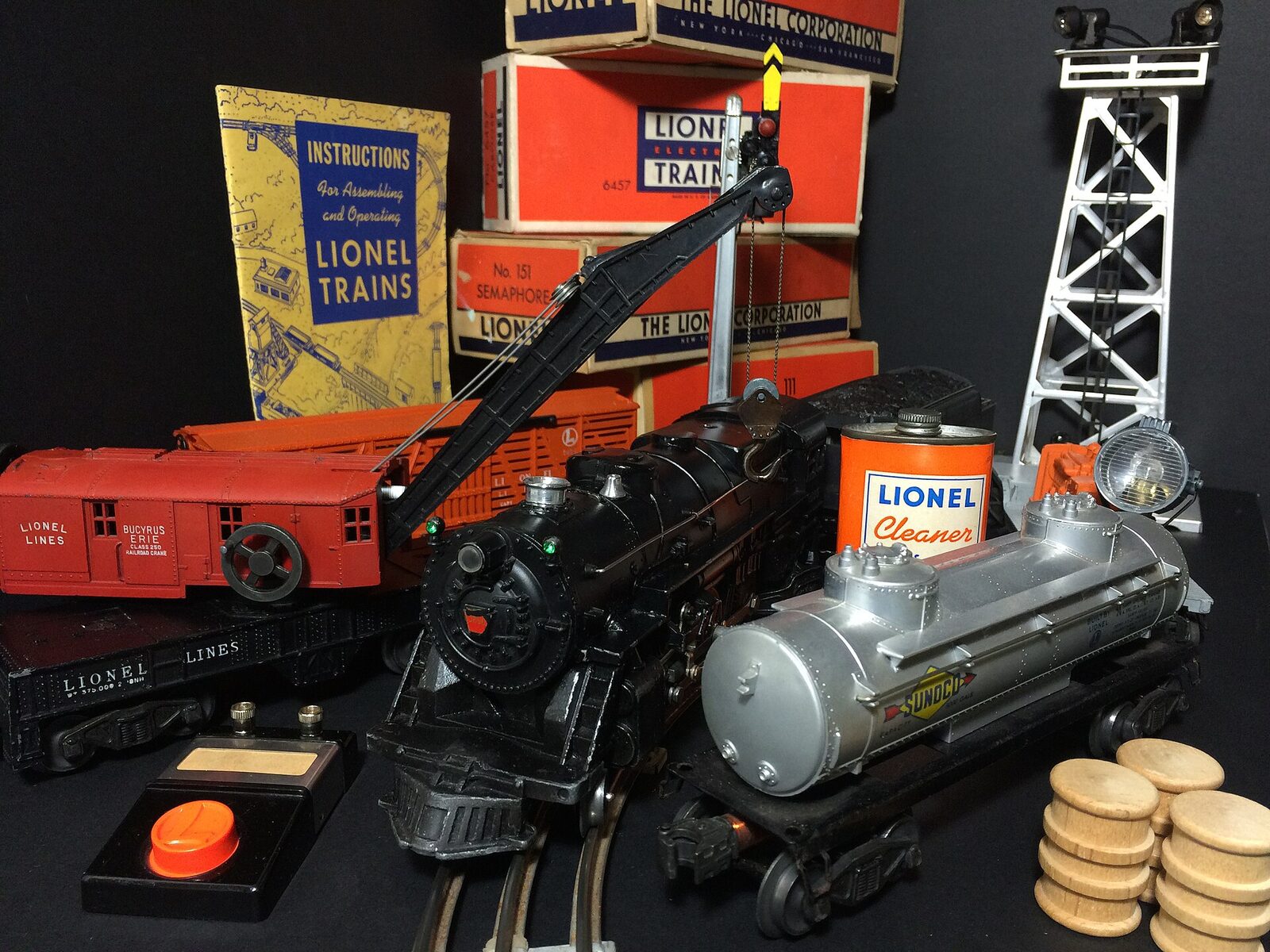
The Standard Negotiation Range
Based on typical York dynamics:
Posted price under $50: Minimal negotiation room, usually just rounding (e.g., $45 → $40).
Posted price $50-$150: 5-15% negotiation room typical.
Posted price $150-$500: 10-20% negotiation room typical.
Posted price $500-$1,500: 10-20% negotiation room with potential for more on specific pieces.
Posted price over $1,500: 10-25% negotiation room on premium pieces. Specific pieces (less-popular prototypes, longer-held inventory) may have more.
Multi-piece bundle: Additional 5-10% off total for 3+ piece purchases typically possible.
Timing Matters
Thursday evening TCA preview: Minimal negotiation room, dealers have full inventory and strong buyer interest. Pay close to sticker for pieces you really want.
Friday full day: Standard negotiation window. Dealers are moving inventory. Standard negotiation ranges apply.
Saturday morning: Still active trading. Standard negotiation.
Saturday afternoon: Negotiation window opens wider. Dealers are evaluating what they want to transport home vs sell at discount.
Saturday last hour: Prime negotiation time. Dealers prefer selling at discount to packing out inventory. 20-30% off on some pieces possible if you're patient.
Sunday morning (final day): Deepest discounts available if the show runs through Sunday. Dealers want to go home.
Reading the Dealer
Different dealers negotiate differently:
Established high-reputation dealers: Firm pricing, modest negotiation (5-10% typical). Pay closer to sticker for the quality assurance.
General postwar dealers: Standard negotiation ranges. Experienced buyers get better pricing through relationship-building over multiple shows.
Casual dealers (part-time sellers): Often more flexible negotiation. These dealers may undervalue specific pieces.
Specialty dealers (specific prototype or era focus): Firm on their specialty pieces; more flexible on peripheral inventory.
Clearance dealers: Some dealers show up specifically to liquidate inventory. Highly negotiable.
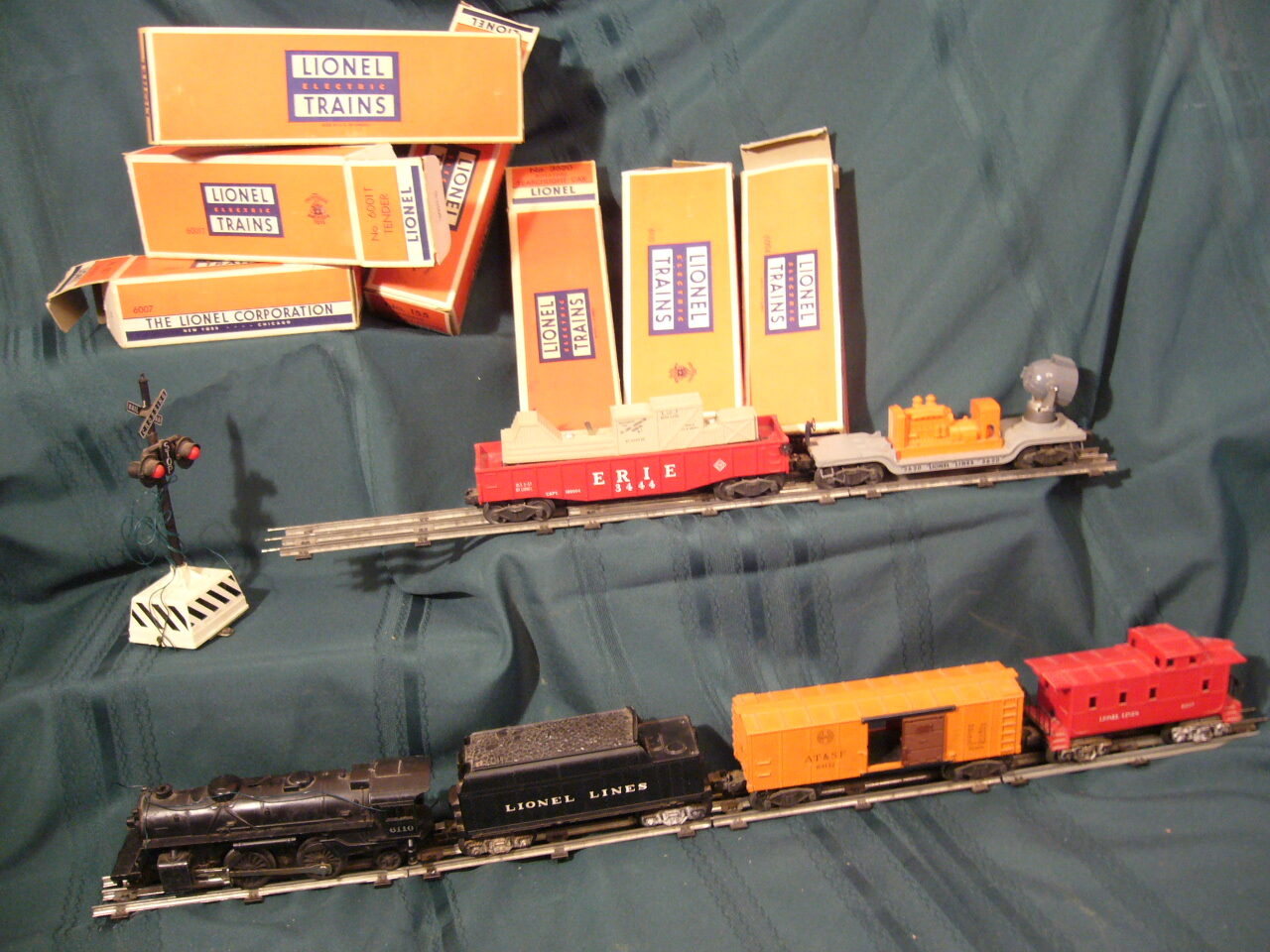
Multi-Piece and Bundle Strategy
Bundling multiple pieces is one of the best negotiation strategies:
Shop multiple pieces simultaneously. Instead of negotiating pieces one at a time, walk the booth, select everything you'd consider, then negotiate the bundle.
Expected bundle discount: 10-20% off total for 3+ pieces is standard. Larger bundles (5+ pieces) can command 20-25% off.
Specific technique: "If I take these three, what's your best total price?" lets the dealer propose the bundle price without your having to anchor the number.
Mix tier pieces. Combining a premium piece with mid-tier items often helps bundle negotiation more than premium-only or mid-only bundles.
Dealer-specific loyalty: Returning to the same dealer across multiple shows for bundle purchases builds relationship. Dealers remember consistent buyers and offer better pricing.
Walking Away Strategically
The walk-away is a legitimate negotiation technique when used properly:
Honest walk-away: If the price exceeds what you'd pay, politely decline and move on. Say "I appreciate it, but it's a bit above my budget. Thanks for your time."
Return-later strategy: Come back to the booth later in the show (Saturday afternoon especially). Dealer may remember your interest and offer a better price.
Don't fake walk-aways. If you walk away with intent to come back, come back. Dealers see through fake walk-aways and may raise pricing if you return.
Walk-away with price mention: "I'd love it at $X, but I understand if that doesn't work." Opens the door for the dealer to counter.
Common Negotiation Mistakes
Aggressive lowballing. Offering 50-60% of sticker price insults the dealer. Even if accepted, it damages relationship for future shows.
Public criticism. Loudly announcing problems with a piece in front of other buyers makes the dealer defensive, not flexible.
Price-comparing to other dealers. Even if true, dealers find this insulting. Just negotiate on this piece with this dealer.
Taking too long. Dealers have other customers. Spending 30 minutes negotiating a $75 piece wastes everyone's time.
Making the piece seem worthless. Even if you're trying to lower price, don't disparage the piece. Dealers negotiate better with respectful buyers.
Not inspecting first. Negotiating without inspecting means you may be paying for undiscovered problems.
Negotiating on firm-priced items. If a dealer says "firm" on an item, respect it. Don't push.
Shopping too narrowly. Only looking at one or two booths. Walking multiple booths gives you pricing context for negotiating.
Specific Scenarios
Scenario 1: Premium Postwar in Excellent Condition
Standard $350 postwar piece in excellent condition with box. Dealer initial price $395.
Your approach: Inspect carefully. Ask about history. "What's your best price on this?" Dealer likely counters at $375. Counter at $350. Likely settlement at $360-$365.
Scenario 2: LEGACY Diesel on Multi-Piece Bundle
LEGACY diesel at $1,299 plus two $75 freight cars. Total sticker $1,449.
Your approach: Select all three. "If I take these three today, what's your best total price?" Dealer likely counters at $1,300-$1,350 total. Reasonable negotiation lands around $1,250.
Scenario 3: Saturday Afternoon Price Reduction
Piece seen at Thursday preview at $875. Return Saturday afternoon.
Your approach: "Still interested in this piece. Any flexibility now that we're near end of show?" Dealer likely offers $700-$750 (15-20% off). Reasonable to settle at $720-$750.
Scenario 4: Tier 4 Rare 6464 Variant
Documented rare 6464 variant at $650 asking.
Your approach: Serious buyer behavior, inspect carefully, verify authenticity. "What's your best?" Dealer likely counters at $600-$625. Reasonable to settle at $590-$600.
Frequently Asked Questions
Is cash preferred?
Yes. Many dealers prefer cash. Some give modest additional discount for cash payment. Credit cards accepted at most larger booths.
Can I ask for a bundle discount even if dealer isn't showing willingness?
Yes, politely. "Would you consider a bundle discount if I took these together?" Opens the conversation respectfully.
What if dealer says no to any negotiation?
Respect it. Some dealers have genuine firm pricing. Walk away cleanly and shop elsewhere.
Can I negotiate at the Lionel/manufacturer booths?
Minimal negotiation at manufacturer booths. Current production is at MSRP. Discontinued or display pieces sometimes have flexibility.
Should I bring cash in large amounts?
If planning serious buying, yes. $500-$2,000+ cash is reasonable for serious collectors. Store securely in your person at all times.
Verdict
York Train Show negotiation is a learnable skill that pays dividends across every subsequent show. Pay close to sticker on Thursday preview; standard 10-20% negotiation Friday-Saturday morning; strategic end-of-show negotiation Saturday afternoon. Use respectful language, bundle multi-piece purchases, build dealer relationships across shows, and never resort to aggressive tactics that damage your reputation. For related guidance on York, see our first-time attendee guide, our Fall York 2026 preview, our pre-order picks, our market watch, and our York food and beer guide.
Newsletter
Weekly O-gauge tips & reviews
New reviews, layout ideas, and hobby news — straight to your inbox.