How to Display Your Lionel Train Collection: Complete Display Case Guide for 2026
July 21, 2026
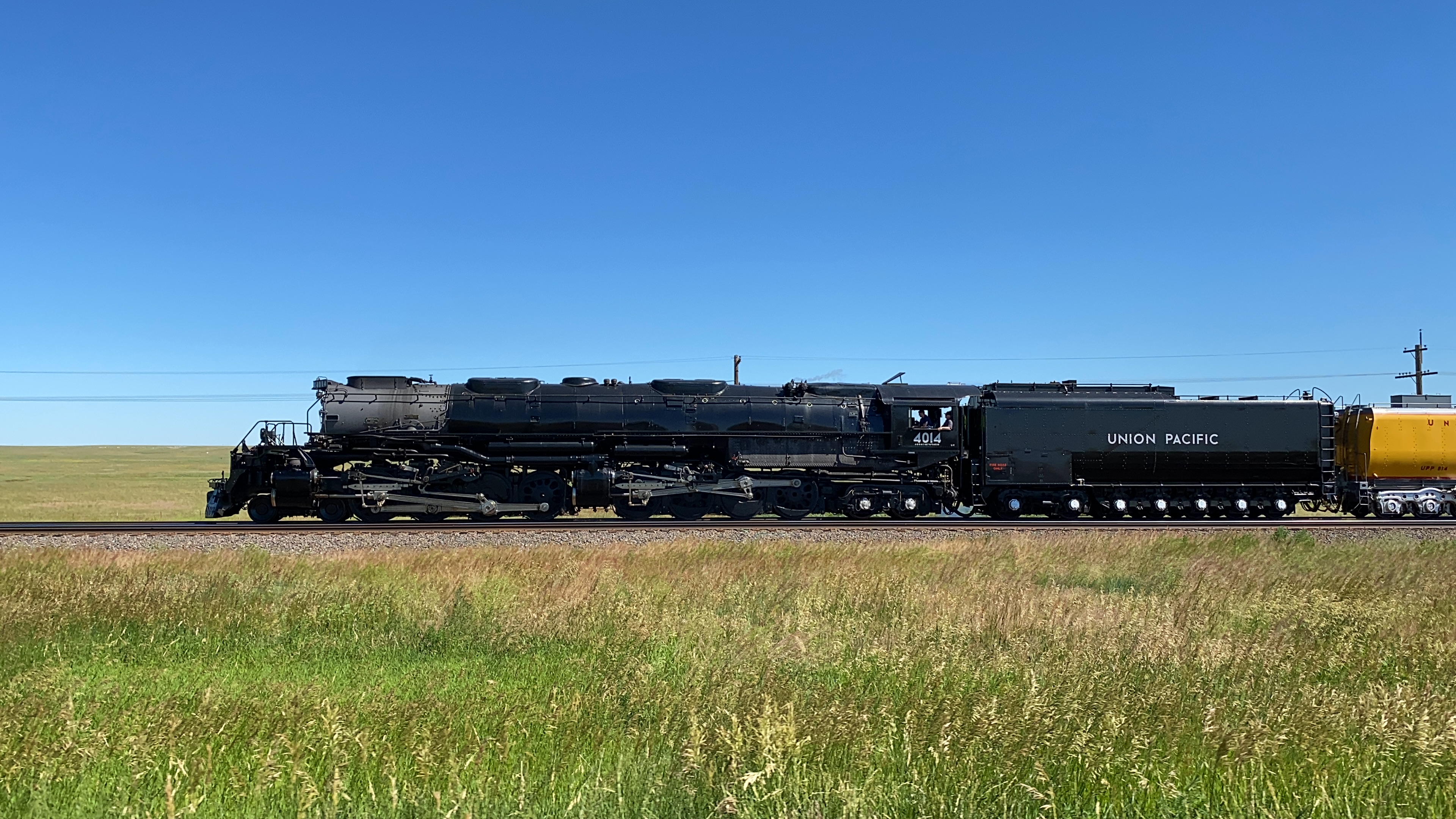
A Lionel collection sitting in original boxes on a closet shelf is preserved but not enjoyed. A well-displayed collection becomes daily visual enjoyment — locomotives you paid serious money for, seen every day, in context that shows off their detail and history. This vibetrains.com guide walks through complete display strategies for Lionel collections: display cases, shelf systems, wall mounts, lighting, and organizational approaches that showcase the best of what you own.
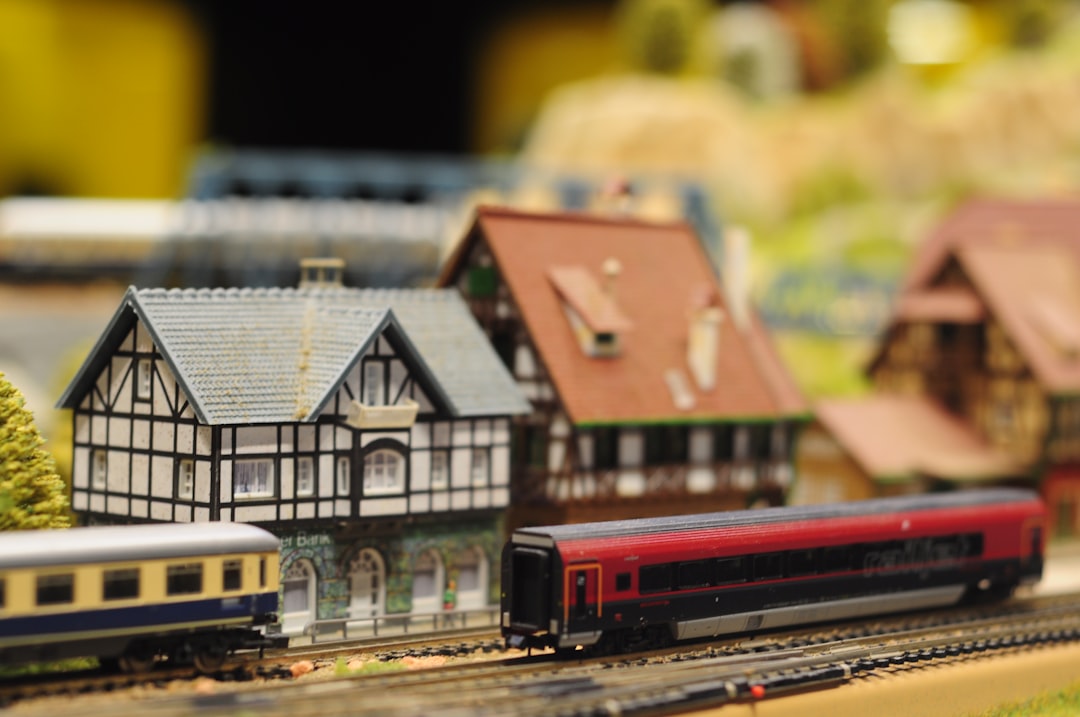
Why Display Matters for Collections
Two reasons to display rather than store. First, enjoyment — you spent significant money on these pieces because you love them. Storing them out of sight means you never see them. Display means you engage with the collection daily. Second, condition — properly displayed pieces in appropriate environments actually preserve better than pieces stored in fluctuating conditions in boxes. Modern climate-controlled display spaces protect against humidity, temperature swings, and rough handling that unpacking-and-repacking creates.
Display Case Options
Several display case categories serve different collection sizes and aesthetic preferences:
Glass display cases (curio cabinets): Traditional glass-front cabinets with adjustable shelves. Available at furniture stores in various sizes. Best for premium display of 5-25 pieces. Cost: $200-$1,500 depending on size and quality.
Purpose-built model train display cases: Cases specifically designed for O-gauge pieces with correct interior dimensions, integrated LED lighting, and appropriate mounting systems. Available from specialty retailers. Cost: $250-$1,200 depending on capacity.
Wall-mounted display shelves: Individual shelves mounted along a wall to display pieces without a fully enclosed cabinet. Cost: $50-$300 depending on quantity and quality.
Custom-built display walls: Full-wall custom installations designed for a specific collection. Cost: $2,000-$15,000+ depending on scale and craftsman quality.
Shelf Systems for Larger Collections
For collections beyond 25 pieces, individual display cases become impractical. Shelf systems become the answer.
Metal industrial shelving: Widely available at hardware stores. Adjustable heights, sturdy construction, and industrial aesthetic. Cost: $75-$300 per unit for standard sizes.
Wall-mounted display shelves in linear runs: Long horizontal shelves mounted along entire walls. Best for showcasing complete train consists visually together. Cost: $150-$600 per wall depending on shelf material and mounting hardware.
Custom cabinet millwork: Built-in cabinetry with glass doors and integrated lighting. Premium option for dedicated hobby rooms. Cost: $3,000-$20,000 depending on room size.
Wall Mount Displays
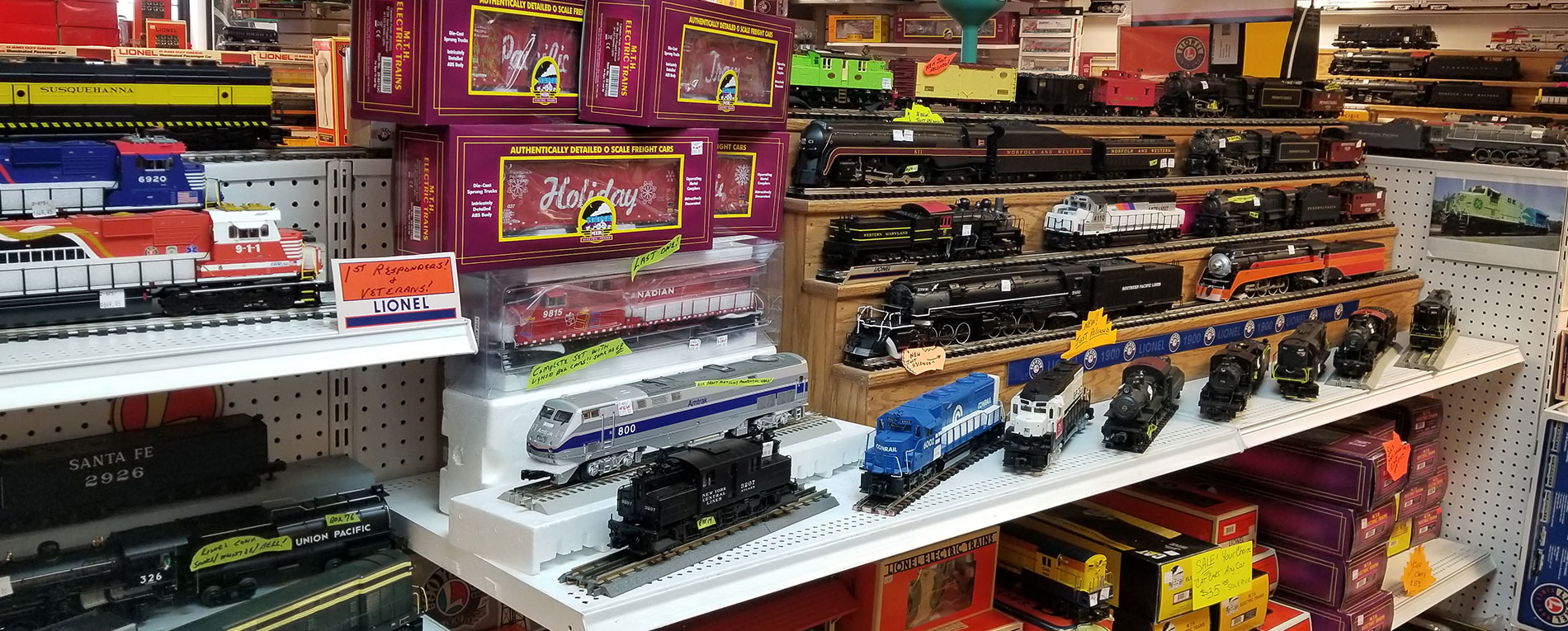
Wall mounts remove Lionel pieces from horizontal surfaces and mount them vertically. Two main approaches:
Locomotive brackets: Custom brackets designed to hold locomotives at appropriate angles. Show detail from multiple angles. Cost: $15-$45 per bracket. Available from specialty model train suppliers.
Wall-mounted acrylic shelves: Small clear acrylic shelves mounted to walls. Cost: $25-$85 each. Nearly invisible when mounted, letting the locomotive be the focal point.
Wall mounts work particularly well for premium single-locomotive displays — the star of the collection given individual prominence.
Lighting for Display
Lighting transforms display from functional to impressive. Options:
Integrated LED lighting: Purpose-built display cases include integrated LED strips or spot lighting. Warm-white LED (2700-3000K) is ideal for locomotive display.
Track lighting: Ceiling-mounted track lights aimed at display areas. Adjust individual heads to spotlight specific pieces. Cost: $200-$800 for basic installation.
Puck lights and under-shelf lighting: Small battery-operated or wired lights mounted under shelves. Highlight individual pieces without full room lighting. Cost: $15-$85 per light.
Warm color temperature (2700-3000K) is critical. Cool white or fluorescent lighting produces greenish color casts that ruin brass, chrome, and red paint on locomotives.
Organizing the Display
How you arrange pieces matters as much as the display hardware. Four organizational principles:
By era: Group prewar, postwar, and modern eras separately. Enables visitors to see the progression of Lionel design over decades.
By road name: Group by Pennsylvania Railroad, New York Central, Santa Fe, etc. Reinforces prototype fidelity and lets you display complete consists together.
By locomotive type: Steam locomotives together, diesels together, electrics together. Clean visual categorization.
By value tier: Vision Line flagship pieces in prominent positions with dedicated lighting. Lower-tier and common pieces in supporting positions.
Most serious collections use combinations — road name grouping within era groupings within locomotive type. Experiment to find what feels natural.
Climate Control for Display
Displayed pieces are exposed to room temperature and humidity variations. For premium pieces, climate control matters:
Temperature: 60-75°F is ideal. Fluctuations of more than 10°F daily can accelerate paint degradation and metal expansion/contraction.
Humidity: 30-50% relative humidity. Higher humidity accelerates corrosion; lower humidity makes paint brittle.
UV protection: Direct sunlight fades paint over years. Position displays away from windows, or use UV-filtering film on windows near displays.
Dust protection: Enclosed display cases protect against dust. Open shelf displays require periodic dusting — every 3-6 months for premium pieces.
For storage-specific guidance, see our storage guide.
Rotating Displays
Large collections often can't display everything simultaneously. Rotating displays showcase different pieces at different times:
Seasonal rotation: Christmas trains displayed November-January, general roster the rest of the year. Weathered Pennsylvania Railroad steam in fall for autumn aesthetic.
Theme rotation: Feature specific themes (postwar steam, modern diesels, passenger consists, industrial switching) on 3-6 month rotation.
Recent acquisition featuring: Give new purchases prominent display for 1-2 months before rotating into main collection position.
Rotation keeps the collection feeling fresh even for daily viewers.
Display Insurance Considerations
Displayed collections face risks that stored collections don't: theft, breakage from accidents, damage from renovations or moving. Insurance considerations:
Scheduled personal property rider: Add to homeowner's insurance for premium pieces. Requires appraisal documentation. Provides specific coverage for identified pieces.
Photograph documentation: Photograph every displayed piece with high-resolution photos and store offsite (cloud storage). Essential for insurance claims after loss.
Standalone collectibles insurance: For collections valued above $10,000, dedicated collectibles insurance from Collectibles Insurance Services or similar specialty providers.
For valuation context, see our Lionel train value guide.
Common Display Mistakes
Overcrowding: Too many pieces in too small a space overwhelms visually and prevents any single piece from getting attention. Less is more.
Ignoring lighting: Unlit displays look dim regardless of piece quality. Adequate lighting is essential.
Direct sunlight: Placing displays in sunny windows fades paint over years. Position away from direct sun.
No dust protection: Open displays require regular dusting to preserve piece condition. Neglected displays accumulate visible dust within weeks.
Skipping insurance: Uninsured displayed collections can lose thousands to unexpected loss. Add insurance for pieces above $500 individual value.
Frequently Asked Questions
What's the best display case for Lionel trains? Purpose-built model train display cases (available from specialty retailers) offer correct interior dimensions and integrated LED lighting. General glass display cases work for smaller collections. Custom millwork for premium installations.
How much does a Lionel display case cost? Basic display cases run $200-$400. Purpose-built model train cases run $500-$1,200. Custom built-in cabinets range $2,000-$15,000+ depending on scale.
Should I display Lionel trains outside their original boxes? Yes for enjoyment. Original boxes stored separately in climate-controlled storage. Display individual pieces on dedicated display hardware for maximum visual impact.
How do I light a Lionel display? Warm-white LED lighting (2700-3000K) either integrated into display cases, track-lighted from ceiling, or via puck lights on shelves. Avoid cool white or fluorescent lighting.
Do I need climate control for displayed Lionel trains? For premium pieces, yes. Target 60-75°F and 30-50% humidity. Standard climate-controlled rooms provide adequate conditions.
Final Word
Displaying your Lionel collection transforms it from investment to daily enjoyment. Start with a single display case for your best pieces, expand as budget allows, and continue refining organization and lighting over time. For related collecting topics, see our postwar Lionel collecting guide and Lionel investment guide.
Newsletter
Weekly O-gauge tips & reviews
New reviews, layout ideas, and hobby news — straight to your inbox.