Weather Your O-Gauge Rolling Stock Like a Pro
May 4, 2026
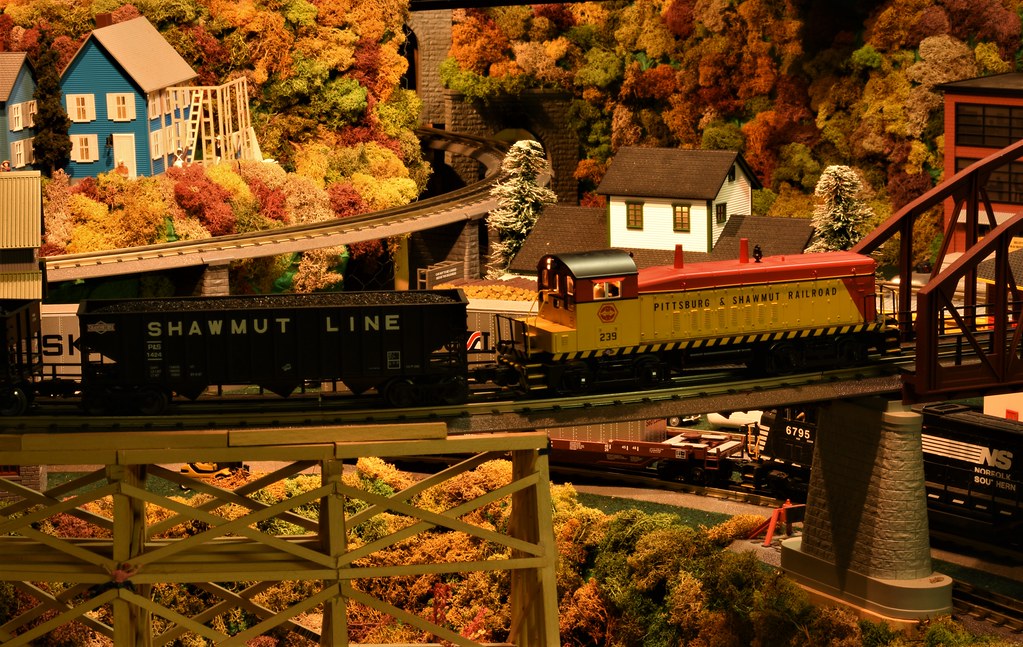
I've been running an O-gauge layout out of my basement for years, and this question comes up every time someone new visits. Here's what I'd actually tell them.
There's a moment every serious O-gauge modeler knows well — you set a pristine, factory-painted boxcar on your layout and it looks almost offensively clean compared to everything around it. Weathering is the art that bridges the gap between toy and model, between shelf piece and storytelling centerpiece. With the right techniques and a little patience, you can add decades of simulated wear to your rolling stock and make your entire layout come alive.

Building Your Weathering Foundation: Washes and Grime Layers
The most important rule in weathering is to work in layers, starting subtle and building intensity gradually. Begin with an acrylic wash — a heavily thinned mixture of dark brown or black paint diluted roughly 10:1 with water or a dedicated wash medium like Vallejo's Wash range. Brush this liberally over the entire car body and let capillary action pull the thin pigment into every rivet, panel seam, and surface detail. Wipe back the excess from flat surfaces with a damp cloth before it dries, leaving the recesses naturally shadowed and detailed.
For freight cars like hoppers, gondolas, and flatcars that spend their lives hauling heavy industrial loads, follow the initial wash with a dry-brushing pass using a stiff, splayed brush loaded with a lighter tan or rust color. Drag it lightly across raised details — roof ribs, grab irons, ladder rungs — to simulate highlighted wear exactly where real metal would show through. Athearn and MTH rolling stock in O-scale both take these washes exceptionally well thanks to their crisp, deeply tooled surface detail.
Rust is where O-gauge weathering really separates the hobbyists from the artists. Use AK Interactive's Heavy Rust Effects or a stippled application of orange and burnt sienna artist oils to build realistic oxidation around trucks, bolsters, and lower car sills. Real freight equipment rusts from the bottom up, so keep your rust effects concentrated below the car's midline for maximum authenticity.
Powders, Pigments, and Streak Effects for Locomotives
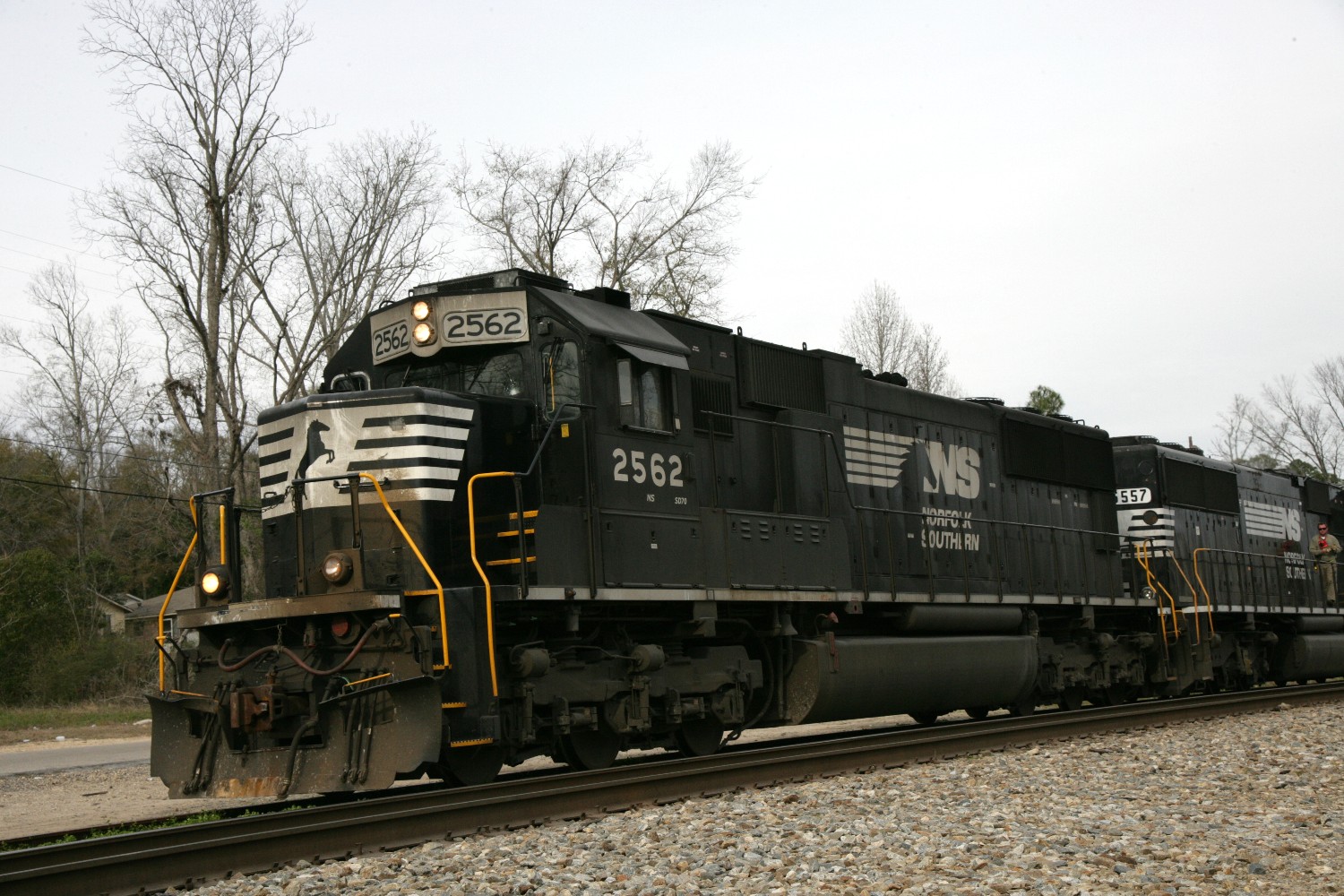
Weathering powders — MIG Productions and Bragdon Enterprises are both favorites in the O-gauge community — are your best friend for simulating exhaust soot, brake dust, and road grime on locomotives. Apply them dry with a soft brush, working diesel exhaust residue back from the stack housings along the roofline. For steam locomotives, concentrate dark gray and black pigment around the firebox, smoke deflectors, and running gear. Seal everything at the end with a light misting of Testor's Dull Cote to lock pigments in place without killing the matte finish you've worked hard to build.
Diesel road power like an SD70ACe or a modern GE ES44AC benefits enormously from fuel and oil streaking on the long hood and underframe. Mix burnt umber artist oils with odorless mineral spirits to a thin, runny consistency, then apply small vertical lines starting from fuel filler caps, filter housings, and air intake grilles. Let gravity and a light touch with a flat brush pull these streaks downward naturally. The effect is startling in its realism and transforms a production-run locomotive into something that looks like it just rolled in from a two-week run on the BNSF Transcon.
Finishing Touches: Trucks, Wheels, and Lettering Fade
Trucks and wheelsets are the most overlooked elements in rolling stock weathering, and neglecting them instantly breaks the illusion no matter how good the car body looks. Paint all wheel faces and truck sideframes with a dark grimy black mixed with brown — never pure black, which looks flat and artificial. Add a light rust dusting to the outer wheel faces and a bright steel dry-brush to the wheel treads themselves to simulate the polished contact surface that real rolling stock always shows. For weathering lettering and road numbers, a very careful overspray of thinned grimy black from a foot or more away will dull reporting marks just enough to suggest age without making them unreadable.
Weathering your O-gauge collection is one of the most rewarding skills you can develop as a modeler — and every car you finish makes the next one easier and more confident. Start with an older or less valuable piece to build your technique, reference prototype photos obsessively, and remember that real railroads operated dirty, hard-working equipment. Browse the VibeTrains shop for fresh roster candidates and get your next weathering project on the workbench today.
Newsletter
Weekly O-gauge tips & reviews
New reviews, layout ideas, and hobby news — straight to your inbox.