Collector's Guide to Lionel Postwar Trains 1945–1969
May 2, 2026

Postwar Lionel is the soul of American toy trains. Eight out of ten dealers at any York meet are selling postwar — that's how dominant the era is in the collecting world. After years of buying, restoring, and occasionally selling postwar pieces, here is the guide I wish I had when I started.
Few eras in American toy manufacturing capture the imagination quite like Lionel's postwar golden age, stretching from 1945 through 1969. These are the trains that filled living rooms on Christmas morning, the locomotives that sparked lifelong passions, and today they represent some of the most coveted collectibles in the entire hobby. Whether you're just discovering postwar Lionel or looking to sharpen your collecting strategy, this guide will give you the insider knowledge you need.
Understanding the Postwar Lineup: Locomotives Worth Knowing
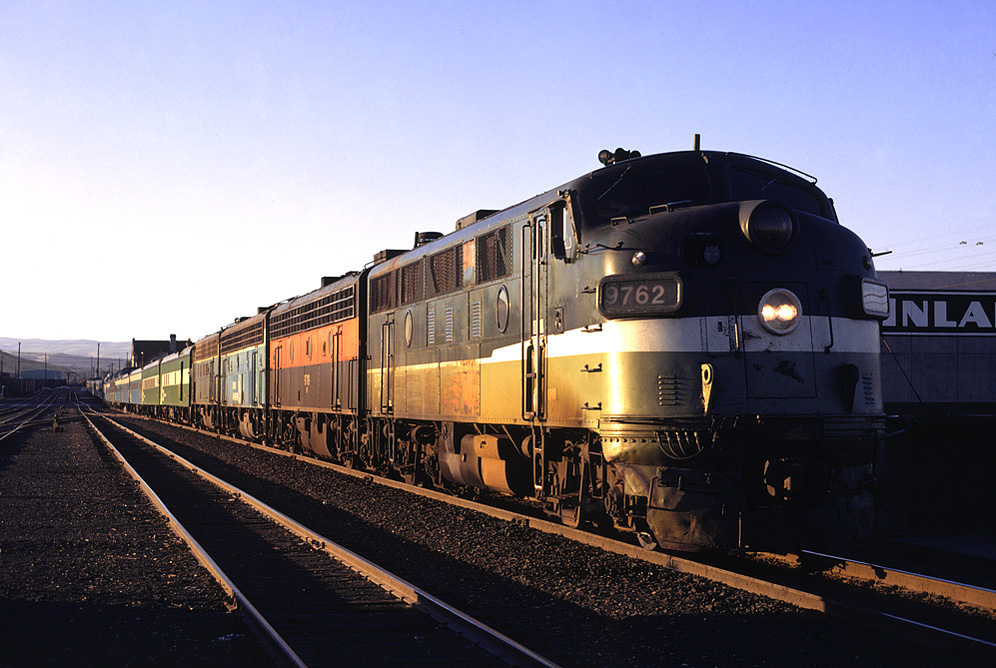
Lionel's postwar catalog was extraordinarily deep, but certain locomotives stand above the rest in terms of collector desirability and historical significance. The 773 Hudson, introduced in 1950 and reissued in 1964, remains the benchmark steam locomotive of the era — a beautifully detailed, smooth-running powerhouse that commands serious prices at auction. Similarly, the 2333 and 2353 F3 diesel A-A and A-B-A sets in Santa Fe warbonnet paint are among the most recognizable and reproduced images in hobby history, yet original examples in excellent condition still draw passionate bidding.
On the diesel front, the GG-1 electric locomotives — particularly the 2340 in Tuscan red Pennsylvania Railroad livery — are considered crown jewels of any postwar collection. Lionel captured the dramatic lines of this prototype with remarkable accuracy for the time. The twin-motored 2321 Lackawanna and 2322 Virginian rectifier locomotives are slightly less famous but equally impressive mechanically and visually. Knowing these key models by heart is your first step toward becoming a serious postwar collector.
Don't overlook the freight side of the roster. The 6414 Evans Auto-Loader, 6462 gondola, and the legendary 3562 barrel car with its operating mechanism are just a few of the accessories and rolling stock pieces that transform a locomotive collection into a fully realized railroad. Postwar Lionel freight cars were produced in dozens of road names and color variations, meaning condition, road name rarity, and original box presence all dramatically affect value.
Grading, Condition, and the Original Box Question
In the postwar Lionel world, condition is everything — and the original box can be worth nearly as much as the train itself. Collectors and dealers typically use a grading scale running from C-1 (poor) through C-10 (mint in box), and understanding what separates a C-7 from a C-9 will save you from costly mistakes. Look for paint integrity on the locomotive body, the sharpness of heat-stamped lettering on rolling stock, and the condition of rubber tires, journal covers, and trucks. Any repainting, resoldering, or parts replacement drops value significantly, so always ask pointed questions before purchasing.
Original orange and yellow Lionel boxes — sometimes called the "Classic" or "picture" boxes depending on the year — are highly sought in their own right. A 746 Norfolk and Western J-class steam locomotive complete with its original box, tissue, and instruction sheet can fetch double or triple the price of a loose example in identical mechanical condition. This is why experienced collectors always store their trains in original packaging and handle them with white cotton gloves. The box isn't just packaging — it's provenance.
Building a Collection with Purpose and Strategy
The most satisfying postwar collections are built around a theme. Some collectors focus exclusively on steam power from a single prototype railroad, assembling every variation of New York Central or Pennsylvania Railroad equipment Lionel produced. Others specialize in a specific decade — the early 1950s output has a raw, heavy-metal quality distinct from the slightly refined mid-1960s pieces. Another popular approach is chasing operating cars: the 3530 generator car, the 3435 aquarium car, and the 3444 Erie gondola with animated cop and hobo are mechanical marvels that still delight operators and collectors alike.
Attend train shows, cultivate relationships with established dealers, and study the Greenberg's Guide to Lionel Trains — the essential price and identification reference for postwar collectors. Online communities and platforms have broadened access to rare finds, but nothing replaces handling pieces in person before committing to a significant purchase. The postwar Lionel market rewards patience, knowledge, and genuine passion. Start with what moves you emotionally, learn deeply, and your collection will grow into something truly extraordinary.
The 10 postwar Lionel pieces every collector should know
| Piece | Years | Why it matters | 2026 value (clean) |
|---|---|---|---|
| 2026 Hudson | 1948–1951 | Iconic postwar steamer | $150–$300 |
| 773 Hudson | 1950, 1964–66 | Holy grail postwar Hudson | $500–$1,500 |
| 675 K-4 Pacific | 1947–1949 | Beautiful Pennsy 4-6-2 | $120–$280 |
| 736 Berkshire | 1950–1968 | Most-produced premium postwar | $180–$450 |
| 2333 F3 NYC/Santa Fe | 1948–1949 | First Lionel F3, gateway diesel | $300–$800 |
| Madison passenger cars | 1946–1949 | Pre-aluminum heavyweights | $80–$250/each |
| 2360 GG1 | 1955–63 | Classic Pennsy electric | $250–$600 |
| Operating accessories (3656 cattle car, etc.) | 1950s | Animated charm of the era | $40–$180 |
| 1872 General set | 1959–62 | Western theme, sought-after | $200–$500 |
| ZW transformer | 1948–1966 | Best transformer Lionel ever made | $100–$300 working |
Buying notes from collecting postwar at York
- Original boxes triple the value. Always.
- Check for cracked motor brushplates on smaller postwar locos — common failure point and not always obvious.
- "Frame-mount" vs "shell-mount" motors matter for value. Early-postwar (1945–1948) trains have frame-mount motors; later ones don't. Older = generally rarer.
- Repaints destroy value. Look for the lithographed Lionel logo edges under good light. Repainted = nothing.
- Service stickers underneath the loco are good signs — means someone cared enough to maintain it.
FAQ
What is the most valuable postwar Lionel train? The 1950 773 Hudson in mint condition with original box is the holy grail — $1,500+ at auction. Other contenders: the 700E scale Hudson (1937–42, technically prewar), the Madison passenger cars in original boxes, and the 6464 boxcar variants.
How can I tell if my Lionel is postwar? Look for the date range 1945–1969 on the data plate, "Made in U.S. of America" stamped on metal parts, and the classic orange-and-blue Lionel box style.
Do postwar Lionel trains still run? Yes — with basic maintenance (clean wheels, oil bearings, replace brushes), most postwar trains will run for decades more. They were built to last.
Related guides
Newsletter
Weekly O-gauge tips & reviews
New reviews, layout ideas, and hobby news — straight to your inbox.