The Best Lionel Locomotives for Running Long Passenger Trains
April 4, 2026
This is one I keep coming back to on my own O-gauge layout — I figured I'd write up what I've learned the hard way. Here's the practical take, not the press-release version.
Running a long, impressive passenger train is one of the most satisfying experiences in model railroading. There's something magical about watching a string of beautiful passenger cars glide smoothly around your layout, but success depends heavily on choosing the right locomotive. Not all Lionel engines are created equal when it comes to hauling multiple passenger cars, so let's explore which ones excel at this demanding task.
When selecting a locomotive for passenger service, you'll want to focus on pulling power, smooth operation, and reliable electronics. The locomotive needs enough torque to handle the weight of multiple cars while maintaining consistent speed through curves and grade changes. Modern Lionel locomotives with can motors typically outperform the older open-frame motors, offering better speed control and more pulling capacity.
The Lionel Legacy and LionChief Plus locomotives represent the pinnacle of passenger train performance. These modern powerhouses feature robust can motors, sophisticated electronic systems, and impressive pulling capabilities. The Hudson (4-6-4) type locomotives are particularly well-suited for passenger work—they're fast, powerful, and visually stunning pulling a consist of streamlined cars. Models like the Hudson and the larger Pacific (4-6-2) engines can handle eight to twelve passenger cars without breaking a sweat. If you're investing in a newer model, these are your best bets.
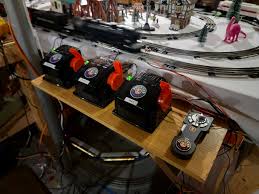
For those working with traditional command control systems, the Lionel ZW transformers paired with Legacy-equipped locomotives give you exceptional control and reliability. The ability to adjust momentum settings means your train will accelerate and decelerate realistically, creating a more satisfying operating experience.
If your budget leans toward vintage Lionel equipment, look for the postwar GG-1 electrics or the scale Hudson models from the 1950s. These weren't just beautiful—they were engineered for serious pulling power. Many collectors report running twelve or more cars behind a properly maintained postwar Hudson without any issues. The key here is maintenance: clean the wheels, check the motor brushes, and ensure proper lubrication.
A practical tip: before committing to a locomotive for passenger service, test it on your layout with a gradually increasing number of cars. Start with four cars and work your way up, watching for signs of strain like reduced speed on grades or inconsistent operation. This helps you understand your specific locomotive's capabilities on your track.
Another consideration is weight distribution. Heavier locomotives generally perform better pulling longer consists because they maintain traction through curves and provide steady pulling power. The additional weight helps keep wheels planted on the track, reducing derailment risk when running longer trains.
Don't overlook the importance of quality track and proper maintenance. Even the best locomotive struggles on dirty track or with poorly maintained cars. Clean your track regularly, ensure all car wheels roll freely, and lubricate car axles appropriately.
Finally, match your passenger cars to your locomotive's era and style. A streamlined LionChief Hudson looks perfect pulling matching streamliner cars, while a vintage postwar Hudson pairs beautifully with traditional Lionel passenger cars from the same period. This attention to detail transforms your layout from merely functional to genuinely impressive.
With the right locomotive pulling your passenger train, you'll create one of model railroading's most rewarding scenes—one that never gets old, no matter how many times you run it.
Newsletter
Weekly O-gauge tips & reviews
New reviews, layout ideas, and hobby news — straight to your inbox.