How to Start an O-Gauge Collection for Under $500
February 23, 2026
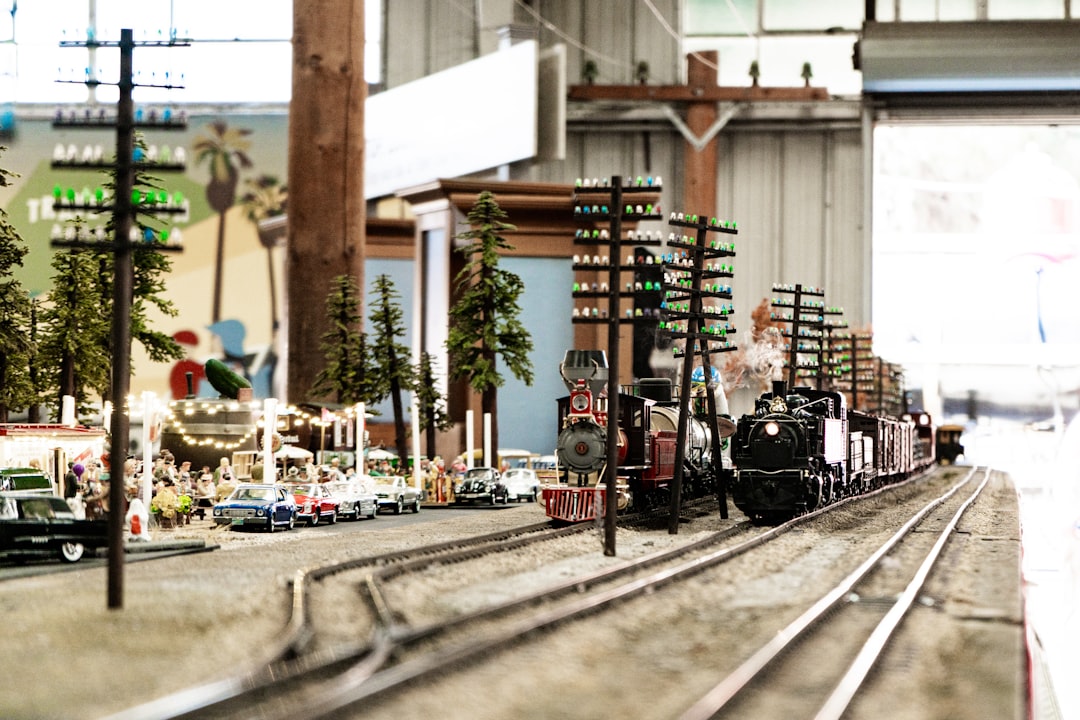
I bought, broke, fixed, or watched a friend wreck most of what's covered here. This is the honest take from someone with a working layout, not a content farm.
Five hundred dollars sounds like a lot until you see how quickly it disappears in a hobby where individual locomotives routinely sell for $500 and up. The good news: with the right allocation, $500 is genuinely enough to build a real O-gauge foundation — not just a single train going in circles, but a working layout with multiple locomotives, accessories, and room to grow. Here's exactly how I'd spend the money, broken down by priority.
The first $200 goes to a starter set, and the right choice at this level is the Lionel Polar Express LionChief Ready-to-Play set, currently available for around $180–200. This is not a compromise choice. It's a genuine O-gauge locomotive with Bluetooth app control, real steam sounds, a working smoke unit, and a full loop of FasTrack. Running trains on day one matters — it keeps you engaged while you figure out what kind of layout you eventually want to build. Your goal right now is to have something running, not to own the most impressive thing in the hobby.
The next $70 goes to a proper transformer. The power brick included with most starter sets works but is underpowered for anything beyond the included loop. A Lionel CW-80 80-watt transformer runs about $65–70 and is the minimum I recommend for a permanent layout. You get real speed control with a smooth throttle, enough amperage to power accessories (crossing gates, street lights, station sounds), and a built-in circuit breaker that protects your locomotives from shorts. This is the unsexy purchase that makes everything else work better. Don't skip it.
The next $50 goes to extra track. One oval gets boring in about 15 minutes. Lionel FasTrack straight and curve packs run $25–35 each, so $50 gets you a meaningful expansion — either a longer oval with passing sidings or, if you're ambitious, a figure-eight layout. FasTrack's integrated ballasted roadbed means it looks realistic running right on a table or the floor without needing a layout board, which is a real advantage for beginners not ready to commit to permanent construction. Browse FasTrack options at
The next $80 goes to a second locomotive, and this is where most beginners get it wrong — they buy more track when they should be buying more motive power. Two trains on the same loop, one running and one parked on a siding, immediately transform the visual interest of any layout. For $80, work the used market rather than buying new. eBay consistently lists working LionChief switchers and older Lionel diesel locomotives in the $50–100 range. A small diesel switcher — an NW-2 or SW-1 type — is the right second locomotive: compact, easy to store, and historically accurate for industrial switching scenes. Check completed eBay listings, not asking prices, to understand what things actually sell for.
The final $100 goes to accessories, which is the category that separates a layout that feels alive from a train going in circles. In priority order: an illuminated Lionel station or depot ($25–35), a working crossing gate with lights and sound ($20–25), a few trackside figures and signs ($15–20), and a three-pack of freight cars if your starter set didn't include them ($20–30). Accessories create the visual context that makes rolling stock mean something — a grain elevator near a hopper car, a fuel depot near a diesel, a passenger station near a passenger consist.
For deals beyond Amazon and eBay: the York Train Show, held twice a year in York, Pennsylvania, is the largest O-gauge meet in the country, and used prices there run 30–50% below retail. Local train clubs frequently sell off estate collections with everything priced to move. Facebook Marketplace has become genuinely good for O-gauge in recent years — search your area for "Lionel O gauge" and check back weekly. What to skip at this stage: DCS command systems (you don't need them yet), expensive brass models, and kit-built buildings. The framework above gives you everything needed to decide if this hobby is worth the deeper investment — and for most people who give it a real chance, it absolutely is.
Newsletter
Weekly O-gauge tips & reviews
New reviews, layout ideas, and hobby news — straight to your inbox.