O-Gauge Wiring for Beginners
February 26, 2026
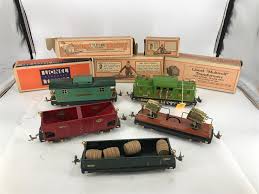
I've been running an O-gauge layout out of my basement for years, and this question comes up every time someone new visits. Here's what I'd actually tell them.
Getting started with O-gauge model railroading can feel overwhelming, especially when it comes to wiring your layout. However, understanding the basics of O-gauge electrical systems is simpler than you might think, and once you master the fundamentals, you'll be well-equipped to build a reliable and enjoyable layout that will bring years of pleasure.
The heart of any O-gauge layout is the transformer, which converts standard household alternating current into the lower voltage needed to safely power your trains. Most Lionel trains operate on either 18 volts or variable voltage systems, and choosing the right O-gauge train transformer is your first critical decision. Lionel offers several transformer options ranging from basic fixed-voltage models to more sophisticated electronic transformers with multiple controls. For beginners, a solid mid-range transformer gives you plenty of flexibility without unnecessary complexity.
Understanding how to connect your transformer to your track is essential. The transformer has two main output terminals, typically labeled as common and variable or hot. The common wire, usually black, connects to one rail, while the variable or hot wire, typically red, connects to the other rail. This completes the circuit that allows electricity to flow through your track and power your locomotives. Many beginners make the mistake of using undersized wire for these connections, which can cause voltage drops and sluggish performance. Always use appropriate gauge copper wire for your layout size, typically 14 to 10 gauge depending on your track length and the number of transformers you're using.
Track preparation is another cornerstone of good wiring practice. Clean track is essential for proper electrical contact. Even light surface oxidation can dramatically reduce performance and cause your trains to stall unexpectedly. Before making any connections, thoroughly clean your rails with a track cleaning tool or fine steel wool, and consider applying a thin coat of rail cleaner or oil to maintain conductivity.
When you're ready to expand your layout beyond a simple oval, proper rail joining becomes important. O-gauge track sections connect together, and maintaining solid electrical contact at these joints ensures consistent power delivery throughout your layout. Quality rail joiners and occasionally resoldering connections will keep your system running smoothly as your layout grows.
Safety should always be your priority when working with electrical systems. Always disconnect your transformer from the wall outlet before making any wiring changes or modifications to your layout. Never leave your layout powered unattended, and keep your setup away from water or excessive moisture. These simple precautions will protect both you and your equipment.
As you grow more confident, you'll want to explore Lionel wiring accessories like switches, relay units, and signal controllers. These components allow you to automate operations and create more sophisticated layouts with multiple independently controlled sections.
Remember, wiring doesn't have to be intimidating. Start simple, follow basic safety practices, and expand gradually as you gain experience. The satisfaction of watching your trains run smoothly on a well-wired layout makes every bit of effort worthwhile.
Newsletter
Weekly O-gauge tips & reviews
New reviews, layout ideas, and hobby news — straight to your inbox.