O-Gauge Switches and Turnouts: A Complete Guide for Layout Builders
April 14, 2026
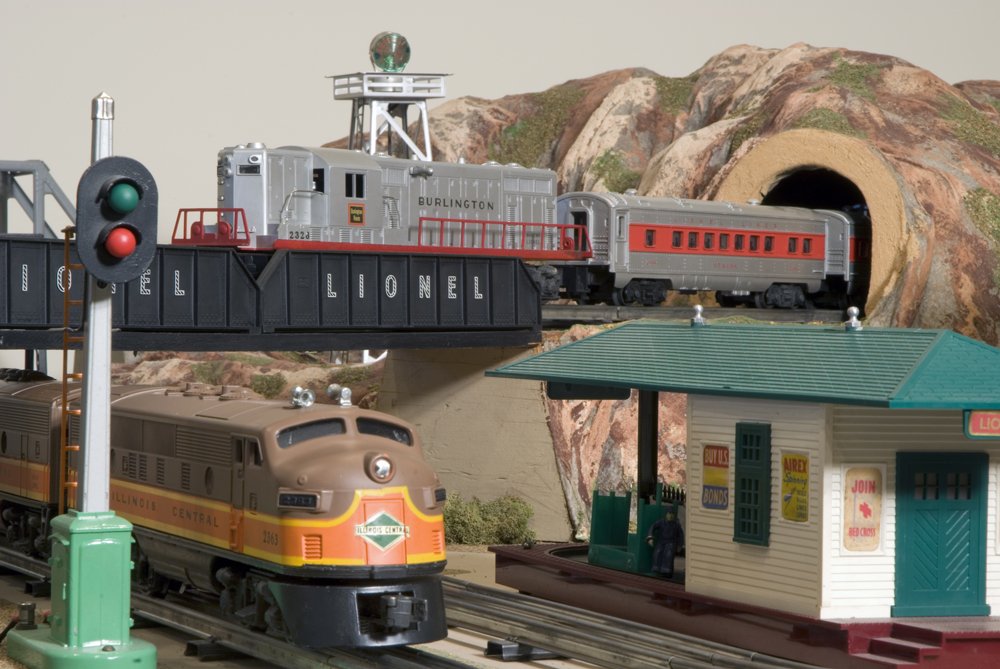
If you're reading this you're probably one Reddit thread or YouTube rabbit hole deep. Here's the version I wish I'd had — practical, specific, no fluff.
Why Switches Are the Heart of Any Layout
A single oval of O-gauge track is a fine way to get a locomotive running, but it's switches—also called turnouts—that transform a loop into an actual railroad. Switches let you route trains into sidings, build passing tracks, assemble yards, and operate your layout like a real prototype. Yet for many hobbyists, switches are also a source of frustration: derailments, short circuits, and sluggish motors are common complaints.
This guide covers everything you need to know: types of switches available for O-gauge, which brands hold up best, how to wire them correctly, and tips for keeping them running smoothly for years.
---
Types of O-Gauge Switches
Manual vs. Remote
Manual switches require you to throw the points by hand, directly at the track. They're inexpensive and mechanically simple, but you'll need to reach across your layout to change routes—not practical for larger or elevated layouts.
Remote switches use an electric motor or solenoid to throw the points from a distance via a button or your command controller. Nearly every serious O-gauge layout uses remote switches. If you're running LionChief or Legacy, many modern remote switches integrate directly into your command system.
Left-Hand, Right-Hand, and Wye
Switches come in left-hand and right-hand configurations depending on which direction the diverging route bends. A wye switch splits into two diverging routes without a straight main—useful for Y-shaped junctions or reversing loops. When planning your layout, sketch out your switch directions before you buy; it's easy to order the wrong hand.
---
Brand Breakdown
Lionel FasTrack Switches
Lionel's FasTrack O-36 and O-72 remote switches are the go-to choice for most FasTrack layouts. They snap together with the rest of the FasTrack system, include a built-in non-derailing feature (the switch auto-routes for an incoming train), and work seamlessly with Lionel's TMCC and Legacy systems.
- O-36 Remote Switch (#6-65019 / 6-81947): Standard-radius, fits most mid-size layouts. Priced around $45–$55 each.
- O-72 Remote Switch: Wider radius, better for longer passenger cars and large steam locomotives. Expect to pay $65–$80.
The non-derailing circuit is FasTrack's biggest practical advantage. A signal in the rails detects an approaching train and automatically throws the points to the correct position—no more crashing a freight train into a closed switch.
Atlas O Switches
Atlas O offers a premium alternative with more prototypical appearance and superior build quality. Their Custom-Line and True-Track switches feature real wood ties, a lower profile, and tighter mechanical tolerances. If you're building a realistic layout with scenery and ballast, Atlas O switches look far better under ground cover.
The trade-off: Atlas O switches require more care in wiring and don't have the plug-and-play convenience of FasTrack. Plan for some additional wiring work at each switch location.
Gargraves Switches
Gargraves is a niche pick favored by tinplate collectors and operators who prefer a more vintage look. Their flexible track pairs naturally with Gargraves switches for classic layouts. They're not as widely available and don't integrate with modern command systems as cleanly, but they're well-made and last for decades.
---
Wiring Switches Correctly
Poor wiring is the number-one cause of switch problems. Here are the fundamentals:
Power the switch motor separately. Most O-gauge remote switches draw power from the track or from a dedicated accessory terminal on your transformer. Never rely on a single wire run to power multiple switch motors—voltage drop will make them throw sluggishly or fail mid-route.
Use 14–18 AWG wire for switch motors. Undersized wire causes voltage drop, especially when you have several accessories on the same circuit.
Understand the power routing feature. FasTrack switches automatically cut power to the unselected route when a locomotive is on that section. This prevents short circuits but also means any car sitting on the dead leg loses power to its lights. Some operators bridge the power gap with a diode or toggle—consult the Lionel wiring diagram for your specific switch model before modifying.
Ground all switch motors to a common bus. Running dedicated ground returns back to your transformer rather than daisy-chaining grounds between switches dramatically improves reliability.
---
Planning Switch Placement
Before cutting any track, use free software like AnyRail or Scarm to model your switch locations. A few rules of thumb:
- Leave at least one full straight section between any two switches in the same route. Stacking switches back-to-back with no straight between them causes derailments, especially on curves.
- The diverging route of an O-36 switch follows a 36-inch radius. Make sure your layout's curves beyond that switch match or are larger than that radius.
- Avoid placing switches at the bottom of a grade—momentum-related derailments are common there, especially with long or heavy consists.
---
Keeping Switches Running Reliably
A few simple habits extend switch life significantly:
1. Clean the points. Oxidation on the point rails causes intermittent contact and misfires. A cotton swab with Isopropyl alcohol works well. Do this every few months if you run regularly. 2. Use a light touch with oil. A single drop of light machine oil on the pivot points of the switch mechanism is enough. Excess oil attracts dirt and eventually gums up the solenoid. 3. Test under load. If a switch hesitates, test it while a locomotive is crossing—sometimes the motor is just underpowered. Try a dedicated accessory transformer to isolate the circuit. 4. Check point alignment. On older or heavily used switches, the points can drift slightly out of alignment. A small flathead screwdriver is usually all you need to gently adjust them back to flush contact.
---
Final Thoughts
Switches are one of the best investments you can make in your O-gauge layout. Even adding two or three to create a passing siding radically changes how you interact with your railroad—you're no longer just watching the train go around, you're actually operating it. Start with a simple siding off your main line, wire it properly, and you'll immediately understand why prototype railroaders say the real fun begins at the switch.
Newsletter
Weekly O-gauge tips & reviews
New reviews, layout ideas, and hobby news — straight to your inbox.