O-Gauge Layout Scenery Tips
March 8, 2026
I bought, broke, fixed, or watched a friend wreck most of what's covered here. This is the honest take from someone with a working layout, not a content farm.
Creating a stunning O-gauge layout is one of the greatest joys of model railroading, and the scenery you build around your track is just as important as the locomotives and cars running on it. Whether you're a seasoned hobbyist or relatively new to the hobby, elevating your scenery game can transform your layout from good to absolutely breathtaking. Let's explore some practical tips that will help you create a landscape that brings your miniature world to life.
Start with a solid base structure before adding any scenic elements. Your layout needs a good foundation of plywood or benchwork, and then you'll want to add terrain using foam or plaster to create hills, valleys, and natural contours. This three-dimensional approach immediately makes your layout more visually interesting than a completely flat surface. Consider the scale and proportions of your scene relative to your O-gauge trains. Everything should feel balanced and realistic from a viewing perspective.
Water features are an excellent way to add depth and realism to your layout. Whether it's a small stream, pond, or lake, water immediately draws the eye and provides a focal point. You can create realistic water effects using various products designed specifically for model layouts. Keep the water features appropriately scaled to your O-gauge equipment, and consider how trains might interact with bridges or trackside scenery near these elements.
Ground cover and vegetation are where many layouts really shine. This is where you'll invest in quality scenery materials. O gauge scenery kits come with everything from grass mat to trees, buildings, and figures. These kits provide an easy starting point, but don't be afraid to supplement them with additional materials to customize your scene. Use multiple shades of ground cover to create visual interest and avoid that flat, uniform appearance that can make layouts look artificial.
Layering is a crucial technique for successful scenery. Start with your base ground cover, then add lighter green grass, shrubs, and trees in the foreground. As you move toward the background, use progressively darker colors and smaller scenery pieces to create the illusion of distance and depth. This forced perspective technique is remarkably effective and is a staple of professional layout design.
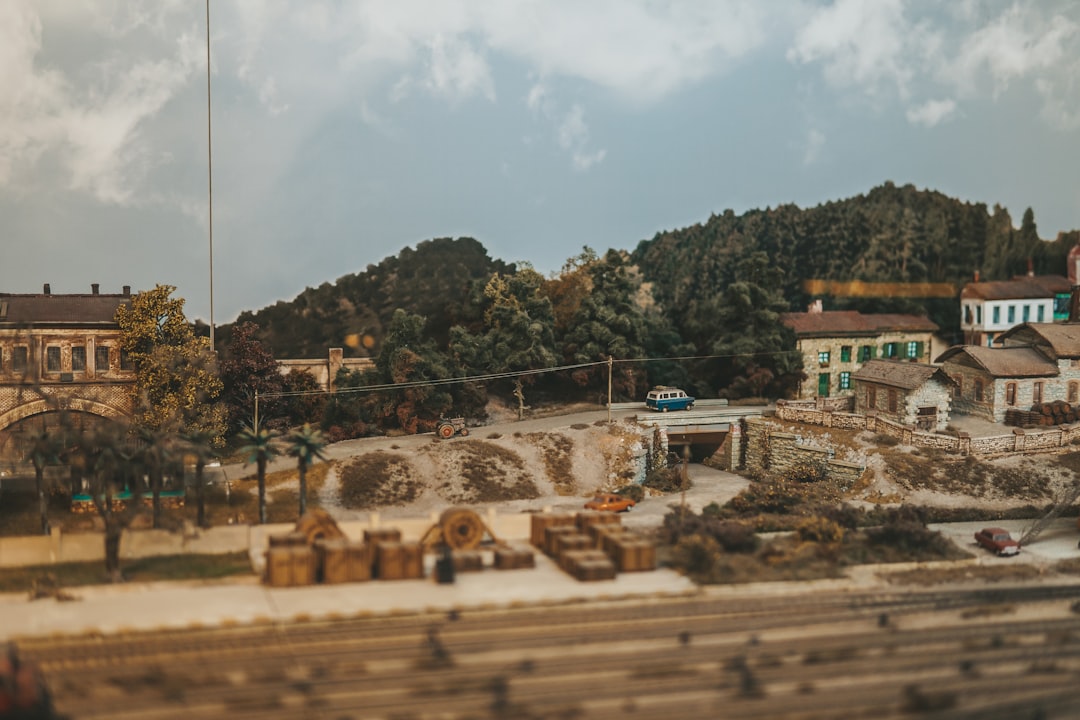
Structures and details bring personality to your layout. Buildings, utility poles, fences, and signs tell a story about your miniature world. Arrange these elements thoughtfully to create believable scenes such as small towns, industrial areas, or rural countryside. The human eye naturally looks for narrative in a landscape, so give it one.
Consider exploring model train landscape terrain products that offer variety in textures and finishes. These materials help you create diverse environments within a single layout, preventing monotony across your entire scene.
Finally, don't rush the process. Great scenery takes time to plan and execute properly. Step back frequently to view your work from the perspective of someone operating a locomotive or simply enjoying the layout. This helps you spot areas that need adjustment before you've committed too much effort. With patience and attention to detail, your O-gauge layout will become a miniature world that captivates everyone who sees it.
Newsletter
Weekly O-gauge tips & reviews
New reviews, layout ideas, and hobby news — straight to your inbox.