Lionel ZW vs ZW-L vs MTH Z-4000: Complete 2026 Transformer Comparison
November 5, 2026
Three big multi-train transformers dominate conventional O-gauge layouts: the postwar Lionel ZW, its modern successor the Lionel ZW-L, and the MTH Z-4000. All three can run more than one train, all three have real throttle handles, and all three cost very different amounts. This 2026 comparison lines them up on power, outputs, controls, command compatibility and price, then tells you which one fits your layout.
The Three Transformers at a Glance
| Lionel ZW (postwar) | Lionel ZW-L | MTH Z-4000 | |
|---|---|---|---|
| Years | 1948 to 1966 | Modern production | Since 1998 |
| Rated power | 250 W (1948-49), 275 W (1950 on) | 620 VA | 400 W continuous |
| Outputs | 4 variable | 4 channels, 0-18 V, 180 W max each | 2 variable (about 21 V max, 10 A each), plus fixed 14 V and 10 V |
| Train controls | Whistle and direction on the 2 outer handles | Whistle, bell and direction on the 2 engineer-type handles | Whistle/horn, bell and direction for each track |
| Meters | None | 4 analog volt and amp meters | Digital volt and amp display per track |
| Protection | One internal breaker | 12-amp breaker per channel, cooling fan | Breaker per output, cooling fan |
| Price | Used market, typically low hundreds | $999.99 MSRP | $649.95 MSRP |
Lionel ZW (Postwar): The Classic
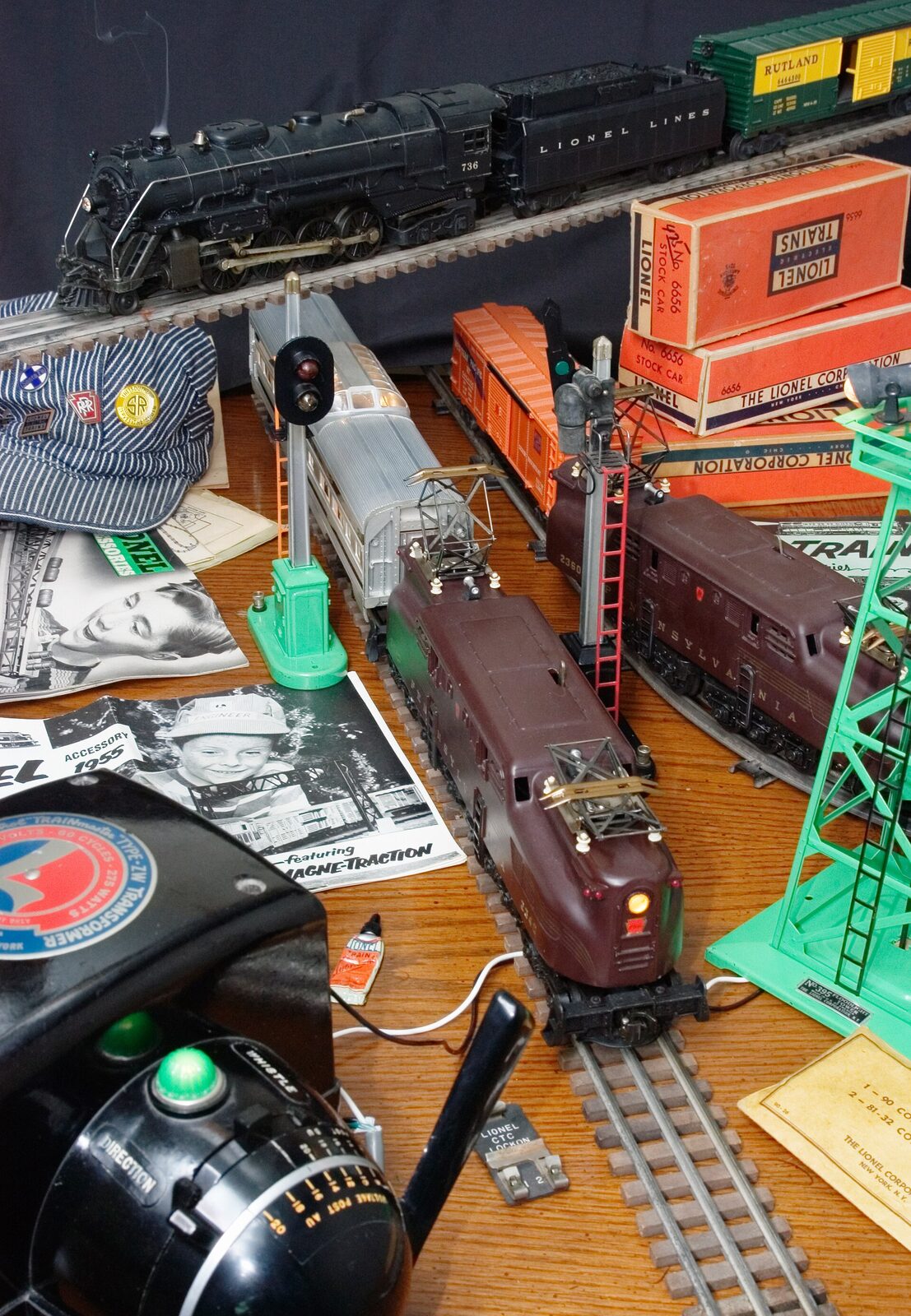
The ZW was Lionel's top transformer from 1948 to 1966. Early units (1948-49) are rated at 250 watts; from 1950 on the rating is 275 watts, and the redesigned ZW-R arrived in 1957. It has four variable outputs, roughly 6 to 20 volts, and no fixed accessory outputs. The two outer handles have a lever for the whistle and direction; the two inner handles are plain controls without them.
Strengths: it is a large, simple, rugged transformer that operators have trusted for decades, and as a true transformer with a carbon roller it puts out a clean AC sine wave. It runs postwar trains exactly as they were designed to run.
Weaknesses: it is 60 to 75 years old. Original power cords, binding posts, carbon rollers and the whistle rectifier wear out, and the single internal breaker is slow by modern standards. Any vintage ZW should be inspected or serviced before use, and many command-control operators add fast-acting breakers between it and the track. Output can also exceed 20 volts, more than some non-Lionel and modern equipment wants.
Price: untested units often sell for under $100, and serviced, working units typically sell in the low hundreds depending on condition and whether the box is included. For restoration details, see our ZW history and restoration guide.
Lionel ZW-L: The Modern ZW
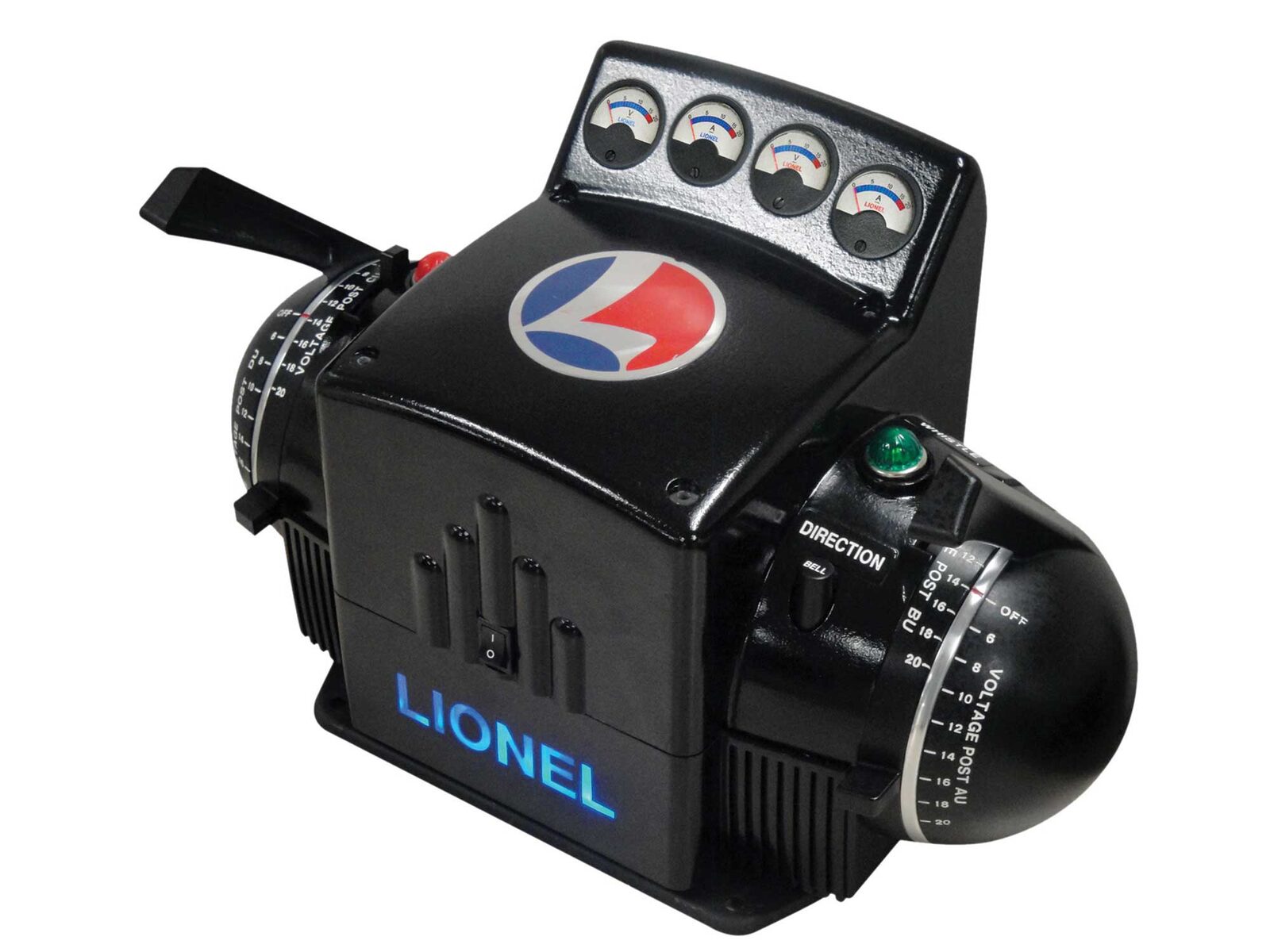
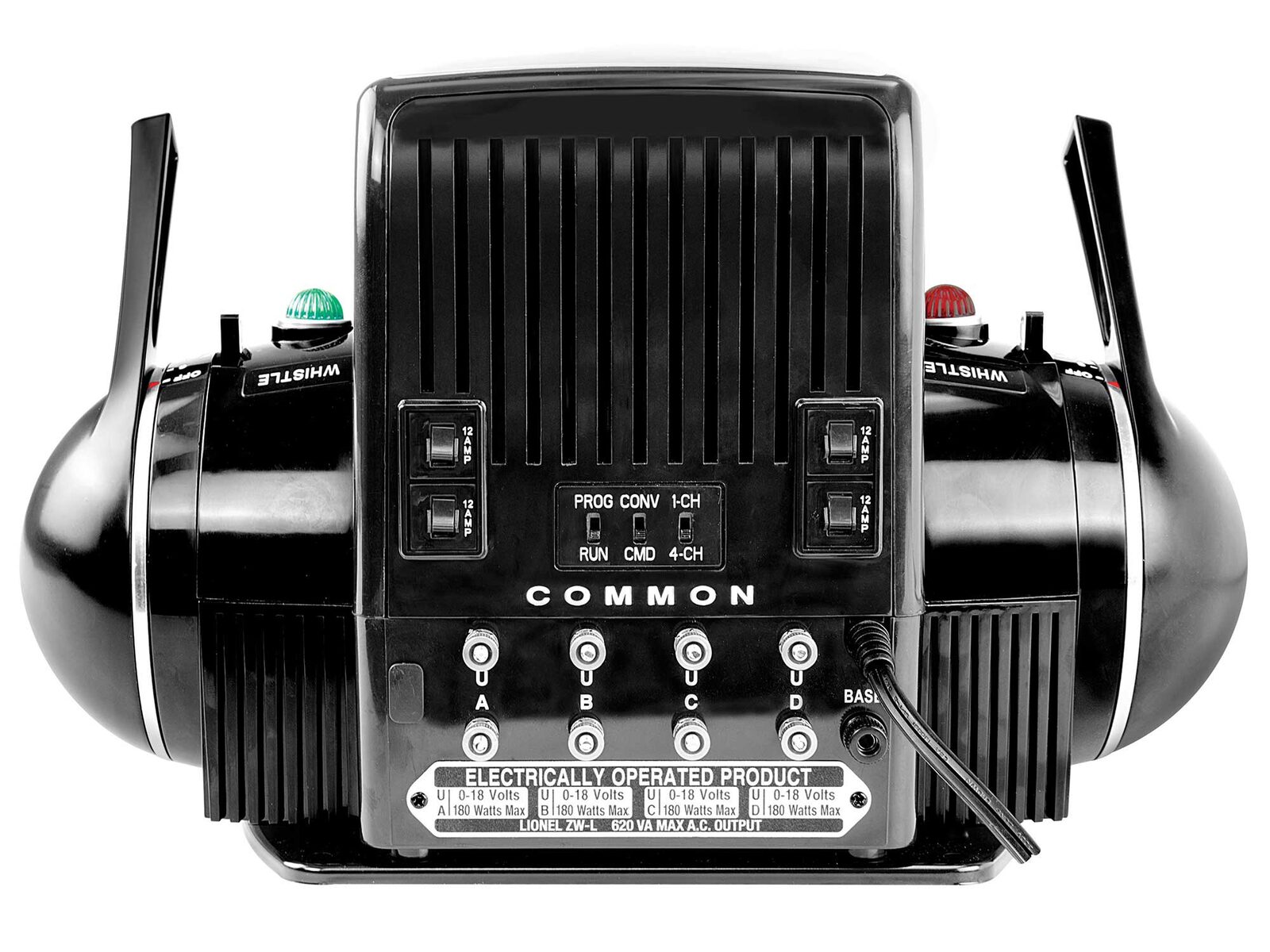
The ZW-L keeps the classic ZW look and four-channel layout but rebuilds everything inside. Lionel rates it at 620 watts with the power supply built in, so there are no separate bricks. The rear plate lists four outputs, A through D, each 0 to 18 volts and 180 watts maximum, each with its own 12-amp breaker.
Lionel describes the two large engineer-type handles as independent variable-voltage train circuits with built-in whistle, bell and direction controls, with the other two channels set by dial for accessories or more track. Four analog meters show voltage and current, a temperature-controlled fan keeps it cool, and the lettering on the front lights up blue when it is on. The rear panel also carries a CONV/CMD switch and a BASE jack for tying it into Lionel's command system.
Strengths: the most power of the three, four independent channels, modern breakers on every output, and an 18-volt ceiling that matches what modern Lionel equipment and command layouts expect.
Weaknesses: price. At $999.99 MSRP it costs far more than a used ZW and more than a Z-4000. As of this writing, Lionel lists it as a pre-order with an estimated ship date of December 2, 2026, so check availability before you plan around it.
MTH Z-4000: The Command-Friendly Workhorse
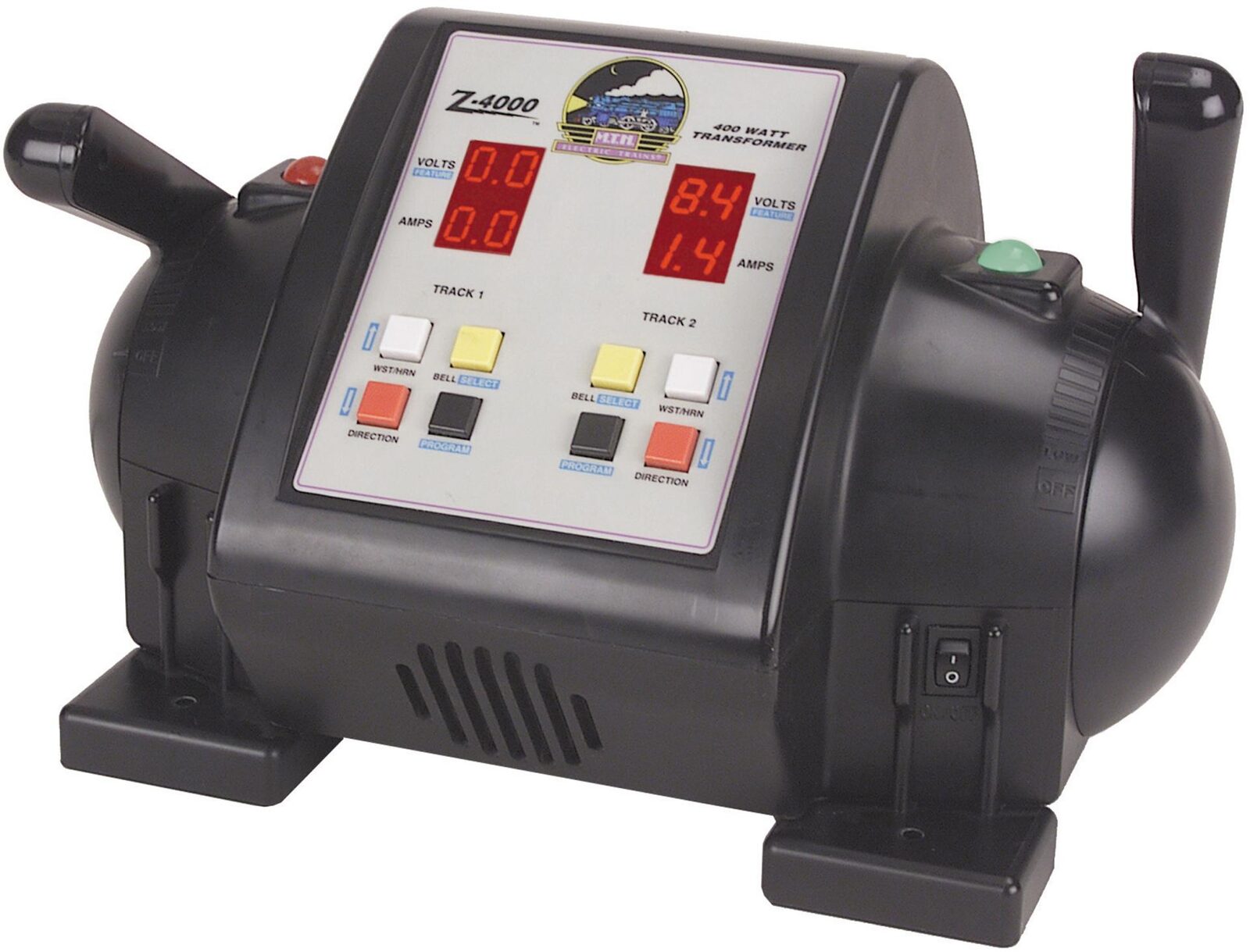
MTH introduced the Z-4000 in 1998 and it has stayed a favorite of both conventional and command operators. It delivers 400 watts of continuous power through two variable track outputs, each rated at 10 amps with a top end of about 21 volts, plus two fixed accessory outputs at 14 and 10 volts. Each track has a bright digital readout for volts and amps, and buttons for whistle or horn, bell, direction and programming.
MTH lists pure sine wave output, a cooling fan, circuit breaker protection on every output and UL listing. A power-up design keeps trains from lurching off when you switch it on. An optional Z-4000 Remote Commander system adds wireless control.
Strengths: easy-to-read digital meters, separate fixed accessory outputs, a strong track record with MTH DCS layouts, and a lower list price than the ZW-L.
Weaknesses: only two variable track outputs, so it runs two trains at once versus four on either ZW. Its variable outputs can go above the roughly 18 volts most command layouts run at, so set the handles with the meter. MSRP is $649.95, and MTH's site lists it as available through stores, so dealer stock may be limited.
What About Command-Only Layouts?
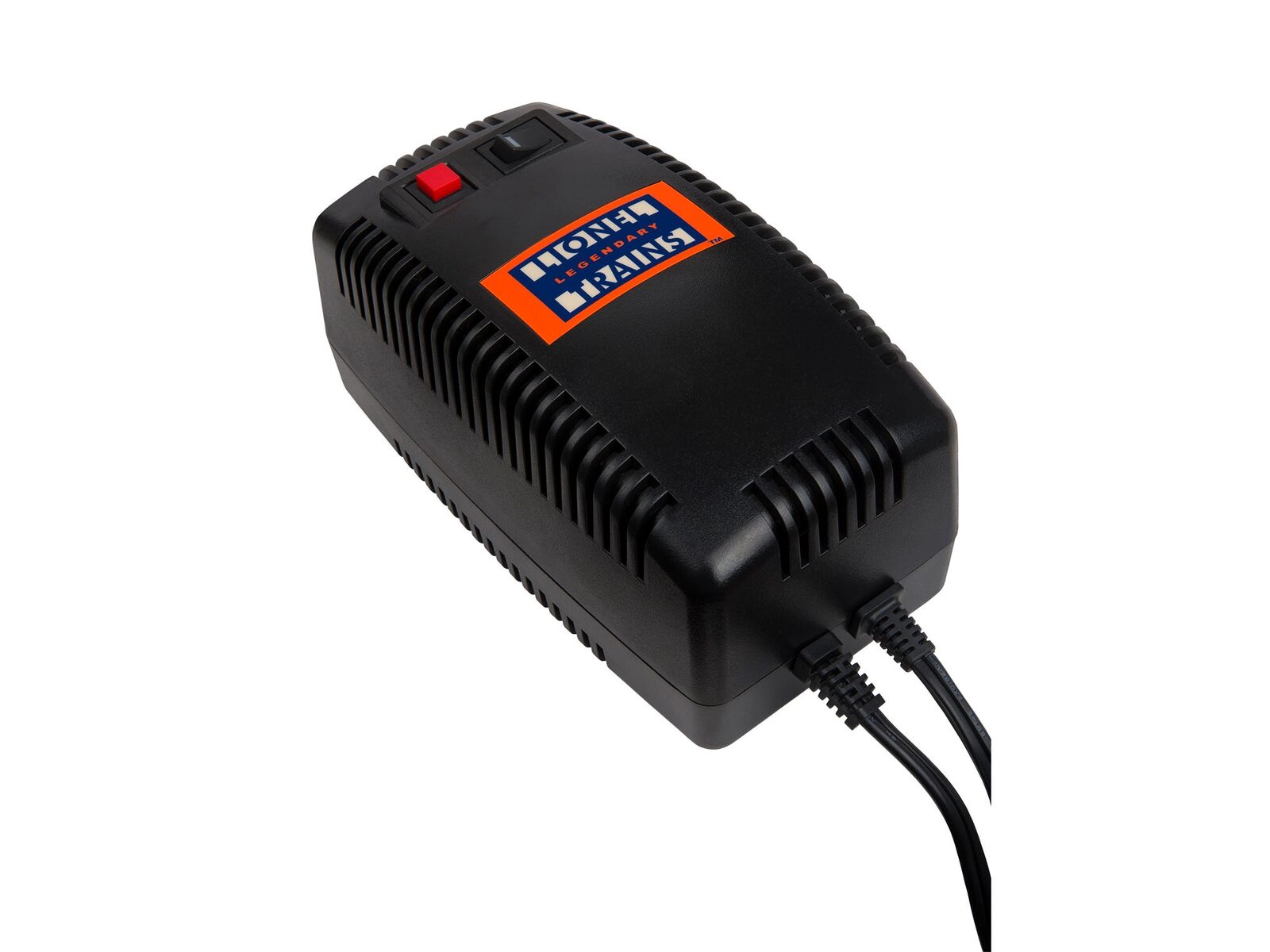
If every locomotive you run is LEGACY, TMCC, LionChief or DCS and you never use handles, you do not need any of these three. Command layouts run on fixed track voltage, and 180-watt PowerHouse bricks or similar supplies, one per power district, do that job for less money. See our transformer sizing guide to work out how many watts you need, and our DCS vs LEGACY vs LionChief comparison if you are still choosing a system.
The big handle transformers make sense when you run conventional trains, especially postwar, or run a mix of conventional and command on separate loops.
Which Should You Buy?
- Postwar collection, tight budget: a serviced postwar ZW. Nothing runs postwar trains more authentically for the money.
- Four loops, modern equipment, want new: the ZW-L. Four channels at 18 volts with modern breakers, if the price and availability work for you.
- Two loops, mixed conventional and command, especially MTH: the Z-4000. Digital meters and fixed accessory outputs make it the most practical of the three.
- Command only: skip all three and use PowerHouse bricks.
For a wider look at power options, our best O-gauge transformers buyer's guide covers smaller units like the CW-80 and the MTH Z-750 and Z-1000.
Frequently Asked Questions
Is the ZW-L better than the original ZW?
It has more power (620 watts vs 275), a breaker on each channel, meters, a fan and an 18-volt ceiling suited to modern equipment. The original ZW costs far less and runs postwar trains authentically, but it needs servicing and added protection.
Can a postwar ZW run LEGACY or TMCC trains?
Many operators use a serviced ZW to power command track at a fixed voltage, usually with fast-acting breakers added between the transformer and the track because the internal breaker is slow.
How many trains can the MTH Z-4000 run?
Two, one on each variable output. Its two fixed outputs (14 and 10 volts) are for accessories.
How much is a postwar Lionel ZW worth?
Untested units often sell for under $100, and serviced, working units typically sell in the low hundreds depending on condition and box.
Do I need a big transformer for a command layout?
No. Command layouts run on fixed track voltage, so 180-watt PowerHouse bricks or similar supplies do the job for less.
Newsletter
Weekly O-gauge tips & reviews
New reviews, layout ideas, and hobby news — straight to your inbox.