Lionel vs American Flyer: O-Gauge vs S-Gauge Compared in 2026
June 17, 2026
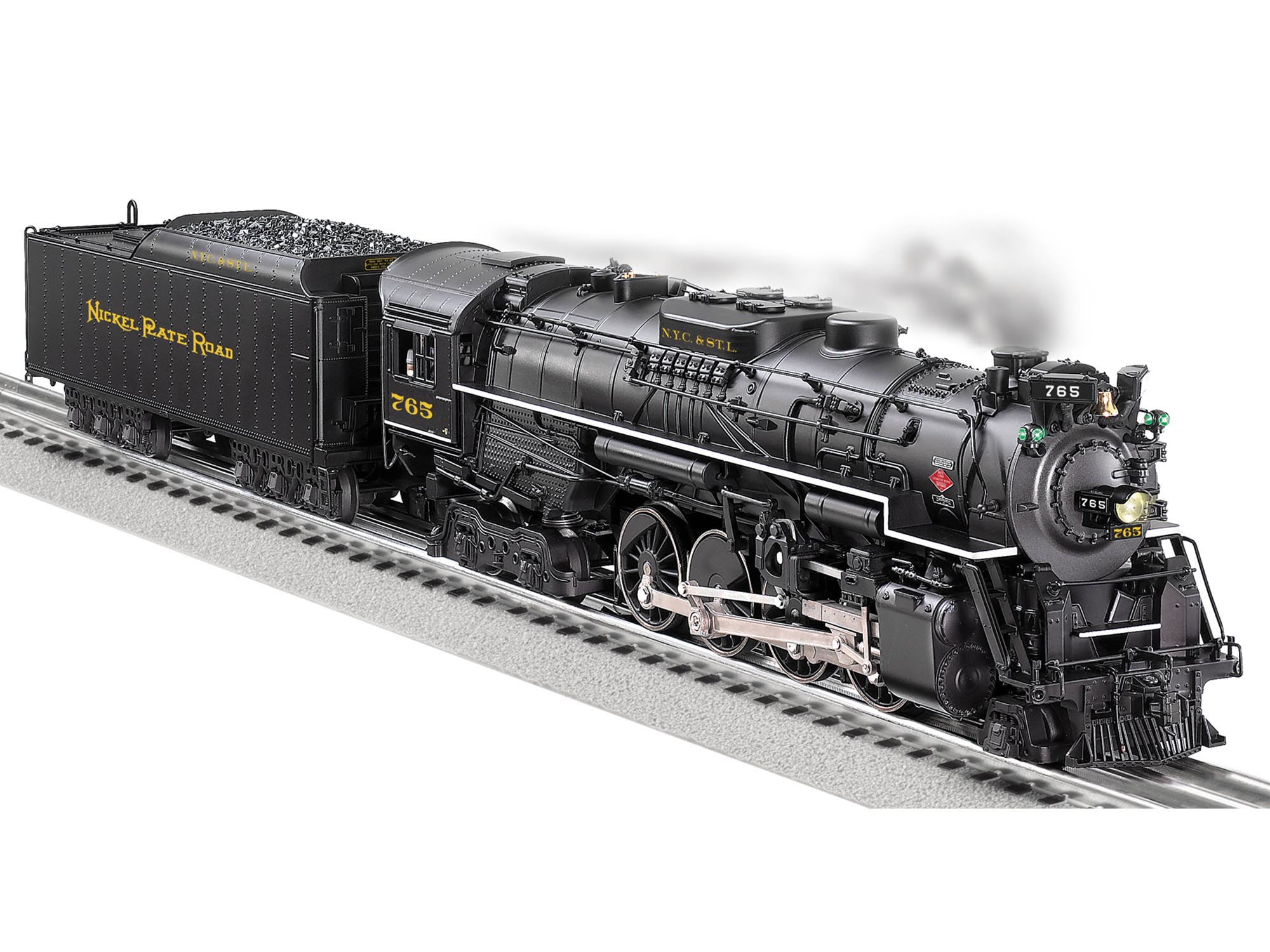
Lionel vs American Flyer — it's one of the oldest debates in American toy trains, and the answer matters more than ever in 2026. Lionel and American Flyer competed head-to-head for decades, each with passionate collectors and meaningfully different technical approaches. This vibetrains.com guide explains the Lionel vs American Flyer comparison in 2026 — O-gauge three-rail vs S-gauge two-rail, brand history, current production, collector value, and which one belongs on your layout.
Quick Answer: Lionel vs American Flyer
Lionel dominates the modern toy train market in 2026 — O-gauge three-rail, extensive current production, Bluetooth and LEGACY command systems, the largest dealer network. American Flyer is S-gauge two-rail, smaller scale than Lionel O, much more limited current production, primarily a collector and vintage operator market. For new hobbyists in 2026, Lionel is the active choice with the deeper ecosystem. American Flyer remains valuable for collectors and for hobbyists committed to the smaller S-gauge scale.
The History: Two American Brands
Lionel was founded in 1900 by Joshua Lionel Cowen and became synonymous with American toy trains throughout the 20th century. American Flyer was founded in 1907 and competed with Lionel for decades, especially during the golden age of toy trains in the 1940s and 1950s. American Flyer was acquired by Lionel in 1967 — meaning the same parent company has technically owned both brands since then, though Lionel produces both lines today. American Flyer production has been intermittent and limited in the modern era, while Lionel O-gauge has continued as the dominant brand. For more on Lionel history, see our best Lionel locomotives of all time.
The Key Technical Difference: O vs S Gauge
The fundamental difference isn't the brand — it's the scale. Lionel O-gauge runs on three-rail track with 1.25-inch gauge between the outer rails. The third center rail carries power; the outer two carry the return. Locomotives use pickup rollers to draw power from the center rail. American Flyer S-gauge runs on two-rail track at 7/8-inch gauge between the rails. Power runs through the rails like prototype railroads (and like HO and N scale). The scales are roughly 1:48 (O) vs 1:64 (S) — meaning American Flyer trains are physically smaller than Lionel trains of the same prototype.
Why Three-Rail vs Two-Rail Matters
The three-rail vs two-rail decision shapes the layout experience. Three-rail (Lionel O) is more forgiving — reversing loops don't require special wiring, polarity isn't an issue, and complex track plans are easier to wire. Two-rail (American Flyer S) looks more prototypical (real railroads don't have a third rail) but requires careful electrical isolation in reverse loops and is more sensitive to track cleanliness. For visual realism in photos and operations, two-rail wins. For ease of construction and operation, three-rail wins. Most American O-gauge hobbyists choose three-rail Lionel for the operational simplicity.
Current Production: Lionel Dominates
In 2026, the production volume gap is enormous. Lionel produces hundreds of new O-gauge items per catalog year across LionChief, LionChief Plus 2.0, LEGACY, and Vision Line tiers. The current Lionel catalog covers every major American railroad in current and heritage paint schemes. American Flyer S-gauge production has been limited to small annual reissues — a few classic locomotives and accessories per year, often tied to nostalgia and the holiday season. If you want current production with a wide selection, Lionel is the active choice. American Flyer is a collector market with limited new product flow.
Scale Comparison: Which Looks Better
The two scales have different visual personalities. Lionel O-gauge (1:48) trains are larger, more impressive, fill more space, and have more visible detail at normal viewing distance. They feel substantial — die-cast Vision Line locomotives can weigh 8-12 pounds. American Flyer S-gauge (1:64) trains are smaller but allow more layout in less space — the same room that holds a 4x8 O-gauge layout can hold a meaningfully larger S-gauge layout. For visual impact, Lionel O wins. For more layout in available space, American Flyer S has advantages.
Collector Value Comparison
Postwar Lionel O-gauge (1945-1969) is the dominant American toy train collector category — by an enormous margin. Postwar American Flyer S-gauge has a smaller but devoted collector base. Values for comparable postwar pieces typically favor Lionel by 30-50% — meaning a Lionel postwar 2037 will outsell a comparable American Flyer steamer by significant margins. Modern Lionel collectibles (Vision Line, certain LEGACY pieces) hold value strongly; modern American Flyer collectibles are more limited. For Lionel-specific valuation, see our Lionel value guide.
Pricing in 2026
New product pricing differs meaningfully. Lionel LionChief starter sets run $199-$299. Lionel LEGACY locomotives $550-$1,200 individually. Lionel Vision Line $1,400-$2,200+. American Flyer S-gauge starter sets (when available) typically $349-$499 — more expensive than equivalent Lionel due to limited production scale. Used market American Flyer postwar is often more affordable than Lionel postwar of comparable era — fewer buyers means softer prices. For more on cost across the hobby, see our O-gauge pricing guide.
Where to Buy
Lionel is widely available through Lionel-authorized dealers, train shows, online retailers (Trainz, Charles Ro, Mario's Trains), and Amazon. American Flyer is more specialized — primarily through Lionel-authorized dealers, dedicated S-gauge specialists, and the American Flyer collector community. The S-gauge market is smaller but well-organized; the NASG (National Association of S Gaugers) is the central organization. For Lionel dealer guidance, see our where to buy O-gauge trains guide. Browse Lionel O-gauge sets on Amazon for current pricing.
Layout Compatibility
Important: Lionel O and American Flyer S are NOT compatible. Different track, different scale, different rolling stock. You can't run American Flyer trains on Lionel O-gauge track and vice versa. If you build an O-gauge layout you're committed to O-gauge equipment; if you build an S-gauge layout you're committed to S-gauge equipment. Pick the scale before committing to the track and equipment. The good news: within each scale, equipment from multiple manufacturers is compatible (Lionel, MTH, Williams all use the same O-gauge three-rail standard; multiple S-gauge manufacturers use the same S-gauge two-rail standard).
Which Should You Choose in 2026?
For most new hobbyists, choose Lionel O-gauge. The reasons: wider current product selection, deeper dealer network, more layout-friendly three-rail wiring, larger and more impressive trains, stronger collector value retention. Choose American Flyer S-gauge if: you've inherited an existing S-gauge collection, you specifically want the more prototypical two-rail look, you're nostalgic for the American Flyer brand from your childhood, or your space constraints favor the smaller scale's footprint advantage. Both are legitimate choices; Lionel is the safer default in 2026.
The Lionel Acquired American Flyer Question
One source of confusion: since Lionel acquired American Flyer in 1967, both brands are technically under the same corporate umbrella in 2026. This doesn't mean they're the same product — Lionel and American Flyer maintain separate scale standards, separate product lines, and separate identities. The Lionel ownership means American Flyer benefits from Lionel's manufacturing capacity and dealer network, but the brands remain meaningfully distinct in product offering, scale, and marketing position.
Frequently Asked Questions
Are Lionel and American Flyer the same? No. Lionel makes O-gauge three-rail trains; American Flyer makes S-gauge two-rail trains. The two scales are not compatible. Lionel has owned the American Flyer brand since 1967 but the products are separate.
Which is bigger, Lionel or American Flyer trains? Lionel O-gauge trains are larger (1:48 scale) than American Flyer S-gauge trains (1:64 scale). A given prototype model is meaningfully bigger in Lionel O than in American Flyer S.
Is American Flyer still made? Yes, in limited quantities under the Lionel corporate umbrella. Production is smaller than Lionel O-gauge with fewer new models per year.
Which is more valuable, Lionel or American Flyer? Postwar Lionel is generally more valuable than postwar American Flyer of comparable era, by 30-50% margins. Modern Lionel Vision Line and rare LEGACY pieces hold value strongly; American Flyer modern collectibles are less liquid.
Can I run American Flyer trains on Lionel track? No. American Flyer S-gauge uses two-rail track at different gauge spacing than Lionel O-gauge three-rail. The systems are not compatible.
Final Word
Lionel vs American Flyer in 2026 isn't a close competition for most new hobbyists — Lionel O-gauge dominates the modern toy train market, with deeper product selection, stronger collector value, and a more accessible ecosystem. American Flyer S-gauge remains valuable as a collector category and for hobbyists committed to the smaller two-rail scale. For most modern buyers in 2026, start with Lionel and never look back. For more on Lionel-specific choices, see our Lionel vs MTH vs Williams guide.
Newsletter
Weekly O-gauge tips & reviews
New reviews, layout ideas, and hobby news — straight to your inbox.