Lionel Prewar Trains: Complete Collector's Introduction for 2026
July 14, 2026
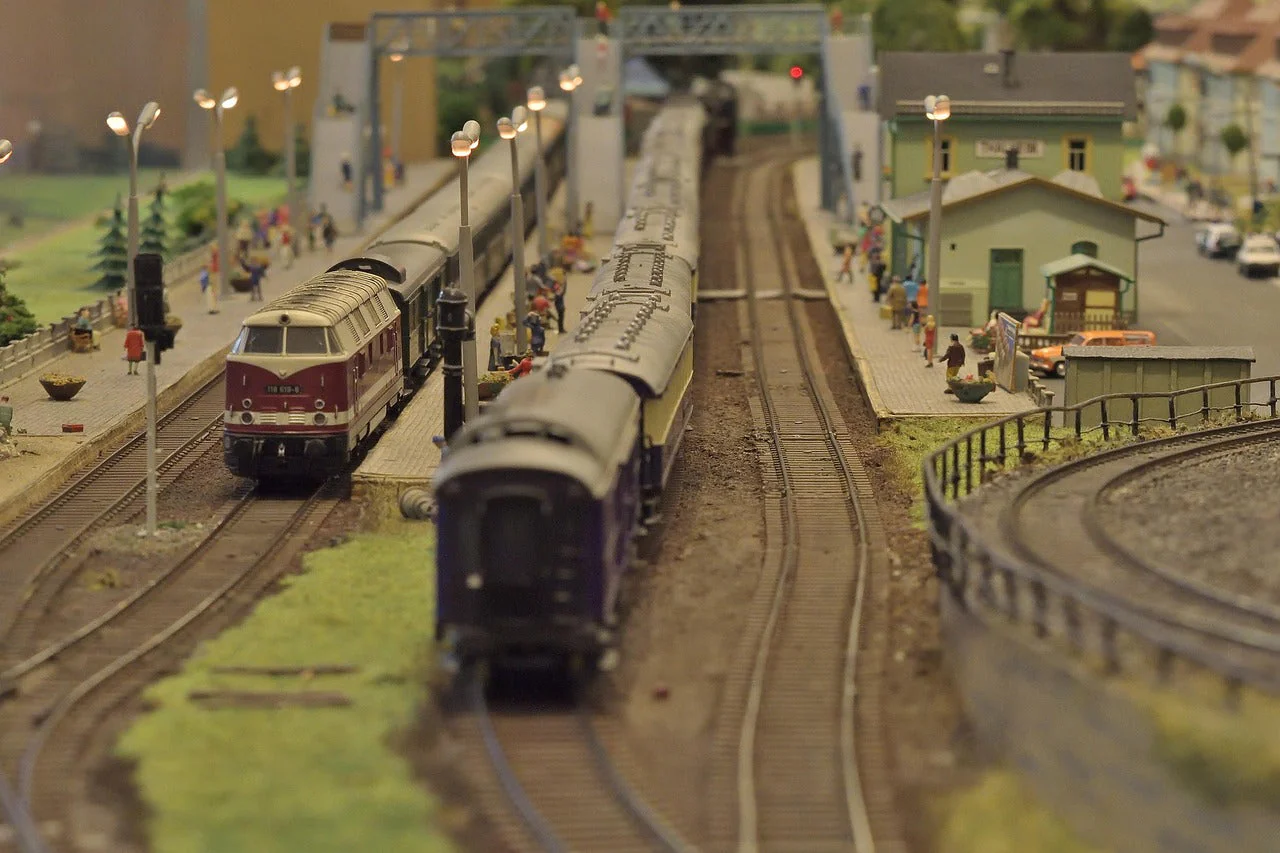
Prewar Lionel trains — the pieces manufactured between 1900 and 1942 — represent the origin of American electric toy trains and the foundation of every Lionel collection that came after. Prewar collecting is a distinct discipline from postwar collecting. Different scales, different values, different authentication challenges, and a smaller but deeply knowledgeable collector community. This vibetrains.com guide introduces prewar Lionel collecting for hobbyists who want to understand what these pieces are, what they're worth, and how to start a collection safely.
Before diving in: prewar collecting is deeper water than postwar. Values are higher, fakes are more sophisticated, and authentication expertise takes years to develop. Take your time and buy from established dealers or through TCA-connected sources.
The Prewar Era: 1900-1942
Joshua Lionel Cowen founded The Lionel Corporation in 1900 and produced electric trains continuously (except for wartime interruptions) through 1942. This period encompasses the golden age of American toy train manufacturing — the era before plastic, before diesel-modeled trains dominated production, and before the postwar consumer boom transformed the hobby into a mass market. Prewar Lionel represents craftsmanship, mechanical sophistication, and design confidence that later eras rarely matched.
The 1942 endpoint is significant. World War II halted civilian train production entirely as Lionel converted to military manufacturing. Production resumed in 1945 with meaningfully different design philosophy, materials, and target market. The 1900-1942 period is a coherent design era; 1945 onward is a separate era with different collecting rules.
Standard Gauge vs O-Gauge in the Prewar Era
Prewar Lionel produced trains in two primary track gauges: Standard Gauge (2 and 1/8 inch between rails) and O-gauge (1 and 1/4 inch between rails). Understanding the distinction matters because they don't interchange and they attract different collectors.
Standard Gauge was Lionel's larger, more expensive line. Bigger locomotives, bigger track, room-filling presence. Standard Gauge production wound down in the 1930s as O-gauge grew, but Lionel continued limited Standard Gauge production through the 1930s. Collectors of Standard Gauge are a specialized subgroup — the trains are impressive but require serious space and command premium prices.
O-gauge was Lionel's smaller, more accessible line. It grew steadily through the 1920s-30s and became the dominant American electric train scale by the late 1930s. Modern O-gauge collectors typically focus on O-gauge prewar pieces because they're compatible with modern O-gauge track systems.
Iconic Prewar Pieces
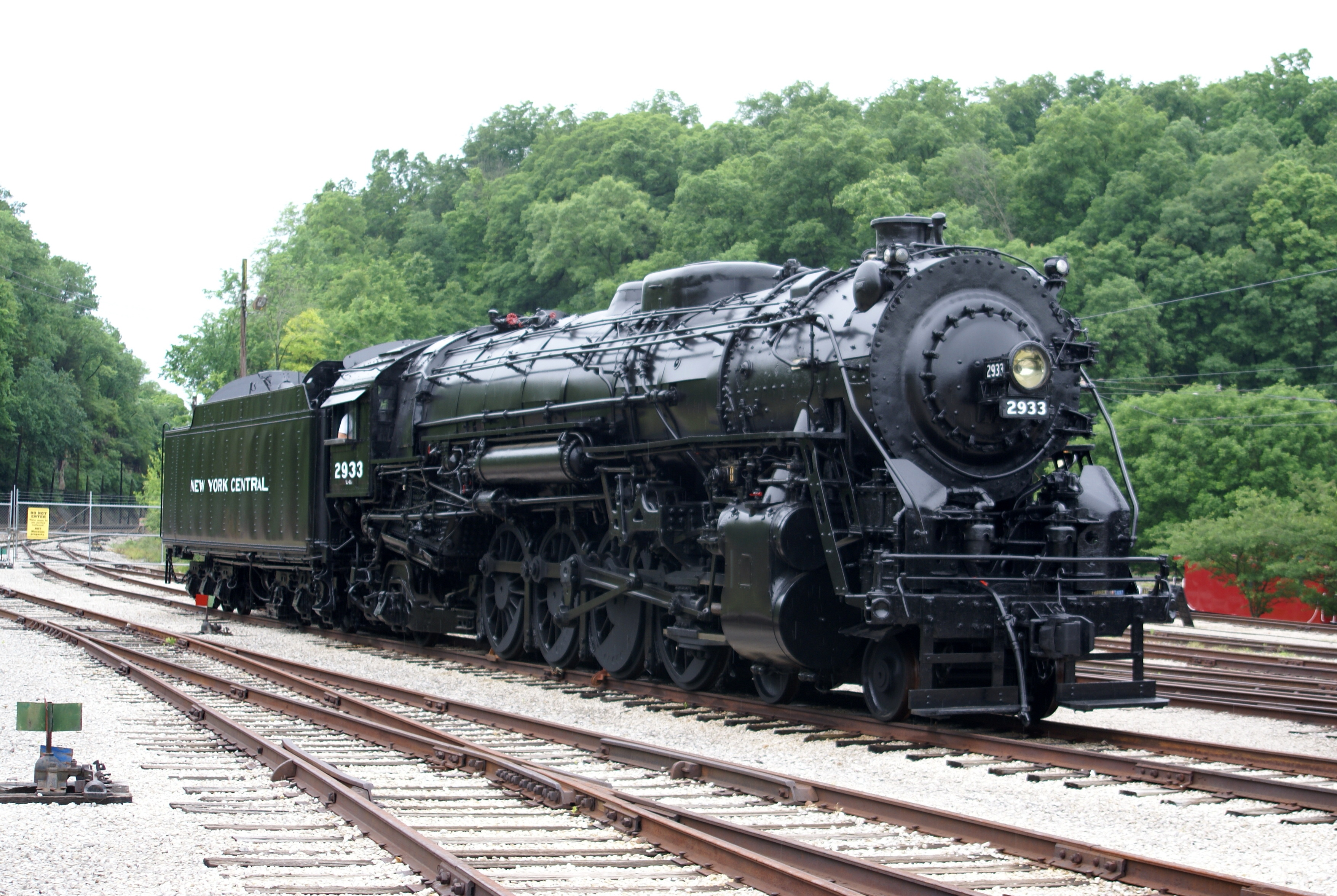
Several prewar Lionel pieces defined the era and remain the most-sought-after items today.
The 700E Hudson (1937): Lionel's first true scale model — a brass-detailed New York Central J-1 Hudson at O-gauge scale, produced in tiny quantities. Original 700Es in collector condition trade for $5,000 to $15,000+. The 700E is the holy grail of prewar Lionel collecting and is Lionel's first "scale" locomotive predating the postwar tinplate aesthetic. Modern LEGACY and Vision Line Hudsons are essentially reissues of this design.
The 226E: A flagship prewar steam locomotive, heavy die-cast construction. Iconic prewar aesthetic. Values in collector condition range $500-$1,500.
The 254 Electric: A prewar steeple-cab electric locomotive representative of the Northeast electrified railroad era. Multiple color variations exist and rarer color combinations command significant premiums.
Standard Gauge 400E: A large Standard Gauge steam locomotive with impressive visual presence. Standard Gauge collectors value the 400E highly.
Prewar operating accessories: Illuminated stations, watchmen's shanties, semaphore signals with working animation. These add to any prewar collection and often provide more affordable entry points than premium locomotives.
Prewar Lionel Values in 2026
Approximate collector values in 2026 for common prewar Lionel pieces in C-7 condition or better:
Common prewar steam locomotives: $150-$400
Larger prewar steam locomotives: $400-$1,000
Standard Gauge locomotives: $500-$3,000+ depending on model and condition
Iconic prewar (700E Hudson, rare 226E variants): $2,000-$15,000+
Prewar operating accessories: $75-$500 depending on rarity
Prewar rolling stock: $50-$300 per piece for common items; rare color variants substantially higher
For broader valuation context that applies across eras, see our Lionel train value guide.
Condition Grading for Prewar
Prewar Lionel uses the same TCA grading scale as postwar (C-1 through C-10) but the standards are applied slightly differently. Prewar pieces are 80+ years old — some honest wear is expected and doesn't degrade the grade the same way it would on a 60-year-old postwar piece.
What matters most for prewar grading:
Original finish: Prewar Lionel paint is typically enamel, and original enamel finish is preserved by careful storage. Repaints are common on prewar pieces and always reduce collector value significantly.
Original mechanical function: Motor works, running gear moves smoothly, wheels aren't damaged. Prewar mechanisms are simpler than postwar and often still function with basic servicing.
Original components: Original decals, original couplers, original wheels. Replacement components reduce value.
Original box and paperwork: Prewar boxes are extremely rare survivors. Pieces with original boxes command significant premiums — sometimes 50-100% or more over the same piece without box.
Where to Buy Prewar Lionel
Prewar Lionel is not a category to buy on eBay without expertise. The financial motivation for fakes is highest at the prewar end of the market, and authentication requires specialized knowledge that most non-specialists don't have. Established dealers and TCA-connected sources are the safest paths:
Trainz: Major online dealer with strong prewar inventory and TCA-certified grading. Multiple prewar pieces typically available.
Continental Hobby House Auctions: Specialty auction house handling premium prewar consignments. Best for high-value pieces where auction bidding produces the strongest prices.
Stout Auctions: Toy train auction specialist. Regular prewar consignments.
Public Delivery Track: Serious collector-focused dealer with prewar inventory and deep authentication knowledge.
Regional train show consignments (especially York): Attend train shows to inspect prewar pieces in person. York in April and October regularly has substantial prewar inventory.
For a complete guide to O-gauge dealers generally, see our where to buy O-gauge trains guide.
Common Prewar Collecting Mistakes
Buying without authentication: Prewar fakes are sophisticated. If you can't authenticate a piece yourself, buy from a dealer who guarantees authenticity in writing.
Overpaying based on optimistic asking prices: Prewar market prices vary dramatically. Reference recent sold prices (auction house records, Trainz sold listings) rather than active asking prices when evaluating a purchase.
Ignoring condition red flags: Repaints, replaced components, and repaired damage all reduce value. Learn to spot these before spending money.
Restoring aggressively: Original honest condition is worth more than restored condition, even when the original shows wear. Don't clean or restore prewar pieces before understanding what the current condition is worth.
For general authentication and counterfeit awareness, see our counterfeit detection guide.
Building a Prewar Collection
The right way to start a prewar collection: acquire a few common pieces first while you learn the market. A prewar steam locomotive, a piece of prewar rolling stock, and a prewar operating accessory can be purchased for under $1,000 combined and give you tangible pieces to study while your knowledge develops.
Attend train shows. Handle prewar pieces at dealer tables. Read Greenberg's prewar guides. Join the TCA and connect with prewar specialists. After a year of study and small purchases, you'll be ready to make larger prewar purchases with confidence.
Frequently Asked Questions
What years does prewar Lionel cover? Prewar Lionel refers to production from 1900 through 1942, when World War II halted civilian train manufacturing.
What's the most valuable prewar Lionel train? The 700E Hudson from 1937 is generally considered the most valuable prewar Lionel piece. Original 700Es in top condition command $5,000-$15,000+.
Is prewar Lionel the same as tinplate Lionel? The two categories overlap but aren't identical. Prewar Lionel refers to the production era (1900-1942); tinplate refers to the design tradition (bright colors, simplified detail, toy-train aesthetic). Most prewar Lionel is tinplate, but Lionel's 700E and a few late-prewar scale pieces represent the scale-modeling tradition rather than pure tinplate.
Can prewar Lionel run on modern O-gauge track? Prewar O-gauge Lionel runs on modern O-gauge track (both O-27/O-31 traditional rail and FasTrack). Standard Gauge does not run on any modern O-gauge track — the gauge is completely different.
How do I authenticate a prewar Lionel purchase? Reference Greenberg's Guide to Lionel Prewar Trains. Compare to authenticated examples at auction house records. Buy from dealers who provide written authenticity guarantees. When in doubt, get a TCA-certified appraisal before committing to a purchase above $500.
Final Word
Prewar Lionel is a deep and rewarding collecting category for hobbyists who take the time to learn the market. Start small, learn continuously, and buy from trusted sources. Over years of careful acquisition, a prewar collection becomes a genuine museum of American electric toy train history — one of the most historically significant collectible categories in American manufacturing. For related collecting context, see our postwar Lionel collecting guide.
Newsletter
Weekly O-gauge tips & reviews
New reviews, layout ideas, and hobby news — straight to your inbox.