Best Lionel Freight Yard Designs: How to Design a Working Yard on Your O-Gauge Layout
August 3, 2026
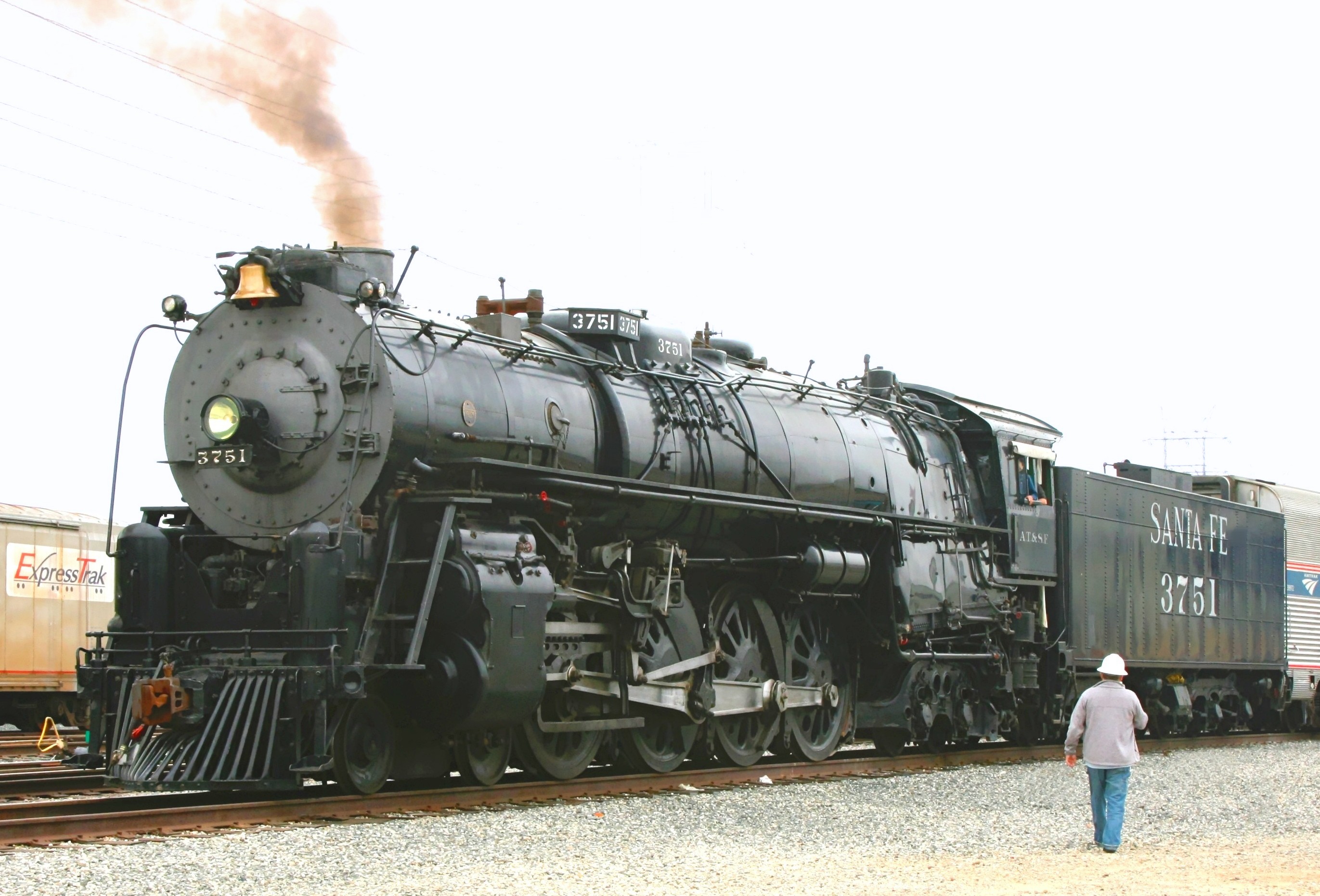
A working freight yard is one of the most operationally rewarding features you can add to an O-gauge layout. Yards support real switching operations, provide staging for main line trains, and give locomotives meaningful work to do beyond circling a loop. This vibetrains.com guide covers how to design a working freight yard on your Lionel layout, covering yard types, track arrangement principles, switching operations, and specific designs that produce genuinely enjoyable yard operations.
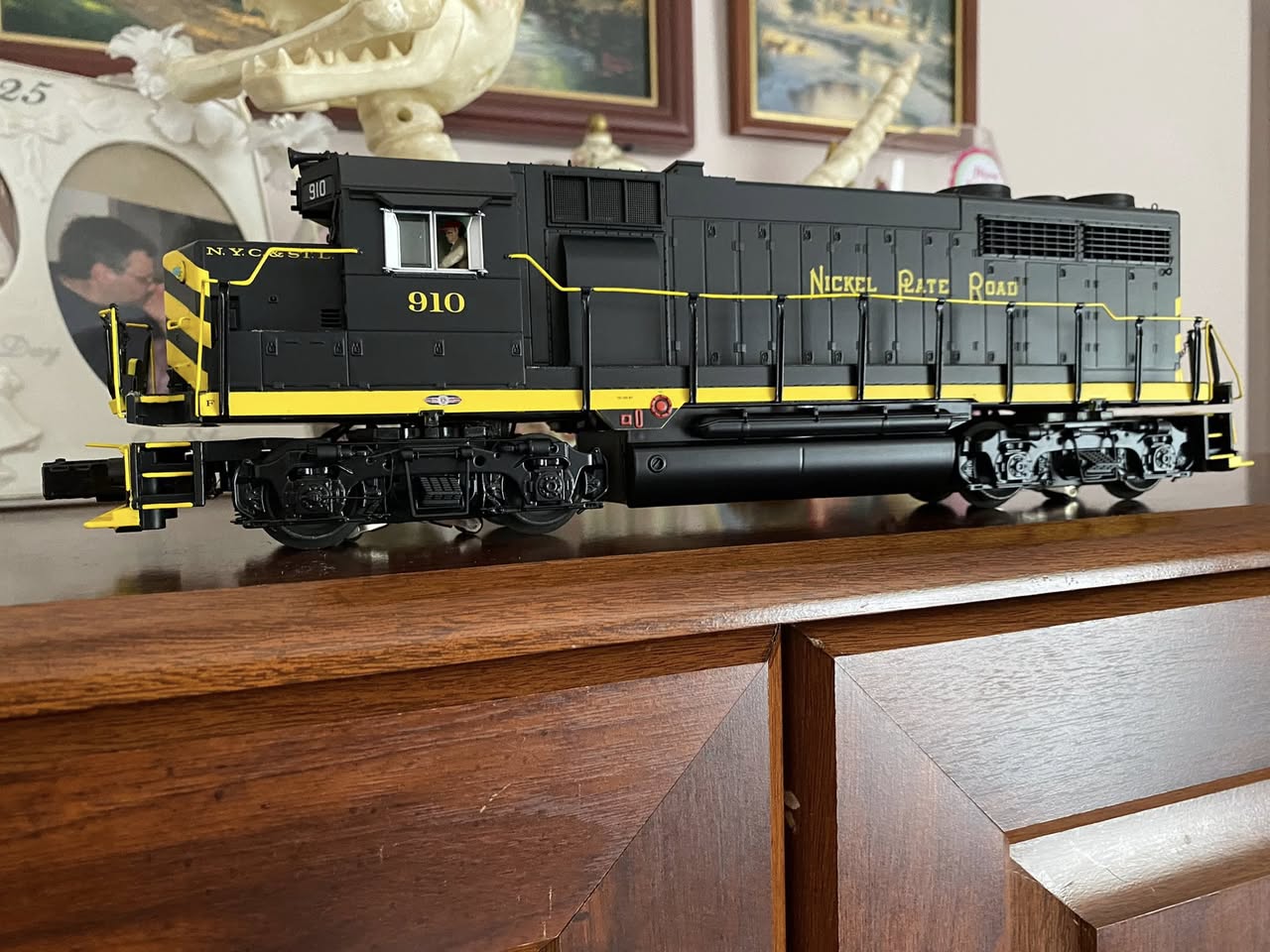
Quick Answer: Freight Yard Design Basics
Essential yard components: 1. Arrival/departure track where mainline trains enter and exit the yard. 2. Ladder track that branches from the main into multiple parallel yard tracks. 3. Classification tracks (typically 3-8 parallel tracks) where cars are sorted by destination or industry. 4. Switching lead — a track dedicated to switching operations that doesn't interfere with main line traffic. 5. Runaround track for locomotives to reach the other end of car strings. 6. Industrial spurs connecting to specific served industries.
Why Yards Matter for Layout Operations
Layouts with only mainlines run trains in circles without purpose. Layouts with yards have somewhere for those trains to actually go — a place where consists are built, broken up, and reassembled based on customer needs. Yards provide:
Operational variety: Every operating session presents new yard tasks — new consists to build, new customers to serve, new switching challenges.
Extended engagement: Yard operations extend session length. A layout with just mainline running gets old quickly; a layout with yards supports hours of engaged operation.
Realistic railroad simulation: Real railroads spend most of their time on yard work rather than mainline running. Yards replicate the actual work railroads do.
Justified equipment purchases: Every industry served by the yard is a reason to buy more freight cars. Yard operations justify collection expansion.
Yard Types
Different yard types support different operations:
Classification yard: Sorts inbound trains and reassembles cars into outbound trains by destination. The most common industrial yard type. Requires multiple parallel classification tracks.
Interchange yard: Exchanges cars between different railroads. Includes tracks connecting to hypothetical other railroads.
Terminal yard: End of a specific line. Passenger service, freight for local industries.
Fueling and servicing yard: Where locomotives are serviced between assignments. Distinct from classification yard.
Industrial spurs and local yards: Small dedicated tracks connecting to specific customer industries.
Most home layouts use classification yards as their primary yard type. They're the most operationally engaging and fit the most space efficiently.
Space Requirements for Yards
Yards need space:
Minimum useful classification yard: 3-4 parallel tracks each 3-4 feet long. Requires roughly 6 feet by 2 feet of dedicated layout space. Sufficient for switching operations that serve 3-4 industries.
Moderate classification yard: 5-8 parallel tracks each 4-6 feet long. Requires 6-10 feet by 3-4 feet. Sufficient for serving 5-8 industries with realistic classification work.
Large classification yard: 8-12+ parallel tracks each 6-10+ feet long. Requires 10-16 feet by 4-6 feet. Full-scale operations with multiple concurrent switching moves.
Match yard size to your layout scale. A 4x8 starter layout can't accommodate a large classification yard; a basement-filling layout can support one.
Ladder Track Design

The ladder track is the section that branches from the yard entrance into the multiple parallel classification tracks. Design principles:
Ladder angle: Switches that branch at #4 (about 14 degrees) or #6 (about 9 degrees) work well for O-gauge ladders. Steeper switches (#4) fit more compact layouts; gentler switches (#6) look more prototypical.
Compact vs distributed ladder: Compact ladders (switches close together) fit more parallel tracks in less space. Distributed ladders (switches spread out) are visually cleaner but use more space.
Track spacing: Parallel yard tracks need enough separation for freight cars to pass each other. O-gauge freight cars are wide; plan track center spacing of 2.5-3 inches or more.
For switch selection, see our best O-gauge switches and turnouts guide.
Switching Lead
The switching lead is a dedicated track used for switching operations without blocking the main line. Design considerations:
Length: Long enough to accommodate the entire switching cut plus the locomotive. Typically 6-15 feet.
Separation from main line: Ideally physically separated from mainline traffic so switching doesn't interfere with mainline operations.
Access to classification tracks: Positioned so switches to all classification tracks are directly accessible.
Without a dedicated switching lead, yard operations block mainline traffic. This is one of the most common yard design mistakes.
Industrial Spur Integration
Industries served by the yard provide the reason for switching operations. Integration principles:
Choose realistic industries: Steel mill, oil refinery, grain elevator, lumber mill, mine, feed store, industrial warehouse. Each generates specific freight car types.
Position within reasonable switching distance: Industries should be accessible from the yard without requiring extensive maneuvering.
Vary industry needs: Different industries need different car types. A layout with steel mill + oil refinery + grain elevator generates constant demand for gondolas, tank cars, and covered hoppers.
Integrate visually: Industries should look like real industrial facilities, not floating boxes. Add scenery and detail.
Operational Patterns
Working yards support specific operational patterns:
Inbound classification: Mainline freight arrives at the yard. Switching locomotive breaks the train into pieces by destination or industry. Cars distributed to classification tracks.
Outbound assembly: Empty cars from industries or classified cars from arrival get assembled into outbound trains by destination.
Industry switching: Cars for specific industries get moved from yard to industry spur. Empty cars get moved from industry back to yard.
Servicing: Locomotives get refueled, serviced. Bad-order cars get set out for repair.
Real yards do all these operations continuously. Model yards can simulate any subset based on space and complexity preferences.
Track Cleaning in Yards
Yards accumulate track contamination faster than mainlines due to concentrated operation. Yard track cleaning strategy:
More frequent cleaning: Clean yard tracks more often than mainline tracks. Every 2-5 operating sessions rather than the 5-10 for mainlines.
Track cleaning cars: Run track cleaning cars specifically through yard tracks during maintenance.
Manual cleaning of switch points: Switch points collect the most contamination and need dedicated attention.
For track cleaning options, see our best track cleaning cars guide.
Wiring Considerations for Yards
Yard wiring is more complex than mainline wiring:
Multiple feeders: Each parallel classification track benefits from its own power feeder to maintain reliable operation.
Block wiring for command control: LEGACY and TMCC command signals need to reach every track section. Multiple feeders ensure reliable command reception throughout the yard.
Isolated blocks for specialized operations: Some hobbyists wire specific yard tracks with independent power for troubleshooting or specialized operations.
For general wiring, see our O-gauge wiring guide.
Locomotive Selection for Yard Work
Yard operations benefit from specific locomotive types:
Small diesel switchers (SW1200, NW2): Compact locomotives designed specifically for yard work. Tight turning radius. Reasonable pulling power for yard consists.
0-8-0 steam switchers: Postwar Lionel yard switchers. Distinctive slow speed operation appropriate for yard work.
Small road switchers (GP9): Handle both mainline and yard work. Practical for smaller layouts running one or two locomotives.
Avoid:
Large road diesels (SD70ACe, SD40): Too long for yard switching. Get in the way of your own switching moves.
Big steam: Big Boy, Berkshires, and other large steam are wrong for yard work operationally and visually.
Frequently Asked Questions
How big does a working yard need to be? Minimum useful yard: 3-4 parallel tracks each 3-4 feet long, requiring about 6 feet by 2 feet of space. Larger yards support more sophisticated operations.
What curves do yard tracks need? Yard tracks typically use tighter curves than mainline tracks — O-31 or O-36 is acceptable for yard operations because you're running short consists at slow speeds.
Can a 4x8 layout have a working yard? Yes, with limitations. A small yard with 3-4 classification tracks fits on a 4x8 layout when planned carefully. Larger yards need more space.
What switches do yards need? Manual FasTrack switches at O-36 work for most yard applications. Command-controlled switches add convenience for LEGACY operations but aren't essential.
How many industries should my yard serve? 3-5 industries provides good operational variety for a home layout. Fewer feels limited; more can be operationally overwhelming.
Final Word
A well-designed yard transforms a layout from track-circling to operational railroading. Start with a modest classification yard, learn the operations, and expand as your understanding grows. For related layout planning topics, see our ultimate vibe train room setup guide and small town modeling guide.
Newsletter
Weekly O-gauge tips & reviews
New reviews, layout ideas, and hobby news — straight to your inbox.