How to Run Two Trains on the Same Loop
March 5, 2026
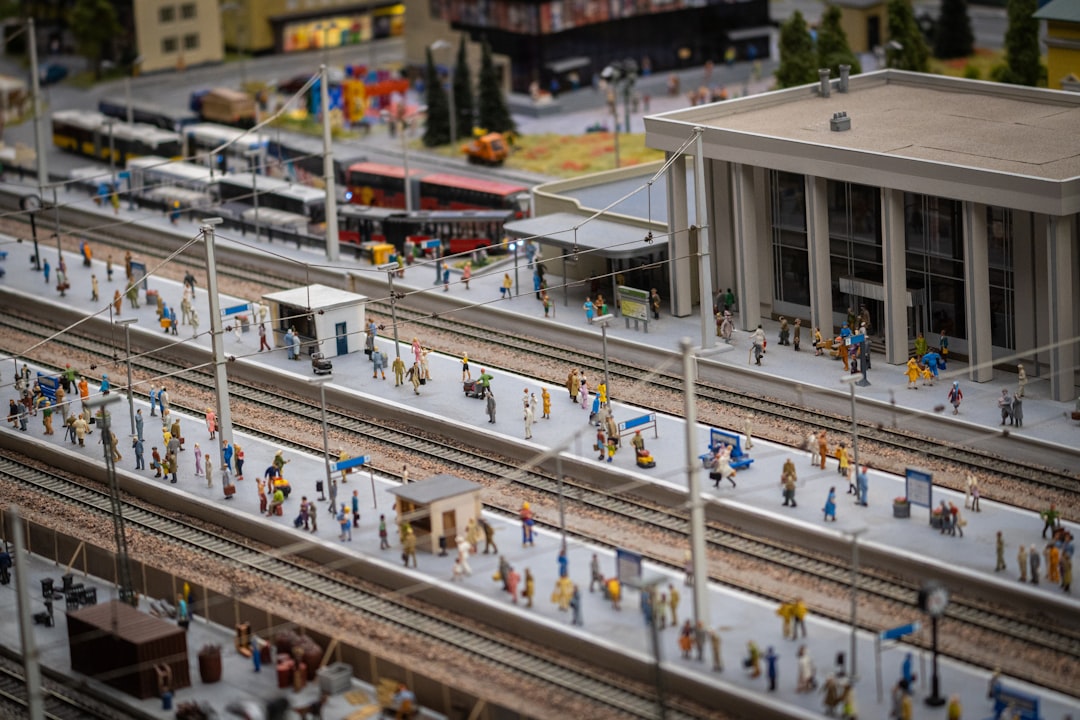
I've been running an O-gauge layout out of my basement for years, and this question comes up every time someone new visits. Here's what I'd actually tell them.
Running two trains simultaneously on the same O-gauge loop is one of the most rewarding upgrades you can make to your Lionel setup, and it's far more achievable than many hobbyists realize. Whether you're looking to create more dynamic switching operations or simply enjoy watching multiple consists move around your layout, this guide will walk you through the essential steps to make it happen.
The foundation of dual-train operation starts with understanding your track configuration. The most common approach involves splitting your main loop into two independent electrical sections using insulated rail joiners. This allows you to control the voltage and direction of each section independently, effectively creating two separate circuits. The outer rail typically remains common to both sections, while the inner rails are isolated from each other. This configuration is called a "two-train block system" and it's the gold standard for most Lionel enthusiasts.
To power these two independent sections, you'll need either two separate transformers or one transformer with dual controls. Many hobbyists upgrade to a dedicated dual-output setup, and finding the right O gauge transformer dual output option can make your installation much cleaner and more reliable. Having two independent power sources gives you complete freedom over speed, direction, and acceleration of each train without any interference between them.
Once your track is properly isolated and wired, you'll need appropriate controls for each section. A quality Lionel train controller for each section will give you precise command over your trains' movements. Modern controllers offer smooth acceleration and deceleration, which not only looks more prototypical but also reduces stress on your locomotives and track.
Before you run anything, thoroughly test your wiring with a multimeter to ensure proper isolation between sections. The last thing you want is a short circuit that could damage your locomotives or transformers. Pay special attention to where your sections meet and ensure all insulated rail joiners are properly installed and seated.
When you're ready to operate, start with both trains moving slowly in opposite directions. This is the safest way to verify everything is working correctly. Once you're confident in your setup, you can experiment with more complex movements like having both trains moving in the same direction at different speeds or performing synchronized switching operations.
One crucial safety consideration is preventing head-on collisions. Mark your sections clearly and establish operating protocols before running your trains. Some operators like to use a simple notebook to track which train is in which section, especially if you have multiple operators.
The beauty of this system is that it scales beautifully. Once you've mastered two trains, you can expand to three, four, or more trains by adding additional blocks and controllers. Many advanced Lionel layouts run five or six trains simultaneously on carefully designed track networks.
With proper planning and quality components, running multiple trains on the same loop transforms your layout from a simple oval into a truly dynamic operating railroad that showcases the full potential of your Lionel collection.
Newsletter
Weekly O-gauge tips & reviews
New reviews, layout ideas, and hobby news — straight to your inbox.