How to Plan Your O-Gauge Christmas Layout for 2026
September 3, 2026
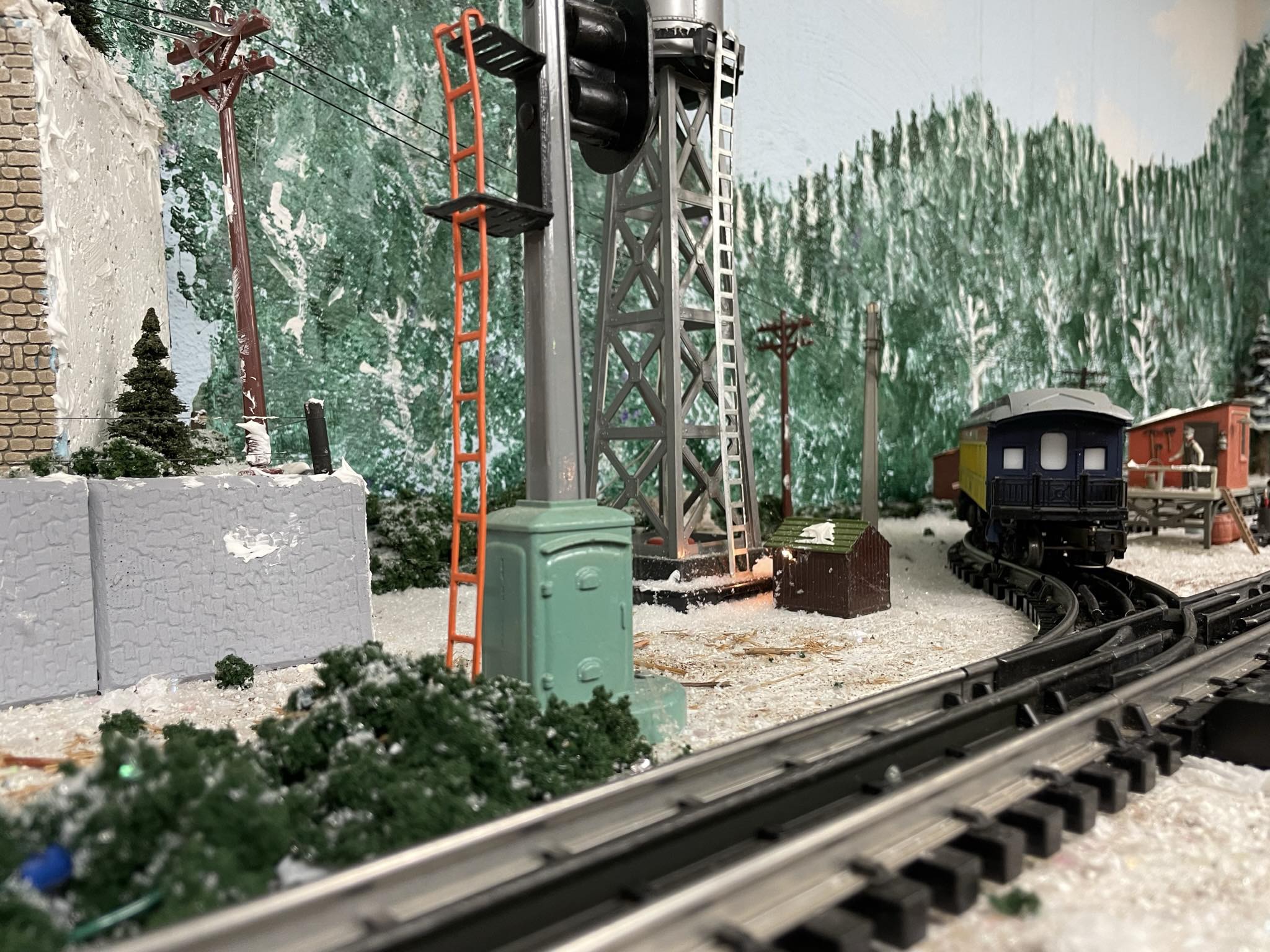
Christmas layouts are the most watched, most photographed, and most Instagrammed O-gauge setups of the year — and they only work if you start planning in September. Trains need to run for six weeks straight with visitors, kids, and photos happening around them, which means every reliability decision matters. Here is our vibetrains.com step-by-step plan for building a Christmas O-gauge display that runs flawlessly from Thanksgiving through New Year.
Pick the Right Space
Christmas layouts live in one of three spots: under the tree, on a dedicated table in the living/family room, or in a train room with holiday scenes added seasonally. Under-the-tree loops are the most traditional (and most limited — usually an oval of O-31 track with a small starter set); dedicated tables give you room for a real scene; a train room with seasonal scenery is the top tier but requires the space to keep the layout up year-round. For most first-time Christmas layout builders, a 4x8 dedicated table in the family room is the sweet spot: enough room for a proper scene, small enough to store or repurpose after the season.
Choose Your Locomotive Now, Not in December
The Lionel Polar Express is the reigning Christmas locomotive and there is a reason — it is a genuinely reliable LionChief set, the visual is unforgettable, and Bluetooth control means kids can run it from a phone. Alternatives include the LionChief Peanuts Christmas set, the Norman Rockwell Christmas Express (nostalgic), and any Berkshire or Northern in red-and-green holiday livery. Whatever you choose, order by the first week of October — Polar Express and other holiday sets routinely sell out at major dealers by mid-November. Our best starter sets guide covers the full range.
Track Layout: Reliability First
Christmas layouts run for hours a day for six weeks. Track reliability is not optional. Use FasTrack for its snap-together connections and integrated roadbed — no wiring problems, no track shifting on the tabletop. Design in a simple oval or figure-eight; skip switches unless you are experienced (switches are the #1 source of Christmas-morning derailments). If you want variety, add a passing siding rather than a full yard. Our train room setup guide covers track planning fundamentals.
Build the Snow Scene
What makes a Christmas layout feel like Christmas is the snow. Woodland Scenics "Soft Flake Snow" is the standard — sprinkle it over white paint on the tabletop, use matte medium to fix it, and layer it heavier along fence lines and building bases. For the ground plane, spray a base coat of flat white latex over foam board, then dust with snow product while the paint is still wet. Small pine trees (Woodland Scenics or Bachmann evergreens, 3 to 5 inches tall) placed in clusters read as a winter forest scene. Frozen ponds are simple: cut a small oval of clear plastic sheet, paint the underside pale blue, and place it over the snow.
Buildings That Sell the Vibe
Christmas layout structures should be lit and warm-glowing. A Lionel Plasticville or Woodland Scenics small-town main street with warm LED interior lighting is the foundation — even three or four buildings arranged along one street reads as a scene. Add a lit church at one end (the steeple is the visual anchor of every classic Christmas scene) and a small station or general store at the other. Menards makes affordable lit buildings that mix well with Lionel accessories. Skip the plastic gingerbread houses — they read as toy, not model.
Lighting: The Single Highest-Return Investment
Christmas layouts are photographed in low ambient light. Every lit building, streetlight, and passenger car window multiplies the "vibe" per photo. Warm white LED strip lights along the tabletop edge (facing the layout, hidden by a valance) create the glow that carries every Christmas layout photo. Add a small lit Christmas tree in the town scene, lit streetlights along the main road, and warm interior lighting in as many buildings as possible. Cool white LEDs kill the mood — stay warm across everything.
Test Everything the Week After Thanksgiving
The single most-common Christmas layout failure is a locomotive or accessory that worked fine in August and does not work when you set it up in late November. Test the complete setup — locomotive, transformer, track, accessories, LionChief app connection — the week after Thanksgiving. Have a backup transformer on hand. Clean the track with a Lionel track cleaning car or a dry cotton cloth before the first family showing. Keep a small toolkit (track pins, extra couplers, a screwdriver) nearby for the six-week run.
Planning the Storage-and-Return
Christmas layouts get taken down in early January and stored until next year. Planning storage now saves a lot of grief later: label every wiring connection with masking tape (which wire goes to which terminal), photograph the finished layout from multiple angles for reassembly reference, and buy plastic storage bins that fit under a bed or in a closet. Trees and small structures store in shoebox-sized bins; the track goes in a longer flat bin. Store the locomotive in its original box to protect the electronics from moisture.
The Vibe
A Christmas layout is one of the highest-emotional-return projects in the O-gauge hobby. Kids remember watching the Polar Express roll through a lit village under the tree for decades. Grandparents send photos to family who have not visited in years. Neighbors ask to bring their kids over. The layout is more than a display — it becomes an annual tradition. Start planning now and you will be running trains before Black Friday.
Newsletter
Weekly O-gauge tips & reviews
New reviews, layout ideas, and hobby news — straight to your inbox.