How to Build a Semiquincentennial Freedom Train Layout: Scenes, Consist, and Details
September 1, 2026
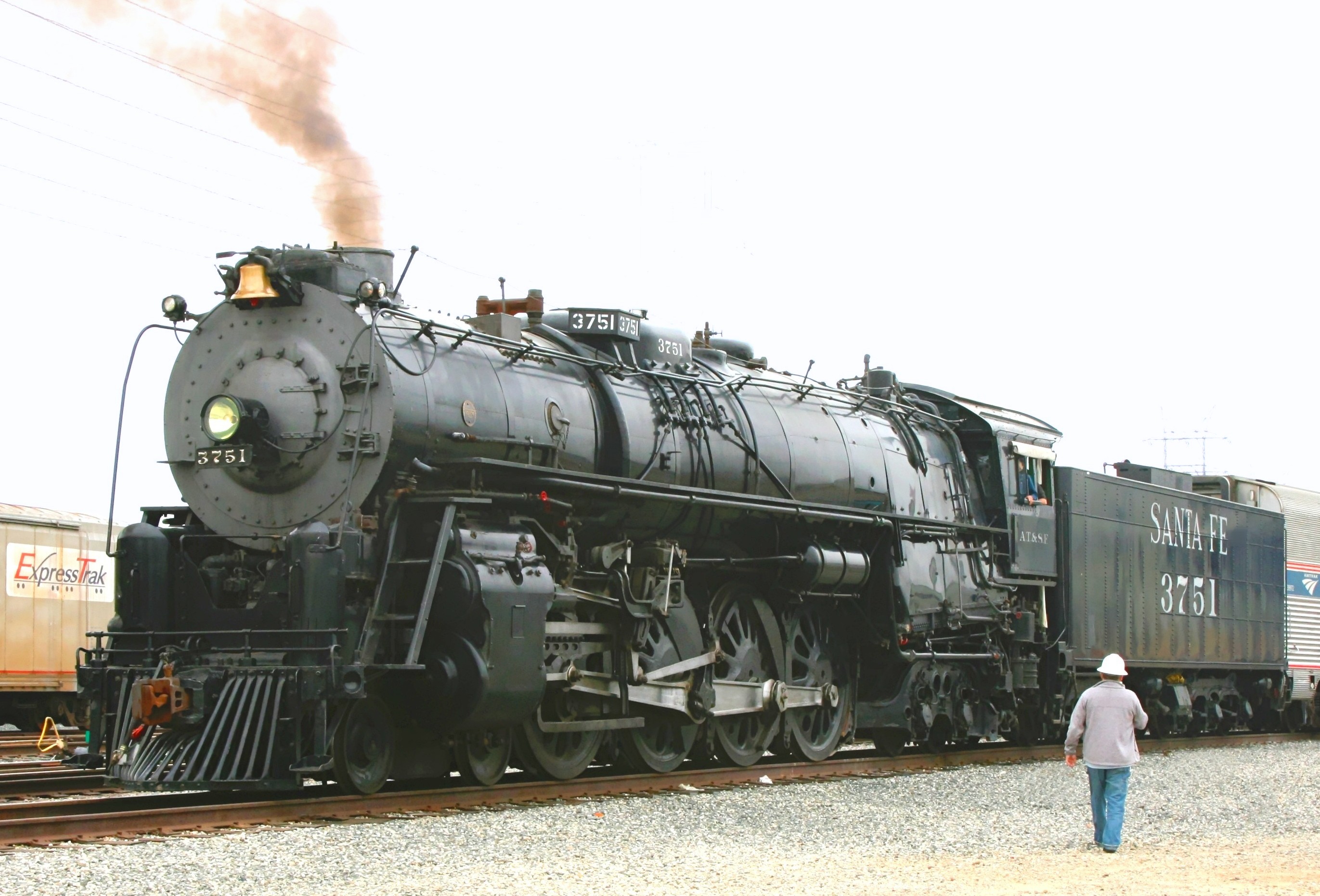
The 250th anniversary of American independence is the perfect excuse to model the American Freedom Train — the red, white, and blue rolling museum that toured the country during the 1976 Bicentennial and became one of the most iconic images in American railroading. With Lionel's 2026 Legacy T1 landing this year, it has never been easier to build a Freedom Train scene worth photographing. Here is our step-by-step guide from the vibetrains.com team.
Start with the Right Locomotive
The heart of any Freedom Train layout is the locomotive. Lionel's 2026 Legacy T1 American Freedom Train (Reading T1 #2101 in the correct 1976 red, white, and blue livery) is the definitive centerpiece — we cover it in detail in our full T1 review. If you are working with tighter curves or a smaller budget, MTH's earlier Freedom Train releases show up regularly on the secondary market, and a period-appropriate SP 4-8-4 #4449 in the same red-white-blue can substitute if you prefer the West Coast version of the tour. For deeper historical context, our American Freedom Train Returns post covers all three locomotives that pulled the original train.
Building the Consist
The original Freedom Train ran with 26 cars: a locomotive, a tender, a diesel helper (an EMD F40PH in Freedom Train livery), 12 display cars, 10 support cars, and two Amtrak-style cabooses. For an O-gauge layout you can compress this dramatically. A prototypical short consist is: the T1, one or two display baggage cars painted in Freedom Train livery, a passenger coach for support crew, and a caboose. Twelve to fifteen inches of car length work well and stay proportional to a 4x8 or L-shaped layout. Any 21-inch aluminum baggage car painted with red, white, and blue stripes reads as a Freedom Train car — Lionel sold matching cars alongside the 2026 T1 release.
The Signature Scene: Station Stop with Crowd
What made the original Freedom Train special was the people who came to see it. Every stop drew hundreds or thousands of visitors, and the visual signature of the tour is a passenger platform with a crowd of 1976-era Americans in bell-bottom jeans and patriotic t-shirts. Building this scene on your layout requires: a small-town station platform (Lionel or Woodland Scenics kits work), 30-50 O-scale figures grouped in family clusters, a couple of period-appropriate 1970s automobiles in a parking area, and American flag details. Warm platform lighting sells the scene — a small crowd under a lit station canopy at night is one of the most emotionally resonant scenes you can build. Our train room setup guide covers layout lighting in detail.
Bunting, Flags, and Patriotic Details
The visual language of 1976 patriotism was flags and bunting. Add small American flags to every telephone pole in your town scene, bunting draped along the station platform railing, and a large flag pole in the town square with a properly proportioned flag. Woodland Scenics sells O-scale flag kits, and printed bunting can be cut from scrapbook paper and glued into place. Do not overdo it — three or four well-placed patriotic details read as celebratory, twenty patriotic details read as a parade float.
The Grade Crossing Shot
The photograph everyone remembers from the original tour is a Freedom Train rolling through a rural grade crossing at track speed, with a small crowd of locals watching from the road shoulder. This scene is easy to build: a two-lane road crossing your mainline at 90 degrees, a wooden crossbuck sign, a few 1970s pickup trucks pulled off on the shoulder, and half a dozen figures with cameras. Bonus points for a small child on a father's shoulders. This is the scene that will get shared on Instagram from your layout — build it near the front of the benchwork so it photographs well.
Lighting and Sound for the Full Effect
The 2026 Legacy T1 has RailSounds crew talk and Freedom Train station announcement recordings that were sampled from the original 1976 tour. Play these through your layout audio when the train pulls into a station scene and the whole diorama comes alive. For lighting, warm LED strips under the layout valance in your station scene create the 1970s golden-hour look that dominates every historical photo of the tour. Cool LEDs kill the vibe — stay warm across the whole layout.
Documenting Your Build
The semiquincentennial year is a legitimate window for the O-gauge community to share Freedom Train content. Photograph your build in stages, share progress on Instagram and the OGR Forum, and consider joining the growing informal registry of Freedom Train modelers on Facebook. If your local club is hosting an open house in 2026, offer to bring your consist for guest running — this is the year to do it. Our Lionel 2026 catalog rundown covers the full range of semiquincentennial products that could join your Freedom Train scene.
The Bigger Picture
Building a Freedom Train scene is not just about modeling a train — it is about modeling a moment in American history when railroads brought a national celebration directly to towns and cities that would never see it any other way. Fifty years later, the O-gauge hobby gets to hand that moment to a new generation. Build the scene, run the train, and share the vibe.
Newsletter
Weekly O-gauge tips & reviews
New reviews, layout ideas, and hobby news — straight to your inbox.