Lionel Berkshire 2-8-4: Why This Steam Locomotive Still Dominates O-Gauge
April 29, 2026
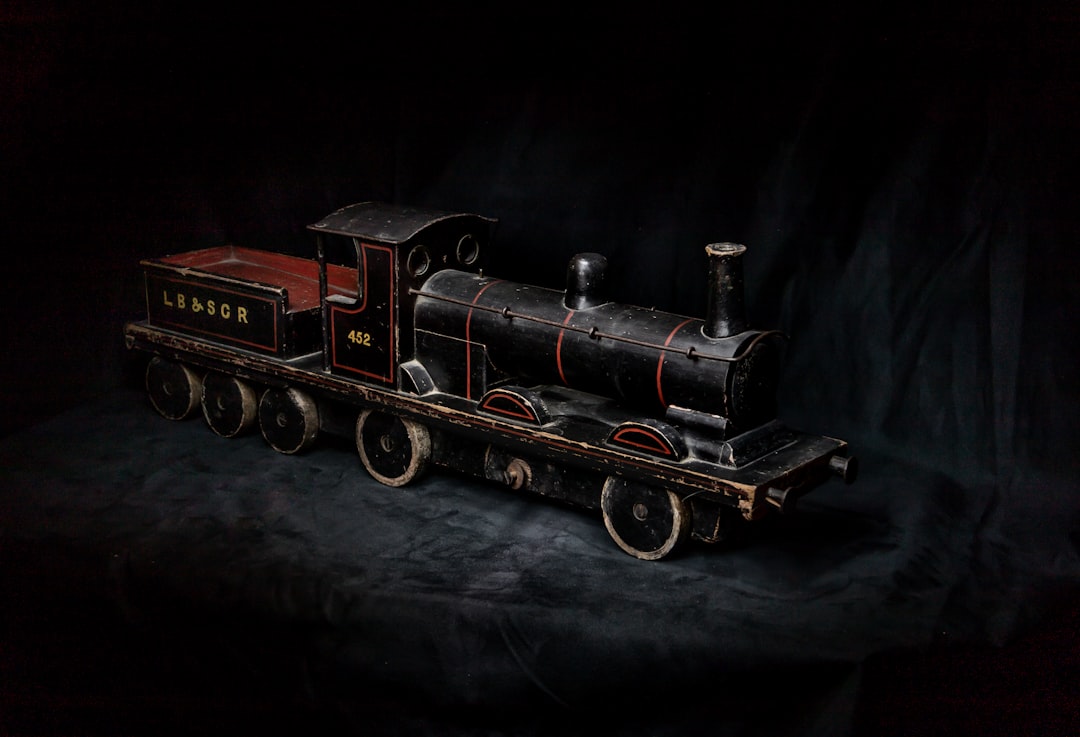
I've owned three Lionel Berkshires over the years — a postwar 736 from a York meet, a modern LionChief 2-8-4, and a Legacy Vision Line Berkshire. All three are still running. The Berkshire is the locomotive that's been on more American O-gauge layouts than any other steamer in history, and there's a reason for that. Here's the honest review after putting real hours on all three.
Walk into any O-gauge operating session, swap meet, or club layout in America, and you're almost guaranteed to see at least one Lionel Berkshire 2-8-4 thundering around the rails. This isn't an accident, and it isn't nostalgia talking. The Berkshire has earned its place at the top of the O-gauge pecking order through nearly eight decades of continuous refinement, mechanical excellence, and an aesthetic that simply nails what a "real" steam locomotive should look like. If you've ever wondered why so many veterans point to the Berk as the quintessential Lionel steamer, the answer involves equal parts history, engineering, and pure showmanship.
The story begins in 1946, when Lionel introduced the 726 Berkshire as their flagship postwar steamer. Inspired loosely by the prototype Nickel Plate Road and Pere Marquette Berkshires, the 726 hit the market at exactly the right moment — returning GIs, baby booms, and a postwar appetite for serious toys all collided. The original 726 used die-cast construction, a smoke unit, and Magnetraction (introduced shortly after), and it set the template for what a premium Lionel steamer should be. The 736 that followed in 1950 refined the formula, and that basic chassis design proved so sound that Lionel kept evolving it through the MPC era, the LTI years, and right into the modern Lionmaster, LionChief Plus 2.0, and Legacy Vision Line releases of today.
What Makes the Berkshire Mechanically Special
The 2-8-4 wheel arrangement is the secret sauce. Eight drivers give you tractive effort and visual heft, while the leading and trailing trucks let the locomotive negotiate O-31 curves that would derail a Northern or a Big Boy. This is critical for the average home layout, where space is always at a premium. A postwar 736 will happily run on tubular O-27 in a pinch, and modern scale Berkshires from Lionel's Vision Line handle O-72 with the kind of smooth, prototypical motion that makes you forget you're watching a model. That versatility — true scale presence without demanding a basement-sized empire — is something the Hudson and the Big Boy simply can't match.
Pro tip for postwar collectors: the 736 with the smoke bulb (early production) is mechanically simpler and easier to service than the later piston smoke unit, but the piston version produces dramatically better smoke output. If you're restoring one, replace the smoke unit's heating element with a modern resistor-style unit and use Lionel's premium smoke fluid — you'll get column smoke that rivals anything coming out of a modern Legacy locomotive. Also, never overlook the value of relubricating the worm gear with proper plastic-compatible grease; dried lubricant is the number one killer of these otherwise bulletproof drivetrains.
Modern Berkshires take the formula even further. The Legacy Vision Line 765 (modeled on the famous Nickel Plate Road excursion engine) features synchronized smoke, cab chatter, whistle steam, true Bluetooth connectivity, and articulated tender details that genuinely surprise you the first time you see them. The Lionmaster versions compress the prototype dimensions just enough to run on O-36 curves while still looking massive next to a string of scale boxcars. There's a Berkshire for every layout size, every budget, and every operating philosophy in this hobby.
Why It Still Dominates Layouts Today
The Berkshire dominates because it does everything well. It's a credible scale model when you want one, a punchy puller when you're hauling a 30-car coal drag, and an absolute showpiece when you open the throttle and let the chuff sync ramp up. The proportions are perfect — that big firebox over the trailing truck, the high running boards, and the proud smokebox front give it presence that smaller Pacifics lack and that articulateds can't match in subtlety. It looks fast standing still and purposeful at speed.
There's also the cultural weight to consider. The Berkshire is the locomotive most likely to trigger a memory in anyone who grew up around Lionel — it's the engine on countless Christmas catalog covers, the one orbiting the tree in basement photographs from 1953, and the model that introduced multiple generations to the joy of running trains. When you put a Berk on your layout, you're tapping into a continu
Which Berkshire to buy (real talk)
- Budget under $300: Lionel LionChief Berkshire. Bluetooth control, basic smoke and sound, runs out of the box. Not a scale model — closer to a tinplate tradition — but a great holiday-tree locomotive.
- $500–$800: Lionel Legacy Berkshire (current production). Full Legacy 3.0 control, prototypical smoke, real horn samples, full lighting effects. This is what I'd recommend to most serious O-gauge layouts.
- $1,200+ premium: Lionel Vision Line Berkshire. ECM smoke, IR linkup, scale wheel detail. Worth it if you're going to display and operate it; overkill for casual running.
- Postwar collector (#736): $200–$500 depending on condition. Runs forever with basic maintenance; doesn't have modern smoke or sound but has 70 years of patina.
Notes from the layout
- Pulling power on level grade: My Legacy Berk easily handles 18 aluminum passenger cars. Real Berkshires were built to pull long freight, and Lionel modeled that — the motor is geared for torque.
- Curve handling: O-31 is fine. The 2-8-4 wheel arrangement means a non-pivoting four-driver setup, so very tight curves cause rail-twist. O-36+ is the sweet spot.
- Smoke output: Modern Legacy Berks are the best smoke I've seen in O-gauge — multi-port output, synced to chuff, doesn't dump a wax bomb.
- Sound quality: Real Nickel Plate Road Berk samples in the Legacy version. Notably better than the generic 2-8-4 sound bite in the LionChief.
FAQ
Is the Lionel Berkshire scale? The Legacy and Vision Line Berkshires are scale (1:48). The LionChief Berkshire is closer to traditional tinplate proportions — slightly under scale.
What curve does the Lionel Berkshire need? O-31 minimum, O-36 strongly preferred. Tighter curves cause body-rub on the cylinder area.
How much does a Lionel Berkshire cost in 2026? LionChief $279–$349. Legacy $499–$799. Vision Line $1,199–$1,899. Postwar 736 used, $180–$450.
Related guides
Newsletter
Weekly O-gauge tips & reviews
New reviews, layout ideas, and hobby news — straight to your inbox.