Building a Realistic City Scene on an O-Gauge Layout
April 20, 2026
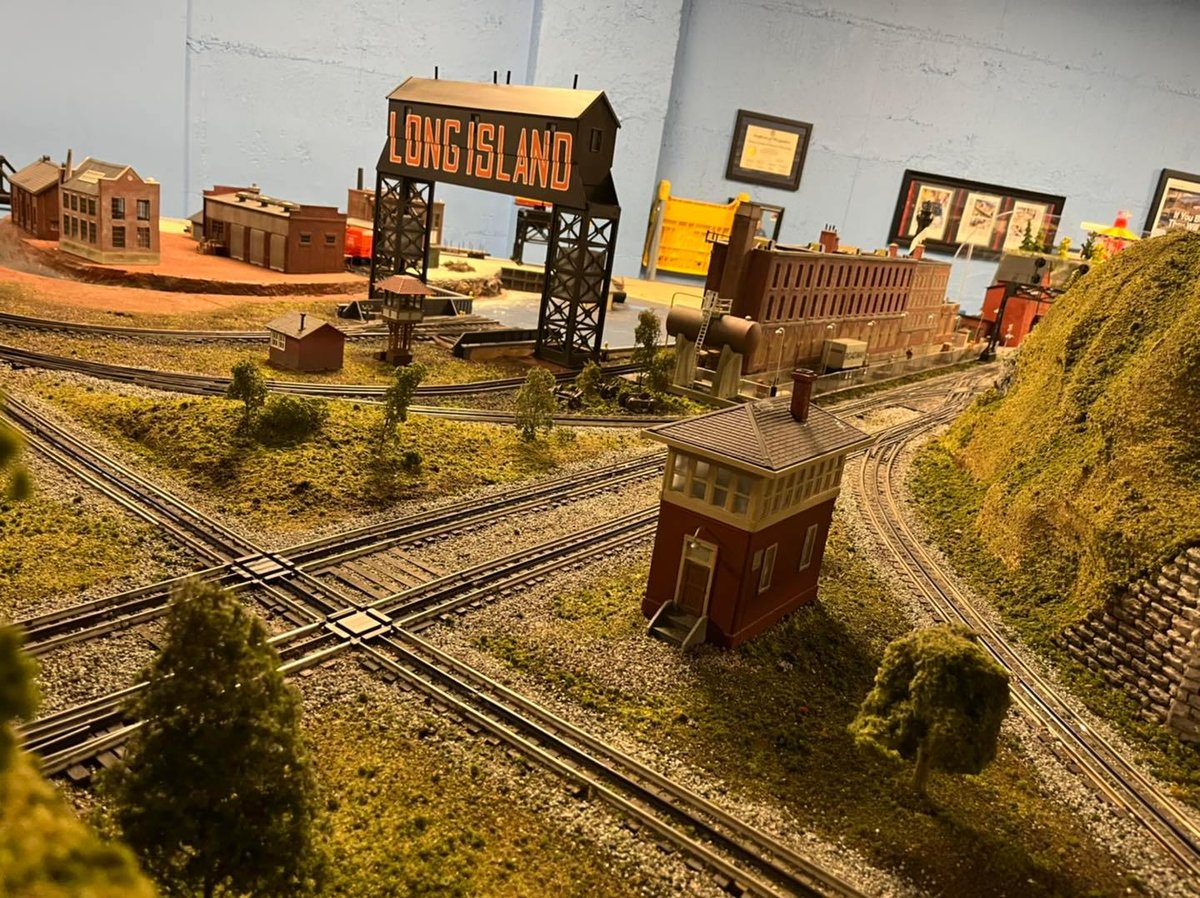
This is one I keep coming back to on my own O-gauge layout — I figured I'd write up what I've learned the hard way. Here's the practical take, not the press-release version.
Building a realistic city scene on an O-gauge layout is one of the most rewarding aspects of model railroading. Whether you're a seasoned collector or just starting your train room journey, creating an authentic urban environment brings your miniature world to life in ways that captivate both you and visitors. The key to success lies in careful planning, quality scenery materials, and attention to the small details that make the difference between a nice layout and a truly memorable one.
Before you start placing buildings and scenery on your O-scale layout, take time to sketch out your city plan. Think about the era you want to represent—Victorian industrial, mid-century American, or modern day—and let that guide your design choices. Consider the natural flow of your track and how trains will interact with the city environment. Will your main line run through downtown, or will it curve around the perimeter? Where should the station be positioned? Planning these elements first prevents costly mistakes and ensures your city feels organic rather than randomly assembled. Many experienced model railroaders recommend creating a detailed overhead map before laying any permanent structures.
Structures are the backbone of any realistic city scene. O-gauge buildings come in countless styles and price points, from craftsman kits you can customize to ready-to-run detailed models. When selecting buildings for your model railroad, mix different scales and architectural styles to create visual interest and authenticity. Include a variety of structures—shops, offices, residential buildings, warehouses, and industrial structures. Don't just line them up in neat rows; stagger heights, angles, and setbacks to replicate how real cities develop organically. Adding weathering to your buildings, even simple paint washes and dry brushing, dramatically increases their realism and makes your layout feel lived-in and aged.
Scenery and landscaping tie everything together and make your city scene feel grounded in reality. Start with a solid terrain foundation using foam, plaster, or commercial scenery bases, then layer in ground cover using model railroad grass, weeds, and dirt materials. Add sidewalks, parking lots, and streets using painted plywood or commercial street materials. Trees, shrubs, and landscaping elements break up hard surfaces and add depth. For urban settings, consider more manicured vegetation around businesses and wilder growth in industrial areas or behind buildings. You can find excellent scenery supplies on Amazon—search for "O-gauge scenery materials" with tag mikesreviews3-20 to explore the wide selection of ballast, ground cover, and landscaping supplies available.
Details are what separate good layouts from great ones. Street furniture like lamp posts, fire hydrants, benches, and trash cans should be scattered throughout your city. Add vehicles—cars parked along streets, delivery trucks at loading docks, and people figures at storefronts and station platforms. These small touches create narrative and make viewers pause to appreciate the craftsmanship. Paint your streets with appropriate weathering—not pristine grey, but realistic with oil stains, worn lines, and variations in color. Create interesting vignettes in your city: a fire station with firefighters and equipment, a small park with people relaxing, or a busy intersection. These micro-scenes give your layout personality and tell the story of a living, breathing community.
Lighting transforms a city scene from good to absolutely stunning, especially during evening viewing sessions in your train room. Strategic placement of streetlights, building windows with warm LED lights, and even traffic signals create an inviting atmosphere. Modern LED lighting is affordable, efficient, and comes in various colors to match different architectural periods. Your city doesn't need to be lit like Broadway—sometimes subtle, warm lighting is more realistic and atmospheric than bright illumination everywhere.
Remember that building your realistic city scene is an ongoing process. You don't need to complete it all at once. Many experienced modelers enjoy continuously refining and expanding their O-gauge layouts over years. For more inspiration, detailed building guides, and product reviews specific to O-scale model railroading, check out vibetrains.com where we regularly feature detailed scenery techniques and layout tours. Take your time, enjoy the creative process, and let your imagination guide you in building a city that's uniquely yours.
Newsletter
Weekly O-gauge tips & reviews
New reviews, layout ideas, and hobby news — straight to your inbox.