Best Model Train Layout Ideas for Small Spaces
March 10, 2026
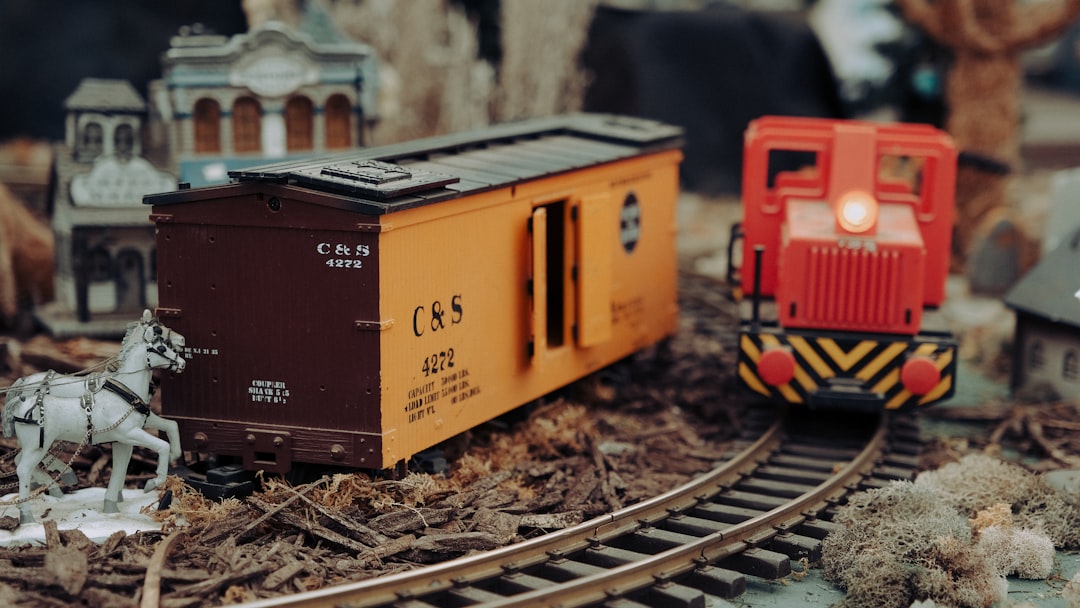
Most of what you'll find on this topic online is rewritten manufacturer copy. This isn't. It's what I've learned running trains on a real basement layout.
If you're looking for the best model train layout ideas for small spaces, you've come to the right place. Whether you're a seasoned model train enthusiast or just starting your hobby, creating an impressive layout doesn't require a massive basement or dedicated room. With smart planning and the right products, you can build a stunning model train setup in apartments, spare closets, or even on a shelf.
The key to success with small-space model train layouts is vertical thinking and modular design. Instead of spreading your layout horizontally across a large table, consider building upward. Multi-level layouts allow you to pack more scenery, track, and features into a compact footprint. This approach not only saves space but also creates visual interest and depth that draws viewers' eyes through the scene. Many hobbyists find that a 2-foot by 4-foot table is plenty of room to create a meaningful layout with towns, forests, and interesting terrain.
One popular approach for small spaces is the shelf layout. A standard bookshelf or floating wall shelf can become an operational model train display. These layouts typically measure 12 to 24 inches deep and can be as long as your wall allows. You can check current prices on Amazon for to find affordable starter sets that work perfectly for shelf installations. N-scale trains are another excellent option for tight spaces since they're smaller than HO-scale while still being easy to operate and detail.
The peninsula layout is another space-efficient design that works wonderfully in small rooms. This configuration extends into the room from one wall, allowing you to access the layout from three sides. It's perfect for small bedrooms or hobby rooms and requires less floor space than an island layout. You can fit approximately 40 to 60 linear feet of track on a four-by-eight-foot peninsula, giving you plenty of options for creative scenery and operations.
For true minimalists, point-to-point layouts offer charm and functionality in just a few square feet. These designs feature a train traveling from one location to another with minimal loop-backs. They're ideal for displaying a scenic diorama or small town scene and can be incredibly satisfying operationally. Many collectors focus on quality over quantity with this approach, investing in detailed buildings and scenery rather than complex track arrangements.
When choosing model trains for small spaces, scale matters significantly. HO-scale (1:87) is the most popular and offers the best balance of size, detail, and affordability. N-scale (1:160) takes up about half the space and is ideal for extremely limited areas. Standard gauge is larger and requires more room but appeals to collectors who value vintage aesthetics. Browse to compare different scales and brands side by side.
Budget considerations are important when planning your layout. Complete starter sets range from $50 to $300, depending on scale and quality. Entry-level sets from brands like Bachmann and Life-Like offer excellent value for beginners. As your skills develop, you can add more track, buildings, and scenery pieces gradually. Many enthusiasts spend between $200 and $500 to create a fully detailed small layout with realistic scenery and operational features.
DCC (Digital Command Control) systems are worth considering even for small layouts. These systems allow multiple trains to run independently on the same track, adding operational possibilities without requiring more physical space. Digital systems range from $100 to $400 for quality beginner setups.
Lighting transforms small layouts dramatically. LED strip lights hidden above the layout create realistic scenery lighting and make details pop. They're affordable and This planning step prevents costly mistakes and ensures your final layout fits perfectly. With creativity and smart design choices, even the tiniest space can become an impressive model train paradise that brings joy for years to come.
Newsletter
Weekly O-gauge tips & reviews
New reviews, layout ideas, and hobby news — straight to your inbox.