Toy Train Manufacturers: A Complete History of the American Industry
May 14, 2026
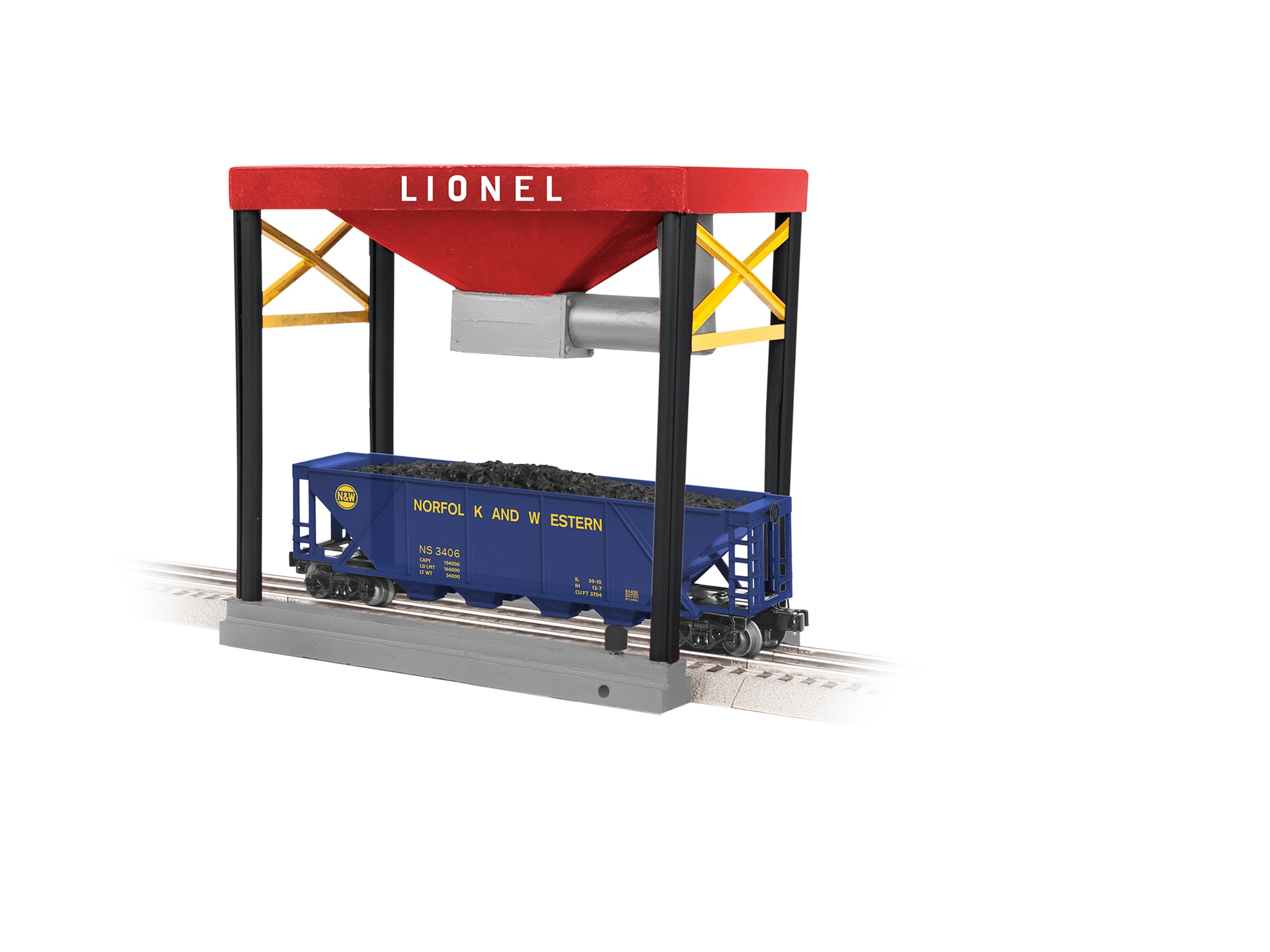
I run an O-gauge layout out of my basement and spend most Aprils at the York train meet. After about a decade of asking dealers "wait, who made this?" I finally sat down and traced the whole American toy train industry from scratch. This is that reference — not the Wikipedia summary, but the version I wish existed when I started collecting.
The American toy train industry has a longer and richer history than most hobbyists realize. Over 30 distinct manufacturers produced toy trains in the United States between 1868 and today, and the story of how the industry consolidated from dozens of competitors into the modern duopoly of Lionel and MTH (and now, with Round 2's acquisition of Lionel, something genuinely new) is one of the great chapters of American manufacturing history. Here is the complete reference guide to every toy train manufacturer that mattered, when they operated, what they made, and what happened to them.
Ives Manufacturing Company (1868-1933)
The original American toy train maker. Founded by Edward R. Ives in Plymouth CT in 1868, relocated to Bridgeport CT in the 1870s, and began making electric trains in 1901. Through the 1910s and early 1920s Ives was the dominant American toy train brand, with both Lionel and American Flyer in second-tier roles. Ives bankrupted in 1928 and was acquired jointly by Lionel and American Flyer. Lionel continued making Ives-branded equipment until 1933. See our full Ives collector's guide for the detailed history.
Lionel Manufacturing Company (1900-Present)
Founded in 1900 by Joshua Lionel Cowen in New York City, Lionel grew from a maker of battery-powered window-display trains into the largest toy company in American history by the 1950s. The company's Standard Gauge era (1906-1939) and Postwar Era (1946-1969) are considered the golden age of American toy trains. After Cowen sold the company in 1959 to his nephew Roy Cohn, Lionel passed through multiple ownership changes before stabilizing under current ownership as Lionel LLC. The modern company is based in Concord NC and dominates O-gauge today. For the founder's story see our Joshua Lionel Cowen biography.
American Flyer (1907-1966)
Founded in Chicago in 1907 as the Chicago Flyer Manufacturing Company, renamed American Flyer in 1910. The company produced clockwork and later electric trains in Standard Gauge and O-gauge, competing directly with Lionel. American Flyer's signature innovation came in 1946 when, under owner A.C. Gilbert, they introduced S-scale two-rail track — a radically more realistic system than Lionel's three-rail O-gauge. S-scale never overtook O in sales volume, but it earned a loyal collector following that persists today. The Gilbert company struggled financially in the 1960s and was acquired by Lionel in 1967. Lionel still produces American Flyer S-scale equipment under license.
Marx Toys (1919-1980)
Louis Marx founded Marx Toys in 1919 and entered the toy train market in the late 1920s with low-priced lithographed-tin trains aimed at the same Christmas-tree customer Lionel targeted, but at a fraction of the price. Marx trains were never as detailed or as well-built as Lionel, but they were affordable — Marx sold trains through Sears, Woolworth, and discount stores. At peak in the 1950s Marx outsold Lionel in unit volume. The company declined in the 1960s and was sold to Quaker Oats in 1972, who shut down toy train production by 1980. Marx trains today are inexpensive collectibles, often selling for $30 to $200 per locomotive.
Williams by Bachmann (1971-Present)
Jerry Williams founded Williams Electric Trains in 1971 to produce reproductions of classic Lionel postwar locomotives at affordable prices. The line eventually expanded to include original tooling for traditional O-gauge equipment compatible with Lionel track and transformers. Williams was acquired by Bachmann Industries in 2007 and is now sold as "Williams by Bachmann," producing budget-friendly traditional O-gauge equipment that fills the gap between Lionel's premium pricing and the toy-train market.
MTH Electric Trains (1980-Present)
Mike Wolf founded MTH (Mike's Train House) in 1980, originally to make reproduction Lionel parts and then to produce original O-gauge equipment competing with Lionel directly. MTH introduced the DCS digital command system in 2002 — the first true digital command system in O-gauge, several years before Lionel's TMCC/LEGACY. The company's Premier and RailKing lines covered both scale and traditional O-gauge respectively. MTH ceased original production in 2020 but was revived in 2023 under new management and is gradually returning to production.
K-Line Electric Trains (1985-2005)
Founded in 1985 as a maker of inexpensive O-gauge starter sets, K-Line gradually expanded into scale equipment and competed against both Lionel and MTH in the 1990s and early 2000s. The company filed for bankruptcy in 2005 and the assets were acquired by Lionel, who absorbed select K-Line tooling and product lines into their existing catalog. K-Line trains remain on the secondary market in significant quantities.
Kusan and AHM (1955-1975)
Two short-lived but historically important brands. Kusan Electric Trains operated from 1955 to 1965 producing detailed scale O-gauge equipment that was ahead of its time. AHM (Associated Hobby Manufacturers) imported and rebadged European HO equipment under their own label in the 1960s and early 1970s, helping introduce European-quality detail to American HO modelers. Neither survived to the 1980s.
Modern Niche Manufacturers
The modern American O-gauge industry also includes several small manufacturers worth knowing: Atlas O (precision two-rail scale O-gauge), Weaver Quality Craft Models (custom brass and scale O-gauge), Right-Of-Way Industries (passenger car kits and detailed O-gauge rolling stock), and Sunset Models (scale brass locomotives in O and HO). HO scale has Athearn, Walthers, Rapido Trains, Broadway Limited, and Kato. N scale has Kato, Atlas, Intermountain, and Micro-Trains. The diversity of modern manufacturers is actually greater than the postwar peak — just spread across more scales and price tiers. For a current-brand buyer's guide see our 2026 model train brand guide.
What Happened to the Rest
Dozens of other American toy train brands existed and disappeared over the past 150 years. Voltamp (1903-1922), Howard Miniature Lamp Co (1904-1928), Knapp Electric (1890s-1910s), Carlisle and Finch (1894-1915), Boucher (1922-1934), Hafner (1900-1951), Unique Art Manufacturing (1916-1952), and Dorfan (1924-1934) all produced electric toy trains at various points in the early-to-mid 20th century. Most were absorbed by competitors, bankrupted in the Depression, or shut down when the postwar Lionel/Marx duopoly became too dominant to compete with. The collectors who specialize in these obscure brands have found a deeply rewarding corner of the hobby — but for most modern hobbyists, the relevant manufacturers are the dozen or so still producing equipment today.
Notes from the layout: which of these brands actually shows up at York
If you're sourcing pieces from the brands above today, here's the breakdown of who actually appears on dealer tables at the York meet in any given year, based on what I've personally walked past:
- Lionel postwar (1945–1969): Every aisle, every show. Most are $50–$300; rare Madison cars, the 773 Hudson, and General set 1872 push higher.
- American Flyer S-gauge (Gilbert era): One or two dedicated dealers per show. Values have crept up; clean PA Alcos are $400+.
- Ives prewar: Rare. When they show up they're usually with the prewar-only dealers near the back of the orange hall.
- Marx: Tons of it, mostly cheap, mostly fun. Great kid layout fodder.
- MTH: Easy to find used; pre-shutdown stock is being dumped at 30–50% off original retail.
- Williams/K-Line: Sporadic. Williams runs great, K-Line is a coin flip on the motor.
FAQ
What's the oldest American toy train manufacturer? Ives Manufacturing Company, founded 1868 in Plymouth CT. They started building electric trains in 1901 and were the dominant American maker for over 30 years before going bankrupt during the Depression.
Why did so many train makers go out of business? Two collapses did most of the damage: the Depression (which killed Ives, Voltamp, and Dorfan) and the late-1960s shift from boys' Christmas presents to electronic toys (which killed American Flyer's Gilbert-era operation and forced Lionel itself into receivership in 1969).
Are old toy trains worth money? Some — but not most. Common postwar Lionel is worth $30–$150. Prewar standard gauge, mint-condition rare postwar (the Madison cars, the 773 Hudson, original boxes for everything), and clean Ives pieces are where the real money is. Condition and original boxes triple the value.
Related guides
Newsletter
Weekly O-gauge tips & reviews
New reviews, layout ideas, and hobby news — straight to your inbox.