Setting up TMCC and LEGACY for a Beginner
April 20, 2026
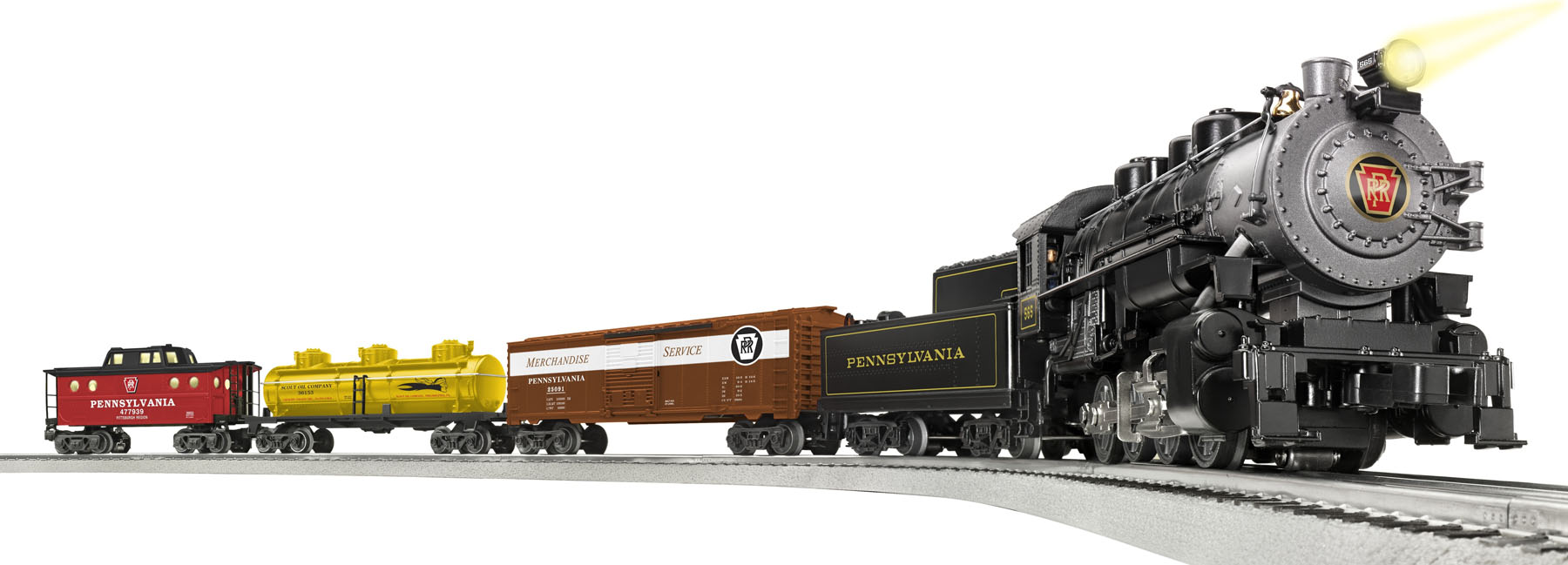
I've been running an O-gauge layout out of my basement for years, and this question comes up every time someone new visits. Here's what I'd actually tell them.
Setting up TMCC and LEGACY for a beginner might seem intimidating at first, but with the right guidance, you'll have your O-scale model railroad running smoothly in no time. These sophisticated command control systems from Lionel have revolutionized how we operate our trains, replacing traditional transformer controls with digital precision and remarkable flexibility. Whether you're building your first layout or upgrading an existing setup, understanding the fundamentals of TMCC (Train Master Command Control) and LEGACY will unlock a whole new level of enjoyment from your hobby.
Before diving into the technical setup, it's important to understand what you're working with. TMCC is Lionel's original command control system that debuted in 1996, while LEGACY is the newer evolution that offers enhanced features and compatibility. Both systems allow you to control multiple trains independently on the same track, adjust speeds with precision, control accessories, and even run automated sequences. If you're starting fresh with your model railroad, you'll want to decide which system fits your needs and budget. For most beginners, LEGACY is the recommended choice since it's more current and offers better integration with modern Lionel locomotives.
The hardware foundation of your setup begins with the proper transformer and control unit. You'll need a TMCC or LEGACY base station, which acts as the brain of your entire system. For FasTrack layouts, Lionel has streamlined this process considerably. Start by ensuring your transformer has sufficient power for your needs—most beginners benefit from a 180-watt transformer or higher. Next, connect your base station to the transformer according to the manual, then connect your track properly. The beauty of LEGACY control is that you can manage your entire train room from a handheld remote, giving you unprecedented freedom to operate trains from anywhere around your layout.
Once your hardware is in place, you'll need to program your locomotives. This is where many beginners feel uncertain, but the process is surprisingly straightforward once you understand the steps. Each locomotive needs to be registered to your TMCC or LEGACY system using its unique ID number. Start with one locomotive and follow the programming sequence in your base station manual carefully. You'll be amazed at how quickly you master this process, and soon you'll be adding multiple locomotives to your network. If you want to make this easier, consider picking up a LEGACY programming remote to streamline the setup process.
Accessory control is one of the most rewarding aspects of TMCC and LEGACY systems. Switches, lights, crossing gates, and sound effects can all be controlled from your remote once properly configured. This transforms a simple oval of track into a dynamic, interactive model railroad experience. Start with basic accessories before moving to more complex automation sequences. Your patience during this learning phase will pay dividends as your layout becomes more sophisticated and responsive to your commands.
Troubleshooting is inevitable when setting up any complex system, but don't let that discourage you. Common issues include poor track connections, duplicate locomotive IDs, and controller range problems. Most of these resolve quickly by double-checking your wiring and ensuring proper grounding. The O-gauge community is incredibly supportive, and resources like vibetrains.com offer detailed guides and reviews that can help you overcome any obstacles you encounter.
Remember that setting up TMCC and LEGACY is an ongoing journey rather than a one-time task. As you gain confidence, you'll expand your layout, add more locomotives, and implement more sophisticated automation. Take your time learning the basics, and don't hesitate to reference the manuals or seek advice from experienced operators. The investment in understanding these systems will provide years of enhanced enjoyment in your model railroad hobby.
Newsletter
Weekly O-gauge tips & reviews
New reviews, layout ideas, and hobby news — straight to your inbox.